Artwork
Christmas card by Claire Avery
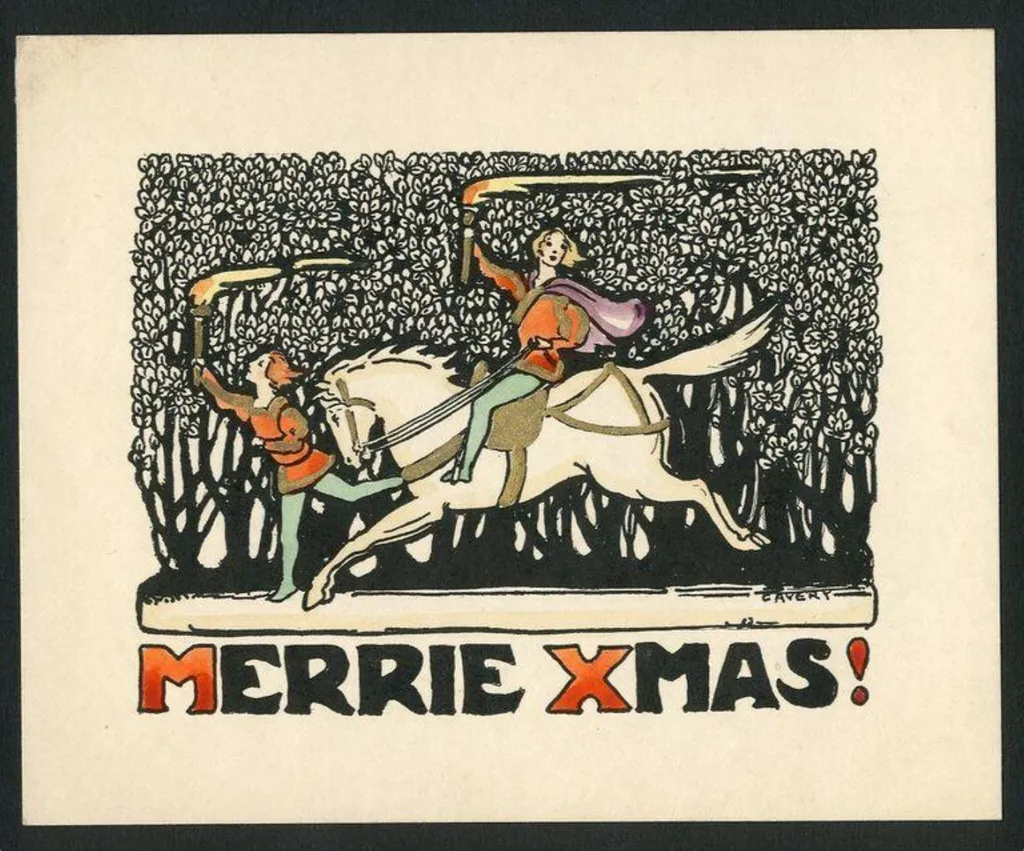
Christmas card by Claire Avery is a print by Claire Avery. It dates from 1950 and is held in the collection of the Victoria and Albert Museum.
About this work
Avery spent her days drawing dancers, especially Adeline Genée, a famous ballerina.
Claire Avery made this Christmas card early in the 1900s. It’s a print, so each card shows the same image in a small batch. Avery spent her days drawing dancers, especially Adeline Genée, a famous ballerina.
Avery first showed Genée’s graceful poses in 1909. A newspaper said her sketches caught the dancer’s fast moves and elegant charm.
Check out Claire Avery’s other dancer drawings at the Victoria and Albert Museum.
Overview
Claire Avery, an American illustrator and educator active in the early 20th century, produced a small series of printed Christmas cards featuring dancer Adeline Genée. Created around the turn of the century, the card is one of several works in which Avery translated live performance into intimate, static imagery. The print format suggests limited production, likely intended for personal or modest distribution rather than mass sale.
Subject & Meaning
The card depicts Adeline Genée, a celebrated Danish ballerina who performed in the United States during the 1900s. Avery’s focus on Genée reflects a fascination with the dancer’s physical poise and transient gestures. Rather than portraying a theatrical moment, the image captures a quiet, offstage grace, suggesting a personal connection between artist and subject. The Christmas context imbues the scene with warmth, transforming dance into a gesture of seasonal tenderness.
Technique & Style
Avery employed a linear, restrained print technique to convey movement with minimal detail. Her lines are fluid yet precise, emphasizing the dancer’s posture and the flow of fabric without ornamental excess. The composition avoids background clutter, directing attention to the figure’s balance and stillness. This economy of form aligns with early modernist tendencies in illustration, prioritizing expressive clarity over realism.
History & Provenance
Avery first gained recognition in 1909 with an exhibition at the Scuola Gallery in New York, where her drawings of Genée drew critical attention for their capture of motion. The Christmas card predates or coincides with this exhibition, indicating her early focus on the dancer. While the card’s original distribution is undocumented, related works by Avery are held in the Victoria and Albert Museum’s collection, suggesting institutional recognition of her contributions to dance illustration.
Context
Avery’s work emerged during a period when dance, particularly ballet, was gaining cultural visibility in America through touring European performers. Illustrators like her helped translate live performance into accessible visual forms for the public. Her choice to depict Genée—rather than a more familiar American subject—reflects the transatlantic influence on artistic circles and the growing interest in capturing ephemeral movement through static media.
Legacy
Though Avery’s career was brief and largely confined to illustration, her drawings of Genée remain among the most sensitive visual records of early 20th-century ballet. Her ability to distill motion into quiet, elegant forms influenced later illustrators of dance. The preservation of her works in major collections underscores their value as historical documents of both artistic practice and the cultural reception of ballet in America.
Artist & collection
Artist
Claire Avery spent her days tucked in a London printshop, the smell of ink and Christmas cards clinging to her sweater.

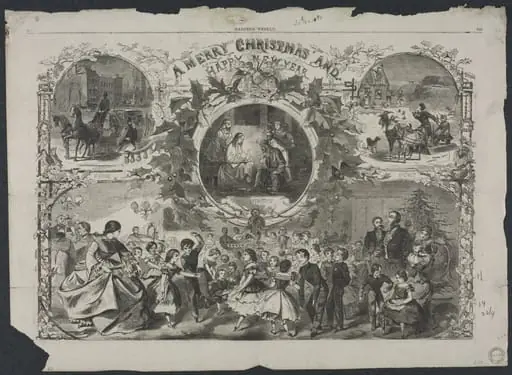 A Merry Christmas and a Happy New Year
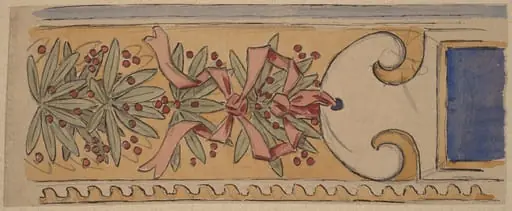 Study for a Border Design
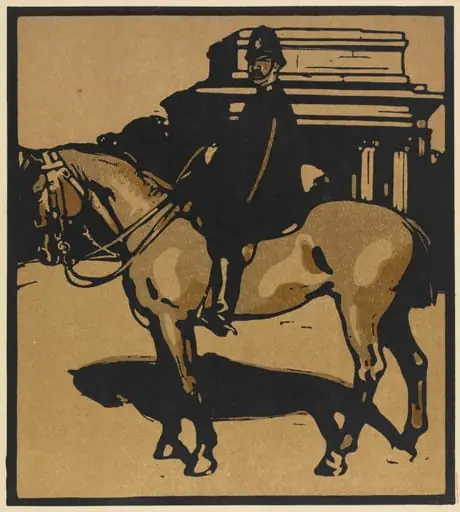 London Types: Policeman (Constitution Hill)
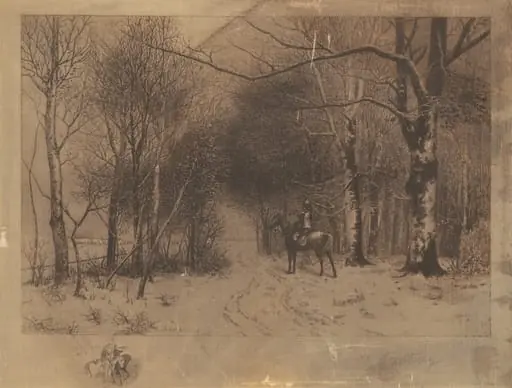 The Bugle Call
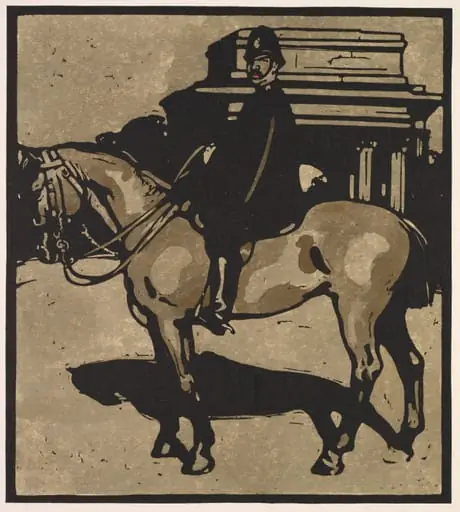 London Types: Policeman
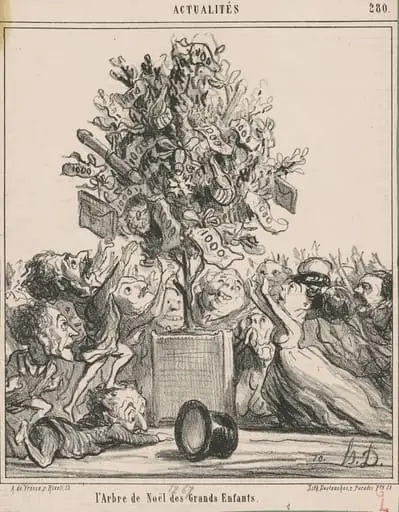 L'Arbre de Noël des Grands Enfants
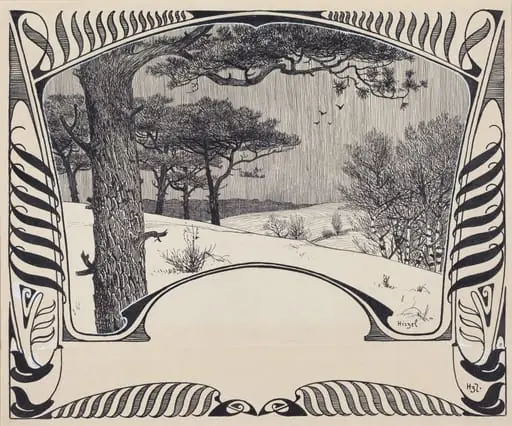 A Winter Landscape Within a Jugendstil Border
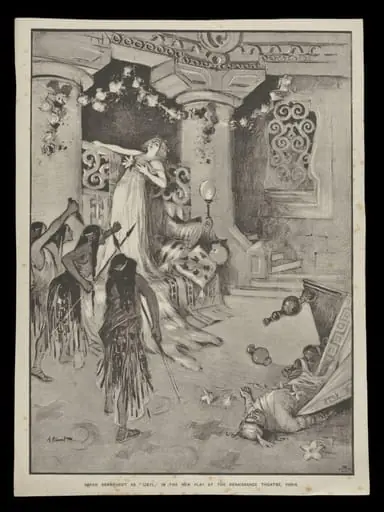 H Beard Print Collection
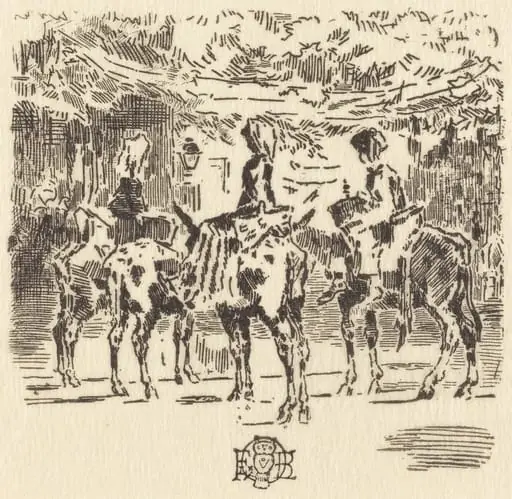 Les Petits Anes de Luchon
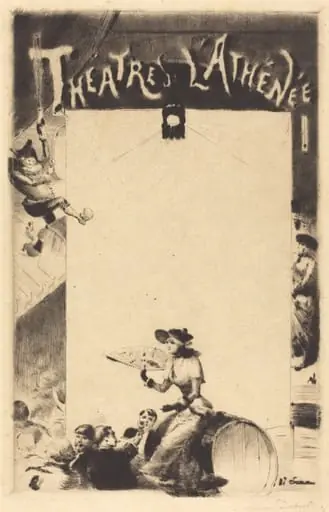 Program for "Théatres l'Athénée"