Artwork
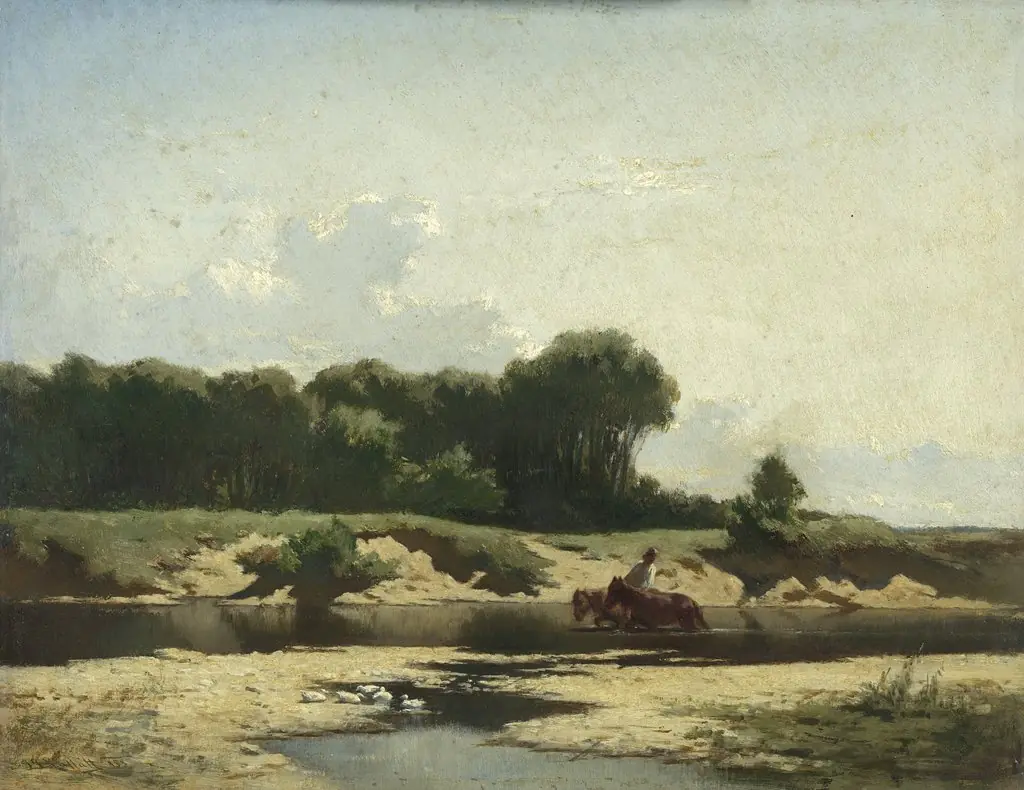
Horse Watering
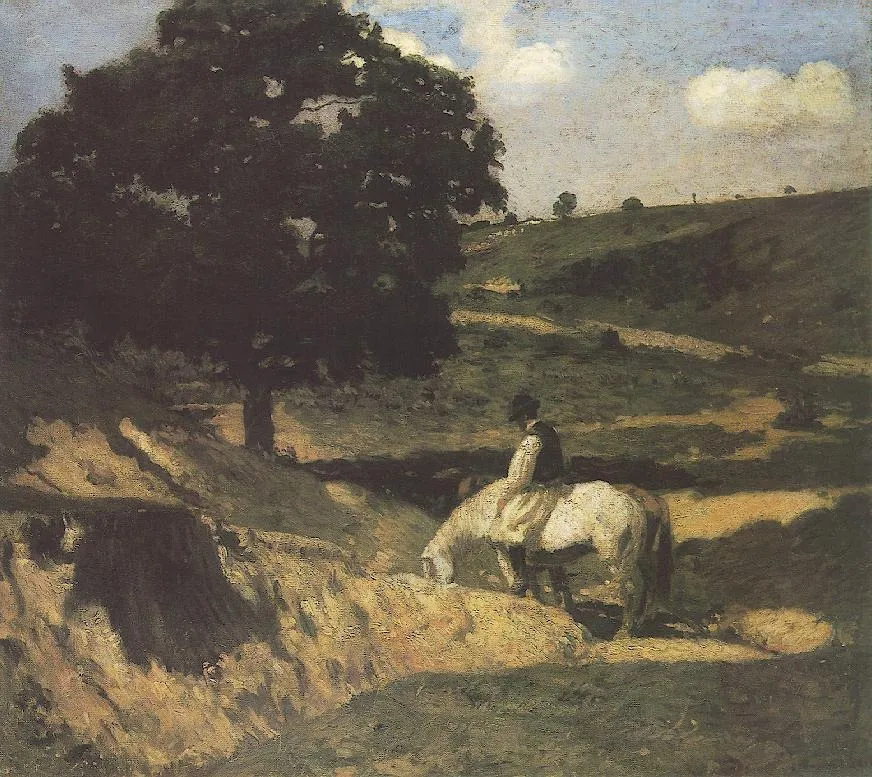
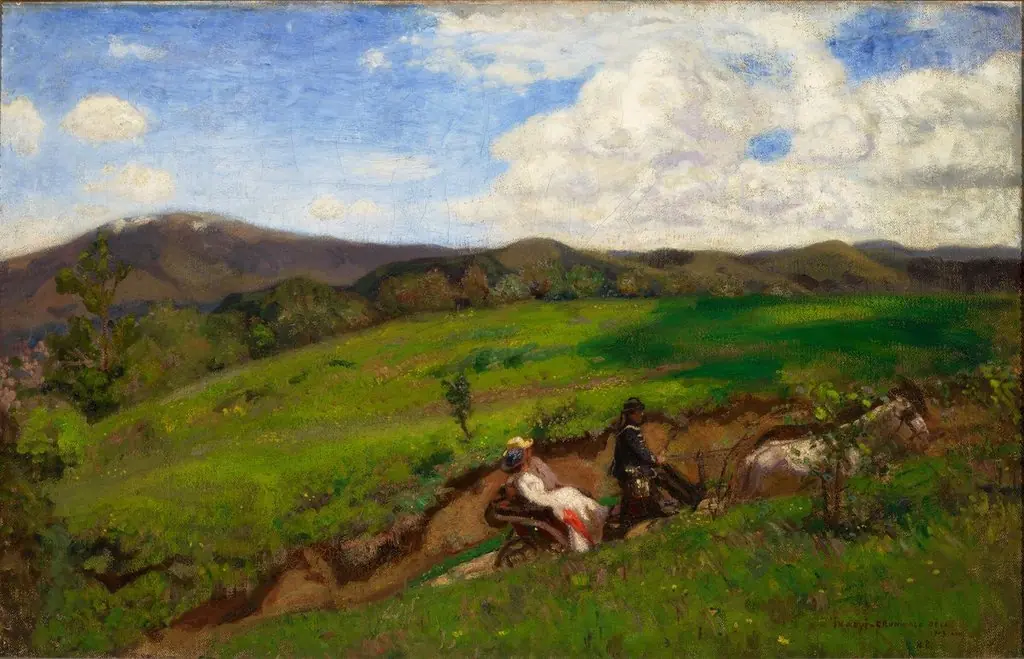
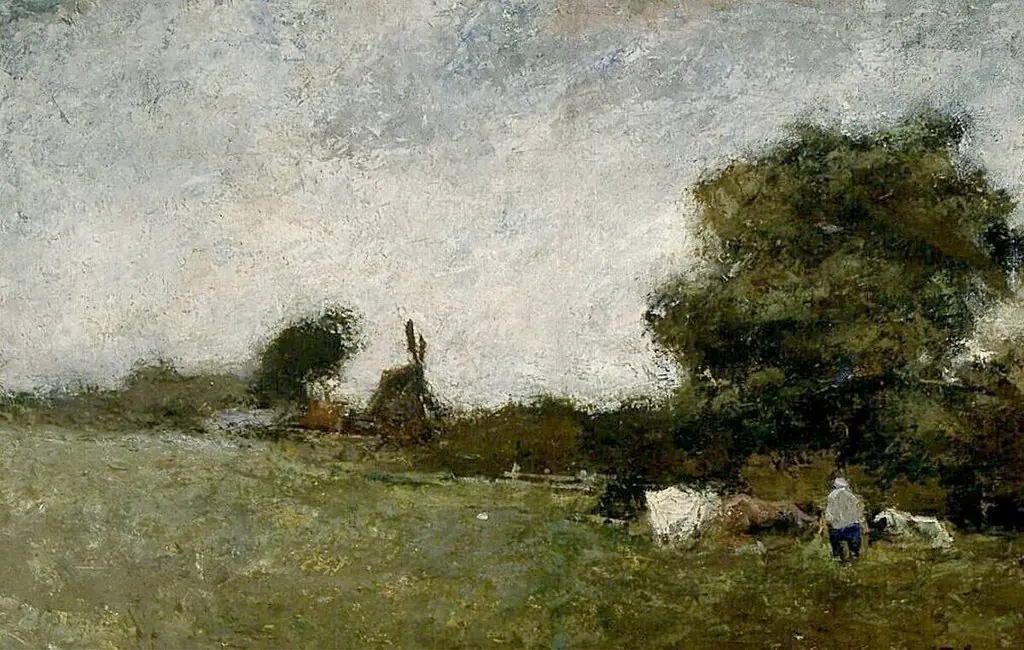
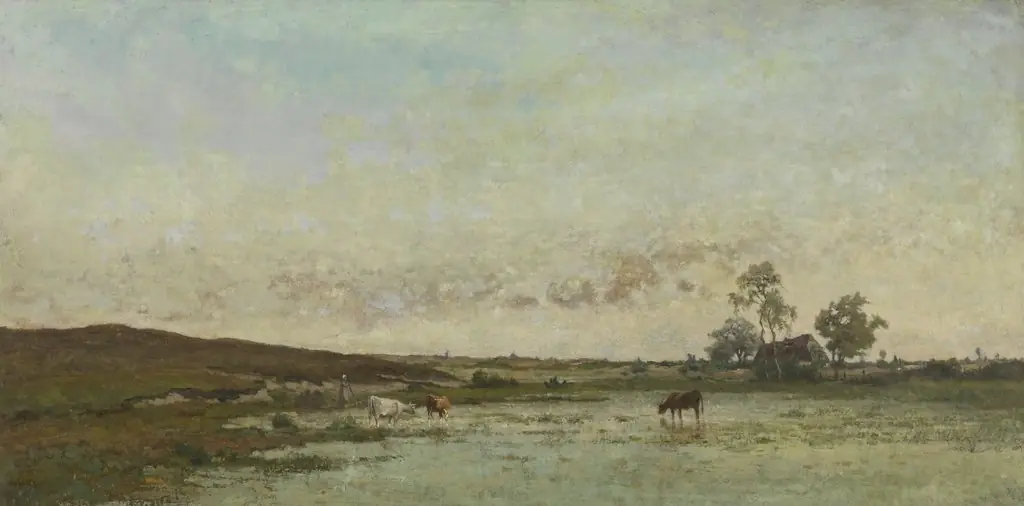
Horse Watering is an oil painting by the Post-Impressionist artist Béla Iványi-Grünwald. It dates from 1902 and is held in the collection of the Hungarian National Gallery.
About this work
Overview
Béla Iványi-Grünwald painted *Horse Watering* in 1902 using oil on canvas. The work emerged from his time in the Nagybánya artists' colony, where he engaged with post-impressionist ideas while developing a distinct Hungarian visual language. It is now part of the Hungarian National Gallery’s collection, reflecting his role in shaping early 20th-century Hungarian art.
Subject & Meaning
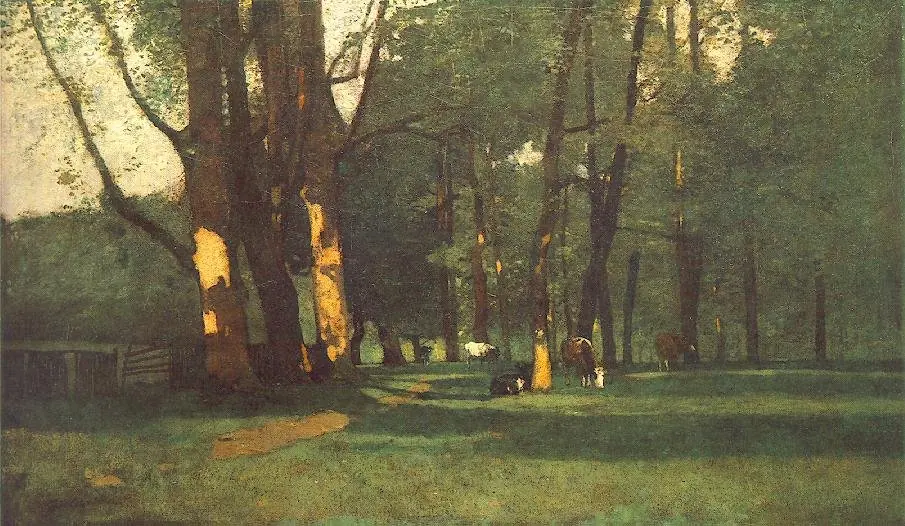
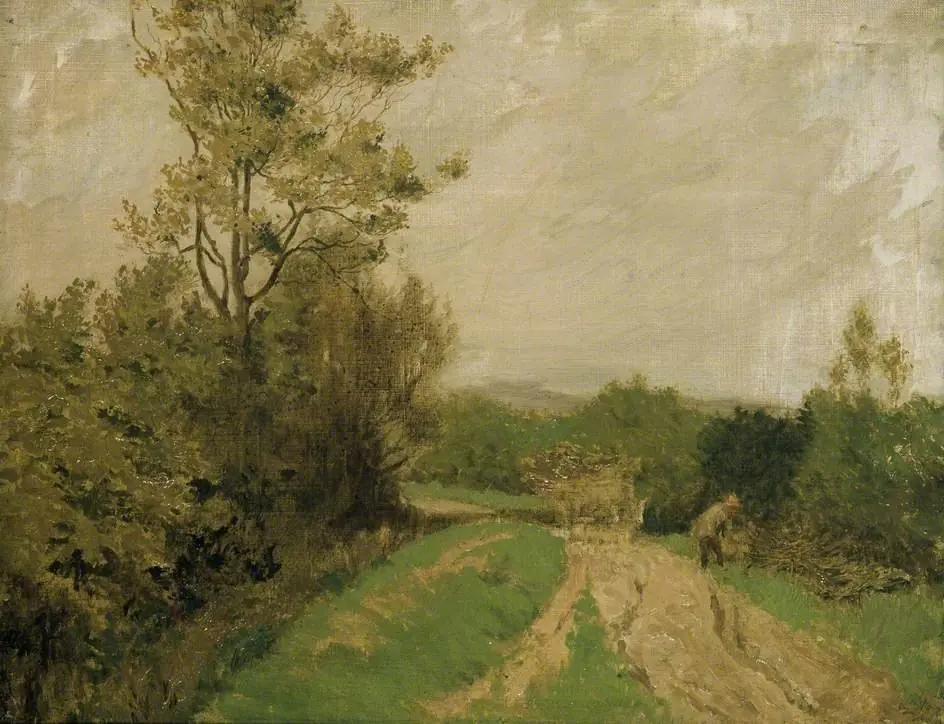
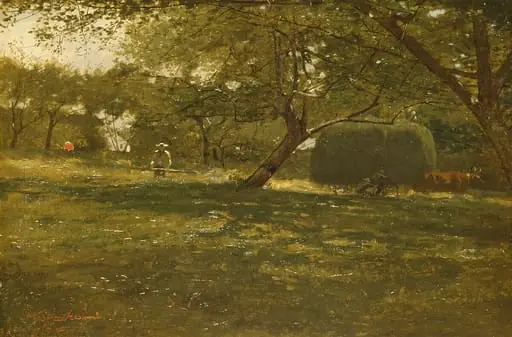
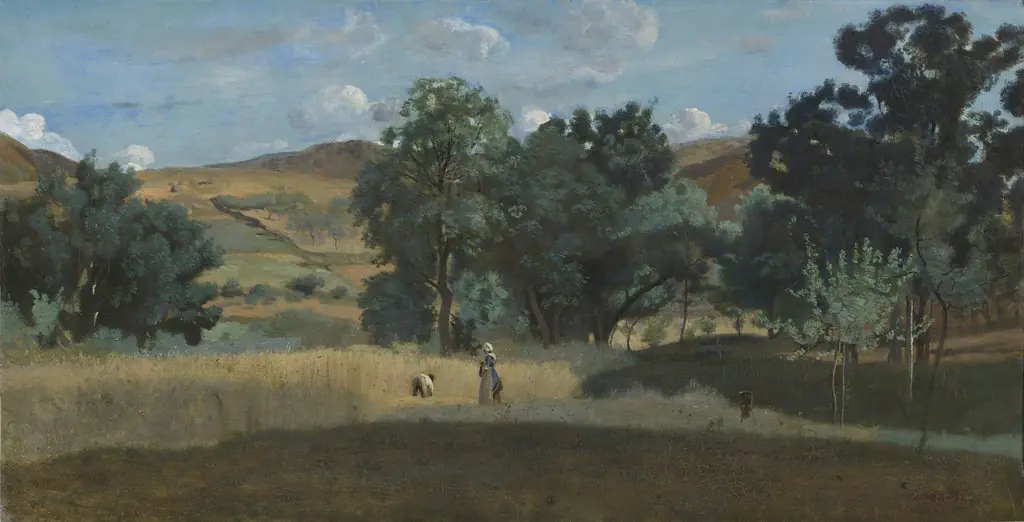
The painting captures a quiet moment of a white horse lowering its head to drink from a dark, reflective stream. Set against rolling green hills and a pale sky, the scene emphasizes rural life and natural rhythm. There is no narrative drama—instead, the focus lies in the stillness of the animal and its interaction with the landscape, suggesting harmony between creature and environment.
Technique & Style
Iványi-Grünwald employed thick, deliberate brushwork typical of post-impressionism, building form through layered pigment rather than fine detail. The horse’s form is simplified yet solid, with contrasts between the bright white coat and the deep water enhancing visual weight. The background uses loose, atmospheric strokes to suggest distance, balancing structure with a sense of open air.
History & Provenance
Created during Iványi-Grünwald’s active years in Nagybánya, the painting entered the Hungarian National Gallery’s collection in the early 20th century. It remained part of the national holdings as his reputation grew, particularly after he founded the Kecskemét artists’ colony in 1910. Its preservation reflects its significance in documenting Hungary’s regional artistic evolution.
Context
In early 1900s Hungary, artists like Iványi-Grünwald sought to move beyond academic traditions by observing nature directly. *Horse Watering* aligns with this shift, echoing the plein-air practices of French post-impressionists while rooting itself in Hungarian pastoral life. The work contributes to a broader movement that valued authenticity over idealized subjects.
Legacy
Though less widely known internationally, Iványi-Grünwald’s influence endured through his teaching and colony leadership. *Horse Watering* exemplifies his commitment to capturing everyday rural scenes with emotional restraint and formal clarity. It remains a touchstone in Hungarian art history for its quiet dignity and technical sincerity.
Artist & collection
Artist
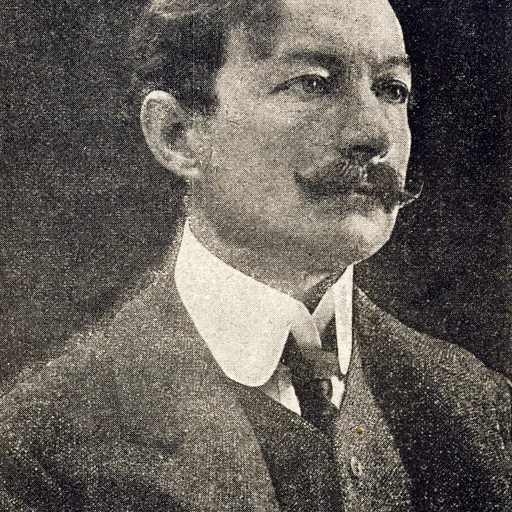
Béla Iványi-Grünwald (6 May 1867 – 24 September 1940) was a Hungarian painter, a leading member of the Nagybánya artists' colony and founder of the Kecskemét artists' colony.