Artwork
Scene on Otmoor
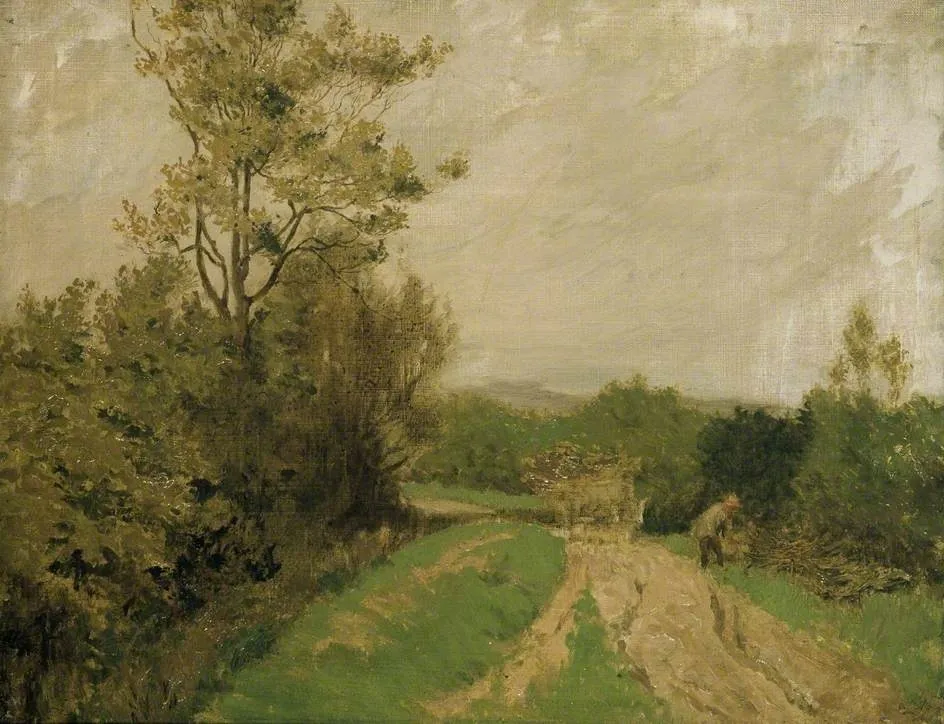
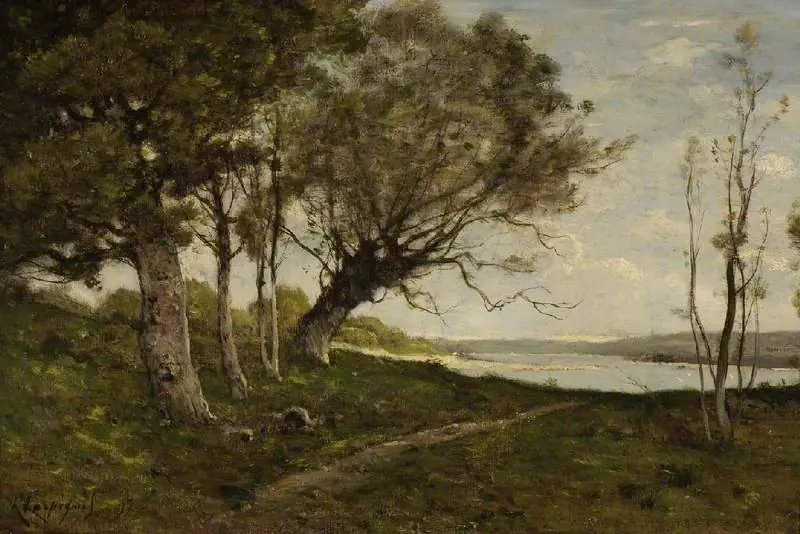
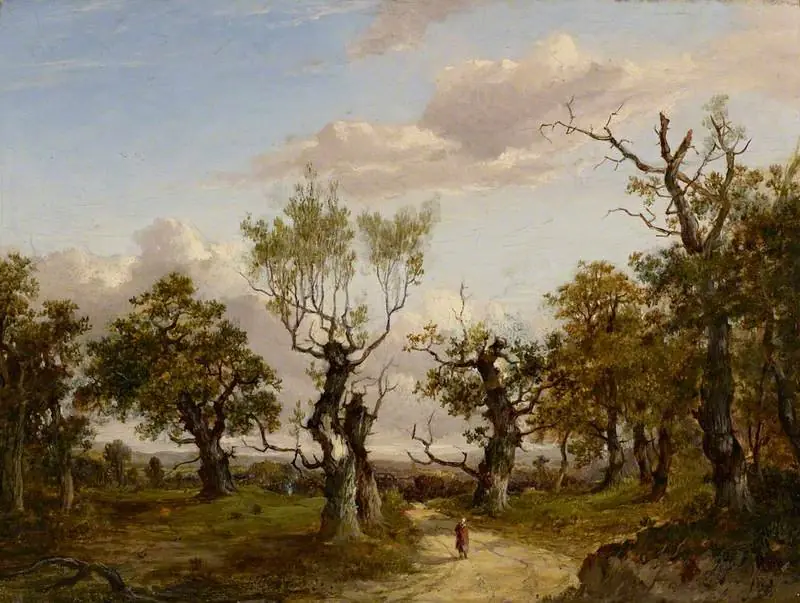
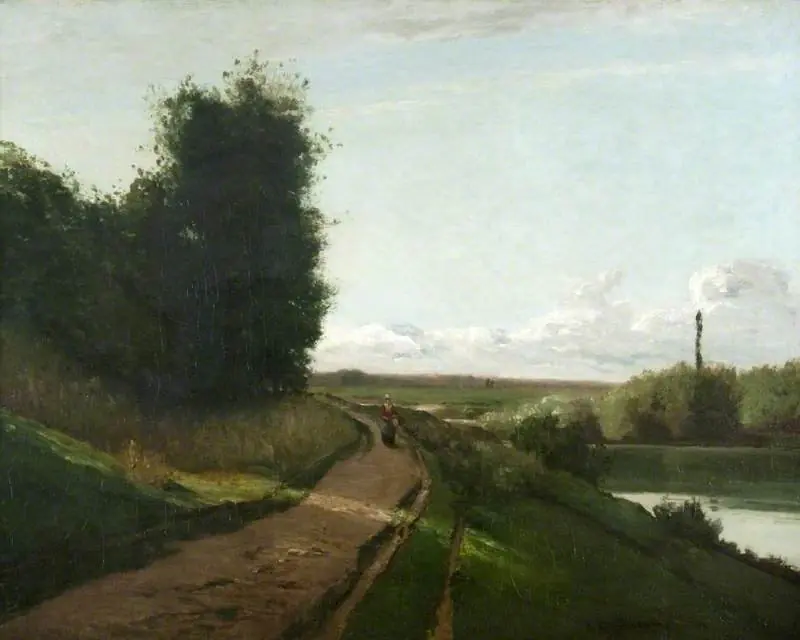
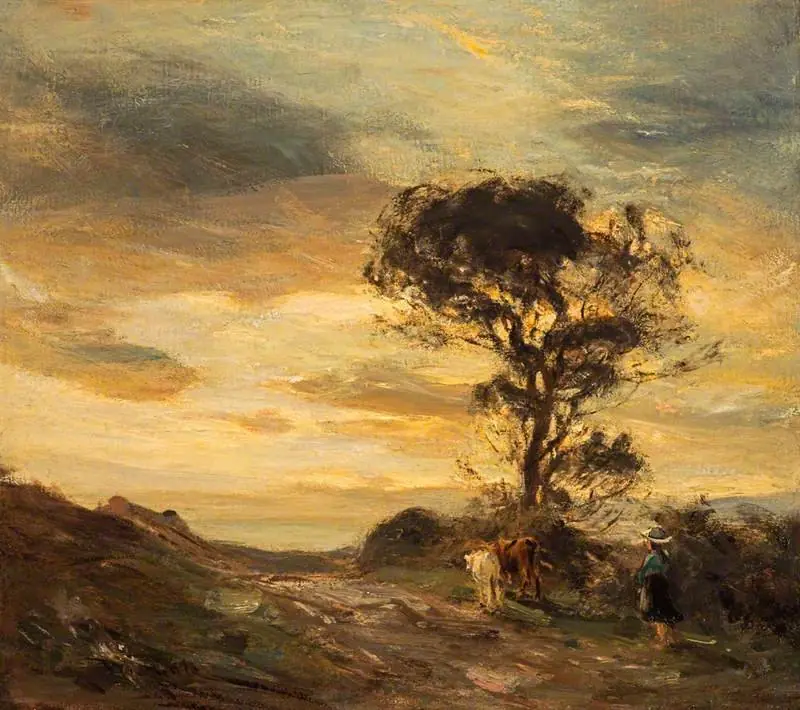
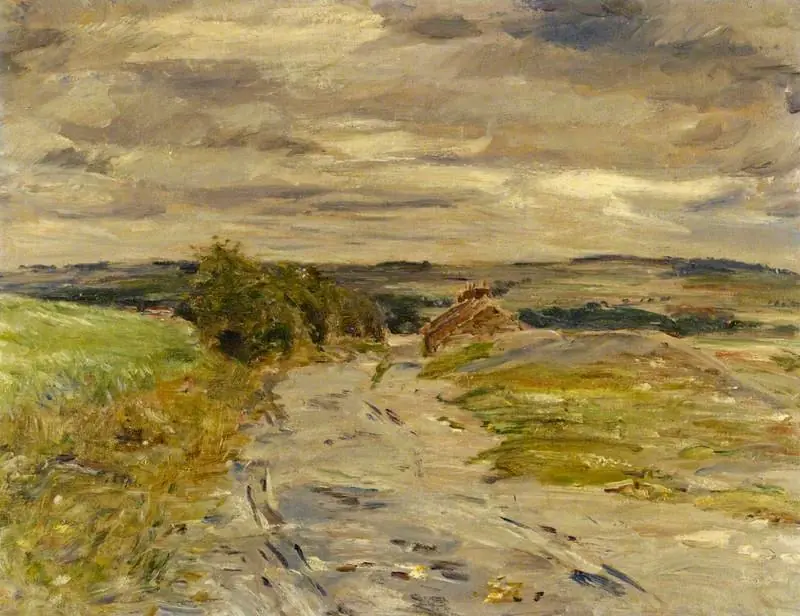
Scene on Otmoor is an oil painting by George Francis Carline. It dates from 1912 and is held in the collection of the Ashmolean Museum.
About this work
Overview
Painted in 1912, *Scene on Otmoor* is an oil-on-canvas landscape by George Francis Carline, a British artist known for both rural scenes and portraiture.
Painted in 1912, *Scene on Otmoor* is an oil-on-canvas landscape by George Francis Carline, a British artist known for both rural scenes and portraiture. The work reflects his engagement with the English countryside and his participation in established artistic circles, including exhibitions at the Royal Academy and the Royal Society of British Artists. It now resides in the Ashmolean Museum’s collection, where it contributes to the institution’s holdings of early 20th-century British landscape painting.
Subject & Meaning
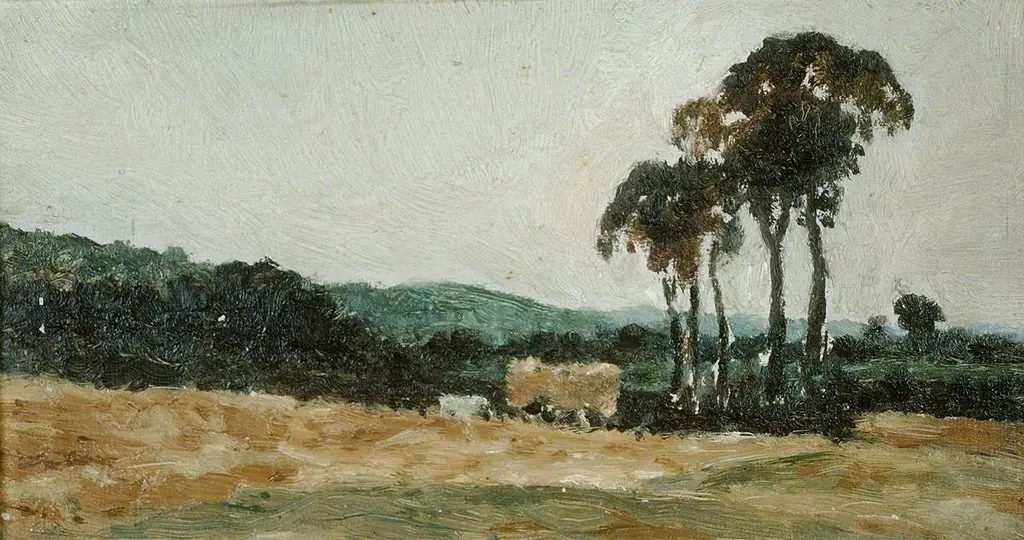
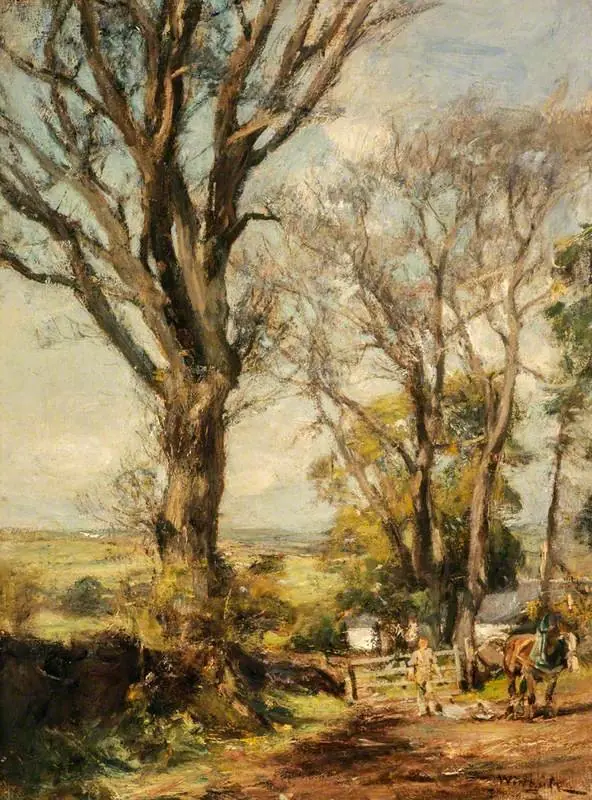
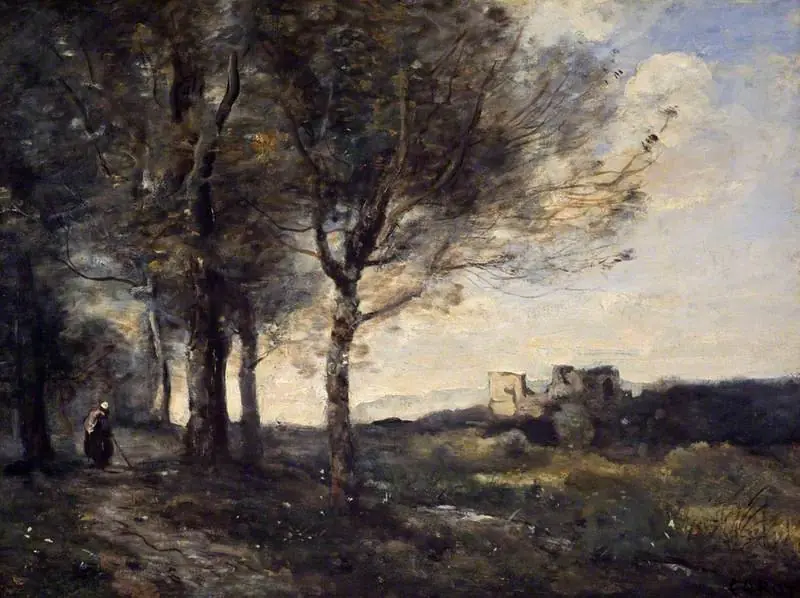
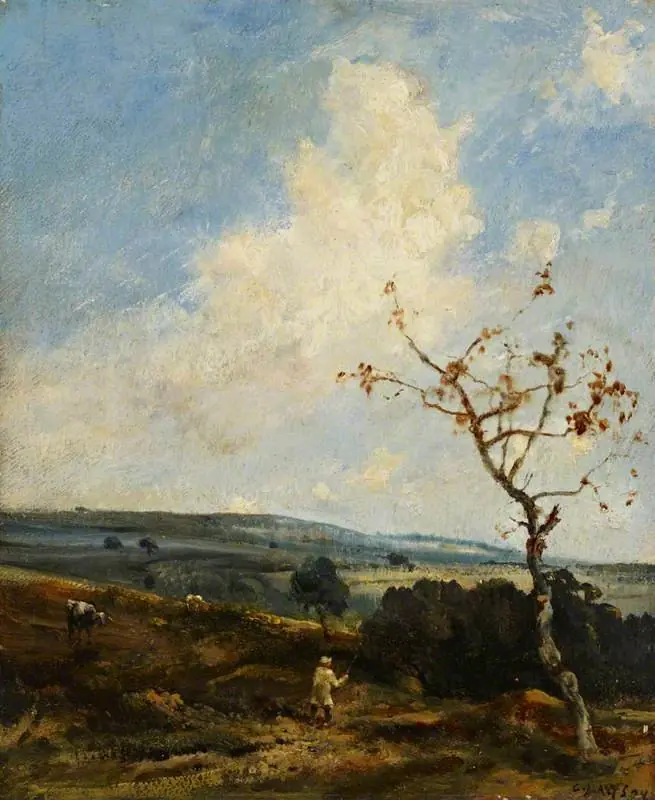
The painting presents a quiet rural path winding through Otmoor, a low-lying area in Oxfordshire. Flanked by dense foliage and distant buildings, the scene evokes a sense of stillness and isolation. There is no human presence, and the absence of narrative focus invites contemplation rather than storytelling. The composition suggests a meditation on the quiet rhythms of the natural world, characteristic of Carline’s interest in unidealized English landscapes.
Technique & Style
Carline employed a restrained palette of greens, browns, and soft grays to convey the muted tones of the English countryside. Brushwork is subtle and blended, with careful attention to the play of light filtering through trees. Dappled shadows along the path create a sense of depth and atmosphere, while the receding horizon and sparse architectural elements enhance spatial recession without overt perspective manipulation.
History & Provenance
Created in 1912, the painting remained within the artist’s circle before entering the Ashmolean Museum’s collection. Carline, a regular exhibitor at major British institutions, was not widely celebrated in his lifetime, and his works were often acquired by regional collectors or museums. The Ashmolean’s acquisition reflects its long-standing interest in documenting the regional artistic output of Oxfordshire and its surrounding areas.
Context
In the early 20th century, British landscape painting shifted away from romanticized views toward quieter, more observational depictions of rural life. Carline’s work aligns with this trend, echoing the sensibilities of the New English Art Club and the Camden Town Group, though without their modernist edge. His focus on Otmoor—a lesser-known locale—highlights a broader interest in unglamorous, everyday scenery during a period of rapid industrial change.
Legacy
George Francis Carline’s legacy is partly defined by his artistic family: his children Sydney, Hilda, and Richard all became painters, contributing to British modernism. While his own work remains relatively understudied, *Scene on Otmoor* endures as a quiet example of pre-war British landscape painting, valued for its restrained observation and emotional stillness rather than formal innovation.
Artist & collection
Artist
George Francis Carline (11 July 1855 – 28 November 1920) was an oil and watercolour painter of landscapes and portraits.