Artwork
Culesul viei
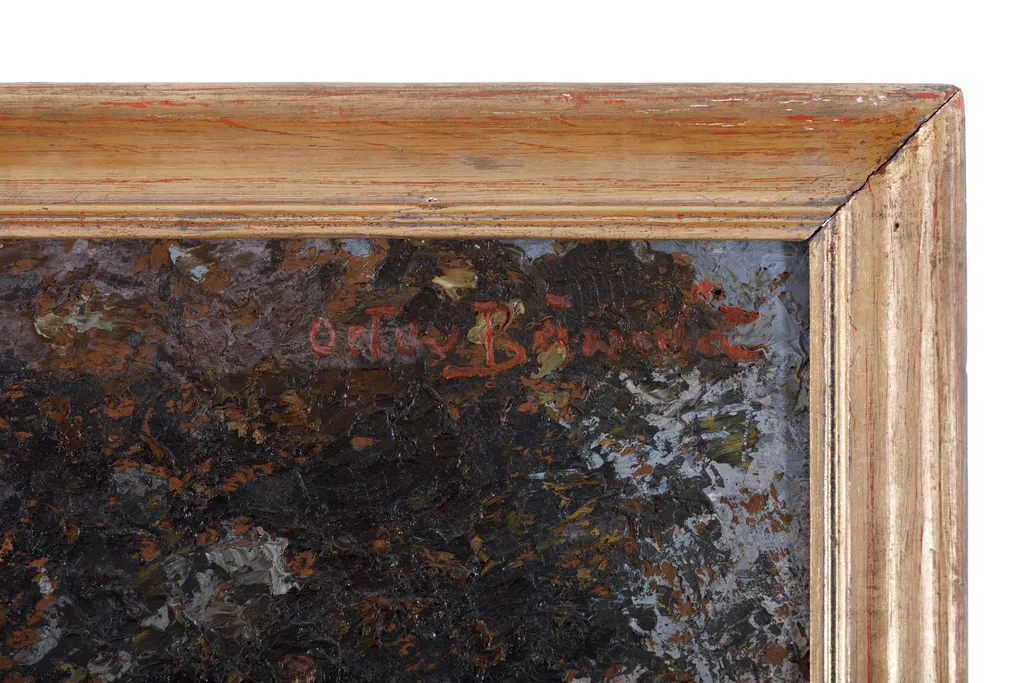
Culesul viei is a print by Octav Băncilă. It dates from 1850 and is held in the collection of the Moldova National Museum Complex.
About this work
Overview
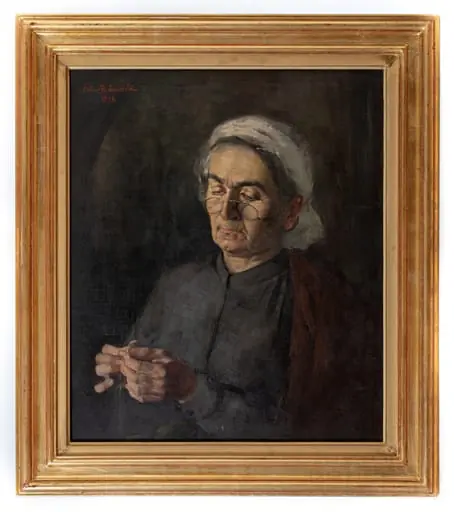
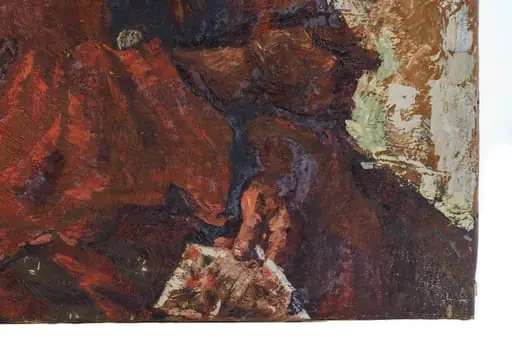
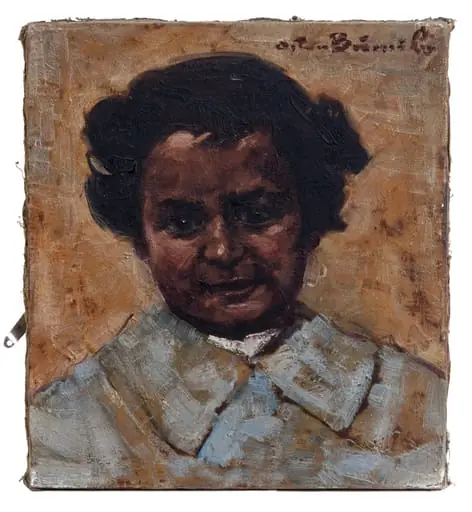
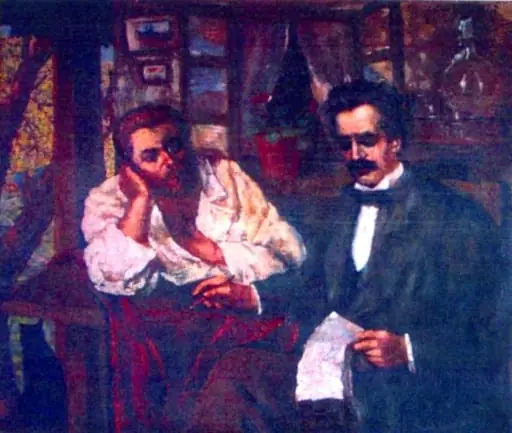
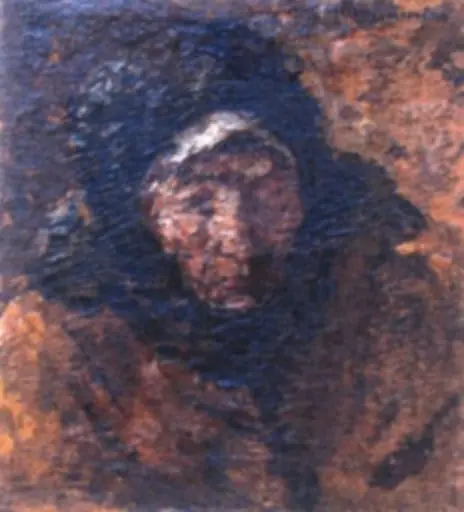
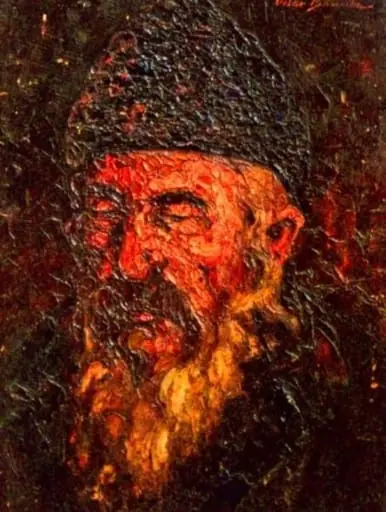
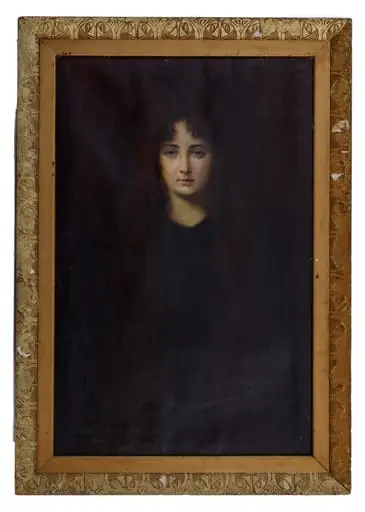
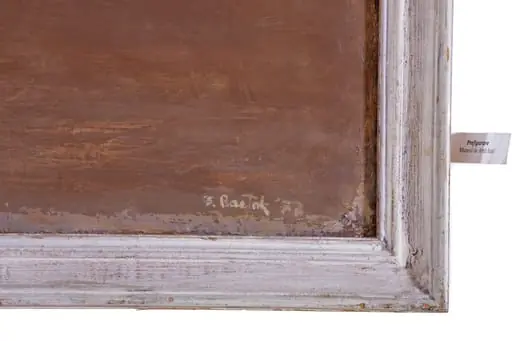
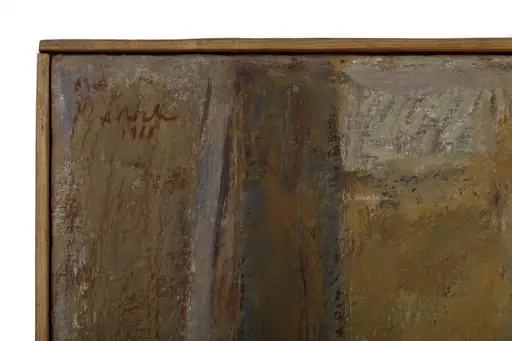
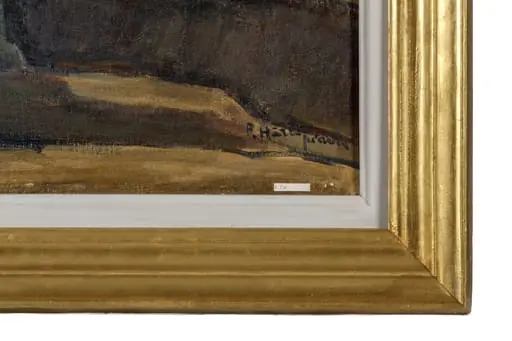
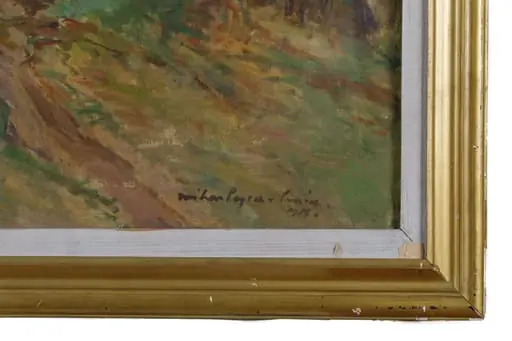
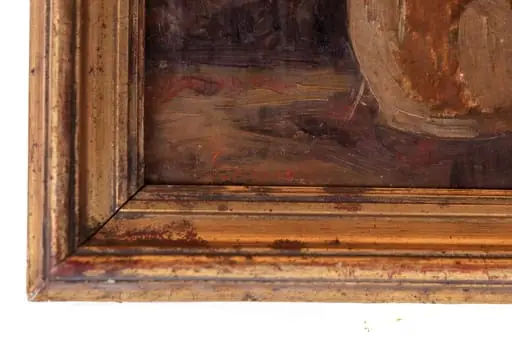
Culesul viei is a painting by Romanian artist Octav Băncilă, dated to around 1850. Characterized by prominent textural elements and a predominantly dark color palette, the work is framed in lightly worn, light wood.
Subject & Meaning
The title, *Culesul viei* (translating to 'Harvesting Life' in Romanian), suggests a thematic focus, though the close-up view provided limits comprehensive interpretation of the subject matter. The presence of red splashes amidst the somber tones may imply symbolic or narrative depth.
Technique & Style
The painting exhibits rough, uneven brushstrokes and thick, textured paint, indicating an emphasis on expressive brushwork. The color scheme is predominantly dark, featuring blacks, browns, and greens, contrasted with selective use of white and red.
History & Provenance
Created circa 1850 by Octav Băncilă, specific details regarding the painting's history, ownership, or exhibition record are not provided in the available information.
Context
Within the context of mid-19th-century Romanian art, *Culesul viei* reflects Băncilă's contribution to the period's artistic landscape. However, without broader contextual details, its precise stylistic or thematic positioning among contemporaries remains unspecified.
Legacy
The legacy and impact of *Culesul viei* on subsequent artistic movements or its reception over time are not detailed in the provided information, limiting assessment of its enduring influence.
Artist & collection

Artist
Octav Băncilă was a Romanian realist painter and left-wing activist. He was the brother of Sofia Nădejde, a feminist journalist, and the brother-in-law of Ioan Nădejde.