Artwork
Portret
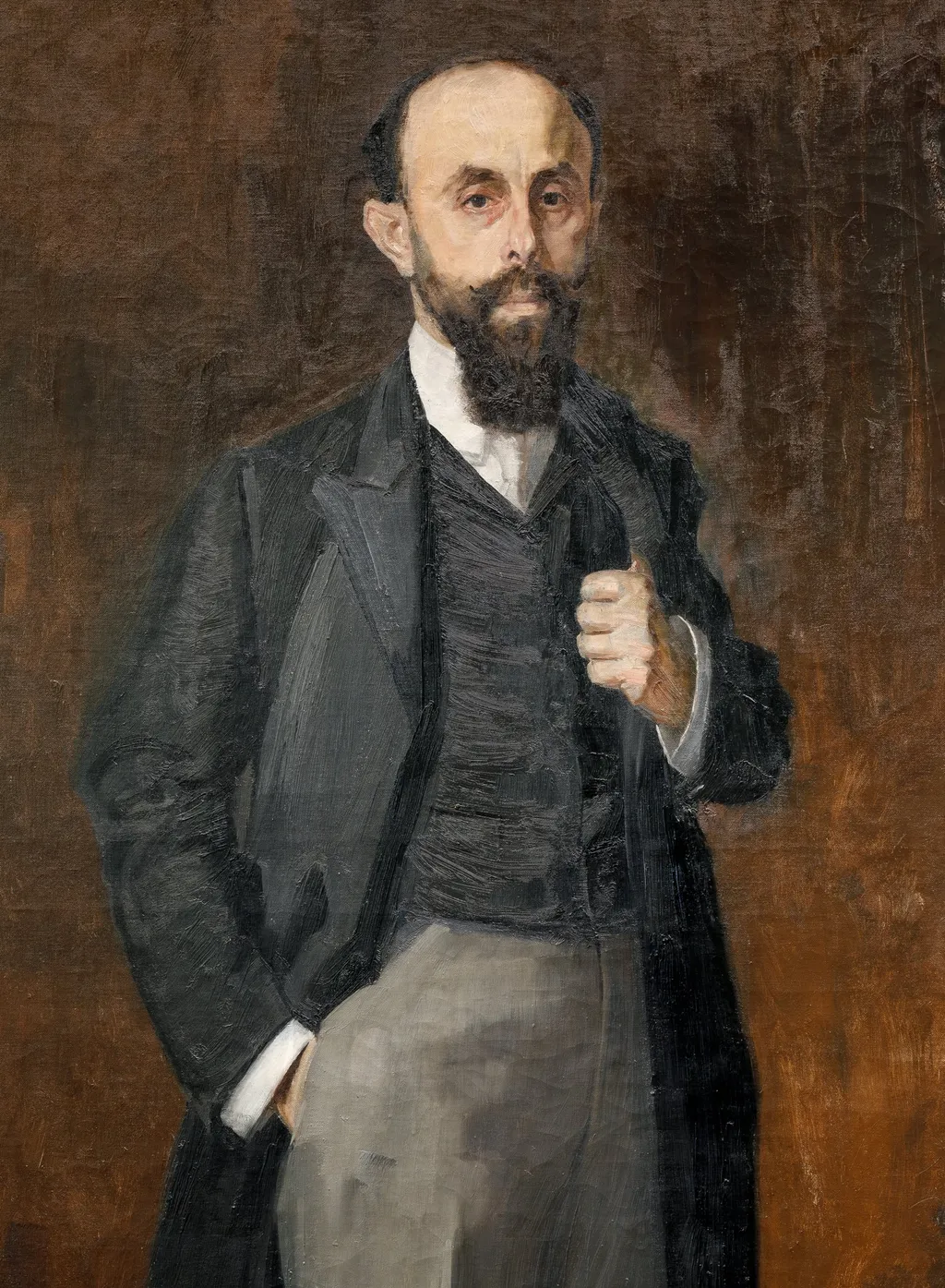
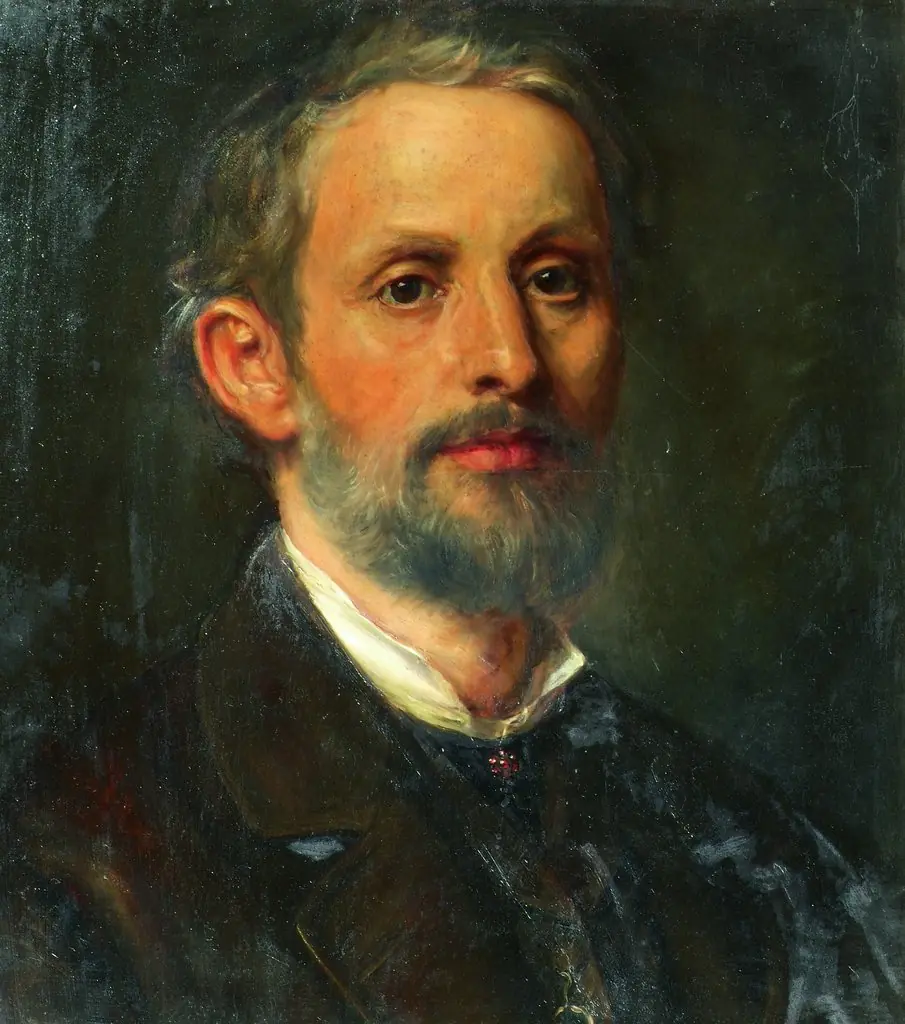
Portret is a print by Apcar Baltazar. It dates from 1894 and is held in the collection of the National Museum of Art of Romania.
About this work
Overview
Set against a muted brown background, the figure emerges through subtle contrasts of light and shadow, emphasizing volume without overt drama.
Portret, painted around 1894 by Apcar Baltazar, is a formal portrait depicting a man in dark, tailored attire. The subject’s posture—right fist clenched, left hand concealed in his pocket—conveys a restrained intensity. Set against a muted brown background, the figure emerges through subtle contrasts of light and shadow, emphasizing volume without overt drama. The composition avoids embellishment, focusing instead on the quiet presence of the sitter.
Subject & Meaning
The identity of the sitter remains unconfirmed, but his formal clothing—black jacket, vest, and white shirt—suggests a professional or bourgeois status. His expression is unreadable, neither welcoming nor hostile, inviting interpretation without resolution. The clenched fist and tucked hand imply inner tension or self-control, a psychological nuance common in late 19th-century portraiture that prioritizes introspection over spectacle.
Technique & Style
Baltazar employs chiaroscuro to model the figure with quiet precision, using soft gradations to define the contours of the face and hands. The brushwork is restrained, avoiding visible strokes in favor of smooth transitions. The warm brown background lacks detail, ensuring focus remains on the subject’s form. This approach reflects an academic tradition that values tonal harmony over decorative flourish.
History & Provenance
The painting’s early ownership history is undocumented, and it has not been widely exhibited. It remains within private collections or institutional archives with limited public access. As one of few surviving works by Baltazar, it holds significance as a rare example of Romanian portraiture from the late Ottoman period, though its exact origin and commission context are unclear.
Context
Created in the final years of the 19th century, the portrait reflects the influence of European academic realism on Romanian artists. Baltazar, trained in Paris, brought back techniques favored in salons, adapting them to local subjects. This work aligns with broader trends in Eastern Europe where portraiture served as both personal record and social statement, often emphasizing dignity and restraint.
Legacy
Apcar Baltazar’s oeuvre is sparse, and Portret stands as one of his most recognized works. It contributes to the understanding of Romanian visual culture during a period of modernization and cultural alignment with Western Europe. While not widely studied, the painting remains a quiet testament to the quiet dignity of everyday professional life in the late Ottoman-era Balkans.
Own this work as a print
Artist & collection
Artist


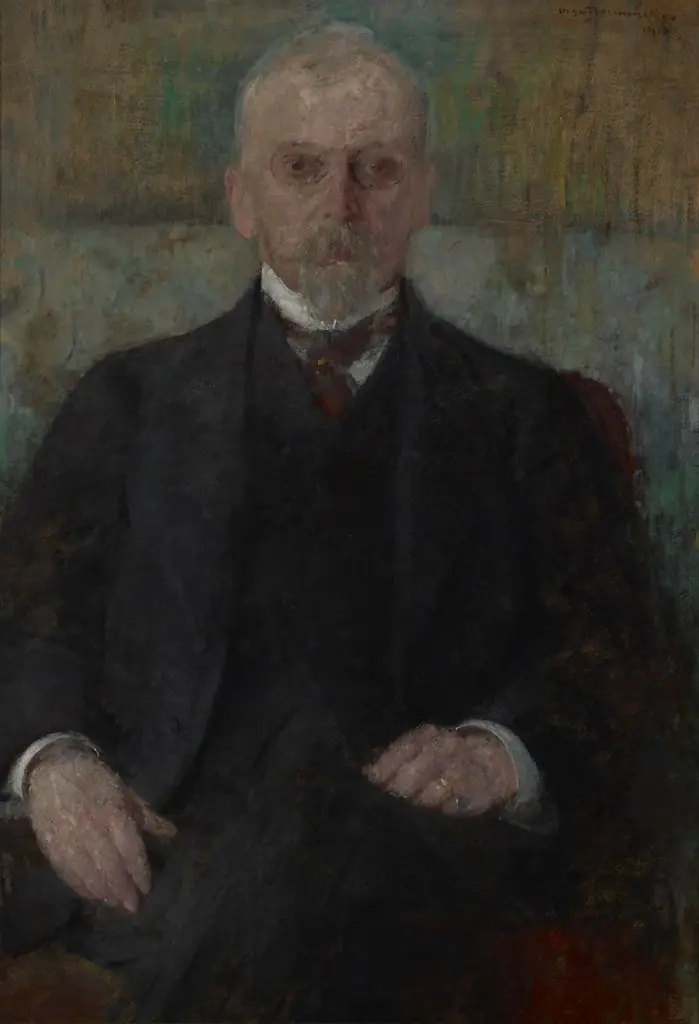 Portrait of Henryk Sienkiewicz
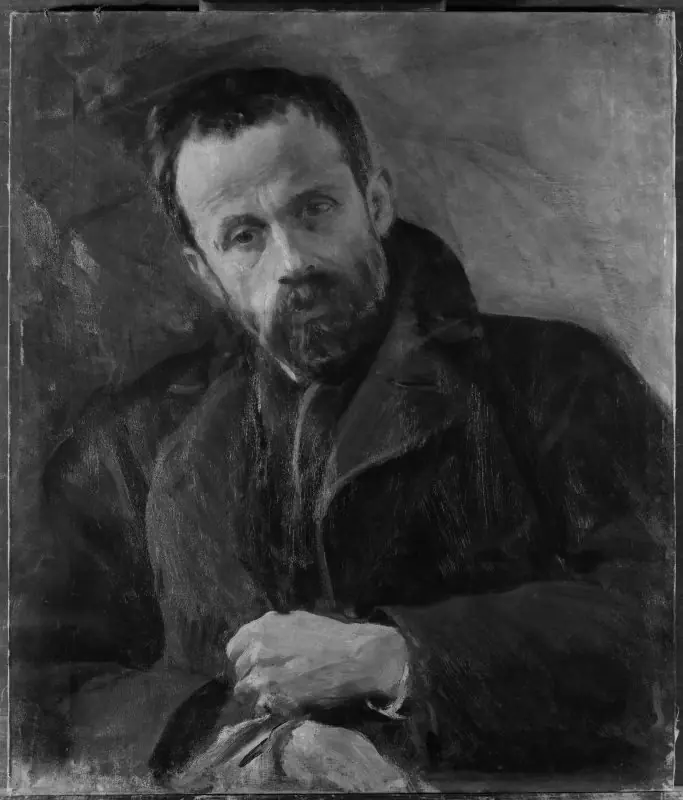 Portrait of Antoni Kurzawa, sculptor
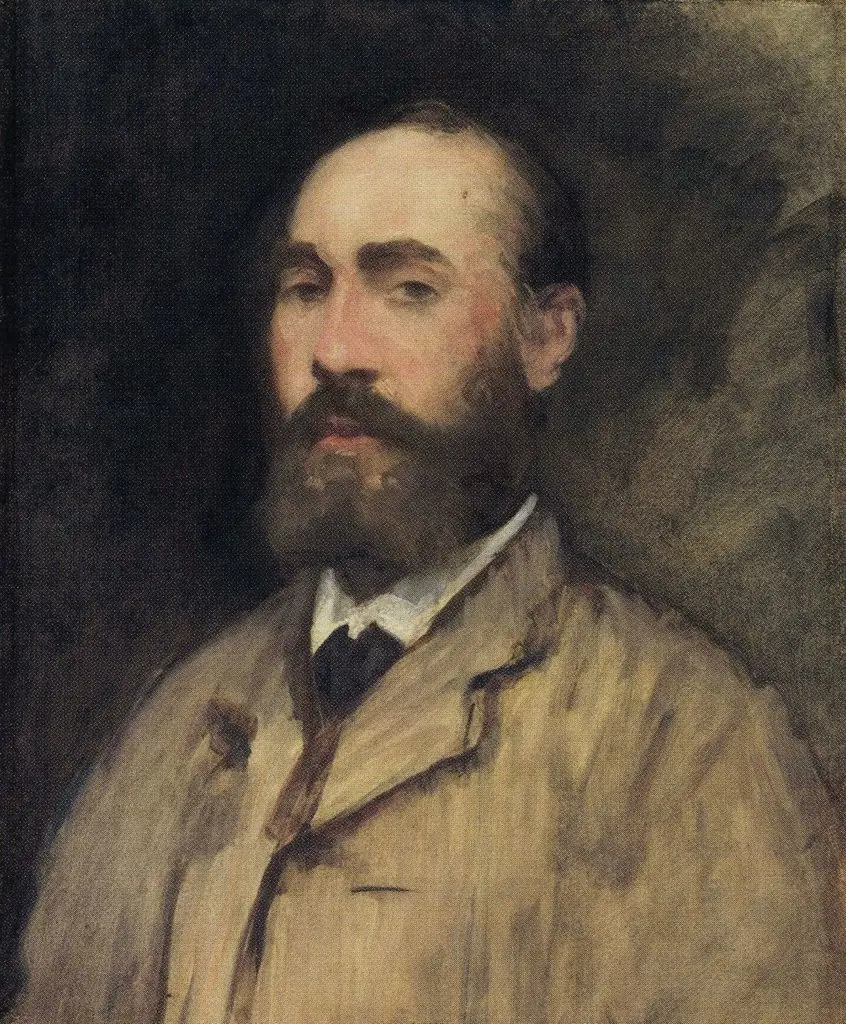 Jean-Baptiste Faure (1830–1914)
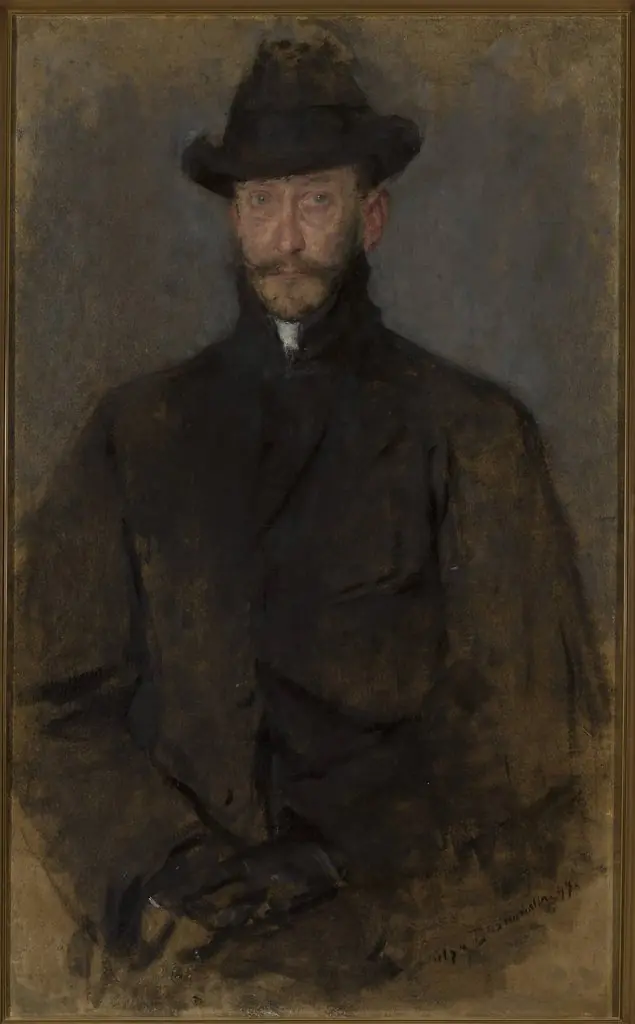 Portrait of Antoni Kamieński (1860/1861–1933), painter
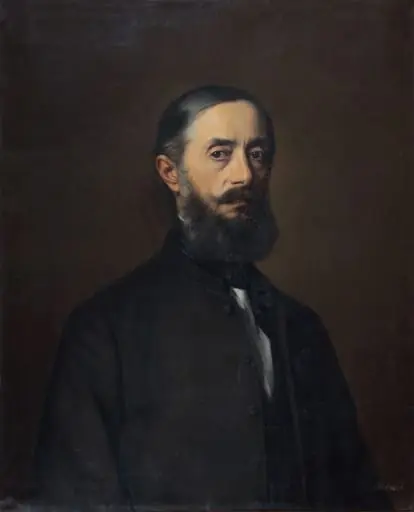 Autoportret
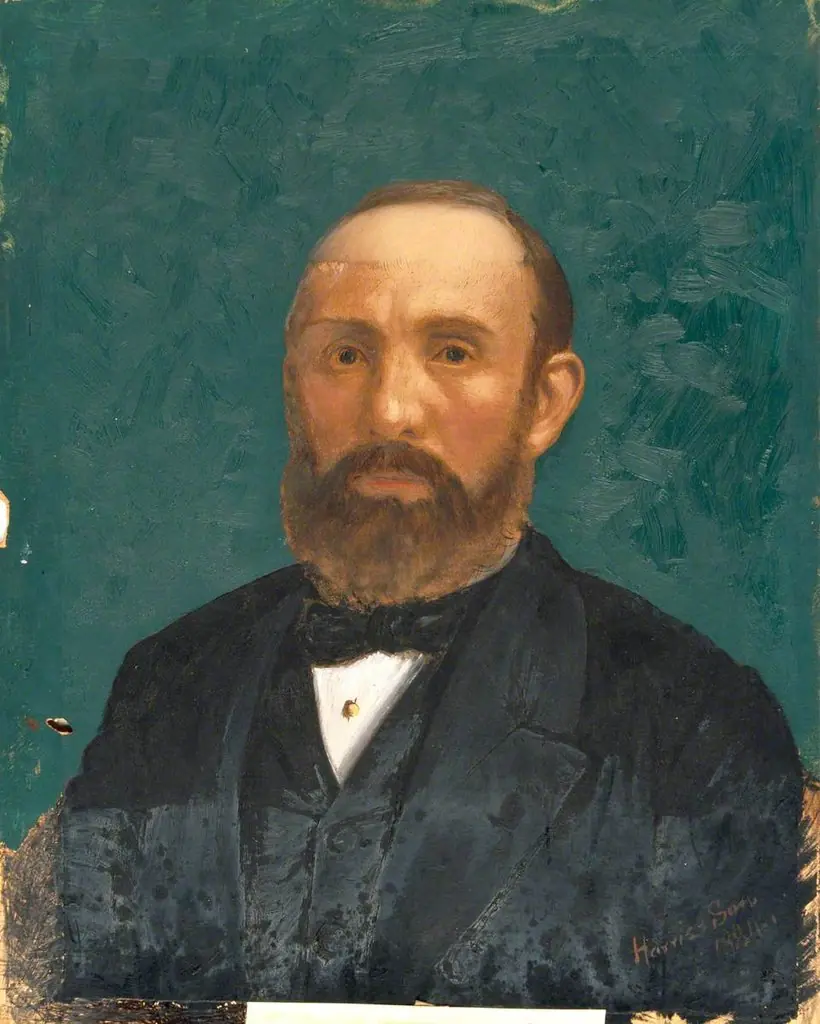 David William Jones
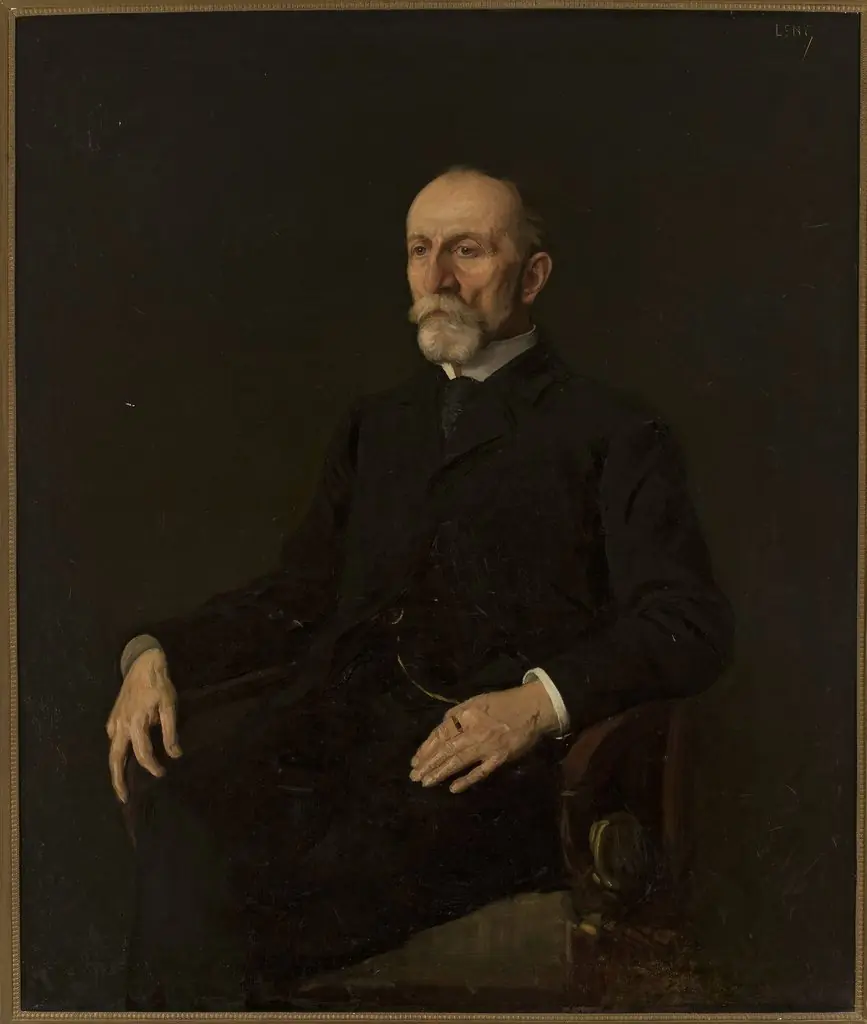 Portrait of Władysław Bogusławski
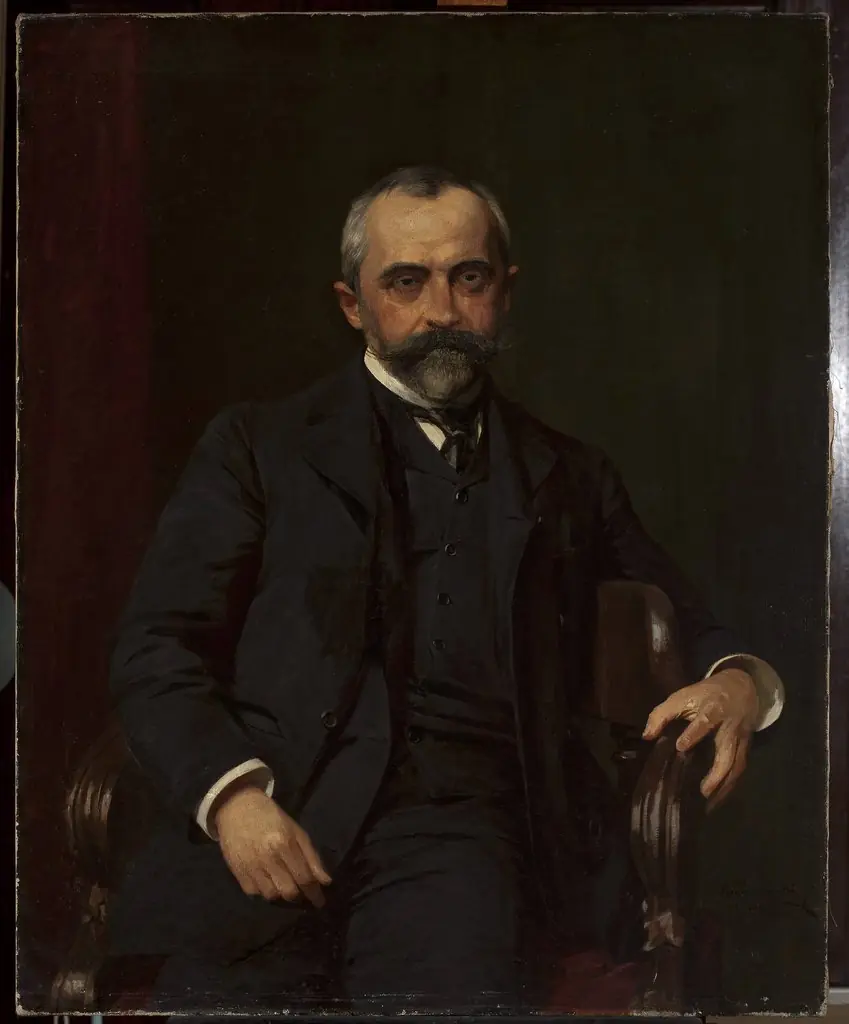 Portrait of Straszewski
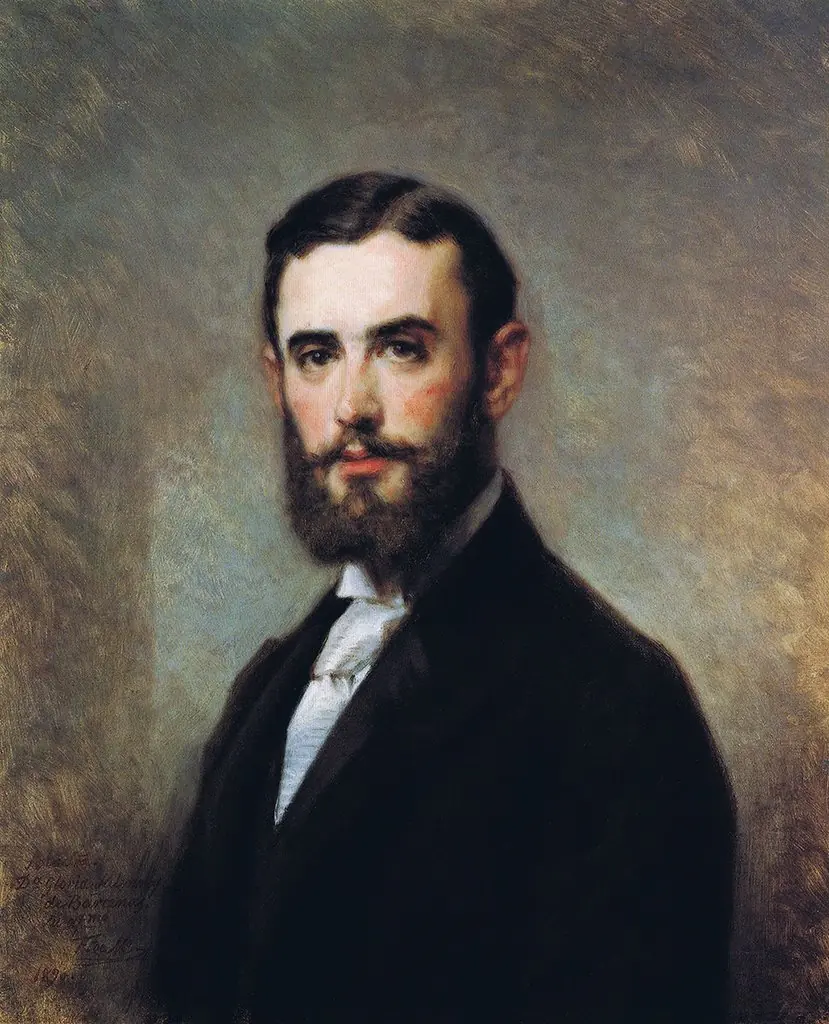 José de las Bárcenas y Bringas
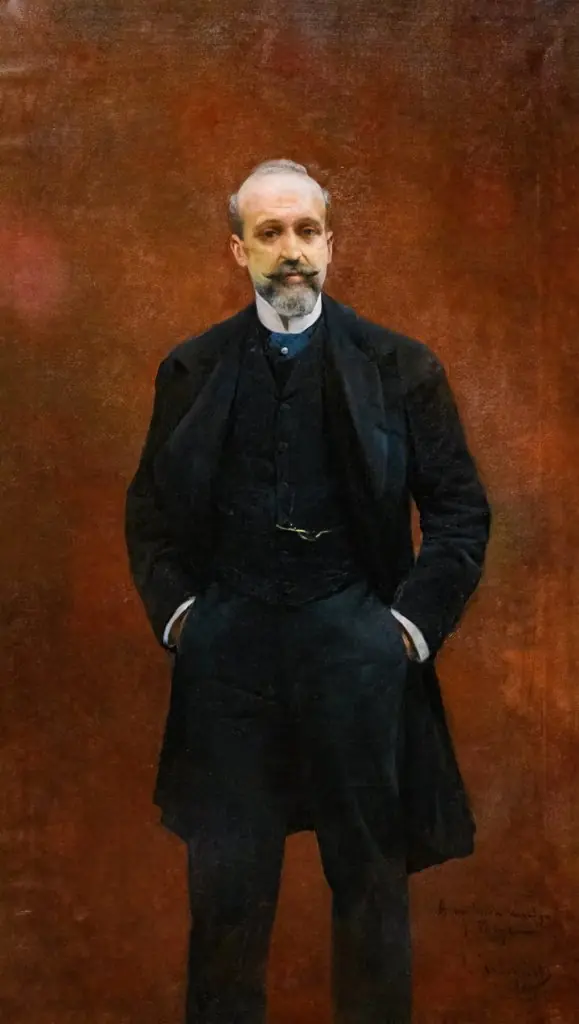 Portrait of Josep Puigcarbó
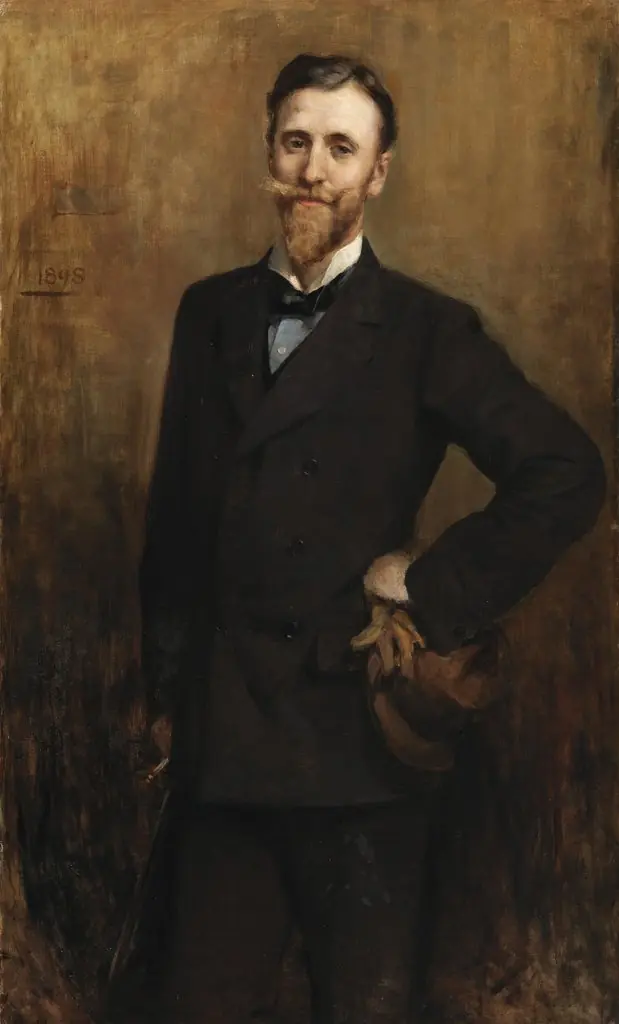 Portrait of T.P. Gill, Journalist, Secretary, Department of Agriculture and Technical Instruction
 Selbstbildnis