Artwork
Gravure en Maniere de Crayon: pl. VIII
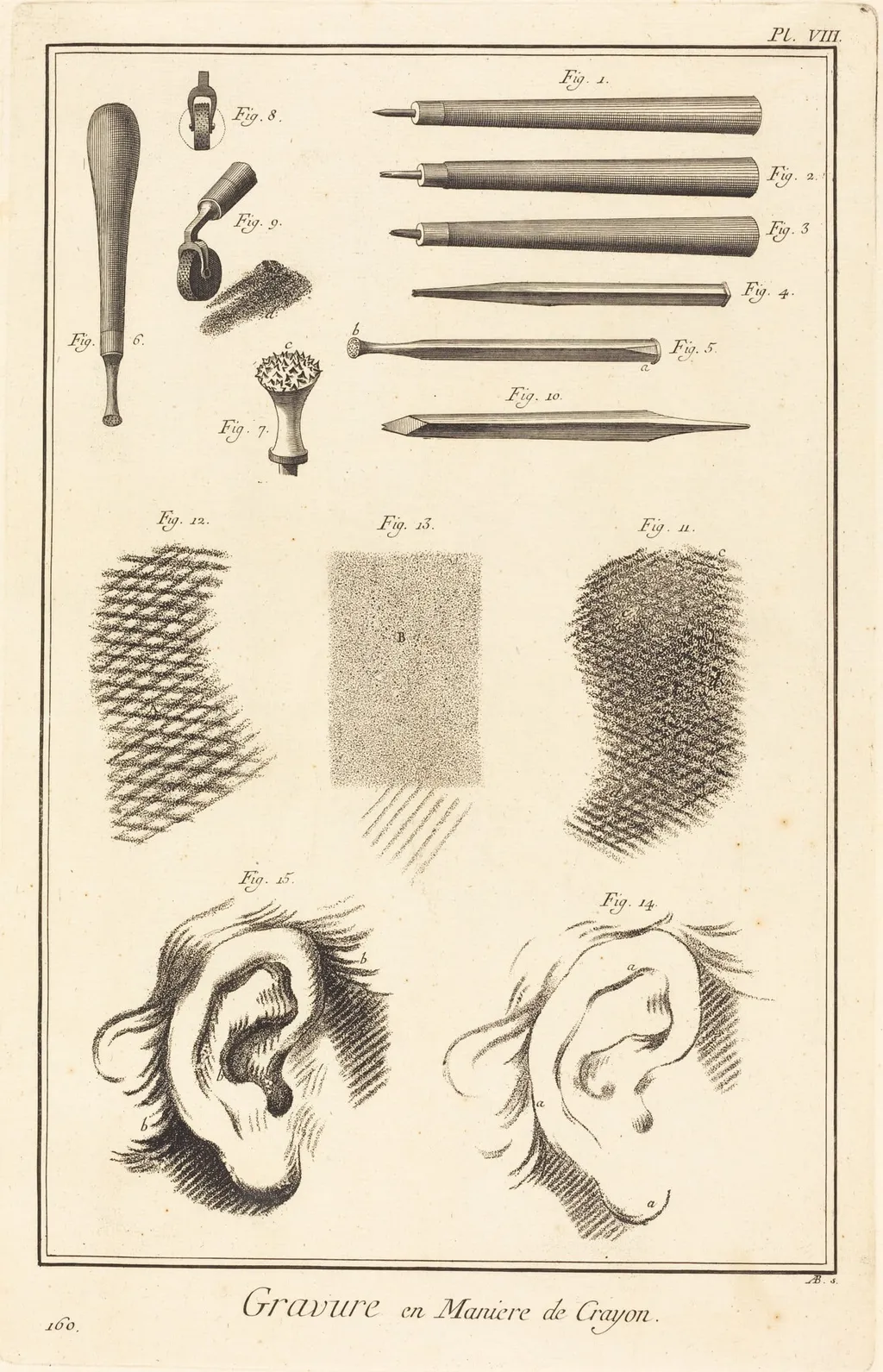
Gravure en Maniere de Crayon: pl. VIII is a crayon print by the Romanticist artist Antonio Baratta. It dates from 1775 and is held in the collection of the National Gallery of Art.
About this work
Overview
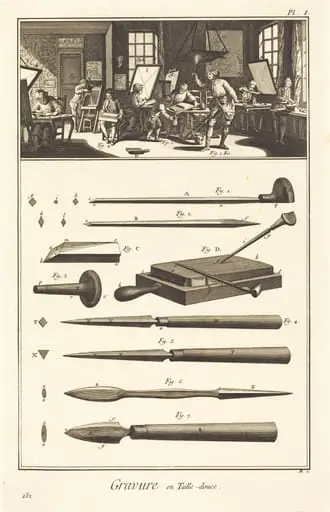
Antonio Baratta’s 1775 print, titled Gravure en Maniere de Crayon: pl. VIII, is an engraving executed on laid paper using both traditional engraving and a crayon‑manner technique. The work measures a modest size typical of instructional prints of the period and functions as a visual guide to drawing implements and shading methods.
Subject & Meaning
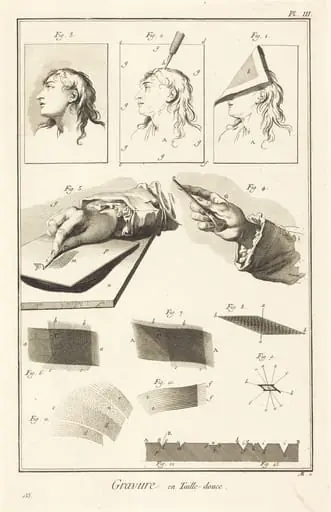
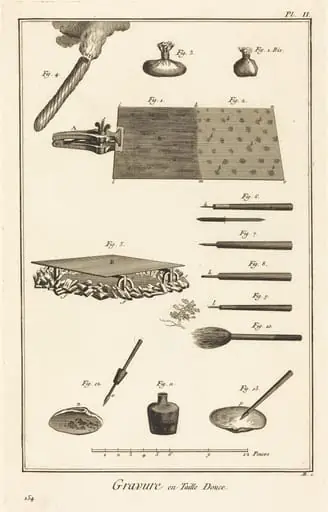
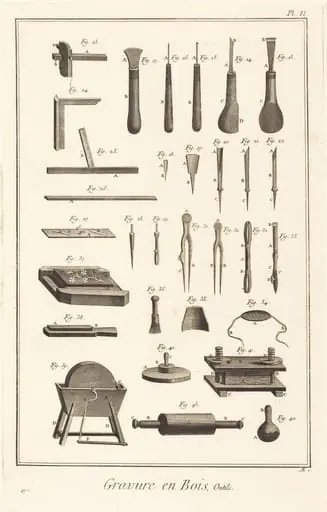
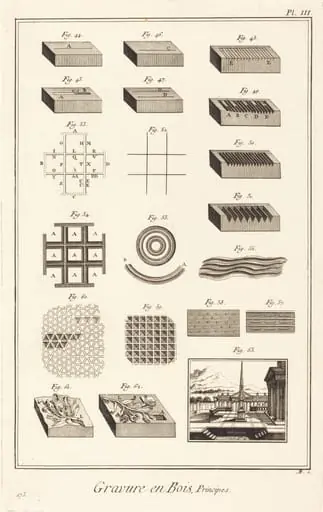
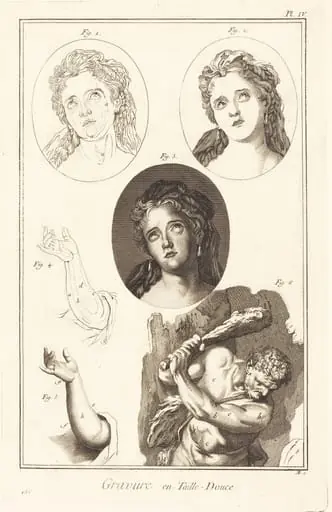
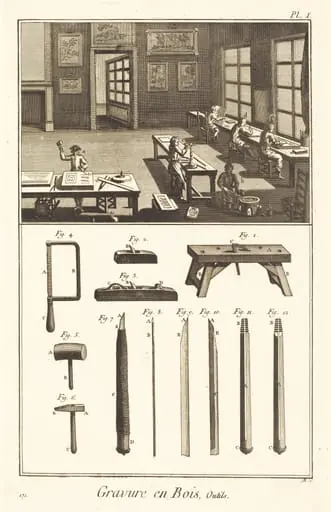
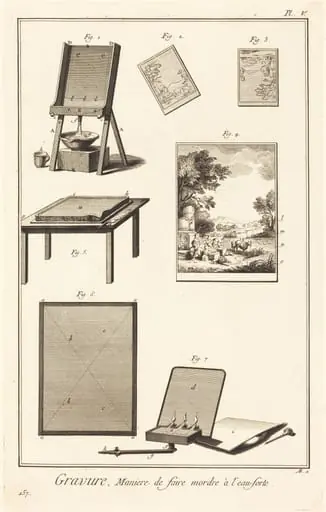
The composition arranges a variety of drawing tools—pens, brushes, and crayon‑like sticks—across the upper half of the sheet, while the lower portion presents miniature studies illustrating the application of cross‑hatching and other shading techniques. Together the elements serve an educational purpose, demonstrating how different implements produce distinct line qualities and surface textures.
Technique & Style
Baratta combines intaglio engraving with the crayon‑manner approach, a method that imitates the look of chalk or pastel drawing through fine, closely spaced lines. The print’s texture is achieved by layered cross‑hatching, allowing the artist to suggest both smooth gradients and rough surfaces within a single monochrome field.
History & Provenance
Created in 1775, the print belongs to a series intended for artists’ training manuals circulating in late‑eighteenth‑century Italy. It is documented in several catalogues of Baratta’s work and has appeared in collections of print dealers specializing in instructional art prints, though its exact ownership trail remains partially obscure.
Context
During the Enlightenment, the dissemination of practical drawing manuals grew, reflecting a broader interest in systematic artistic education. Baratta’s print aligns with this trend, offering a concise visual reference for apprentices and amateurs seeking to master line work and shading without direct access to a master’s studio.
Artist & collection