Artwork
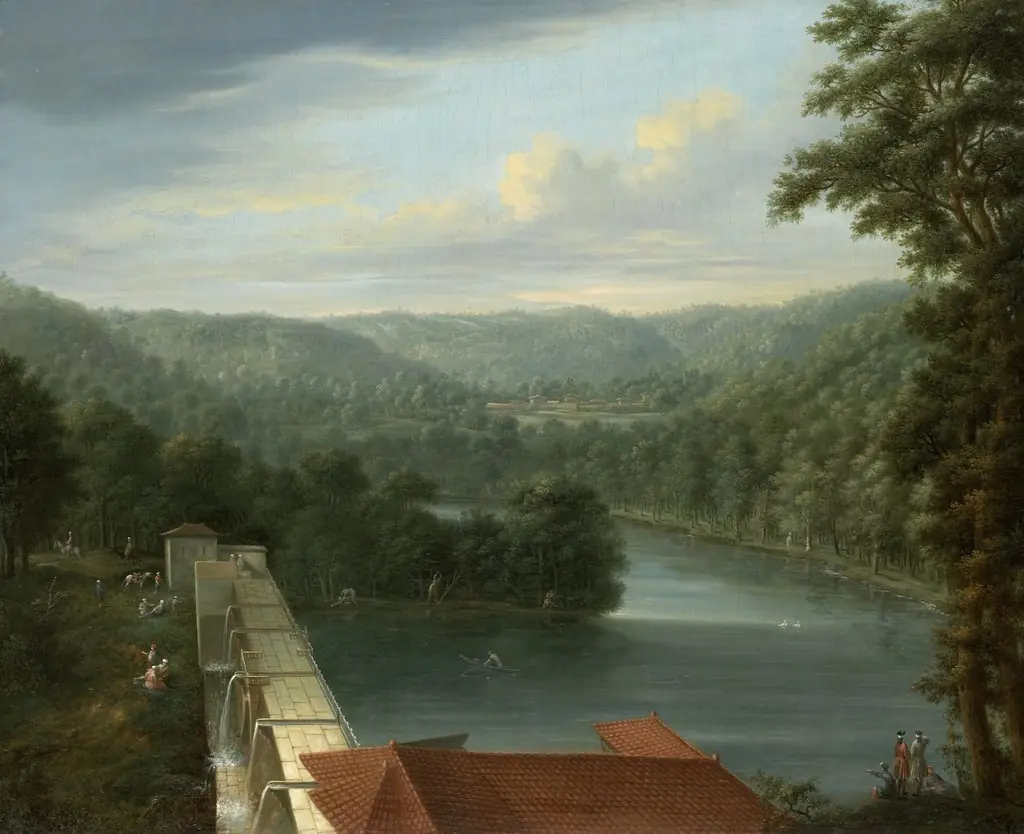
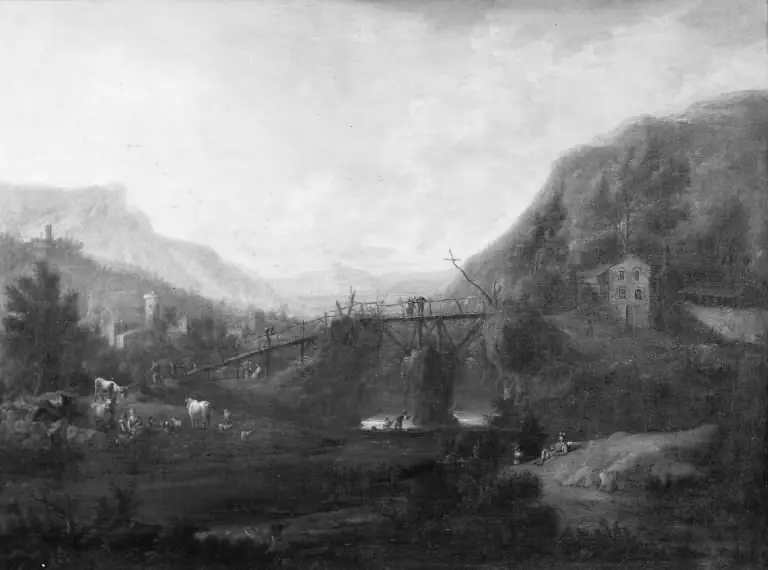
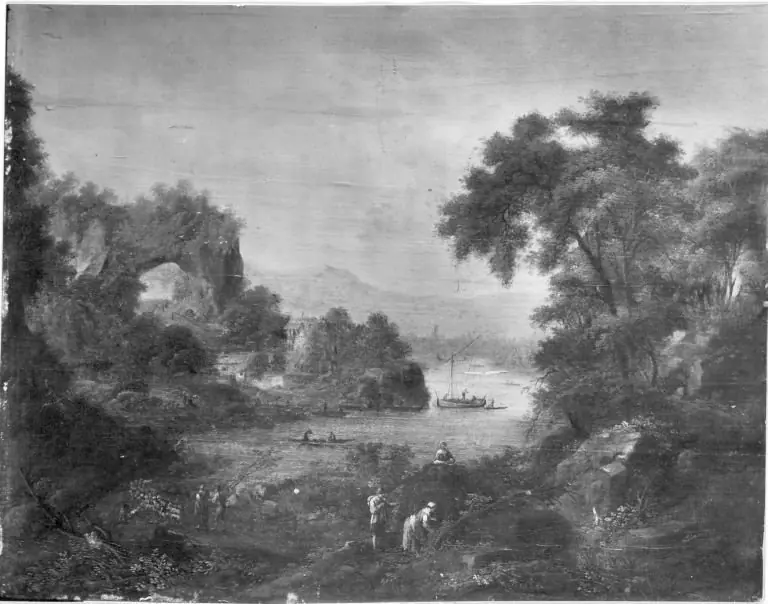
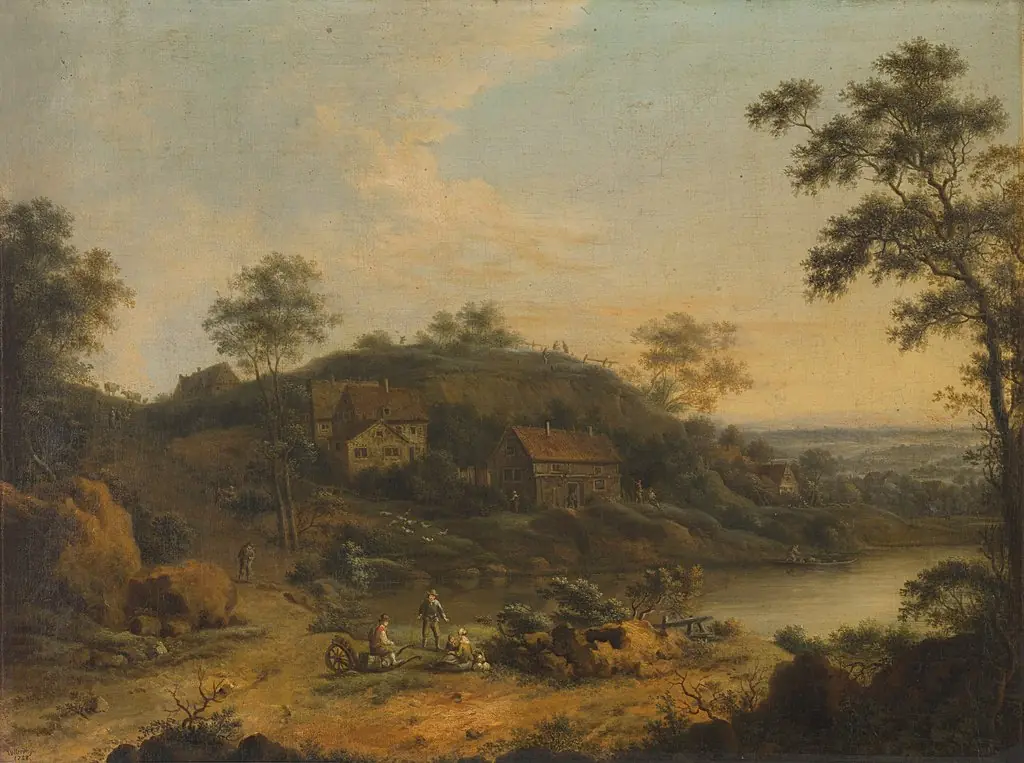
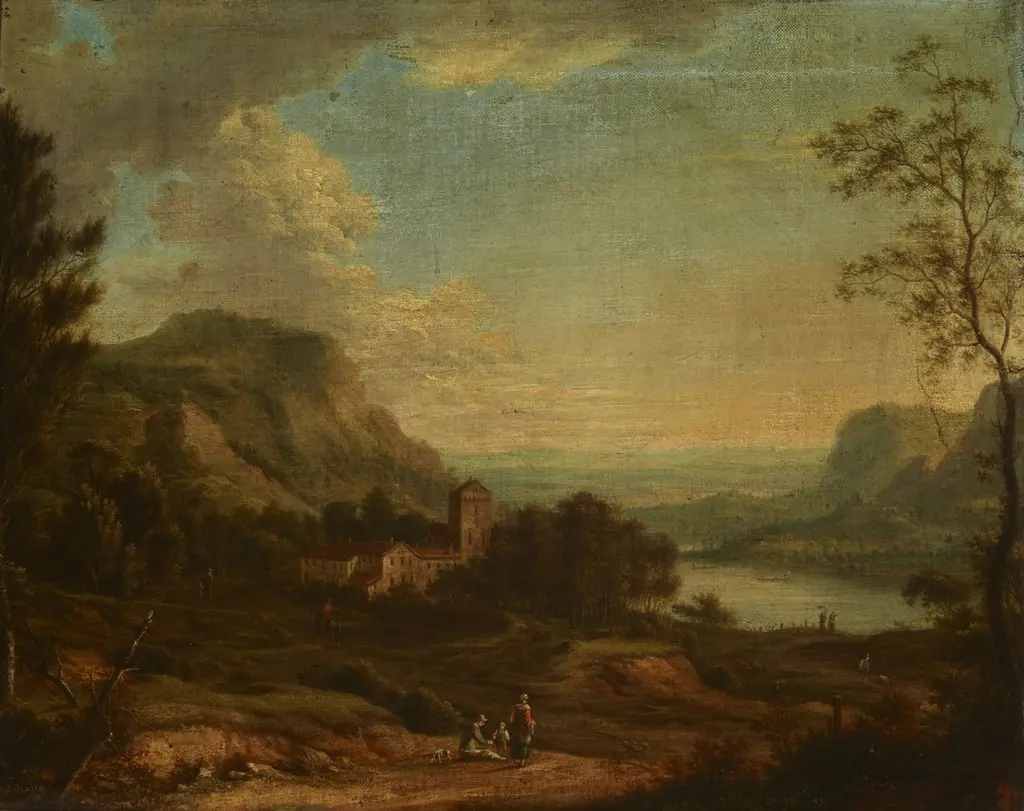
Mountain landscape with a lake and buildings
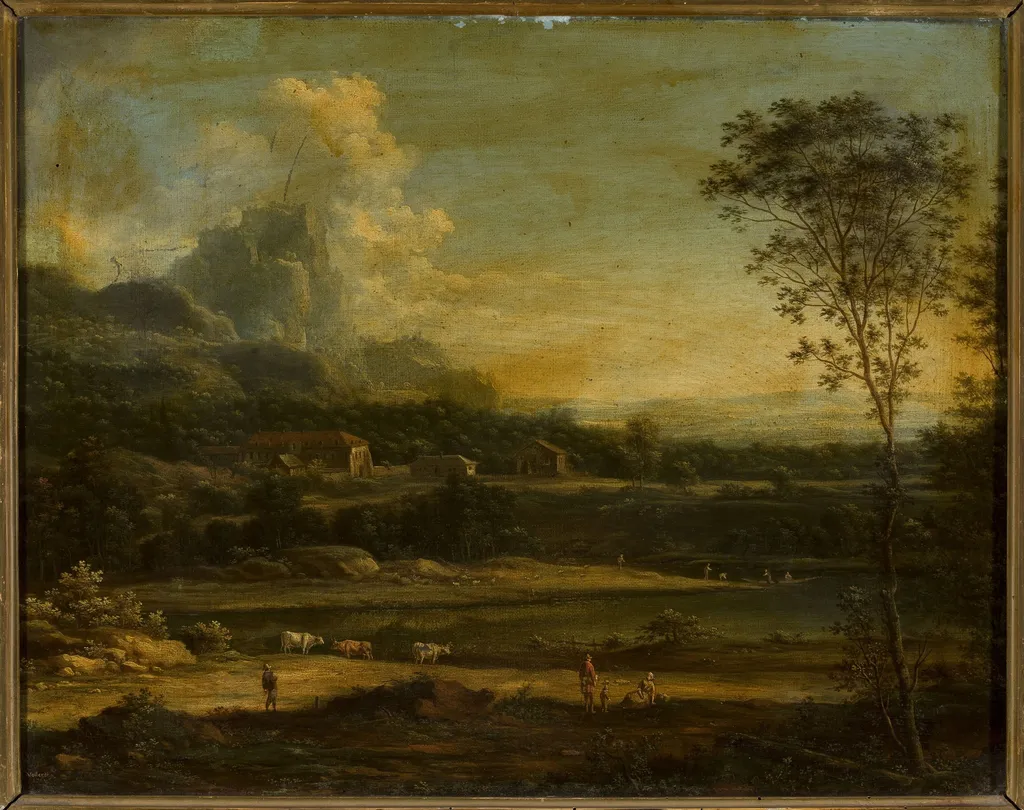
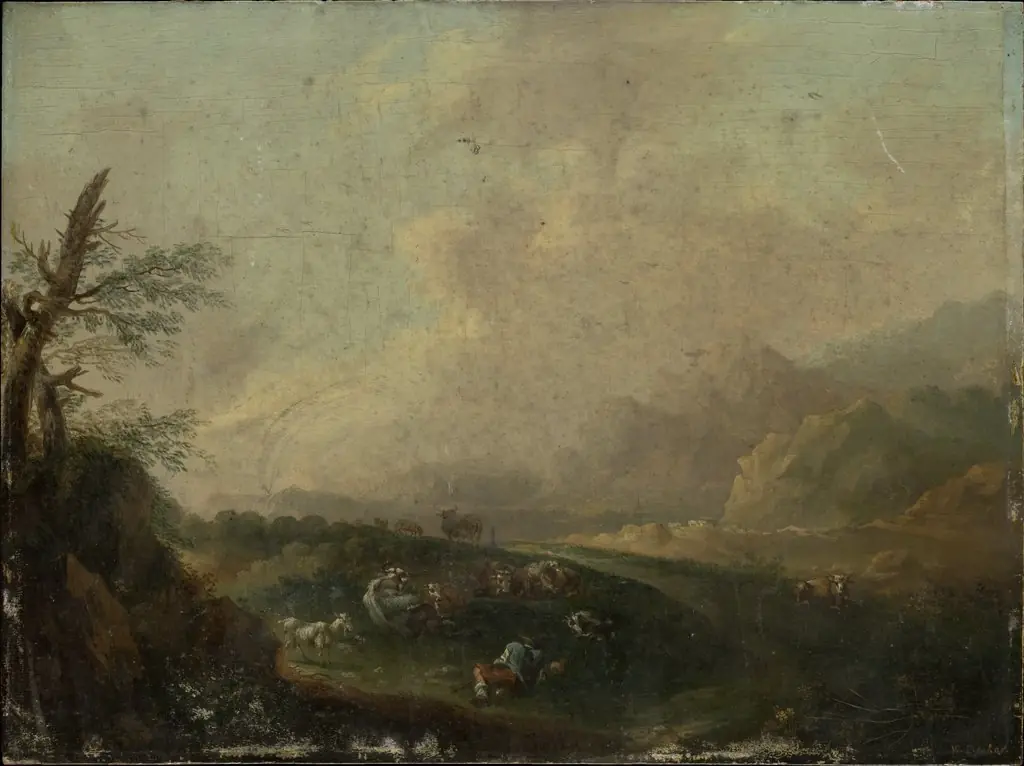
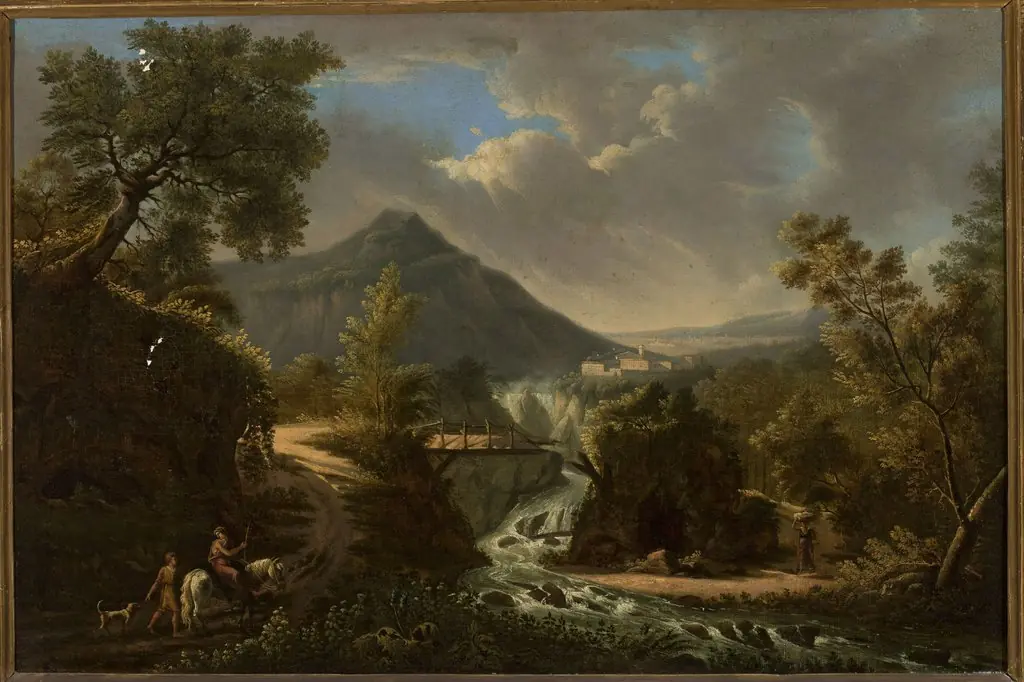
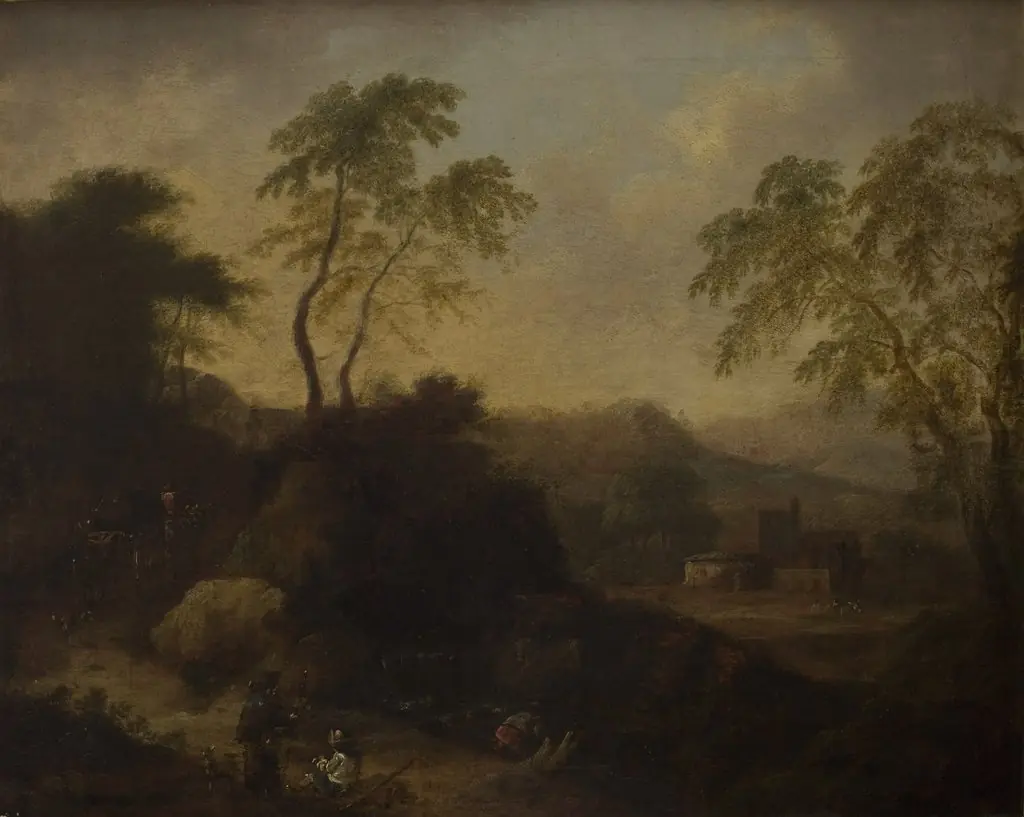
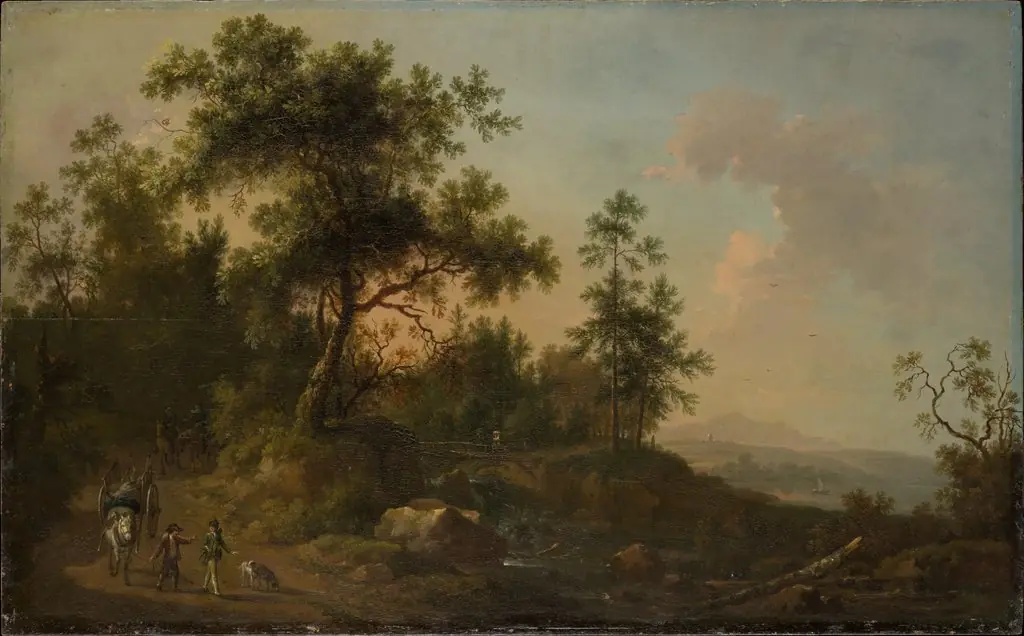
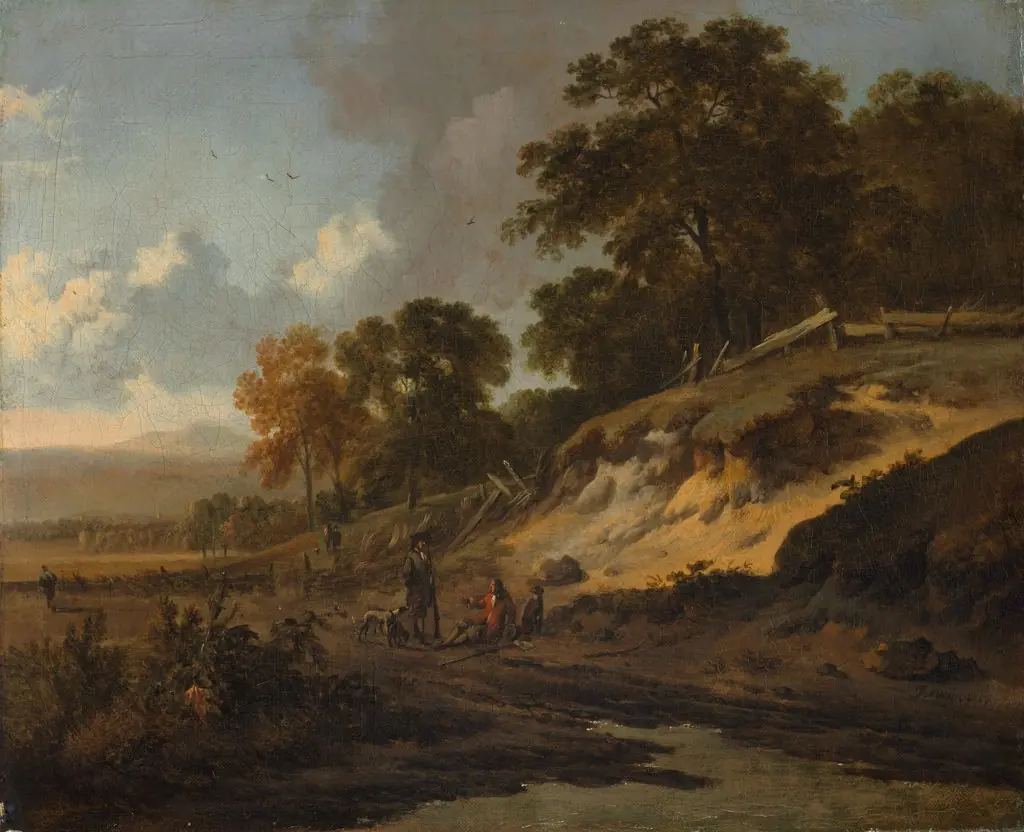
Mountain landscape with a lake and buildings is an oil painting by the Rococo painting artist Johann Christian Vollerdt. It dates from 1764 and is held in the collection of the National Museum in Warsaw.
About this work
Overview
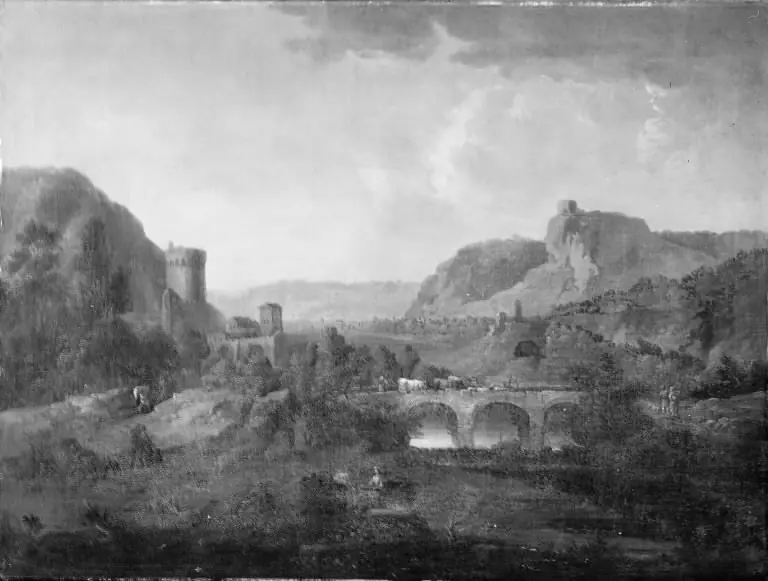
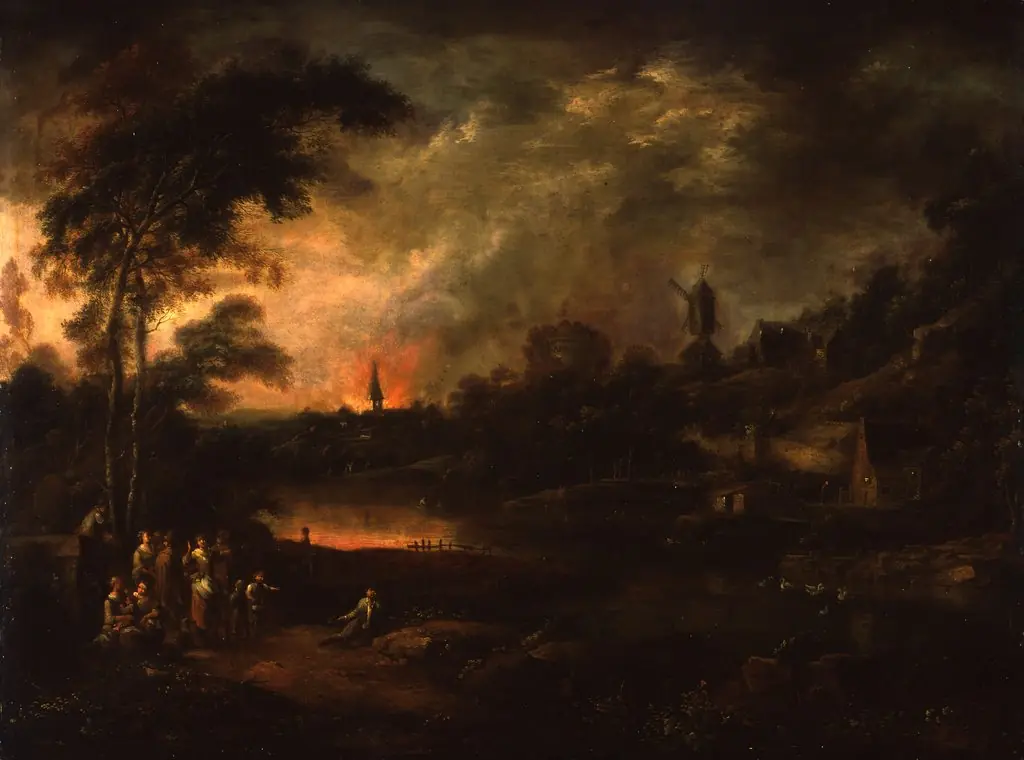
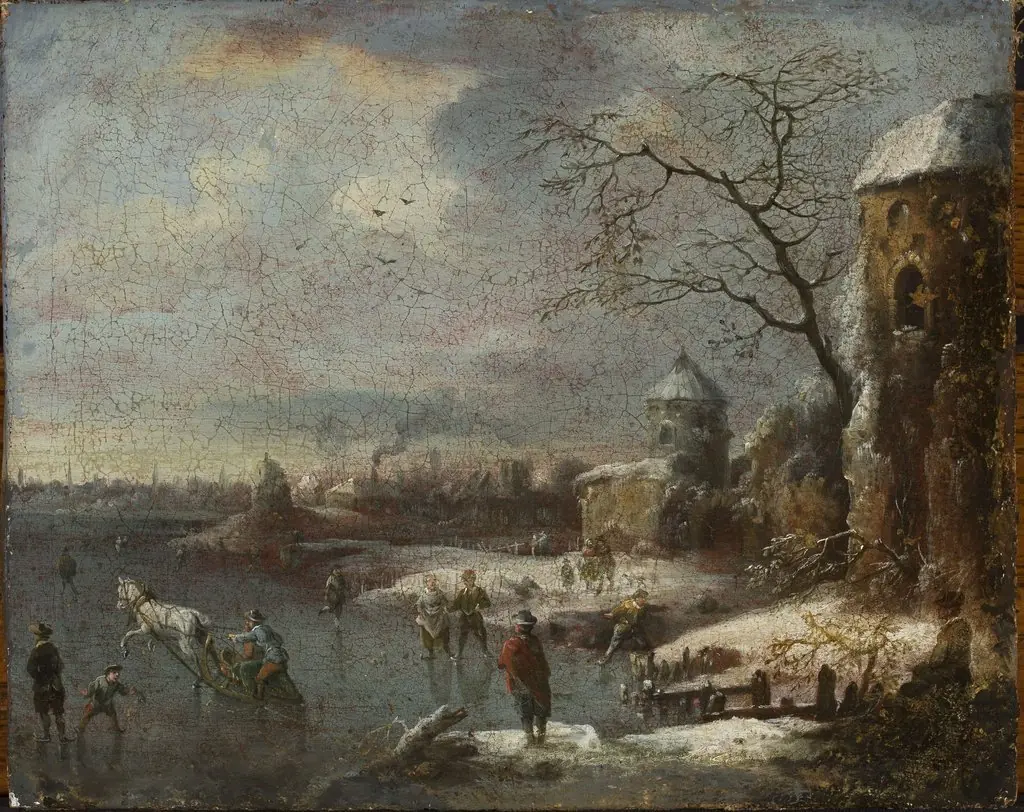
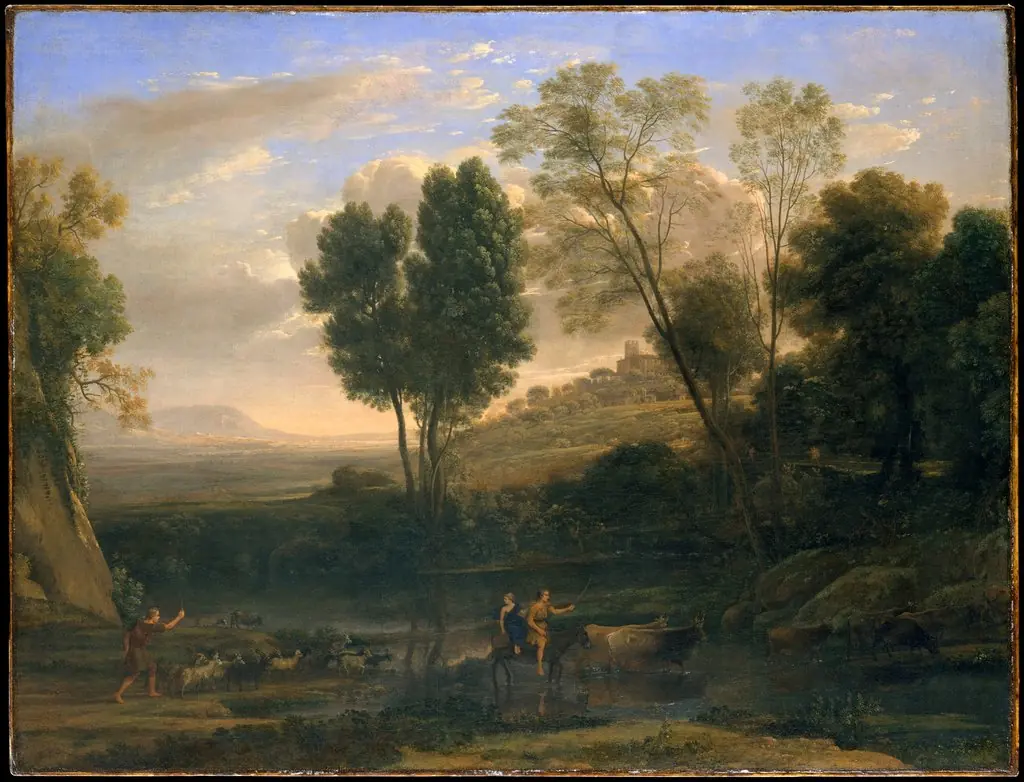
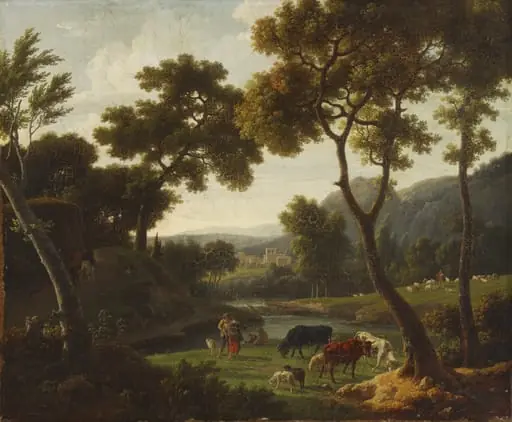
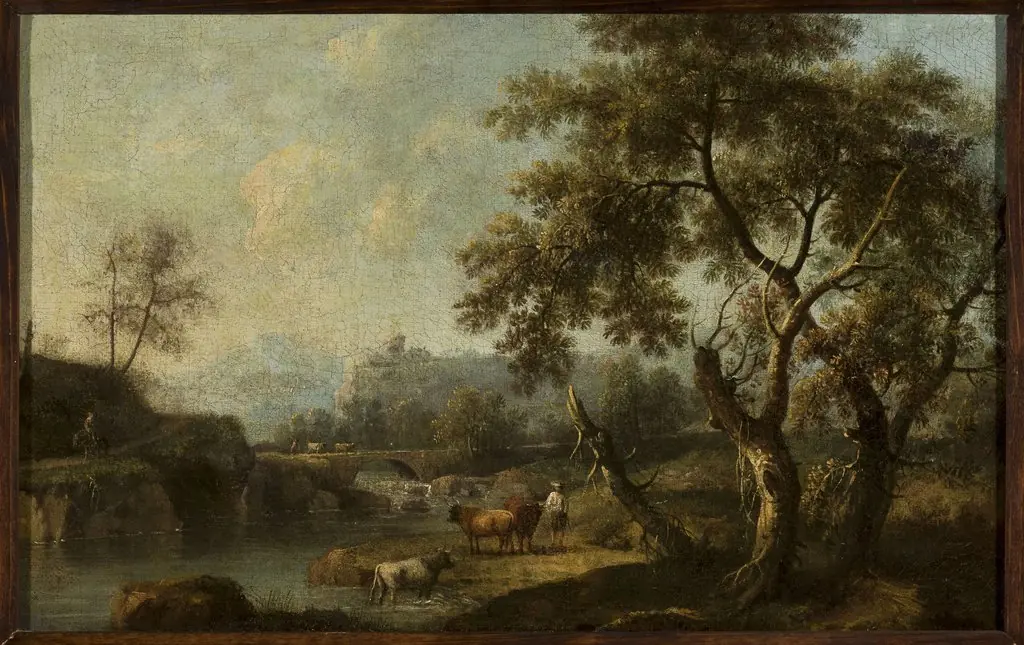
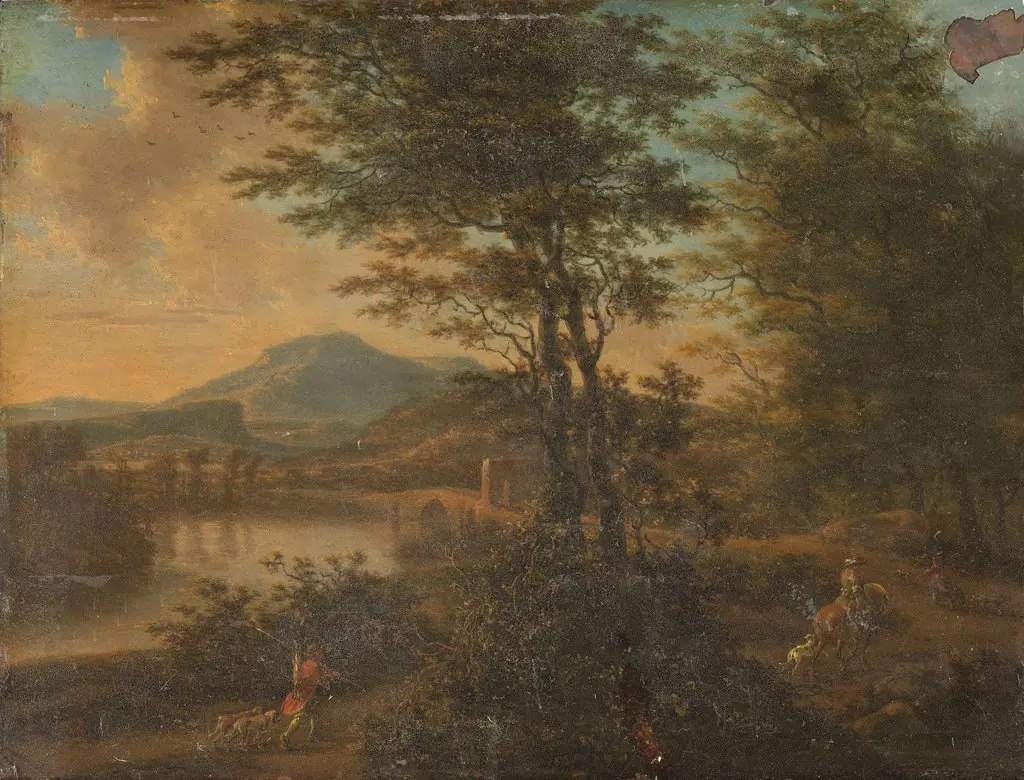
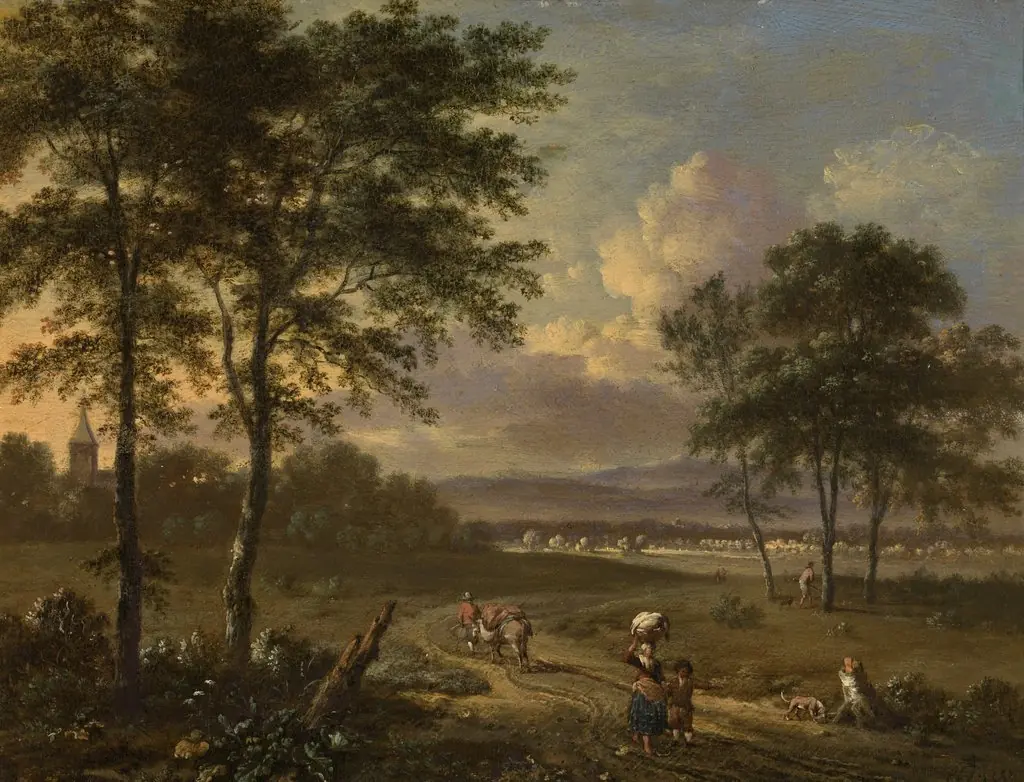
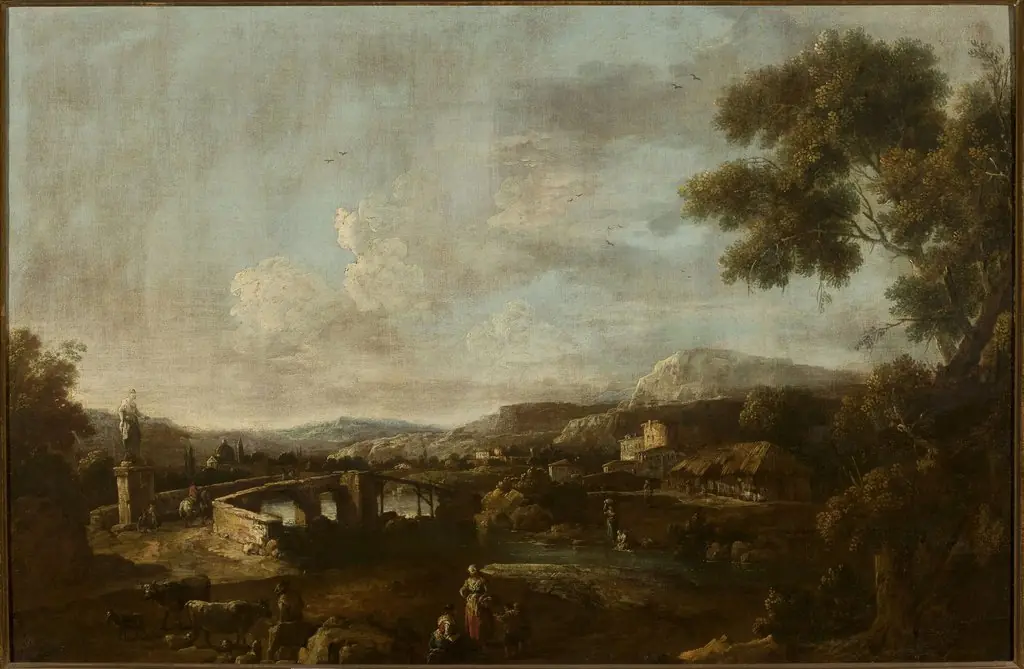
Johann Christian Vollerdt’s oil painting, dated 1764, depicts a tranquil mountainous scene centered on a lake flanked by modest structures. The composition balances natural elements—rolling hills, trees, water—with human presence, suggesting everyday life within a peaceful landscape. The work is part of the collection of the National Museum in Warsaw.
Subject & Meaning
The canvas presents a pastoral setting where villagers and livestock engage in routine tasks beside a reflective lake, underscoring a harmonious relationship between people and nature. The inclusion of modest buildings amidst the mountains hints at settlement and cultivation within an otherwise untouched environment, inviting contemplation of rural serenity.
Technique & Style
Executed in oil, Vollerdt employs a nuanced handling of light and shadow to model forms and suggest atmospheric depth. The surface captures the glint of sunlight on water and the textured foliage of trees, while subtle gradations of tone create a convincing spatial recession, reflecting the chiaroscuro principles common to mid‑18th‑century landscape painting.
History & Provenance
Created in 1764, the painting entered the holdings of Warsaw’s National Museum, where it remains on display. Its provenance traces a straightforward path from the artist’s workshop to the museum’s collection, illustrating the institution’s commitment to preserving Central European art from the Enlightenment period.
Context
Vollerdt worked during a time when landscape painting increasingly emphasized naturalism and the depiction of everyday life. This work aligns with contemporary trends that favored serene, idealized countryside scenes, offering viewers a visual respite from urbanization while reflecting Enlightenment ideas about humanity’s place within the natural world.
Artist & collection
Artist
Johann Christian Vollerdt (1708–1769) was an artist, born in Leipzig.