Artwork
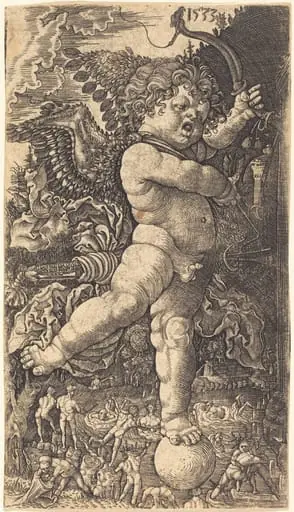
Genius Riding on a Ball
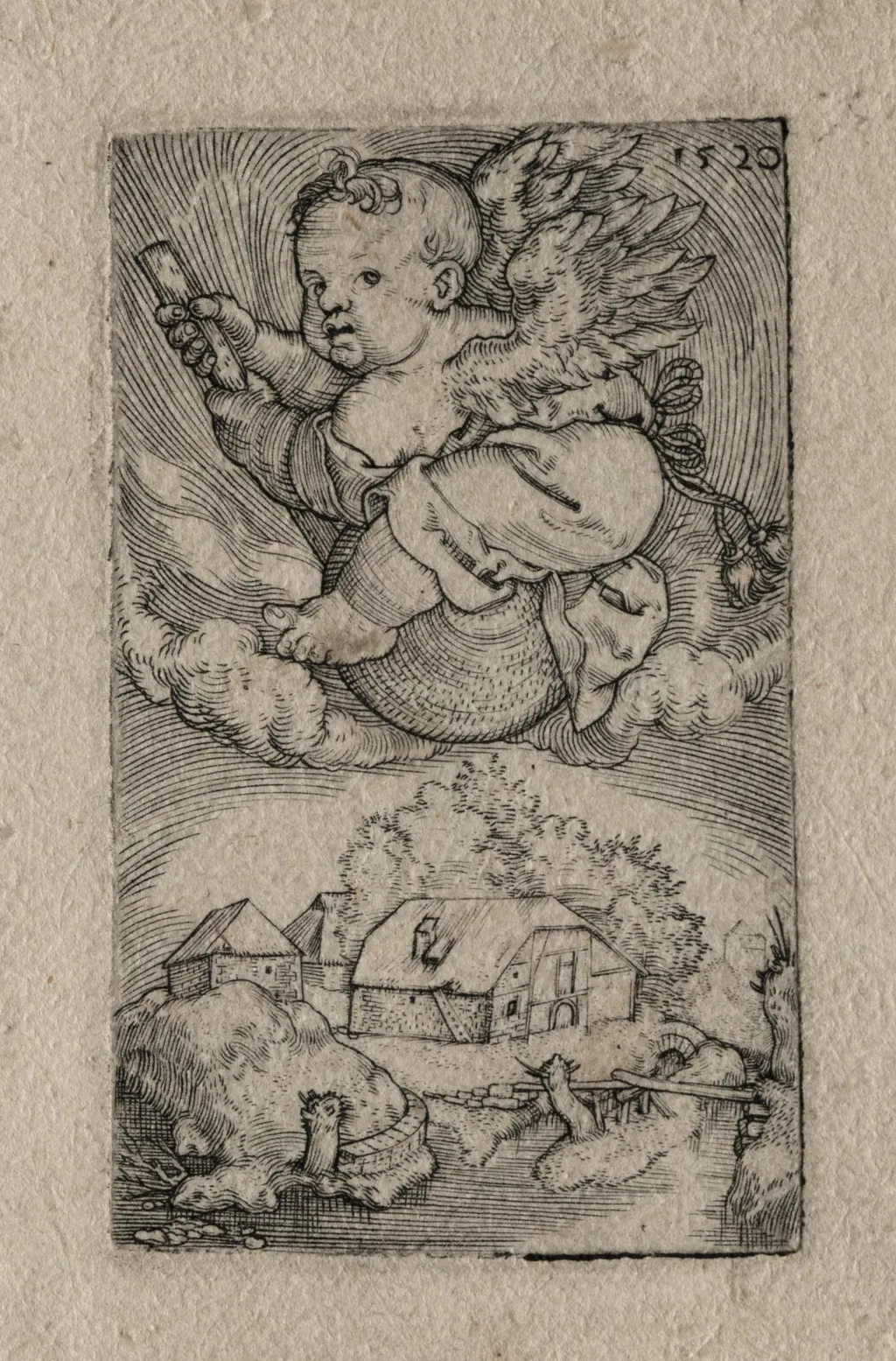
Genius Riding on a Ball is a print by the Renaissance artist Barthel Beham. It dates from 1520 and is held in the collection of the Cleveland Museum of Art.
About this work
Scholars think the woman may be a personification of fortune or genius.
A nude woman rides a giant ball through a stormy sky. Lightning splits the clouds behind her. One hand holds a staff. The other points down at a tiny town far below.
This image comes from a German print of 1520. The artist used tiny, precise lines to carve the scene into metal. Scholars think the woman may be a personification of fortune or genius.
Want to see more like this? Look up Barthel Beham at The Cleveland Museum of Art.
Overview
Created in 1520 by German artist Barthel Beham, this metal engraving depicts a nude female figure astride a massive, rolling sphere beneath a turbulent sky. Executed with fine, controlled lines typical of Renaissance printmaking, the work is part of The Cleveland Museum of Art’s collection and reflects the era’s fascination with allegorical imagery and humanist themes.
Subject & Meaning
The central figure, often interpreted as a personification of Fortune or Genius, navigates an unstable sphere amid stormy skies, suggesting the capricious nature of fate or inspiration. Her downward-pointing hand and staff imply guidance or judgment over the small settlement below, reinforcing the theme of higher forces influencing earthly affairs.
Technique & Style
Beham employed precise engraving on metal to render intricate details, from the texture of the clouds to the delicate folds of the figure’s form. The fine, linear strokes create depth and movement, characteristic of Northern Renaissance printmaking, where technical mastery served symbolic expression rather than naturalistic representation.
History & Provenance
The print originated in Germany during the early Reformation period, a time when allegorical imagery flourished in printed form. It entered The Cleveland Museum of Art’s collection through documented acquisitions, preserving its place within the broader context of 16th-century Northern European graphic arts.
Context
Produced during a period of intellectual and religious upheaval, the image aligns with humanist interests in classical allegory and moral symbolism. Similar motifs appeared in prints by contemporaries like Dürer, reflecting widespread engagement with abstract concepts through visual metaphor in printed media.
Legacy
Though not widely reproduced in popular culture, the engraving remains a significant example of Beham’s skill and the period’s allegorical tradition. It continues to inform scholarly study of how Renaissance artists visualized abstract forces, influencing later interpretations of fate and agency in visual art.
Artist & collection

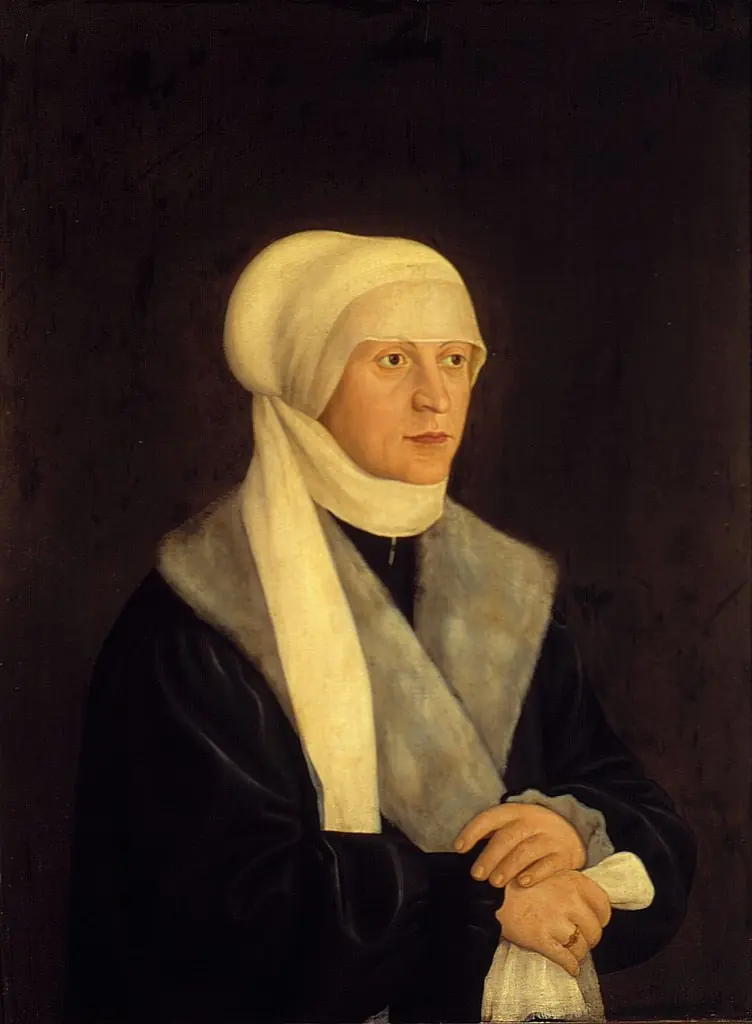
 Portrait of Marie of Baden
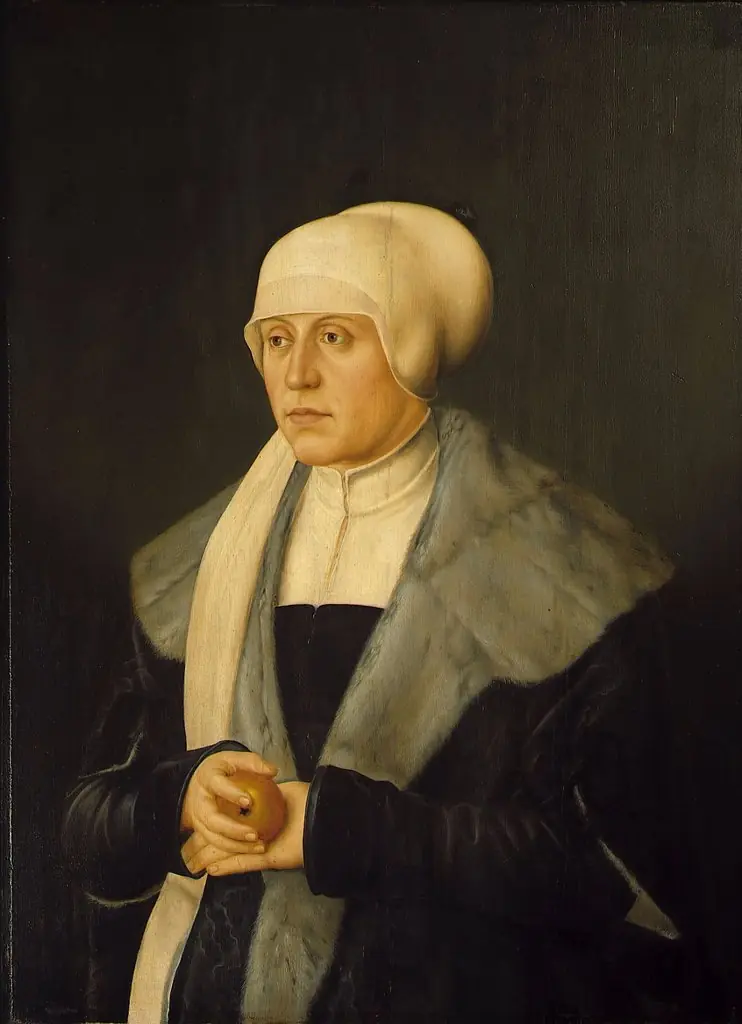
 Portrait of Sabina of Bavaria
 Kunigunde of Austria, wife of Duke Albrecht IV of Bavaria
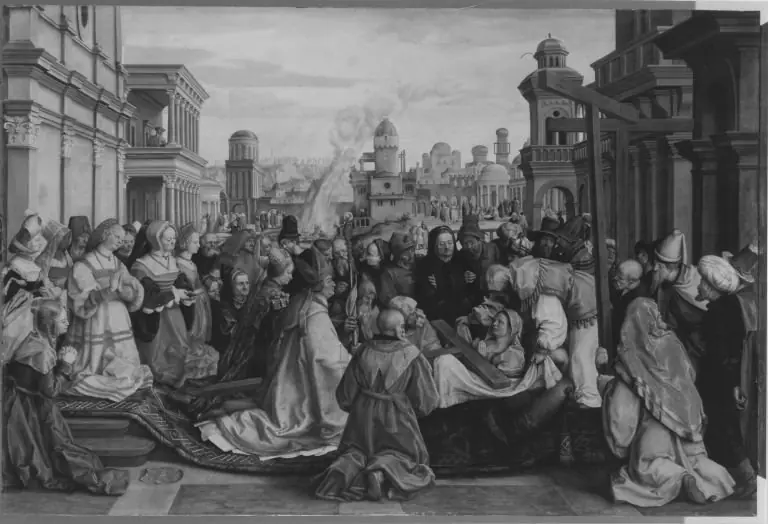 Historienzyklus: Kreuzauffindung der hl. Helena
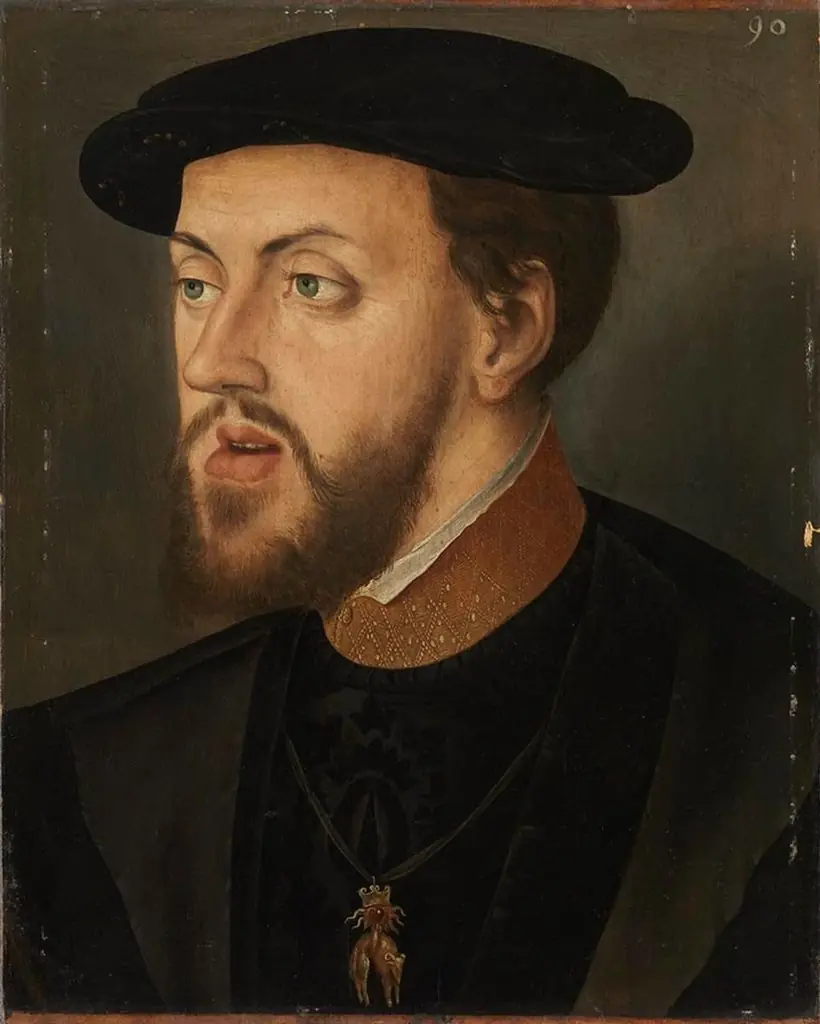 Emperor Charles V
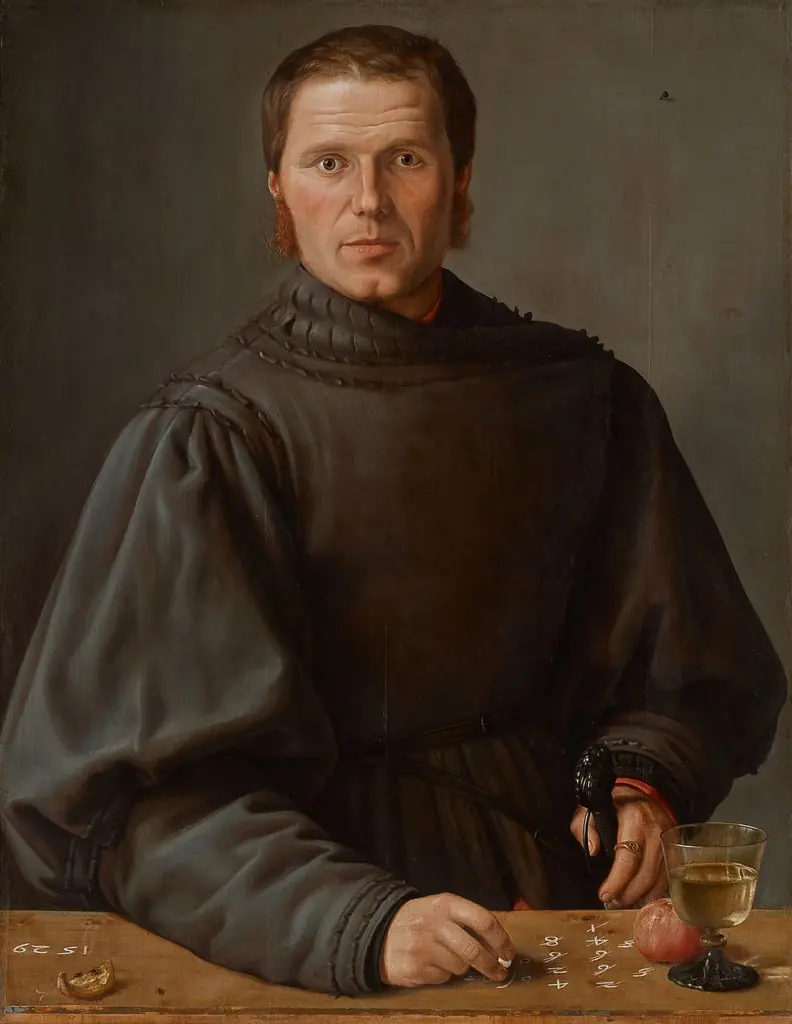 Portrait of a Man
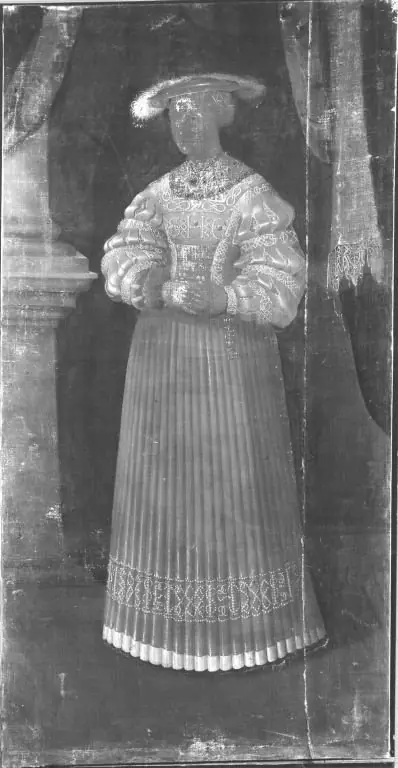 Susanna von Brandenburg, Gemahlin Ottheinrichs (Seitenverkehrte Kopie nach Inv.-Nr. 2450) (Kopie nach)
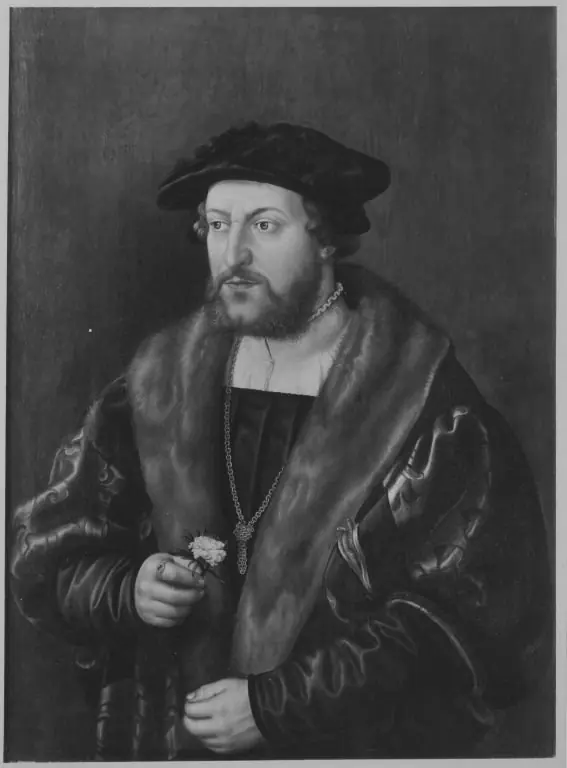 Portrait of Herzog Johann III, Paltzgraf bei Rhein (1488-1538)