Artwork
Portrait of Jakob Omphalius
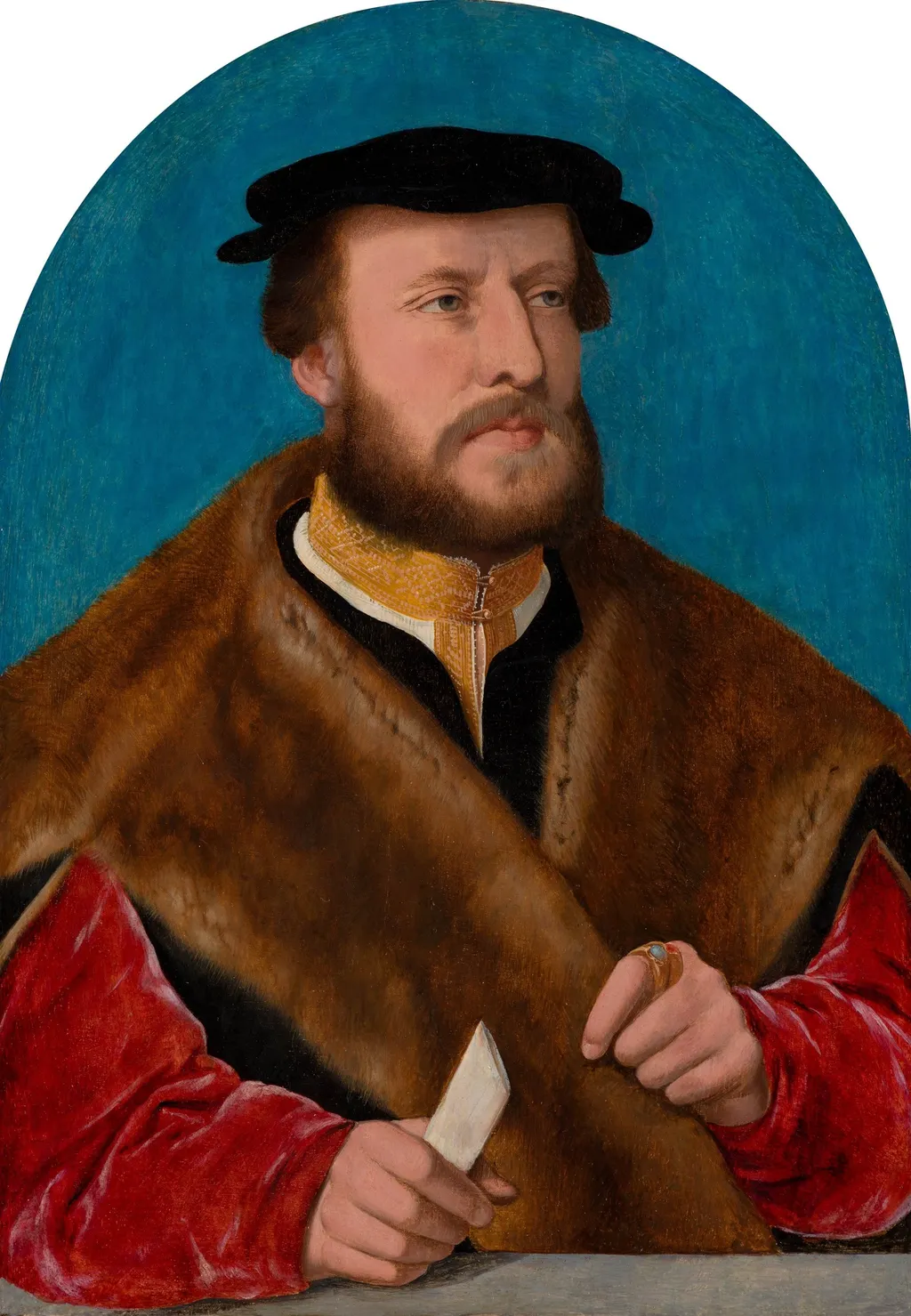
Portrait of Jakob Omphalius is an oil painting by the Northern Renaissance artist Bartholomaeus Bruyn the Elder. It dates from 1530 and is held in the collection of the Mauritshuis.
About this work
Overview
The work is part of the Mauritshuis collection and exemplifies the Northern Renaissance focus on detailed realism and social identity through portraiture.
Painted in 1530 by Bartholomaeus Bruyn the Elder, this oil portrait captures Jakob Omphalius, a figure of civic standing in Cologne. Bruyn, among the most active portraitists in the city during the German Renaissance, specialized in capturing individual presence with quiet precision. The work is part of the Mauritshuis collection and exemplifies the Northern Renaissance focus on detailed realism and social identity through portraiture.
Subject & Meaning
The sitter, Jakob Omphalius, is portrayed with composed dignity, his gaze direct and unsmiling. His attire—black hat, brown fur-lined coat, and red velvet shirt—signals wealth and status, while the gold collar and ring denote personal distinction. The small paper he holds may reference literacy, official capacity, or personal correspondence, suggesting a role tied to administration or civic duty, though his exact identity beyond name remains unconfirmed.
Technique & Style
Bruyn employed oil paint to render fine textures: the sheen of velvet, the softness of fur, and the metallic gleam of jewelry. The background is a flat, deep blue, isolating the figure and focusing attention on his form and garments. Brushwork is controlled and precise, avoiding dramatic lighting in favor of even illumination that highlights material detail and facial structure, characteristic of Northern Renaissance portraiture.
History & Provenance
The painting entered the Mauritshuis collection in the 19th century, having passed through private hands in the Low Countries. Its documented history begins in Cologne, where Bruyn worked and where Omphalius likely lived. No early records confirm the commission’s origin, but the portrait’s quality suggests it was made for a patron of means, possibly as a personal or civic commemoration.
Context
In early 16th-century Cologne, portraiture flourished as a means of asserting individual identity amid religious and political change. Bruyn’s work reflects the city’s growing merchant class’s desire for visual representation. Unlike Italian Renaissance ideals, Northern artists emphasized material realism and psychological restraint, aligning this portrait with broader regional trends in secular image-making.
Legacy
Bruyn’s portraits, including this one, helped define the visual language of civic portraiture in the Rhineland. His influence extended to later artists in the region, who adopted his method of combining detailed fabric rendering with restrained expression. Though less widely known than his Italian contemporaries, Bruyn’s work remains a key reference for understanding the social and artistic values of German Renaissance urban life.
Artist & collection
Artist
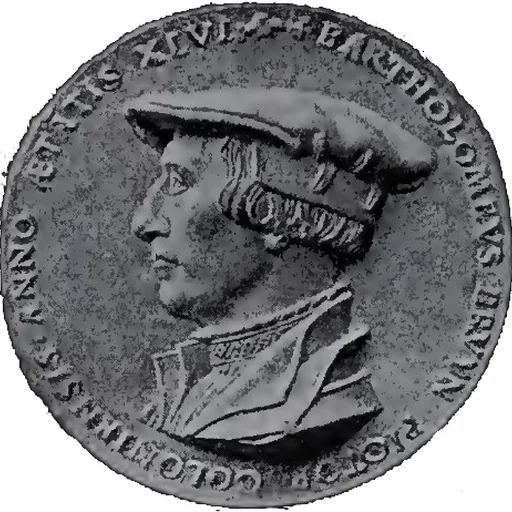
Bartholomäus Bruyn (1493–1555), usually called Barthel Bruyn or Barthel Bruyn the Elder, was a German Renaissance painter active in Cologne. He painted altarpieces and portraits, and was Cologne's foremost portrait painter of his day.

 Portrait of a Man
 Portrait of a Man
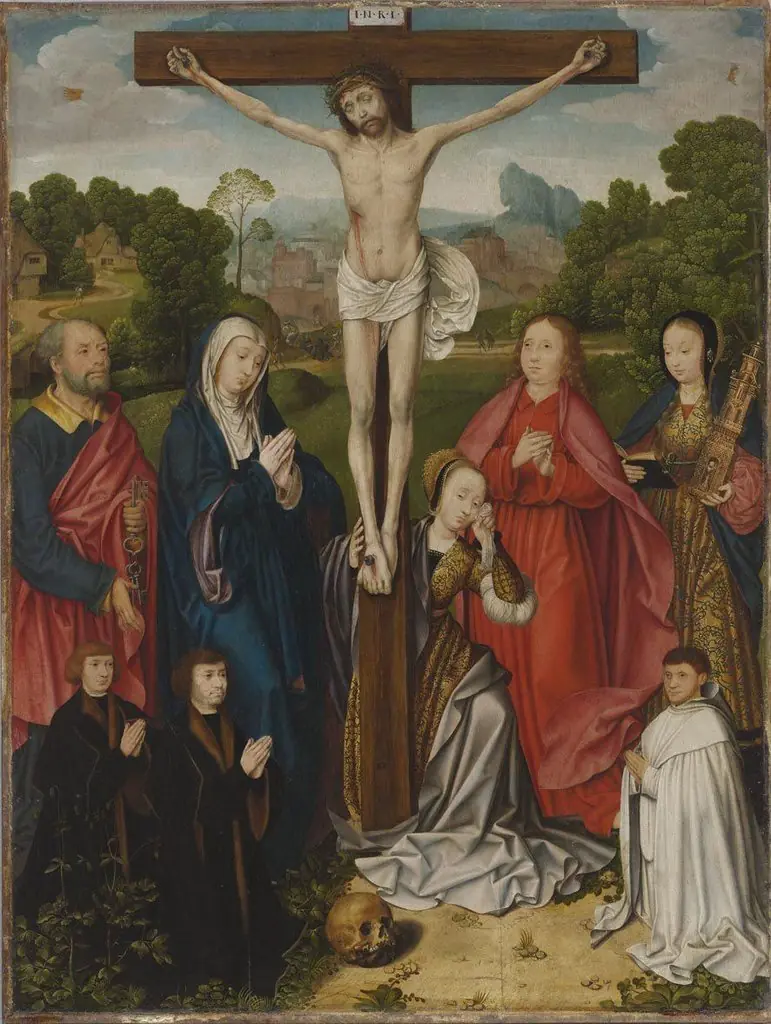 Christ on the cross with the saints Peter, Mary, Mary Magdalene, John the Evangelist and Barbara, with three donors
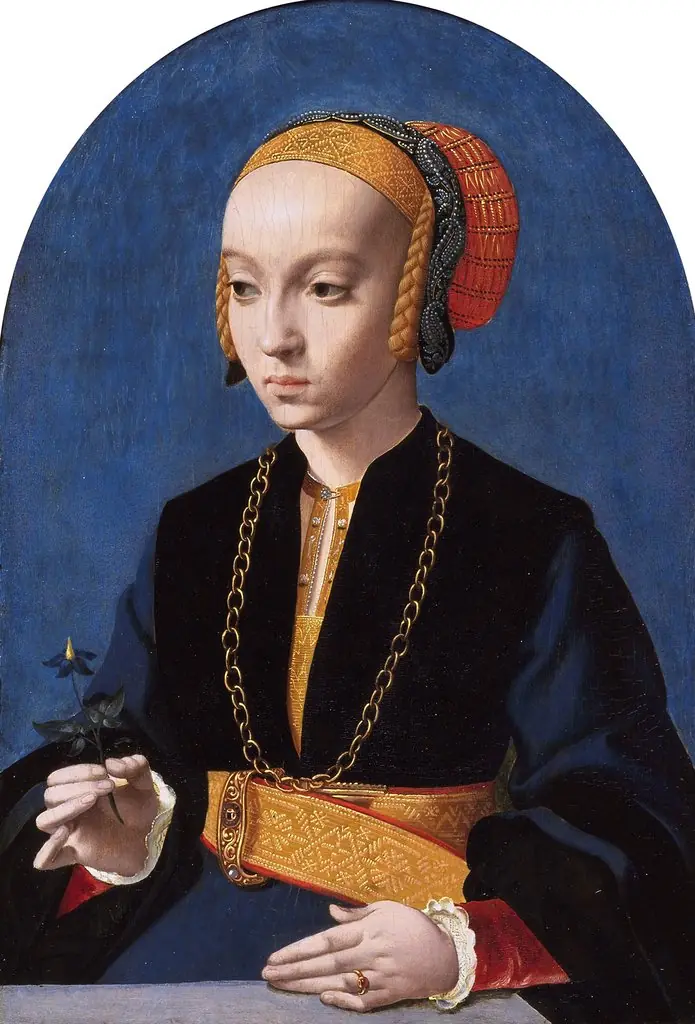 Portrait of Elisabeth Bellinghausen
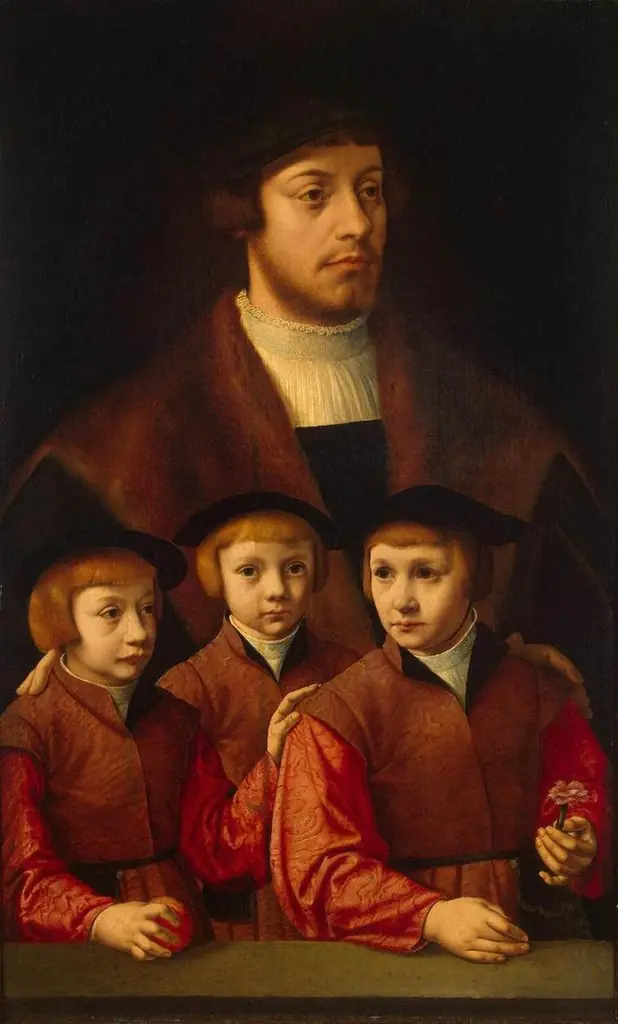 Portrait of a Man and His Three Sons
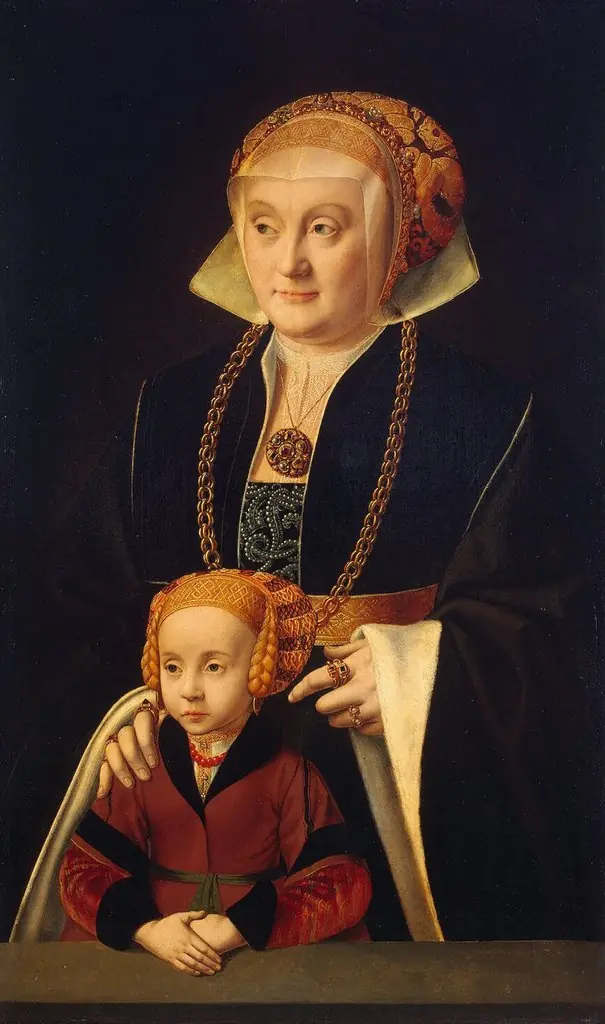 Portrait of a Lady and Her Daughter
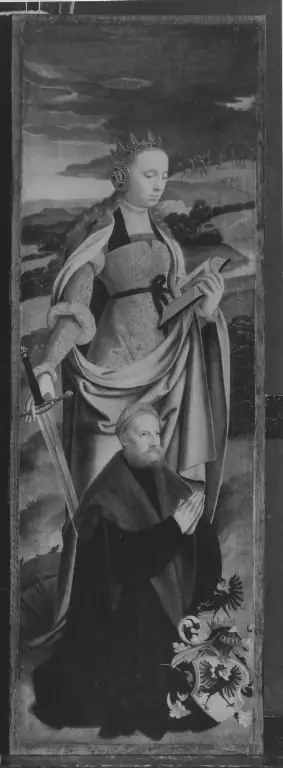 Rinck-Altar II:Saint Catherine with donor Hermann Rinck
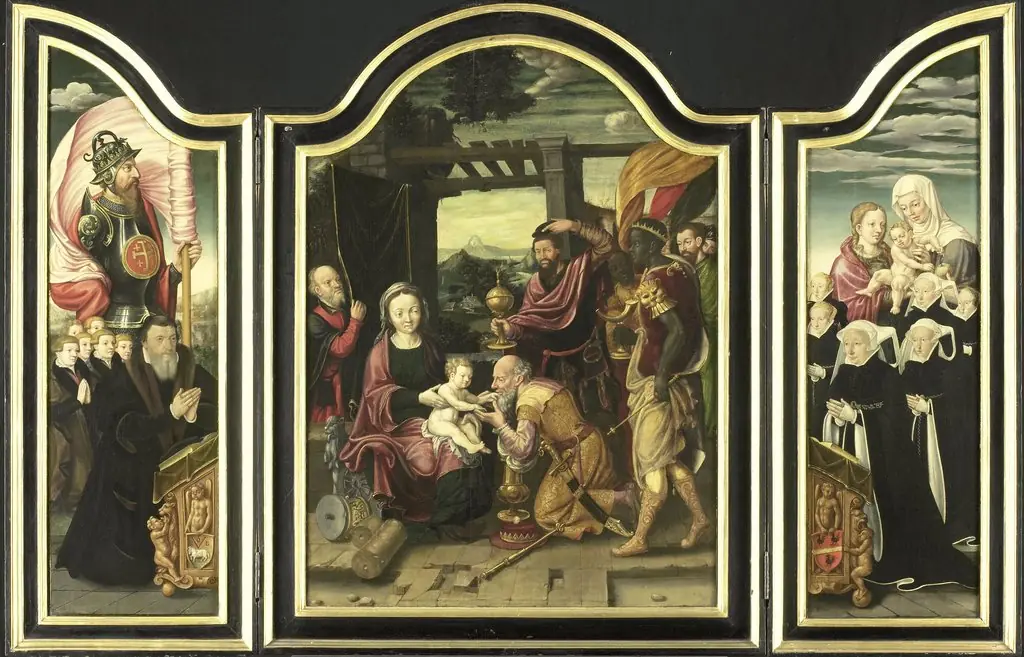 Triptych with the Adoration of the Magi
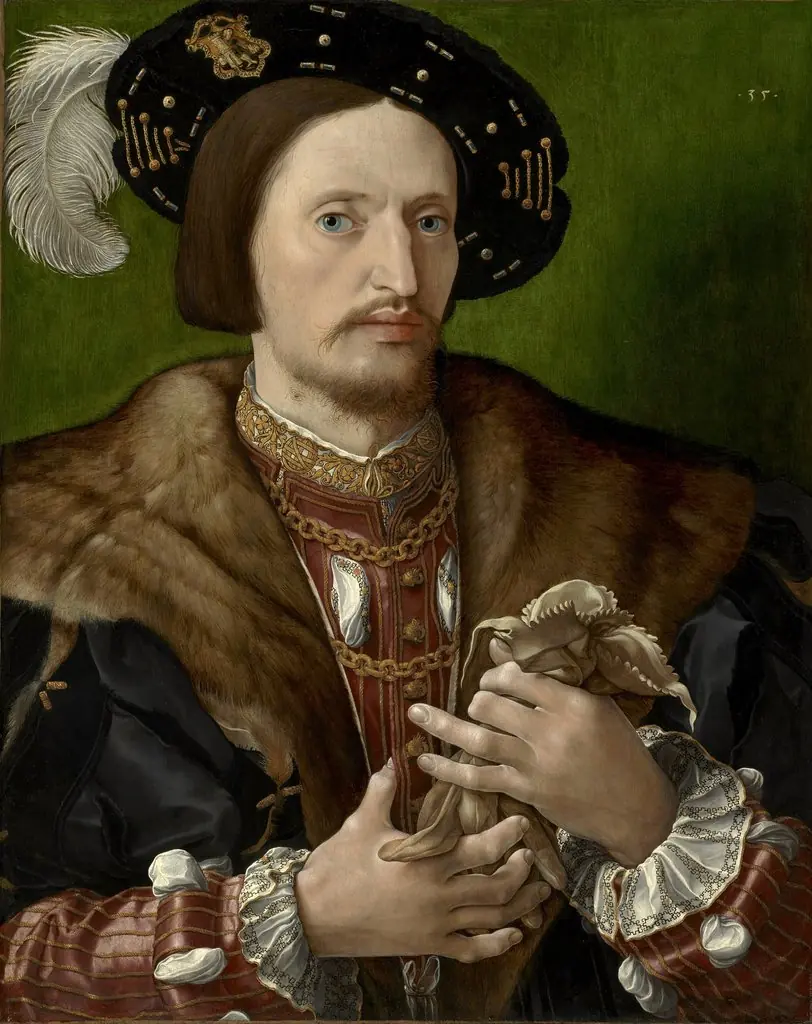 Portrait of a Gentleman holding Gloves
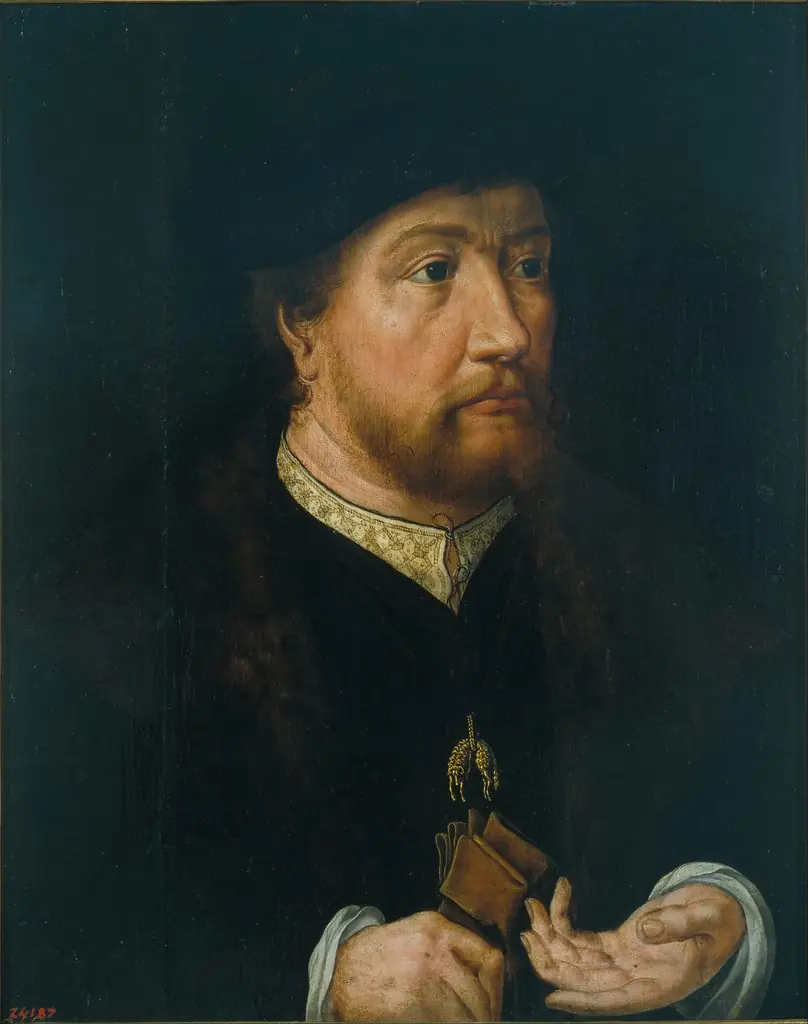 Portrait of Henry III, Count of Nassau
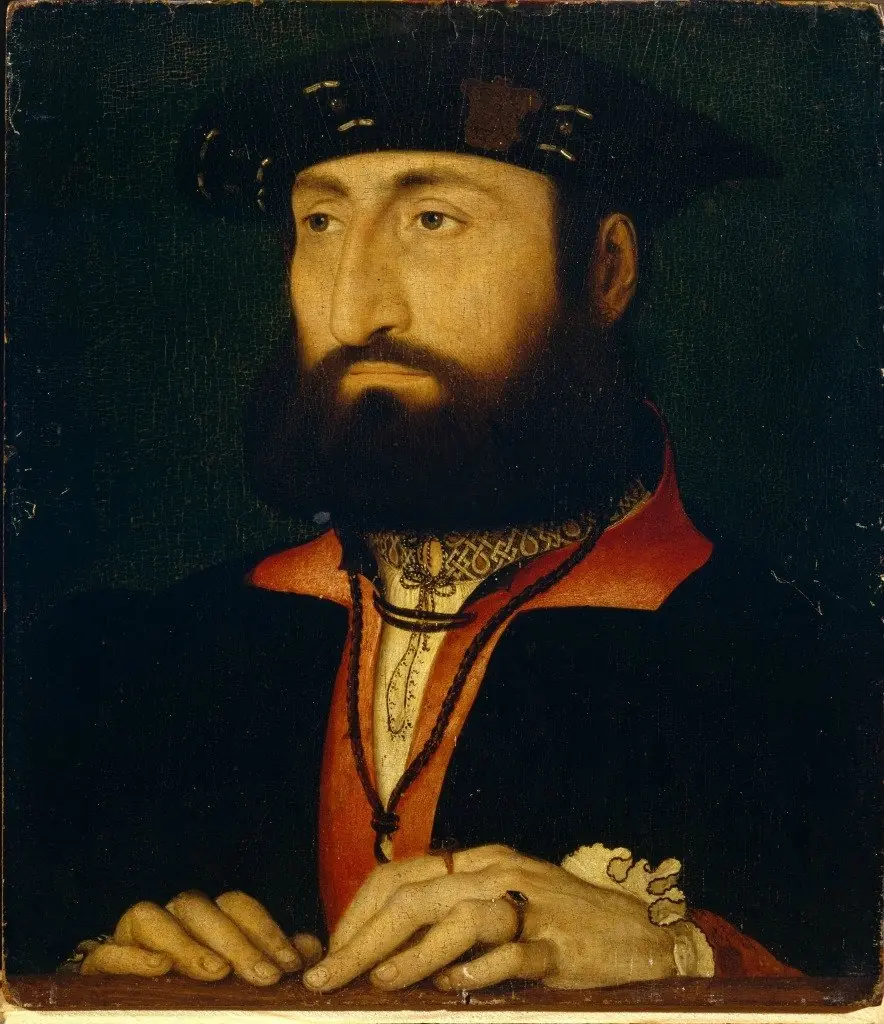 Portrait of Louis de Cleves
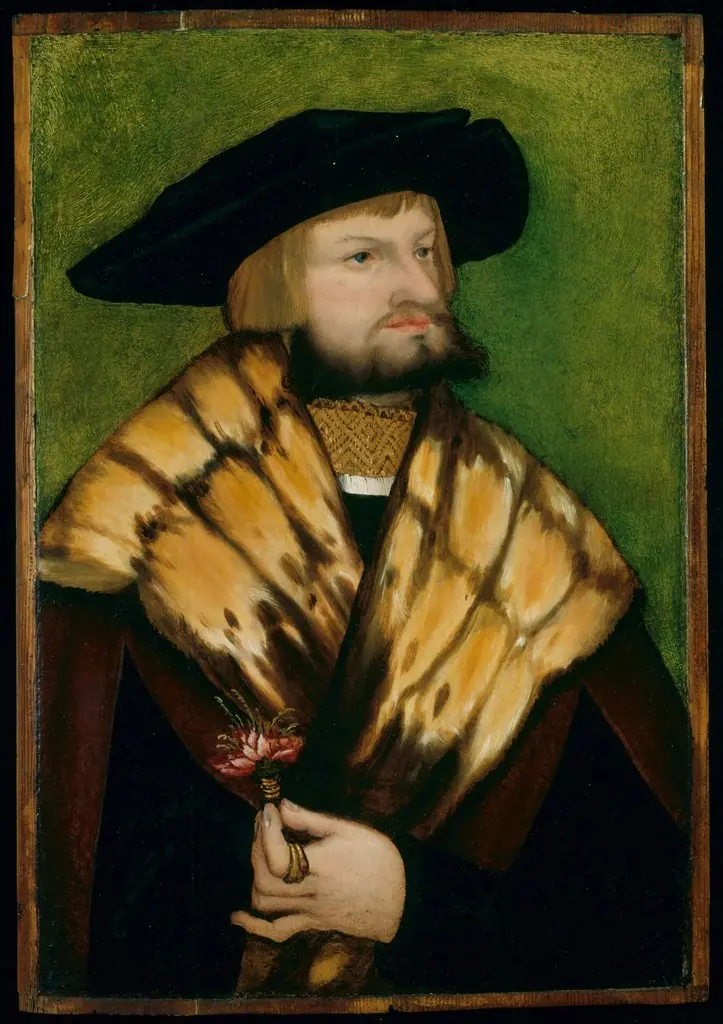 Portrait of Leonhard Fuchs
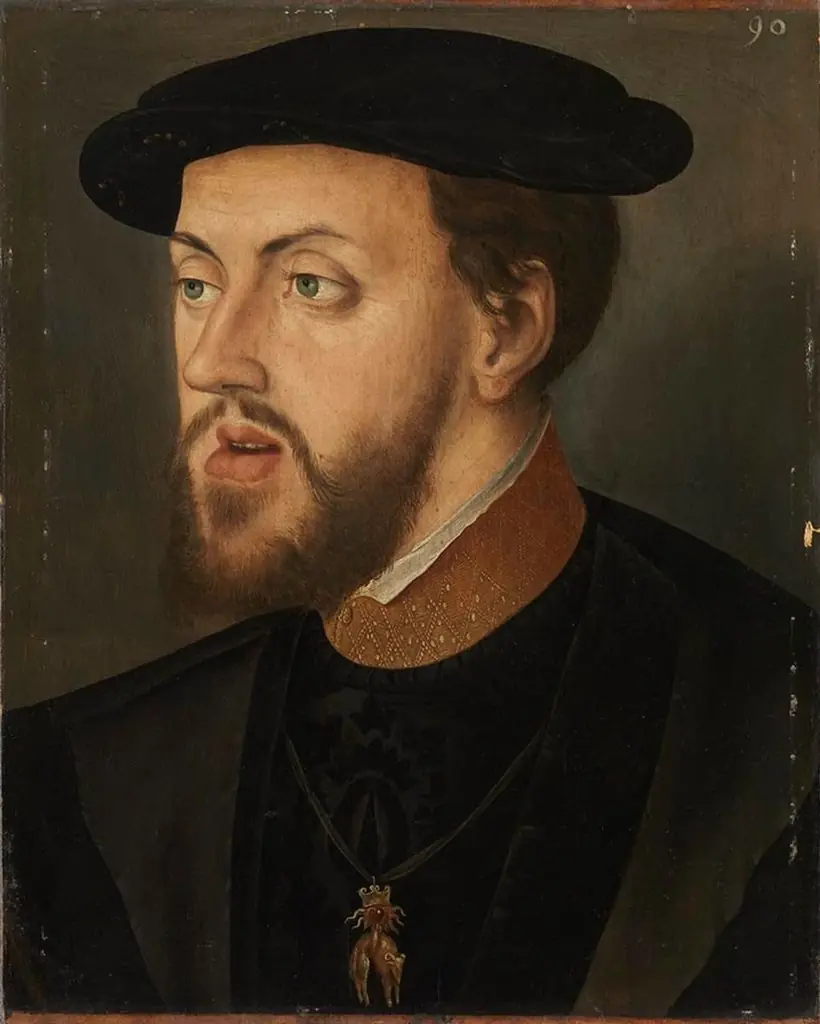 Emperor Charles V
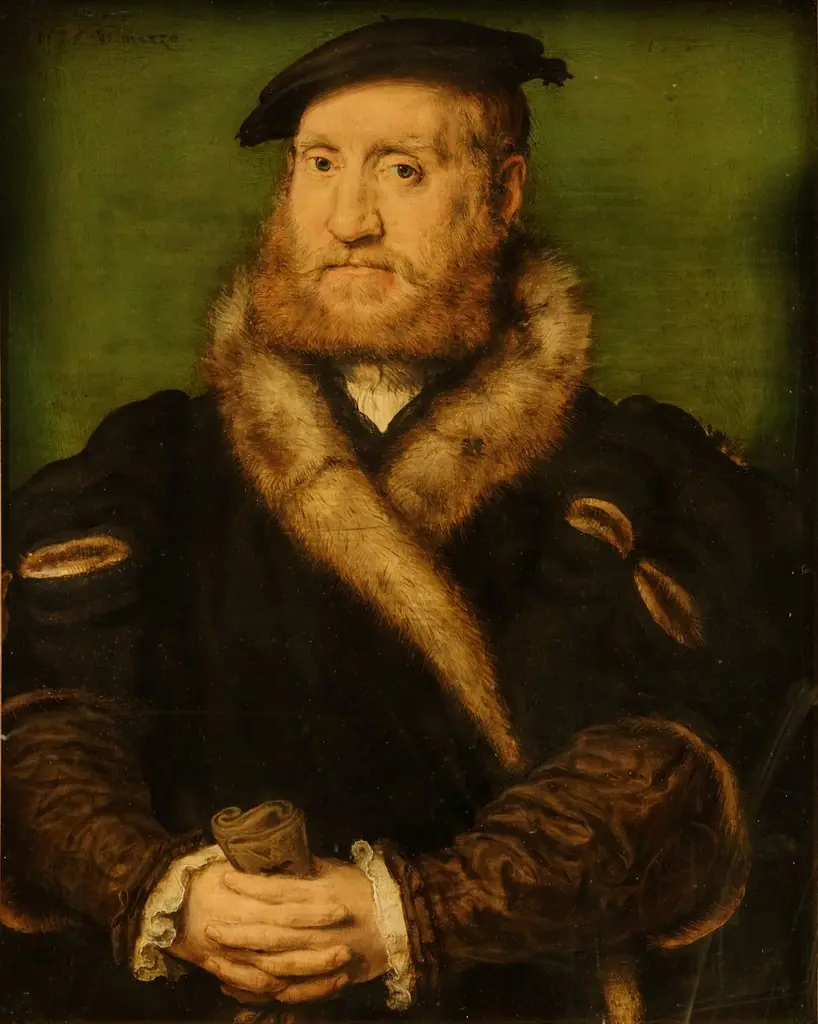 Bearded Man in a Fur Coat
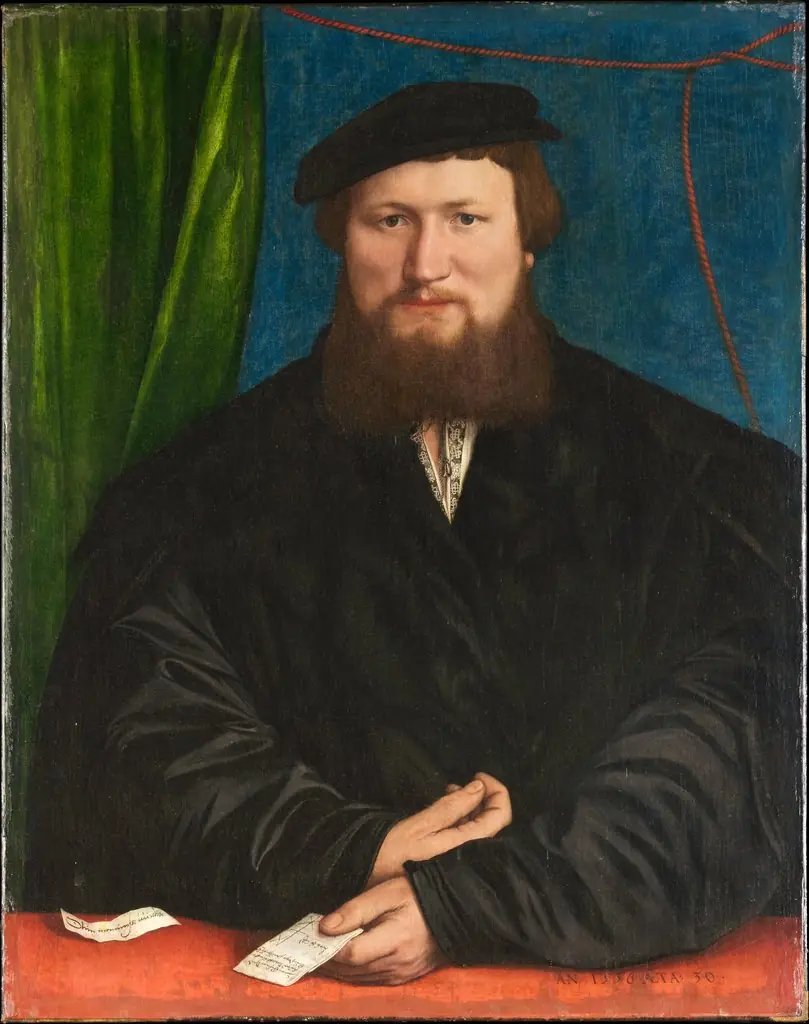 Derick Berck of Cologne
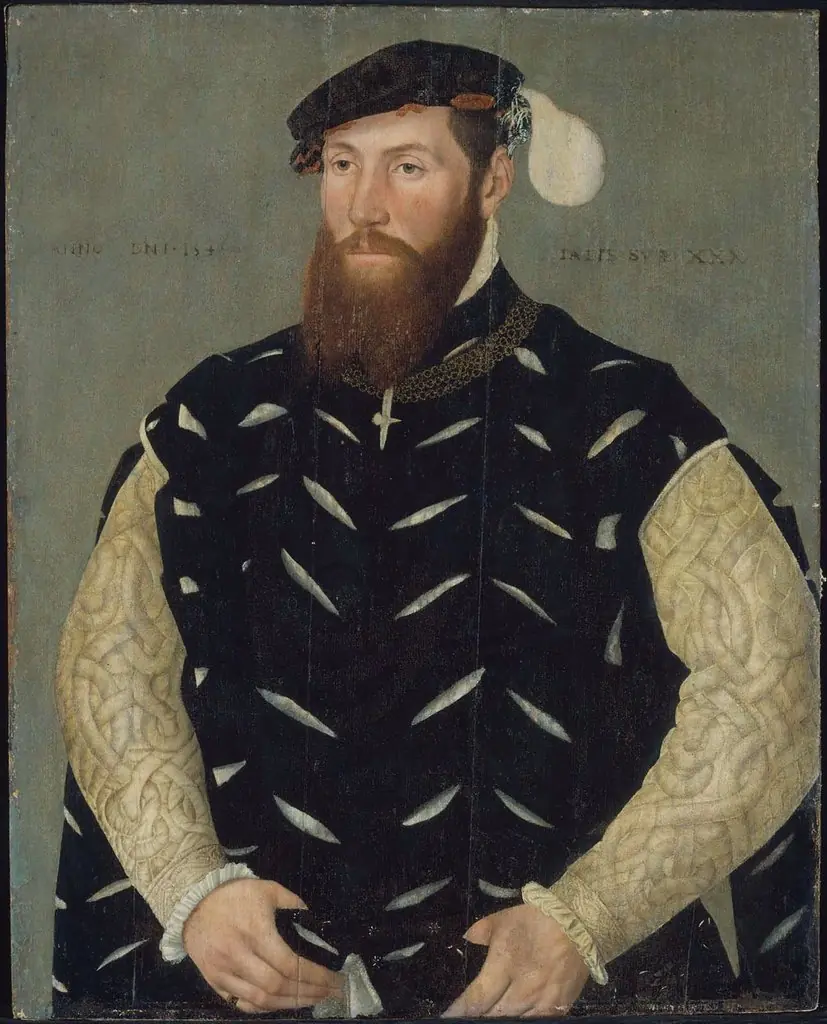 Sir William Butts
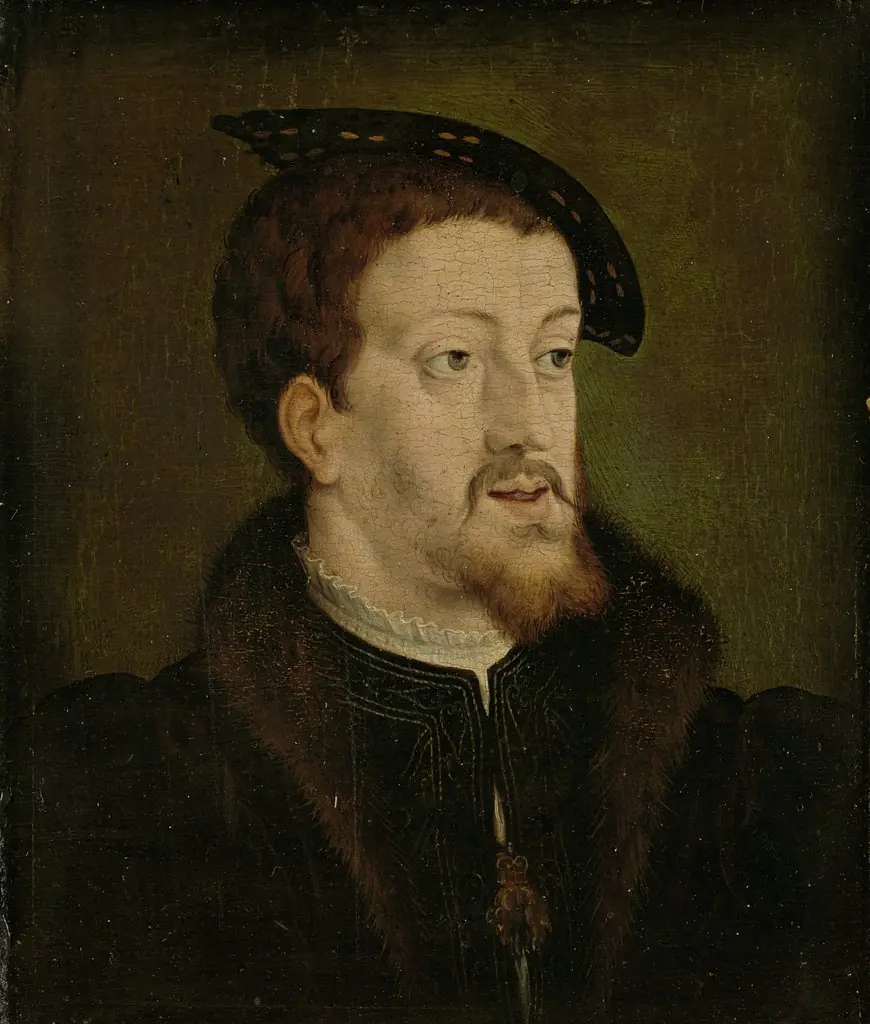 Portrait of Charles V (1500-58), emperor of the Holy Roman Empire
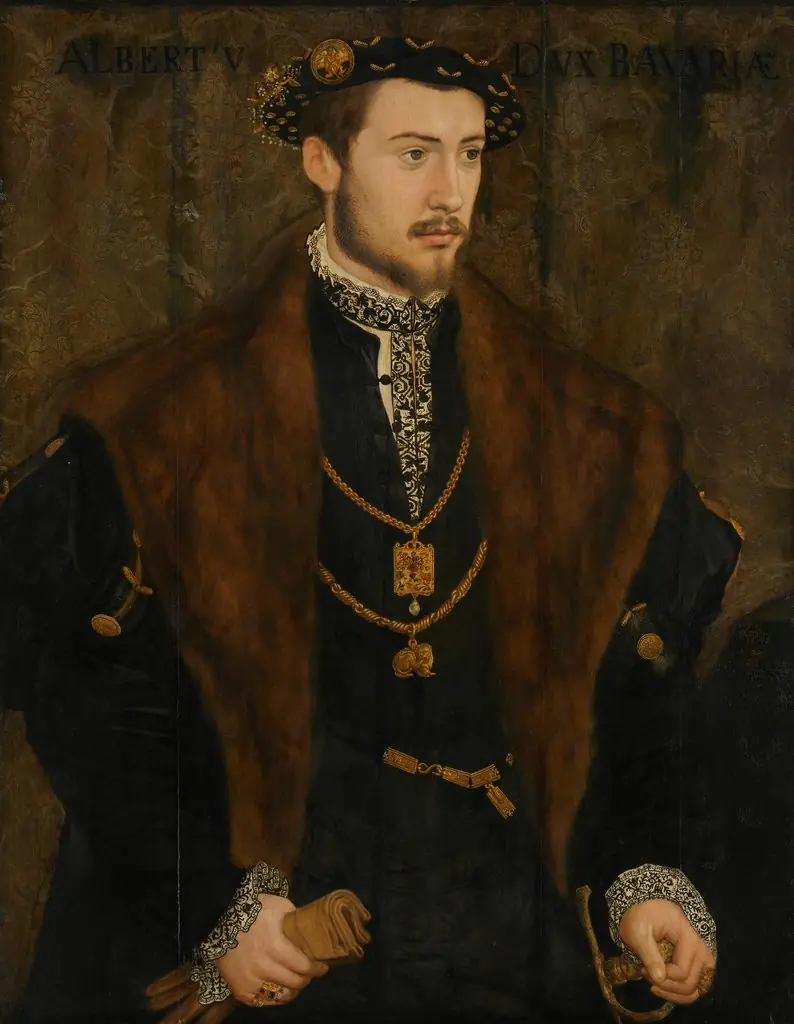 Painting of Albrecht V Bayern by Hans Muelich
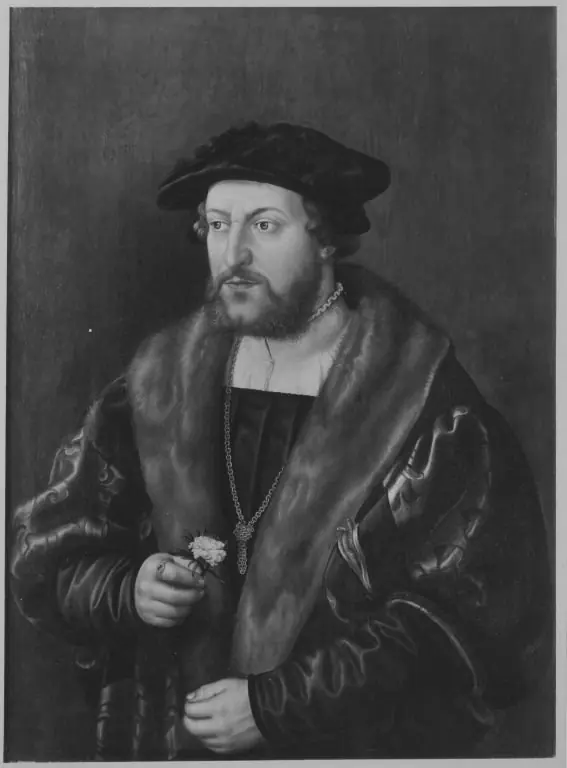 Portrait of Herzog Johann III, Paltzgraf bei Rhein (1488-1538)
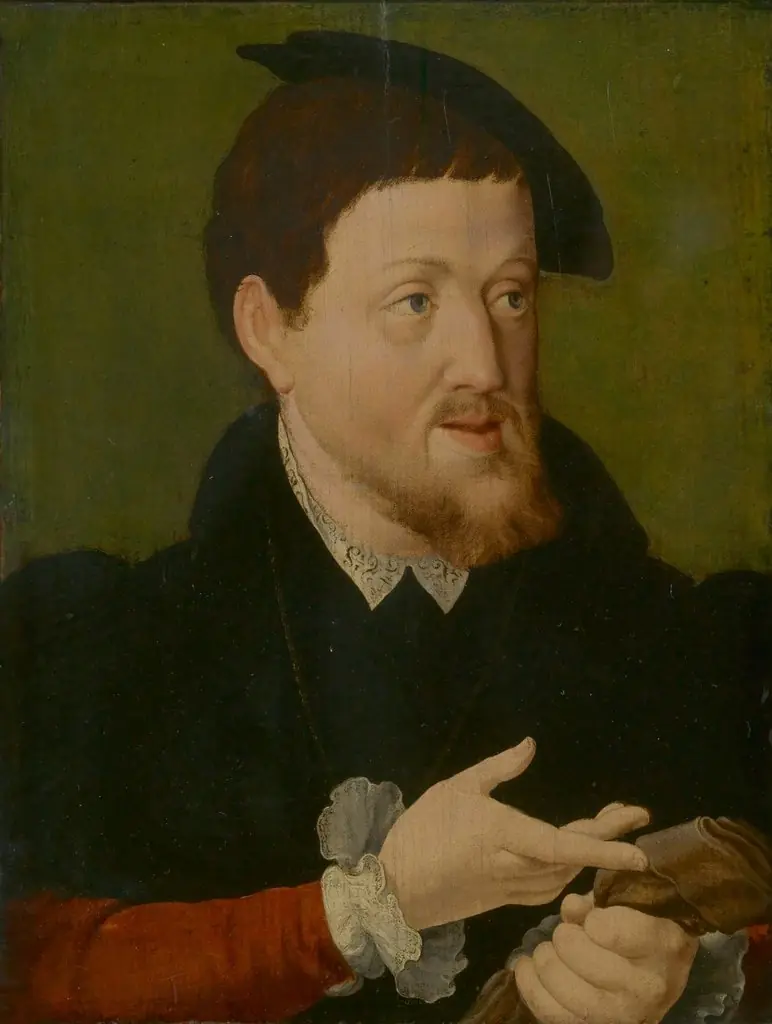 Portrait of emperor Charles V