Artwork
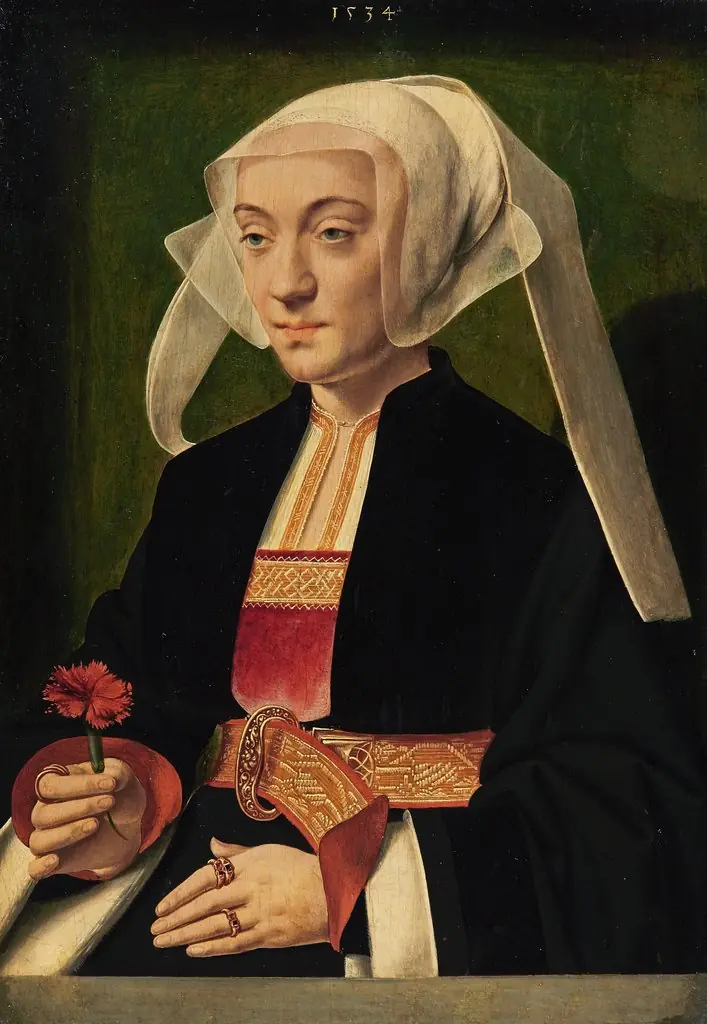
Portrait of Chatrina, Aged 23 Years
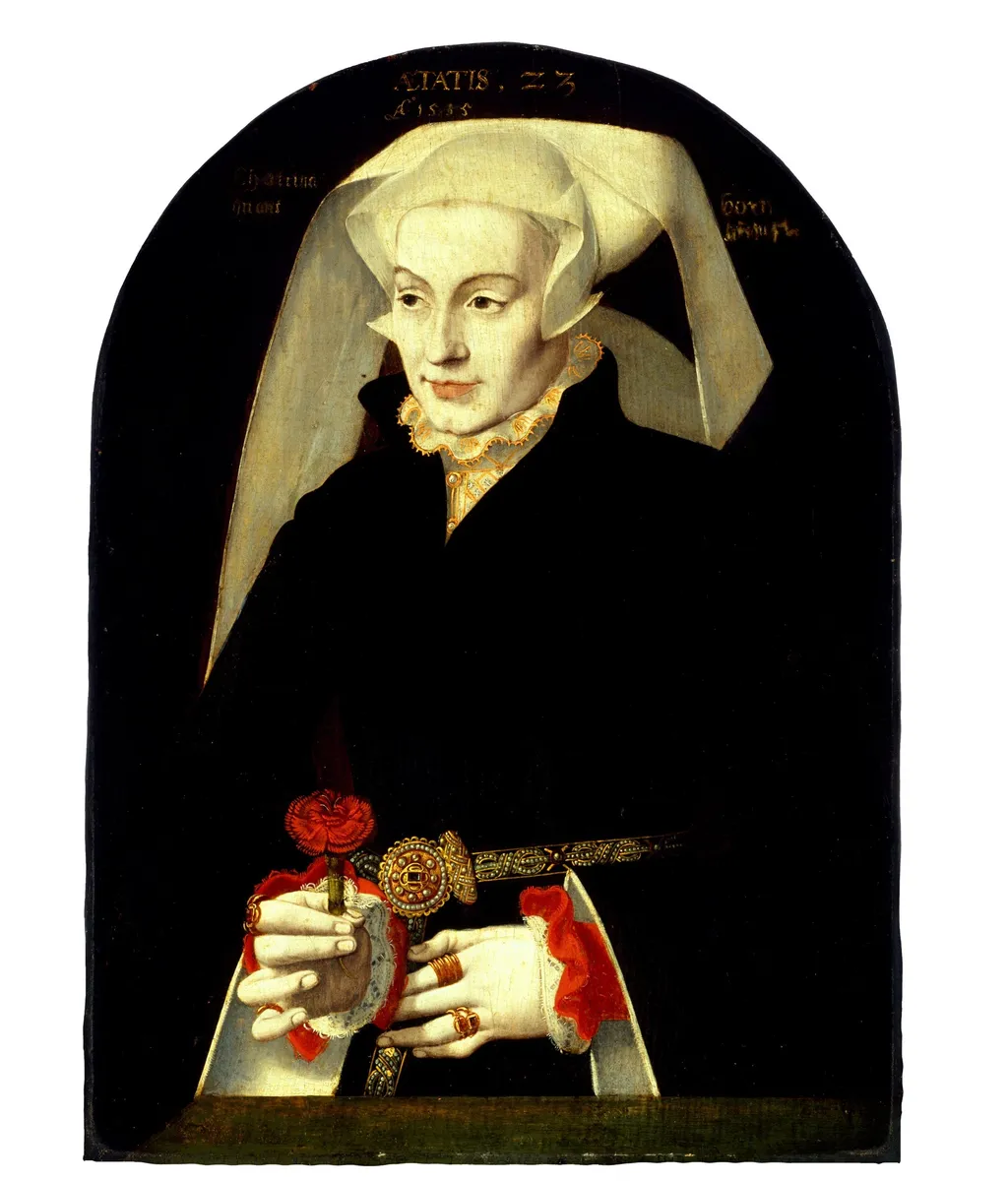
Portrait of Chatrina, Aged 23 Years is an oil painting by the Northern Renaissance artist Barthel Bruyn the Younger. It dates from 1535 and is held in the collection of the Museum of Fine Arts, Houston.
About this work
Overview
The work exemplifies the period’s emphasis on individual identity and material precision, rendered through layered oil glazes that enhance texture and depth.
Barthel Bruyn the Younger completed this oil portrait in 1535, capturing a young woman in Cologne during the northern Renaissance. As a painter trained in his father’s workshop, Bruyn specialized in intimate, finely detailed portraits of local elites. The work exemplifies the period’s emphasis on individual identity and material precision, rendered through layered oil glazes that enhance texture and depth.
Subject & Meaning
The sitter, identified as Chatrina at age twenty-three, is depicted with quiet composure. Her white head covering and dark dress reflect modest, upper-class attire of the time. The red flower she holds may symbolize vitality or betrothal, while the rings on her left hand suggest social status or marital connection. The absence of overt narrative elements focuses attention on her presence and dignity.
Technique & Style
Bruyn employed meticulous oil glazing to achieve subtle transitions in skin tone and fabric texture. The dark background isolates the figure, heightening the contrast with her pale headdress and the vivid red flower. Fine brushwork renders lace, jewelry, and the delicate curve of her fingers with precision, demonstrating mastery of surface detail typical of northern European portraiture.
History & Provenance
The painting was created in Cologne, where Bruyn maintained a successful workshop. It remained within regional collections for centuries before entering a public collection. No documented records of its early ownership survive, but its condition and style align with other authenticated works by Bruyn from the mid-1530s.
Context
In 1535, Cologne was a thriving center of trade and culture, where portraiture flourished among the merchant class. Bruyn’s work reflects the influence of Netherlandish realism and the growing demand for personal likenesses among non-noble families. His portraits, though less grand than courtly images, convey individuality with restrained elegance.
Legacy
Bruyn’s portraits, including this one, helped define the genre in northern Germany. His attention to personal detail and refined technique influenced later regional artists. While not widely known outside academic circles, his works remain important for understanding the social and artistic values of 16th-century urban elites in the Rhineland.
Artist & collection
Artist
Bartholomäus Bruyn (c. 1530 – between 1607 and 1610), usually called Barthel Bruyn the Younger to distinguish him from his father of the same name, was a German painter active in Cologne. He is noted mainly for his…

 Portrait of a young woman
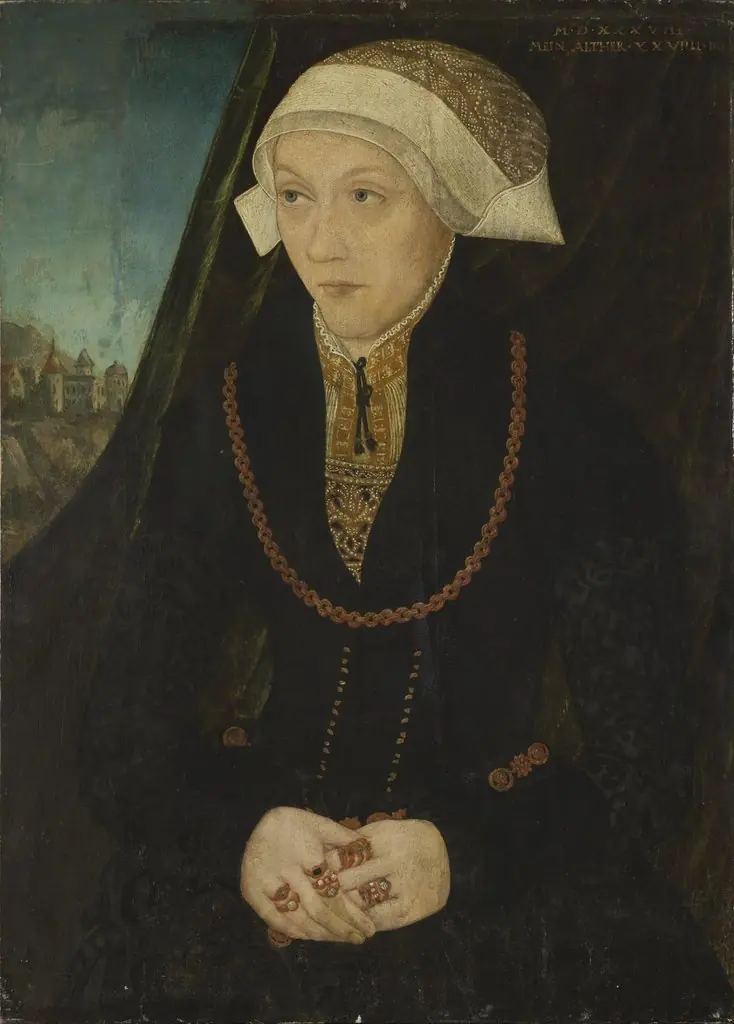 Portrait of a woman
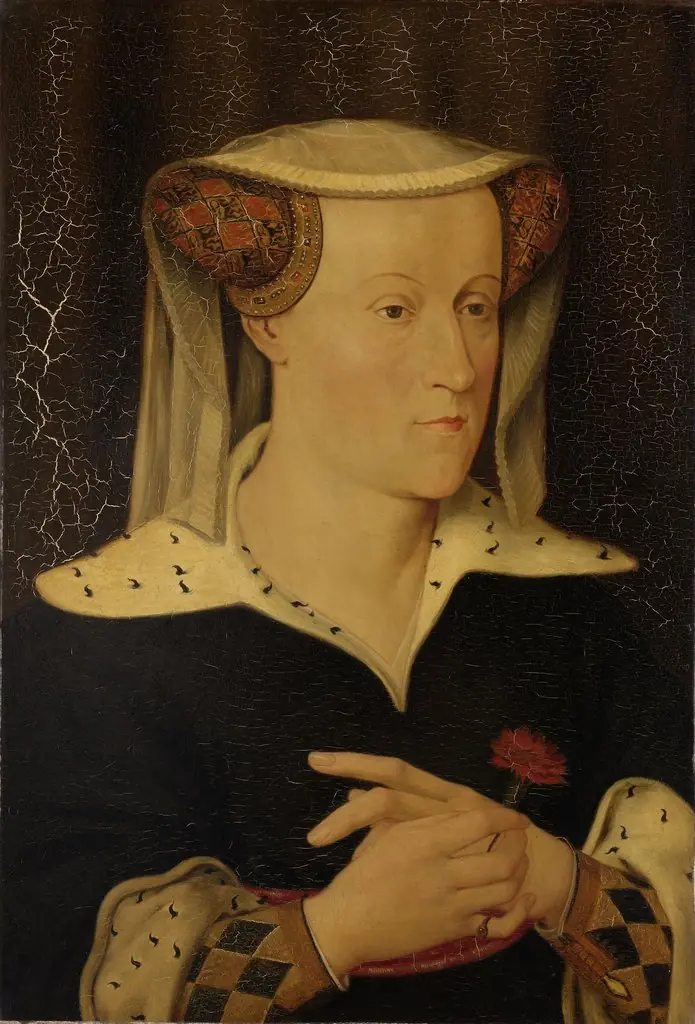 Jacoba of Bavaria (1401-1436), countess of Holland and Zeeland
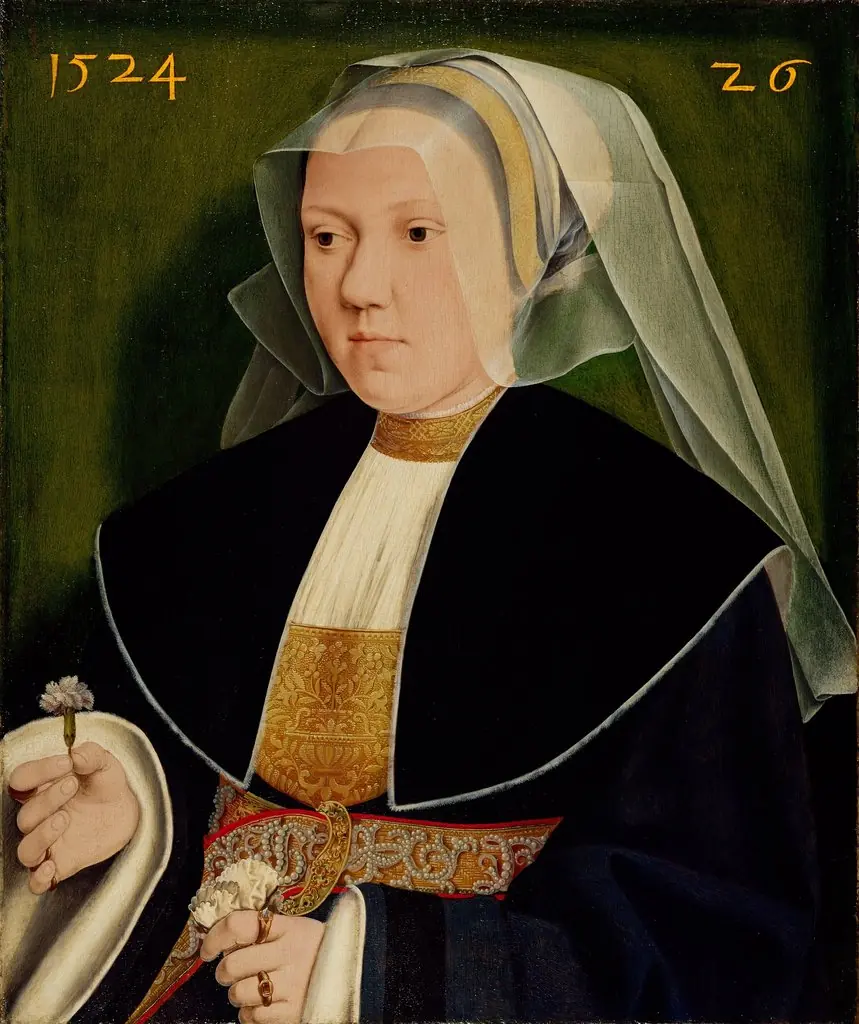 Portrait of Margaretha von Mochau, wife of Gerhard von Westerburg
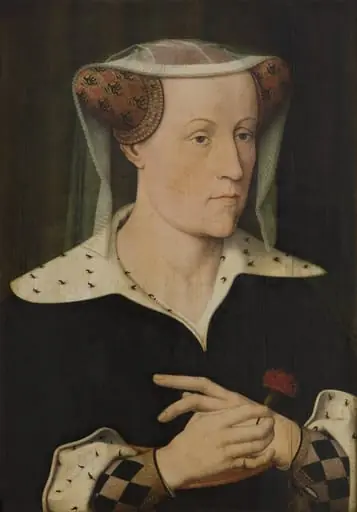 Jacoba of Bavaria, Countess of Holland and Zeeland
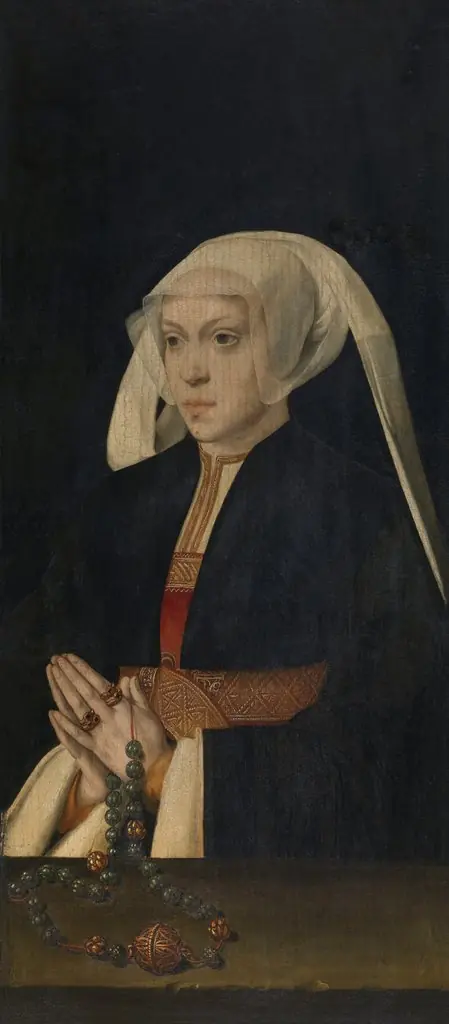 Portrait of a Woman
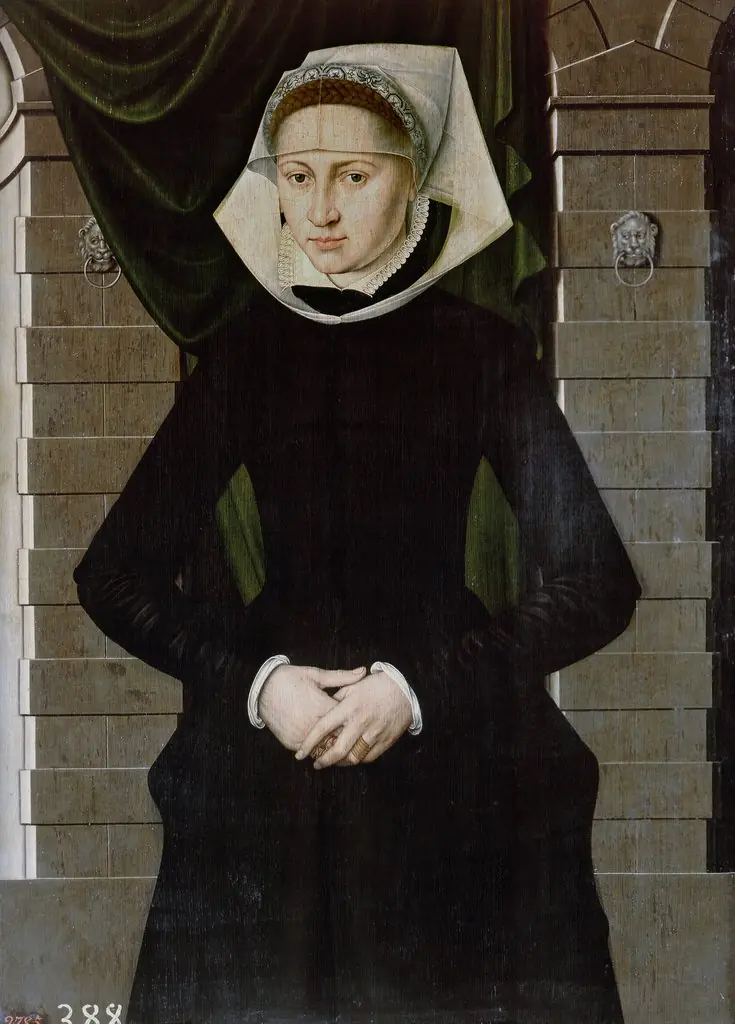 Dama holandesa
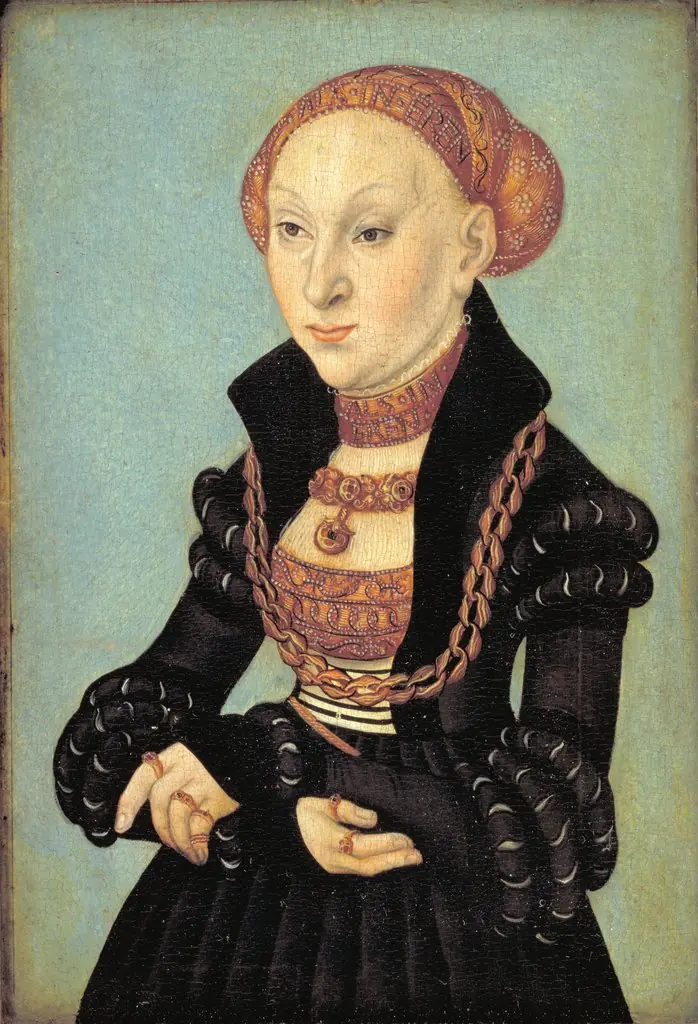 Portrait of the Electress Sibyl of Saxony (1510-1569)
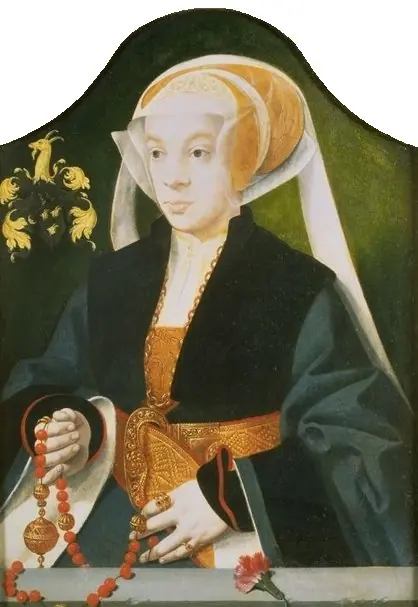 Bildnis einer Frau mit Rosenkranz und Nelke
 Portrait of a Woman
 Profile Portrait of a Young Lady