Artwork
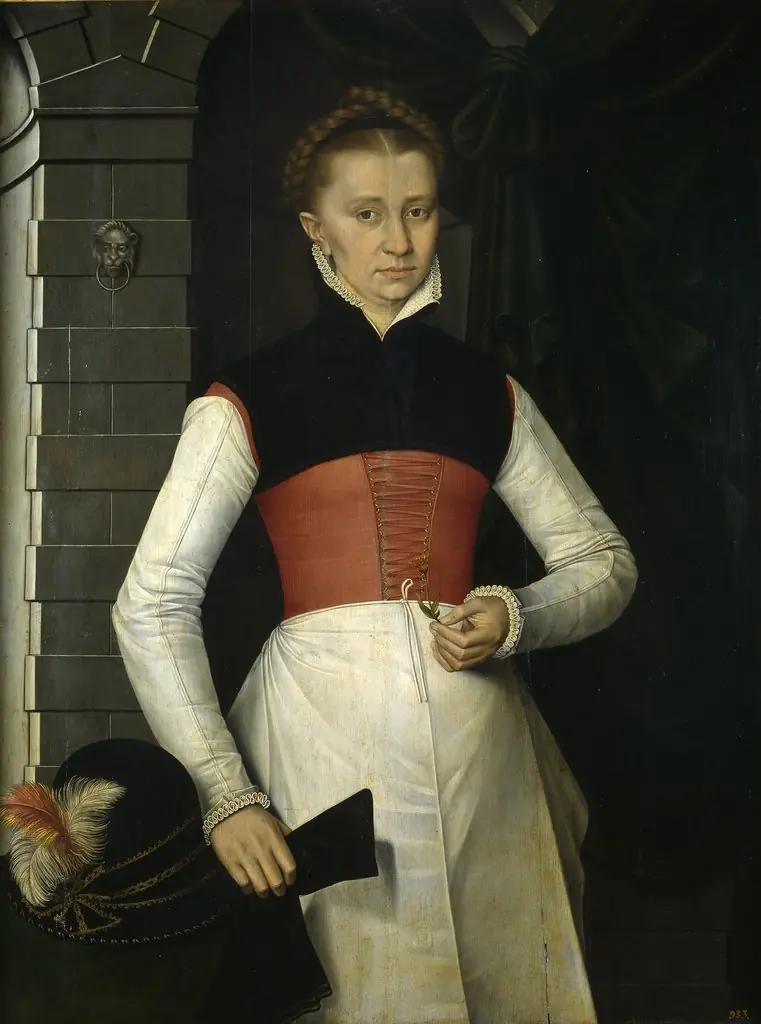
Dama holandesa
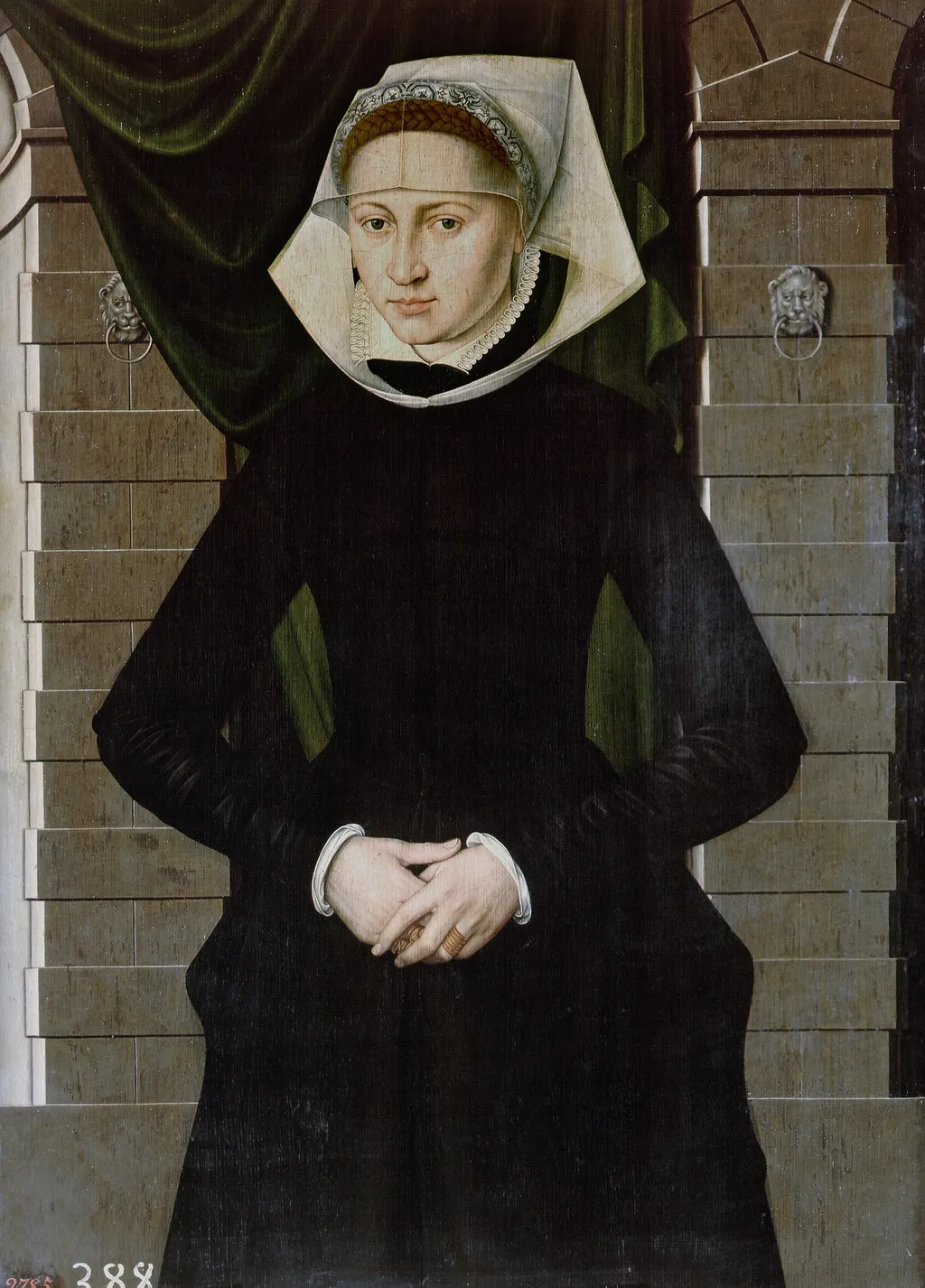
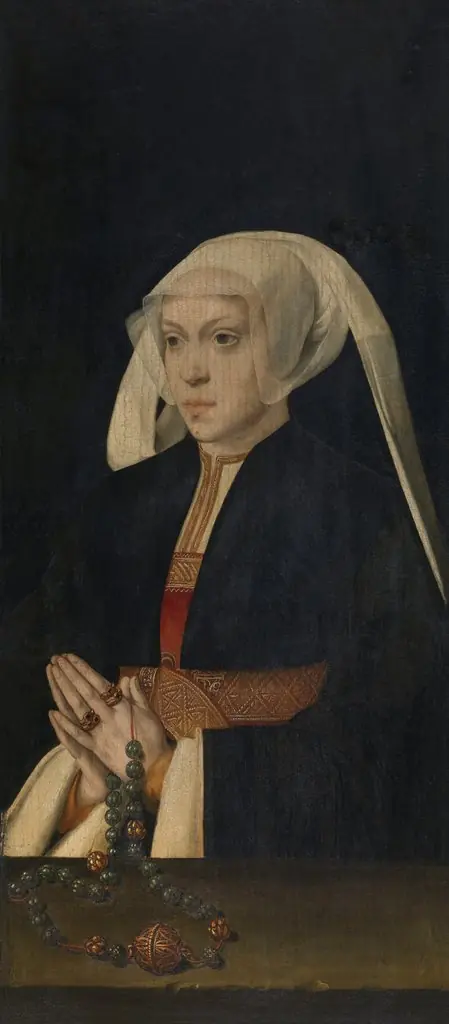
Dama holandesa is an oil painting by the Early Baroque Italian artist Adriaen van Cronenburg. It dates from 1567 and is held in the collection of the Museo del Prado.
About this work
Overview
The painting, titled *Dama holandesa*, is now part of the Museo del Prado’s collection, reflecting its historical significance beyond its regional origins.
Adriaen van Cronenburg painted this oil portrait in 1567 during his active years in the Northern Netherlands. Though little is documented about his life, his work is recognized for its restrained elegance and attention to detail in portraiture. The painting, titled *Dama holandesa*, is now part of the Museo del Prado’s collection, reflecting its historical significance beyond its regional origins.
Subject & Meaning
The subject is a woman dressed in somber black attire, suggesting modesty and social standing. Her clasped hands and direct gaze convey quiet composure, typical of portrait conventions of the time. The absence of overt symbols or elaborate settings shifts focus to her presence, emphasizing dignity rather than status markers. The white cap and pearl necklace hint at personal refinement without overt display.
Technique & Style
Cronenburg employs subtle chiaroscuro to model the woman’s face against the dark fabric of her dress, creating depth without dramatic contrast. The palette is limited to black, white, and muted earth tones, reinforcing a sense of restraint. Soft transitions between light and shadow, along with careful rendering of textures like lace and silk, demonstrate a refined command of oil paint for intimate portraiture.
History & Provenance
The painting was completed in 1567, likely during Cronenburg’s time in the northern provinces of the Netherlands. It entered the Prado’s collection through later acquisitions, possibly as part of Spanish royal or noble holdings. Its attribution to Cronenburg is based on stylistic comparison with his other documented works, though its journey from the Netherlands to Madrid remains partially undocumented.
Context
While often associated with early Baroque tendencies due to its lighting, the portrait aligns more closely with Northern Renaissance traditions in its quiet realism. Unlike Italian contemporaries, Cronenburg avoids theatricality, favoring understated expression. The work reflects the influence of Dutch and Flemish portraiture, where personal dignity and material restraint were valued over grandeur.
Legacy
Though Cronenburg is not widely known today, *Dama holandesa* stands as a representative example of mid-16th-century Northern portraiture. Its preservation in a major European museum underscores its value as a document of regional artistic practice. The painting contributes to understanding how modest, localized styles coexisted with broader European trends during the period.
Own this work as a print
Artist & collection
Artist
Adriaen van Cronenburg (also Cronenburgh, Cronenburch) (Schagen, c. 1525 – Bergum, after 1604) was a Northern Netherlandish painter. He produced mainly portraits. Cronenburg was active between about 1547 and 1590,…

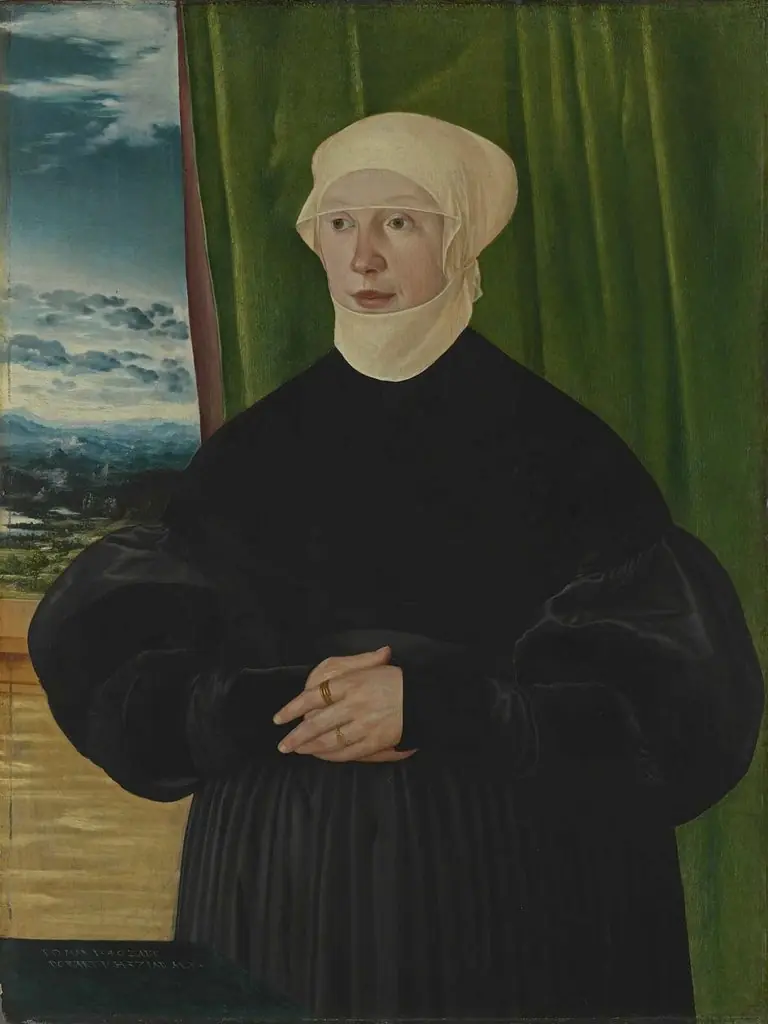 Ligsalz-Bildnisdiptychon: Apollonia Ligsalz, geb. Ridler
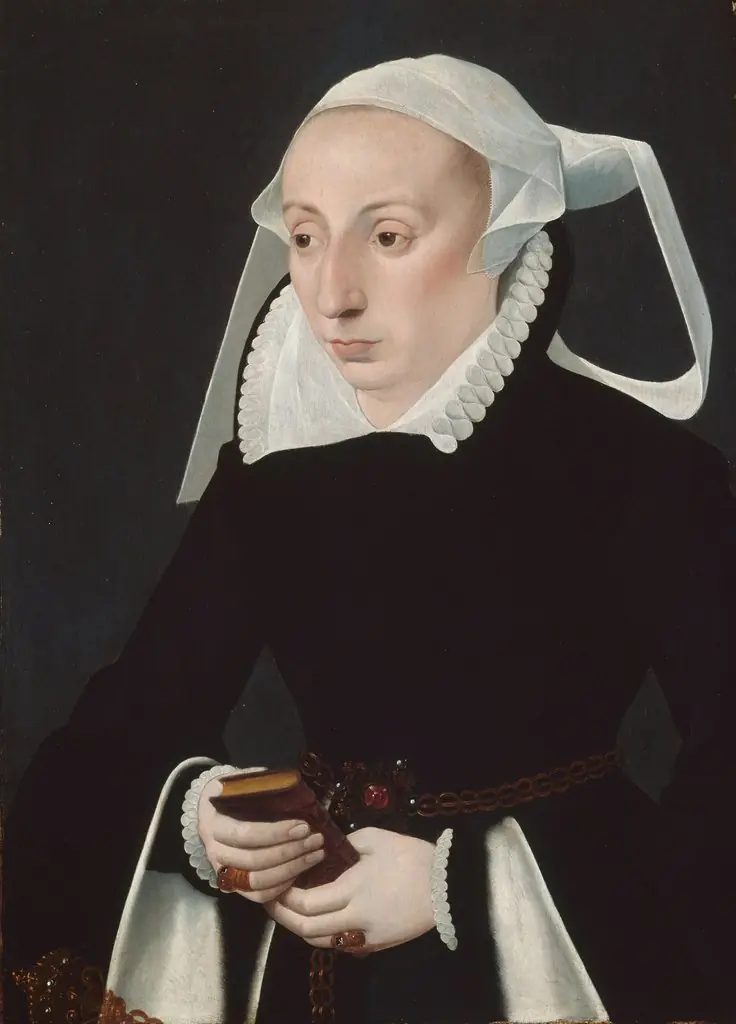 Portrait of a Woman with a Prayer Book
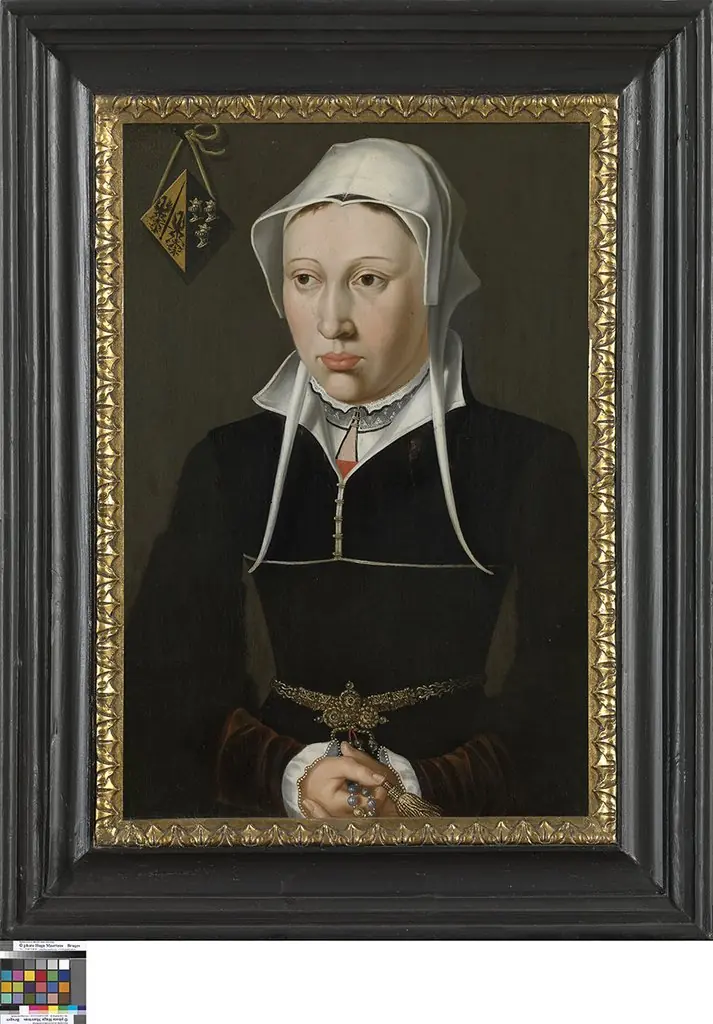 Portrait of the wife of Jan de Fevere
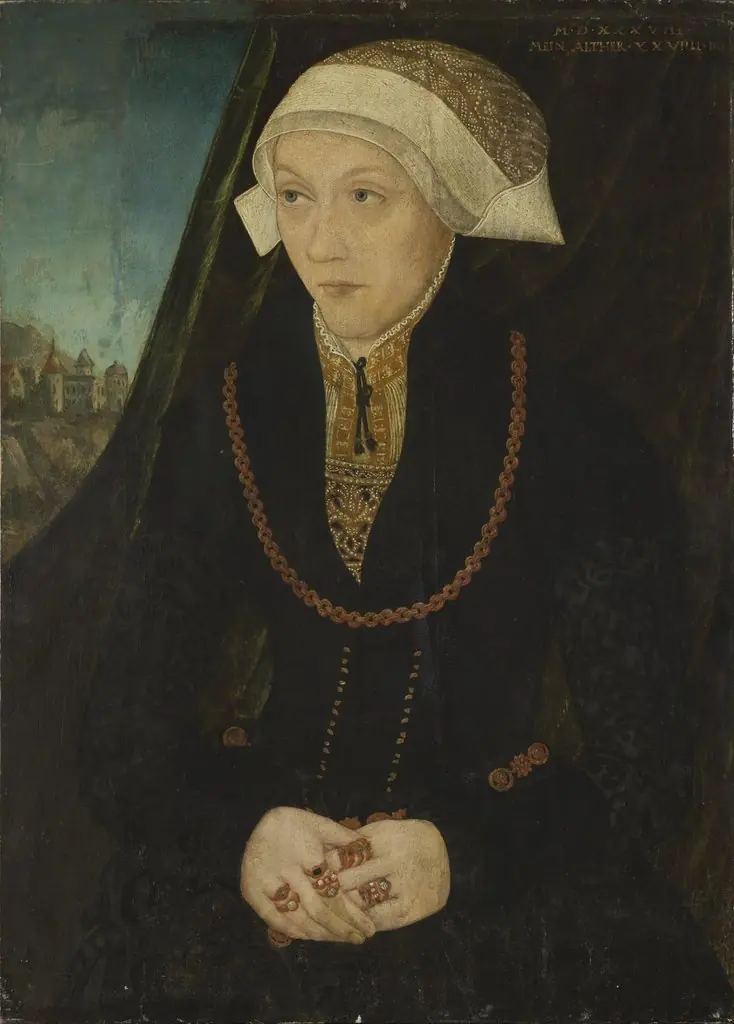 Portrait of a woman
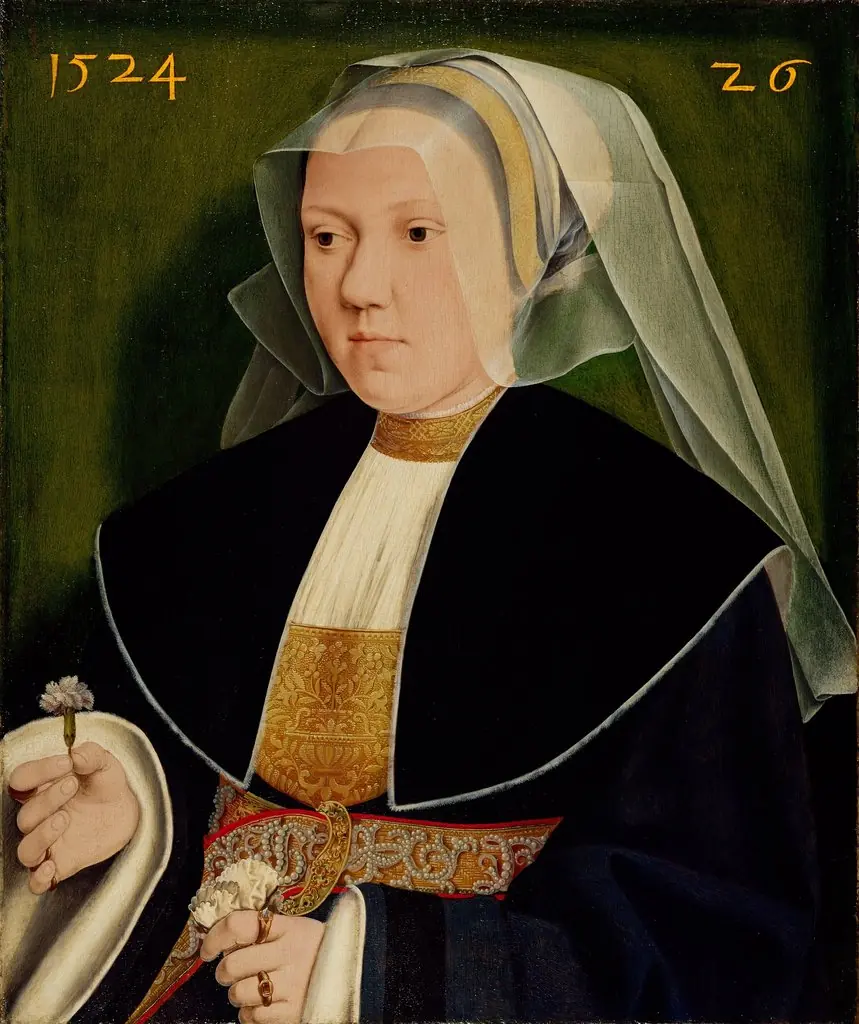 Portrait of Margaretha von Mochau, wife of Gerhard von Westerburg
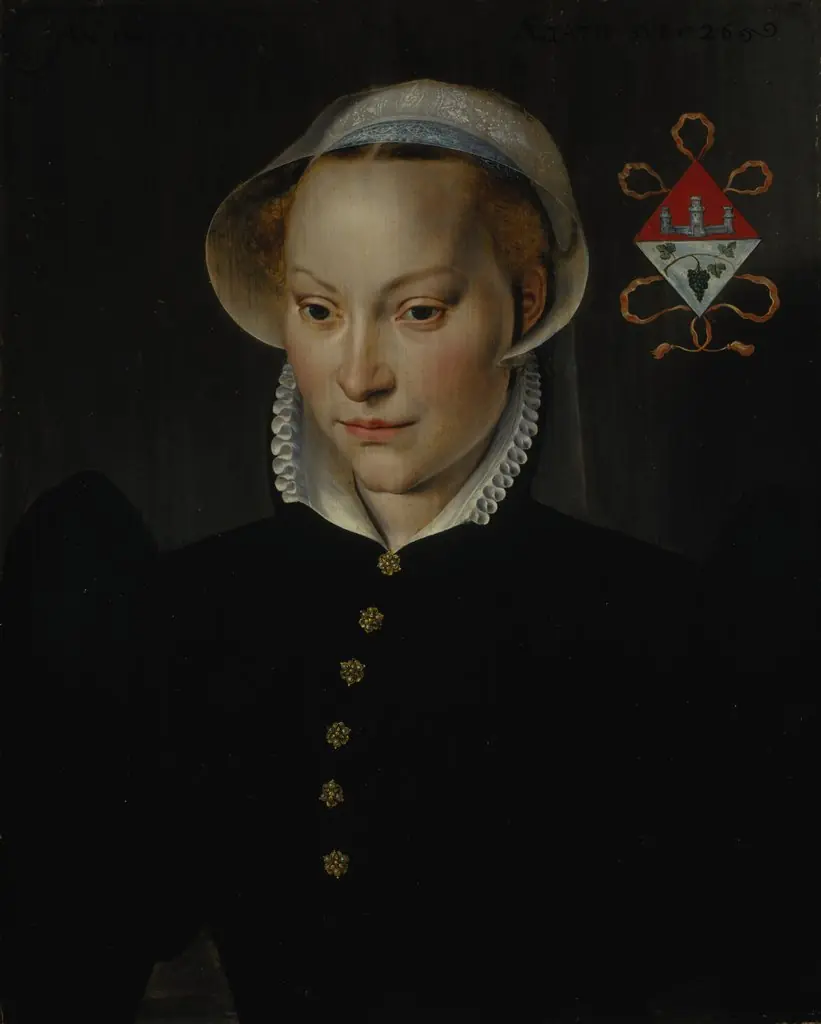 A Married Lady of Bruges, aged 26
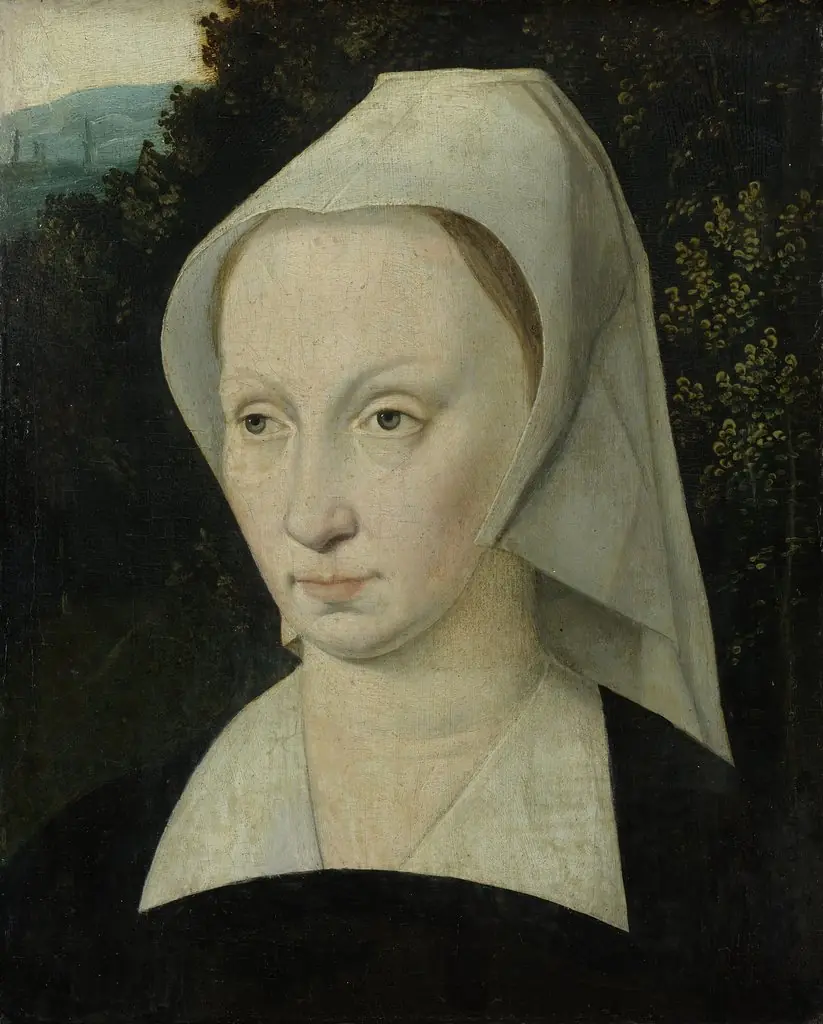 Portrait of a woman
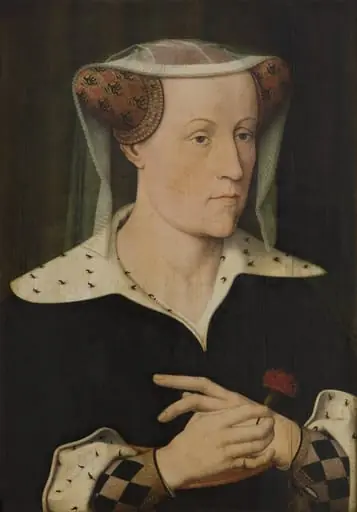 Jacoba of Bavaria, Countess of Holland and Zeeland
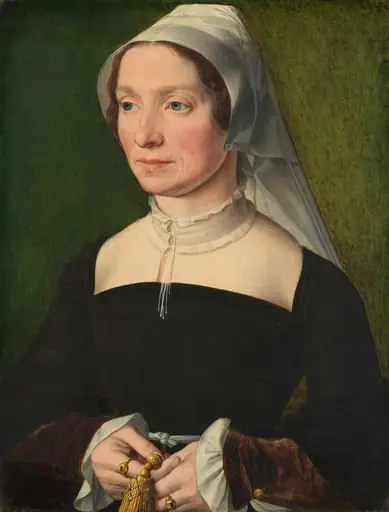 Wife of a Member of the de Hondecoeter Family
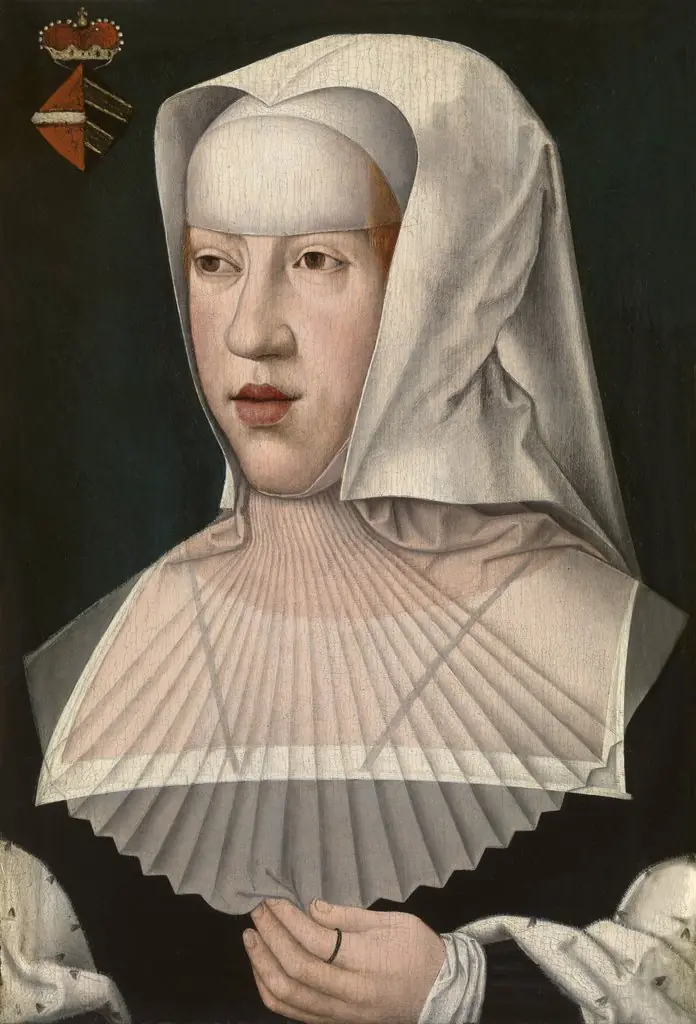 Margareta of Austria
 Portrait of a Woman