Artwork
Triptych with Donors
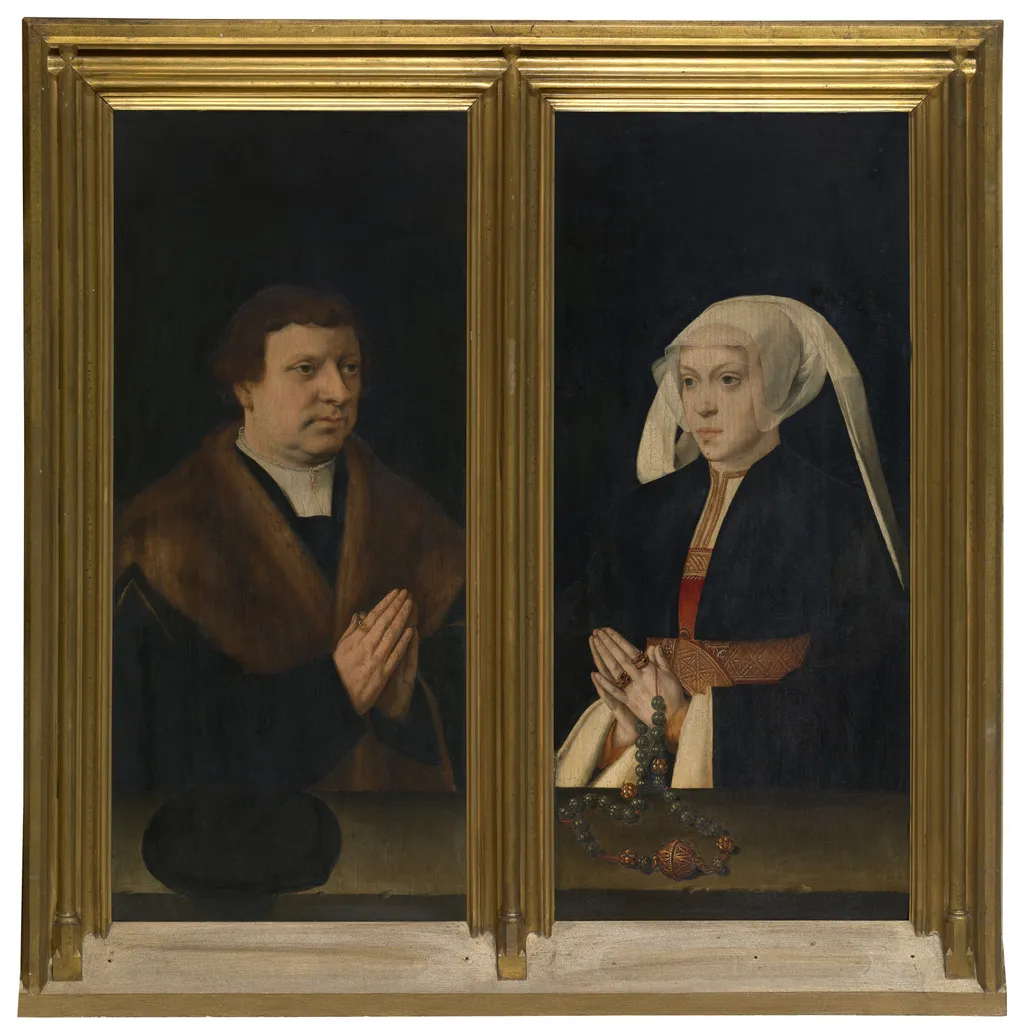
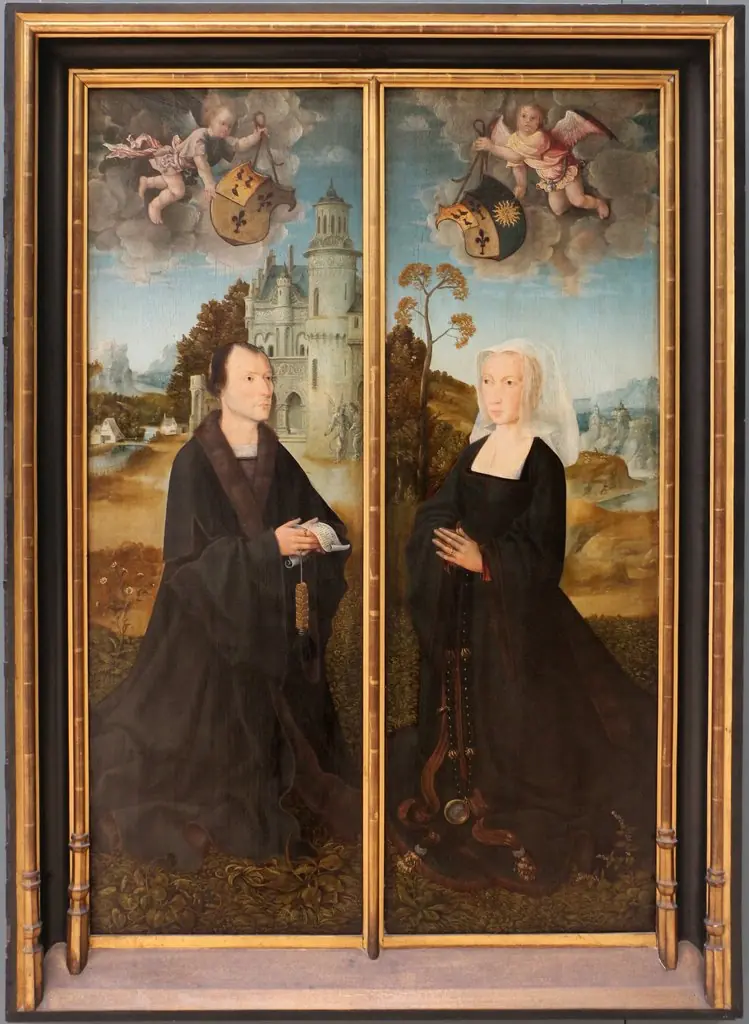
Triptych with Donors is an oil painting by the Northern Renaissance artist Bartholomaeus Bruyn the Elder. It is held in the collection of the Royal Museum of Fine Arts Antwerp. This triptych, executed in oil on panel, exemplifies the devotional art of the Northern Renaissance.
About this work
Overview
This triptych, executed in oil on panel, exemplifies the devotional art of the Northern Renaissance. Created by Bartholomaeus Bruyn the Elder, a prominent figure in Cologne’s artistic circles, the work merges portraiture with religious narrative. Its three-part structure accommodates both sacred and secular subjects, reflecting the period’s emphasis on personal piety within public worship.
Subject & Meaning
The central panel, though not visible here, would traditionally feature a religious scene, anchoring the donors’ piety within a broader sacred context.
The outer panels depict unidentified donors—likely a husband and wife—kneeling in prayer, their clasped hands and somber attire signaling reverence. Such donor portraits, common in Northern European altarpieces, underscore the intersection of private devotion and public patronage. The central panel, though not visible here, would traditionally feature a religious scene, anchoring the donors’ piety within a broader sacred context.
Technique & Style
Bruyn’s meticulous handling of oil paint captures fine details, from the fur trim of the man’s coat to the delicate folds of the woman’s head covering. The dark, neutral background heightens the figures’ presence, a technique typical of Northern Renaissance portraiture. Subtle modeling of faces and hands conveys both individuality and spiritual absorption, aligning with Cologne’s conservative yet refined artistic traditions.
History & Provenance
Bruyn, active in Cologne during the first half of the sixteenth century, produced this work as part of his prolific output of altarpieces and portraits. The triptych’s current home in the Royal Museum of Fine Arts Antwerp suggests a later migration from its original ecclesiastical or private setting. Its precise commission and early ownership remain undocumented, though its survival attests to sustained appreciation.
Context
The triptych reflects the Northern Renaissance’s fusion of religious and secular concerns. Donor portraits like these served dual purposes: honoring patrons while asserting their faith. Cologne’s role as a center of commerce and devotion likely shaped Bruyn’s clientele, which included merchants and clergy seeking works that balanced personal identity with collective worship.
Legacy
Bruyn’s triptychs contributed to Cologne’s reputation as a hub of devotional art, bridging medieval traditions and Renaissance innovations. While less celebrated than Netherlandish contemporaries, his works preserve the era’s emphasis on clarity, piety, and portraiture. This triptych’s enduring presence in a major collection underscores its role in documenting Northern Renaissance practices.
Artist & collection
Artist
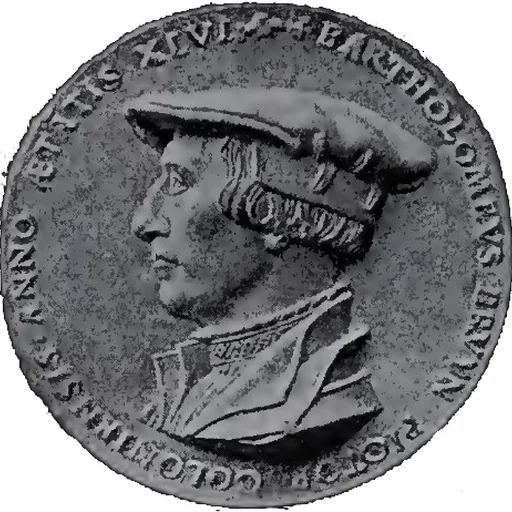
Bartholomäus Bruyn (1493–1555), usually called Barthel Bruyn or Barthel Bruyn the Elder, was a German Renaissance painter active in Cologne. He painted altarpieces and portraits, and was Cologne's foremost portrait painter of his day.

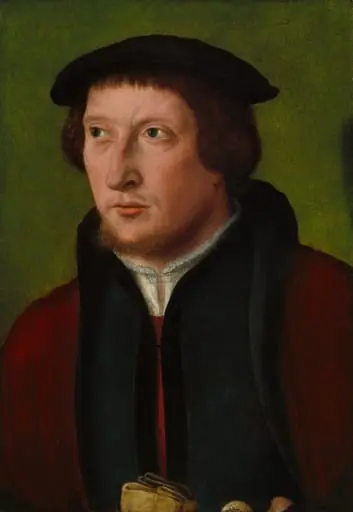 Portrait of a Man
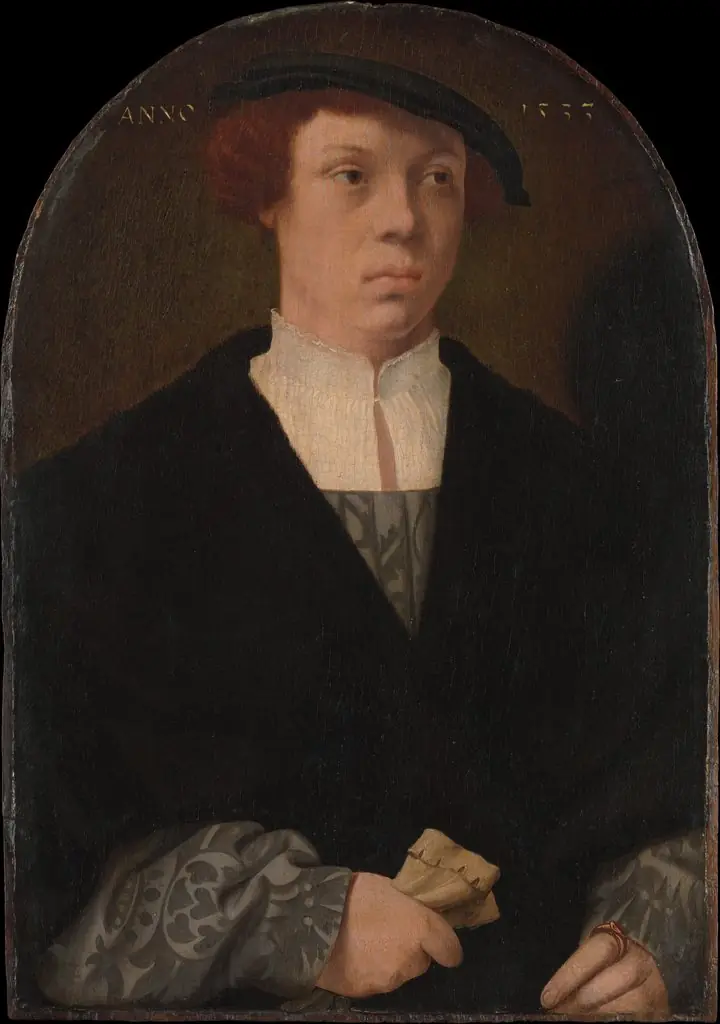 Portrait of a Man
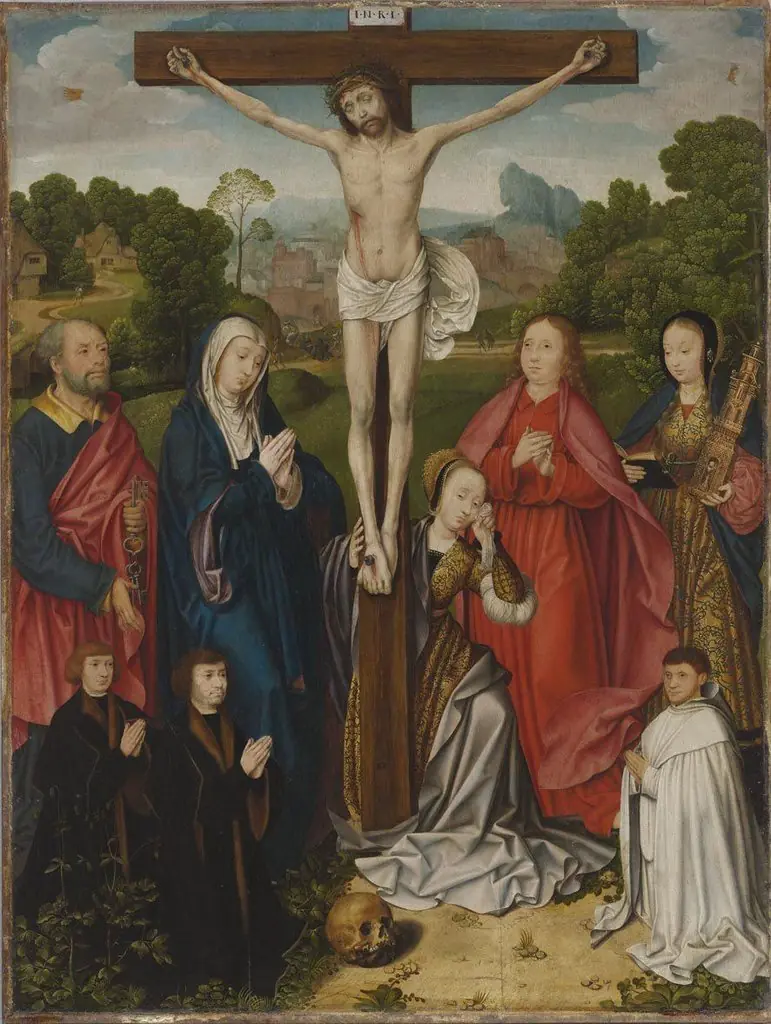 Christ on the cross with the saints Peter, Mary, Mary Magdalene, John the Evangelist and Barbara, with three donors
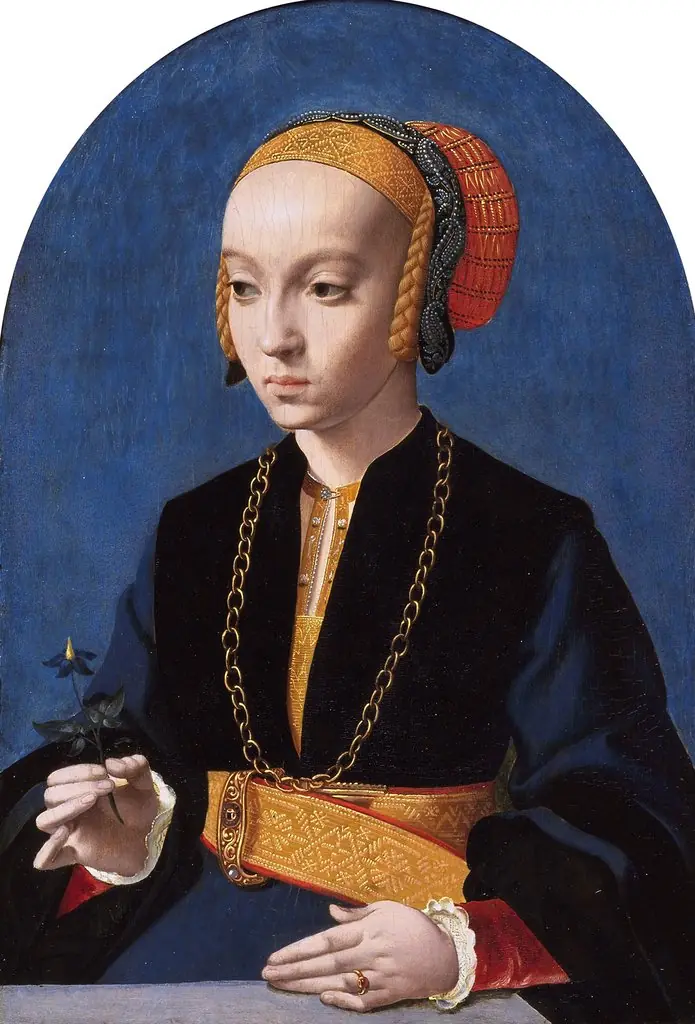 Portrait of Elisabeth Bellinghausen
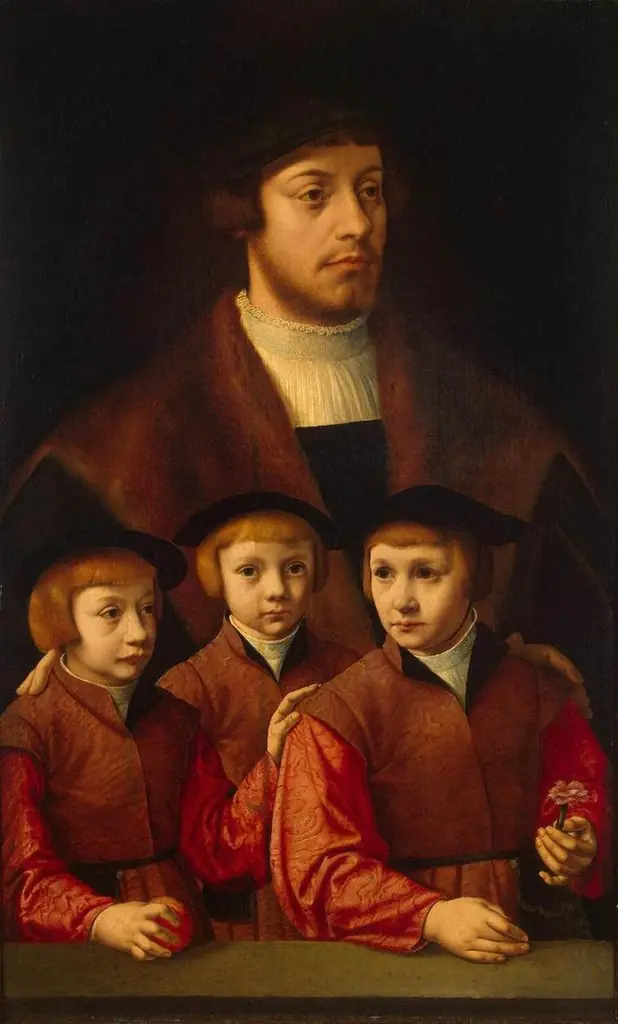 Portrait of a Man and His Three Sons
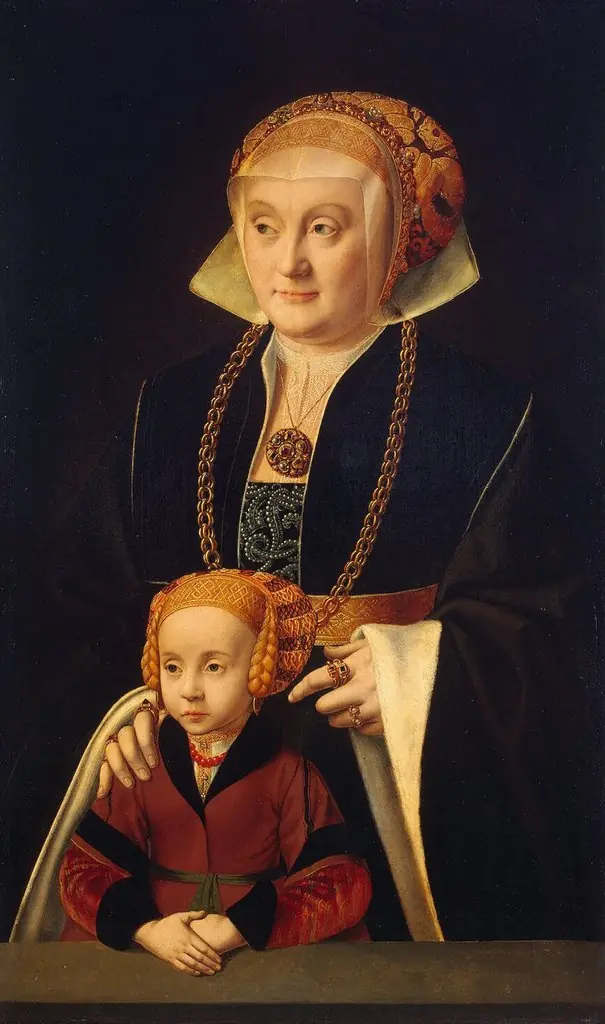 Portrait of a Lady and Her Daughter
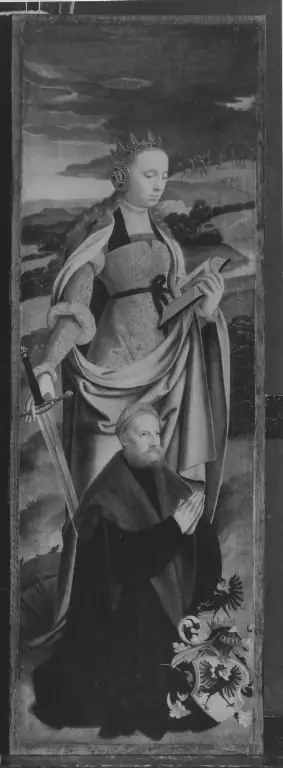 Rinck-Altar II:Saint Catherine with donor Hermann Rinck
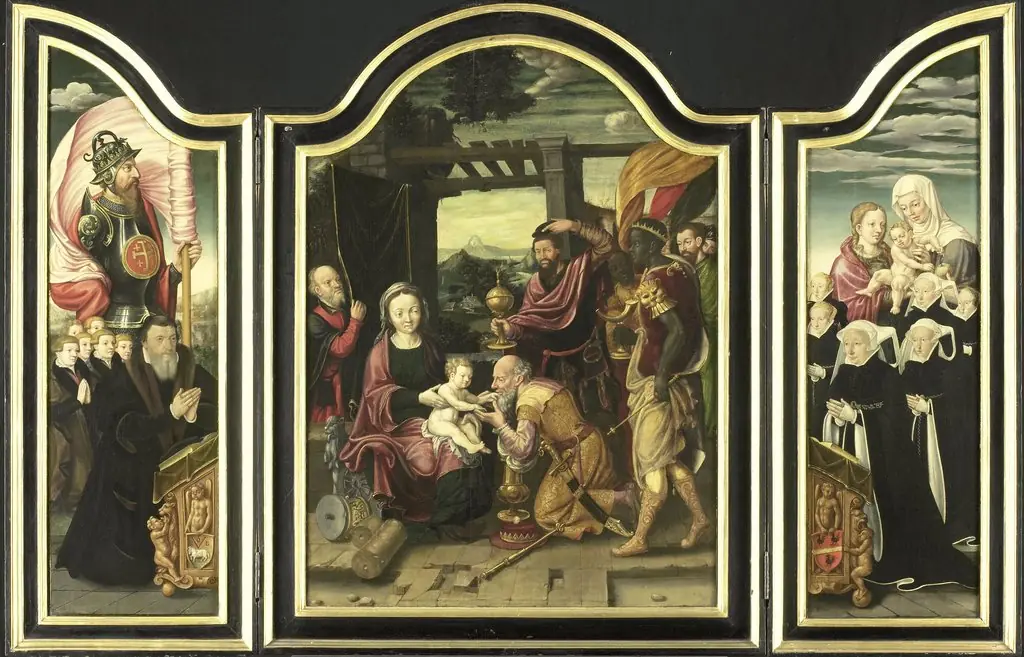 Triptych with the Adoration of the Magi
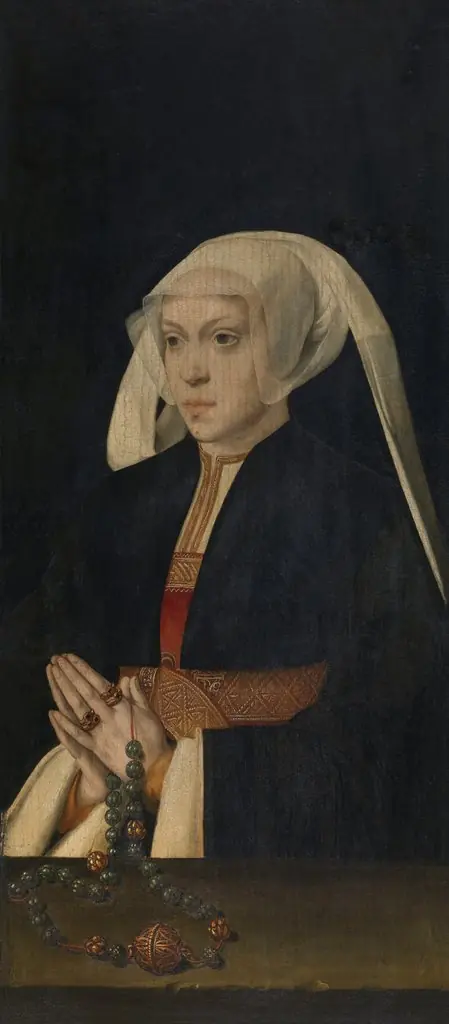 Portrait of a Woman
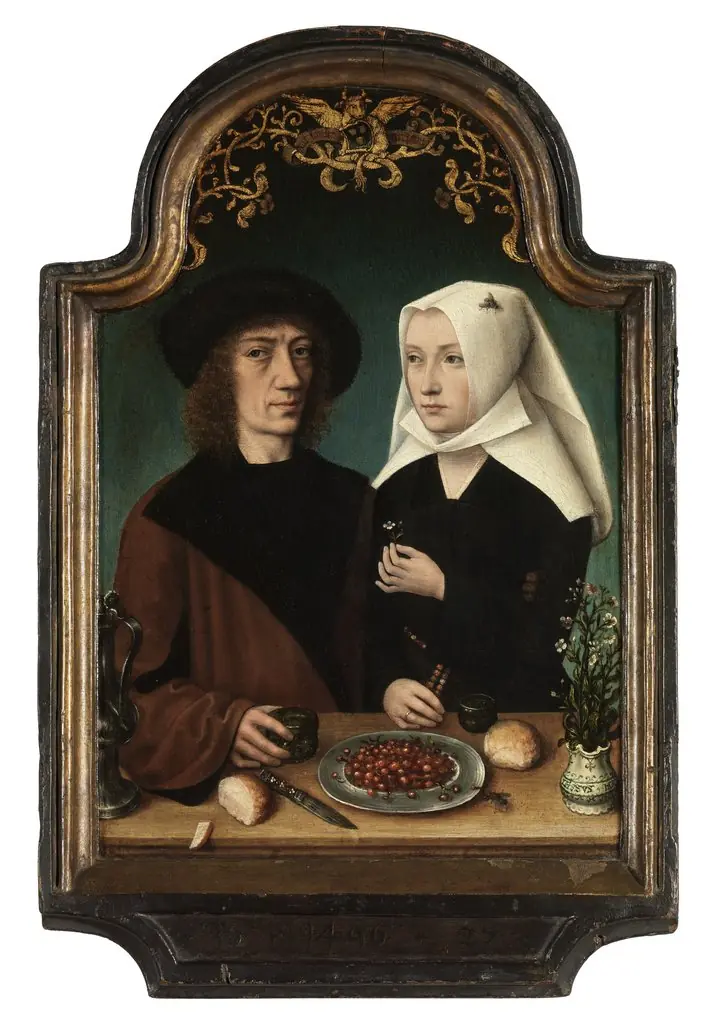 The Painter and his Wife
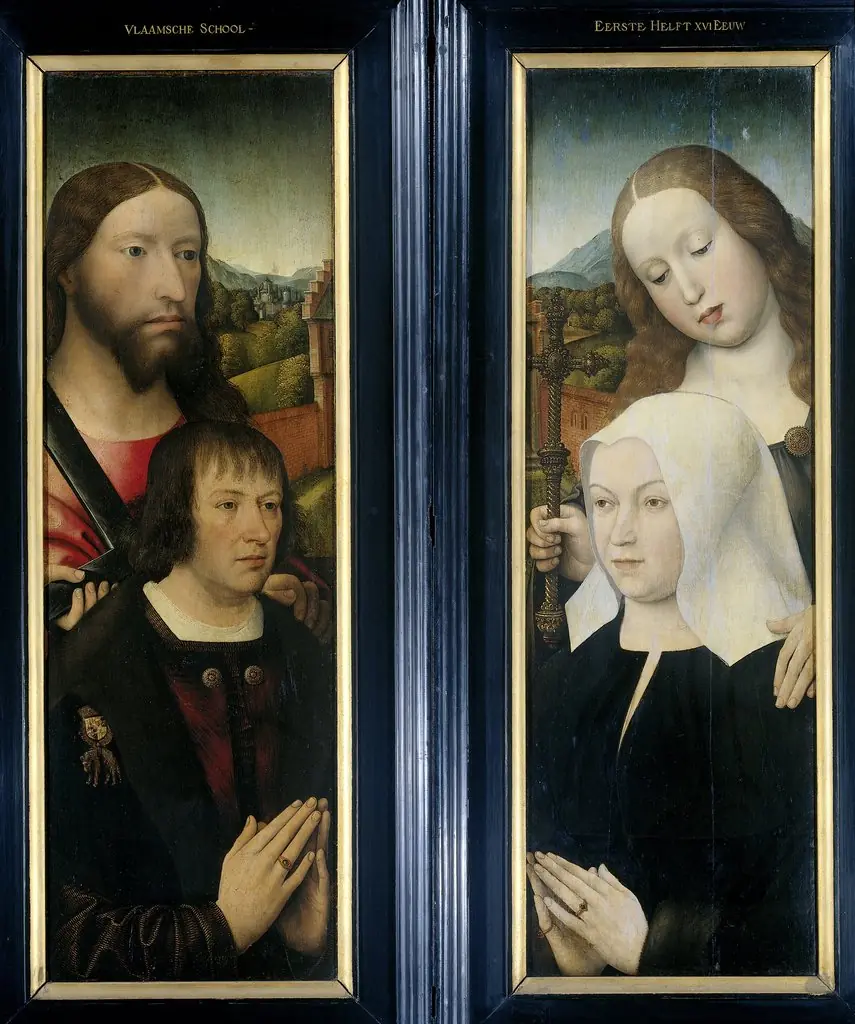 Two Wings of a Triptych with the Donor, Thomas Isaacq, accompanied by Saint Thomas (left, outer wing), and the Donor's Wife accompanied by Saint Margaret (right, outer wing)
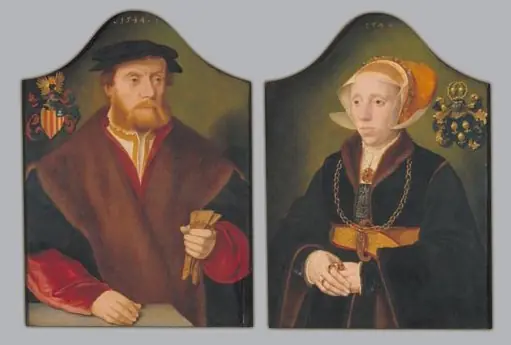 Christian von Conersheim and his Wife Elisabeth von Brauweiler
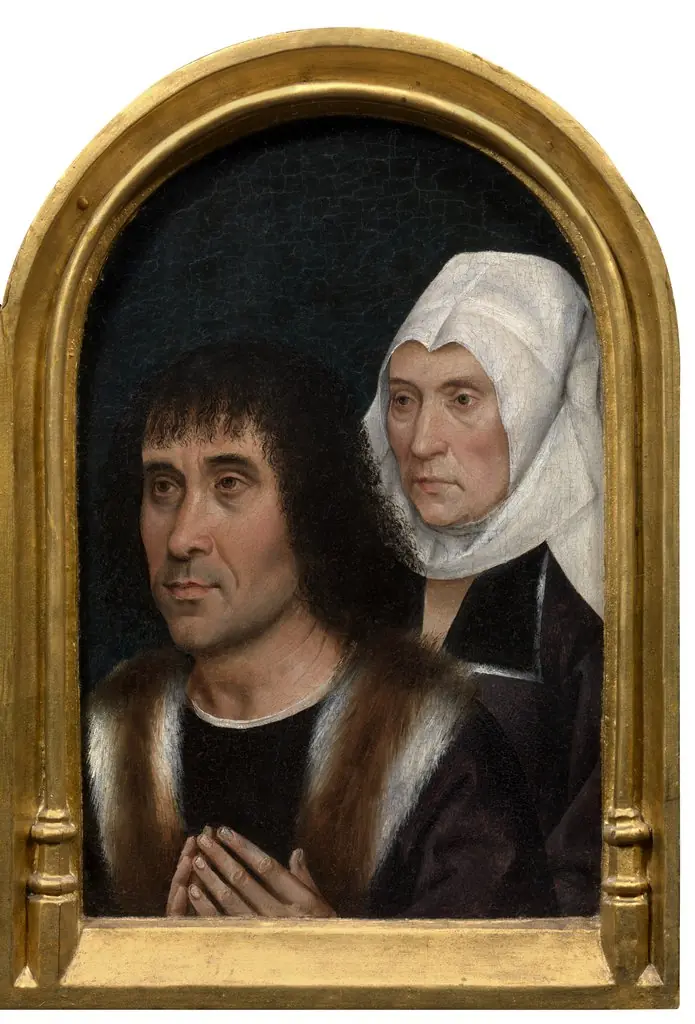 Two donors (interior right wing)
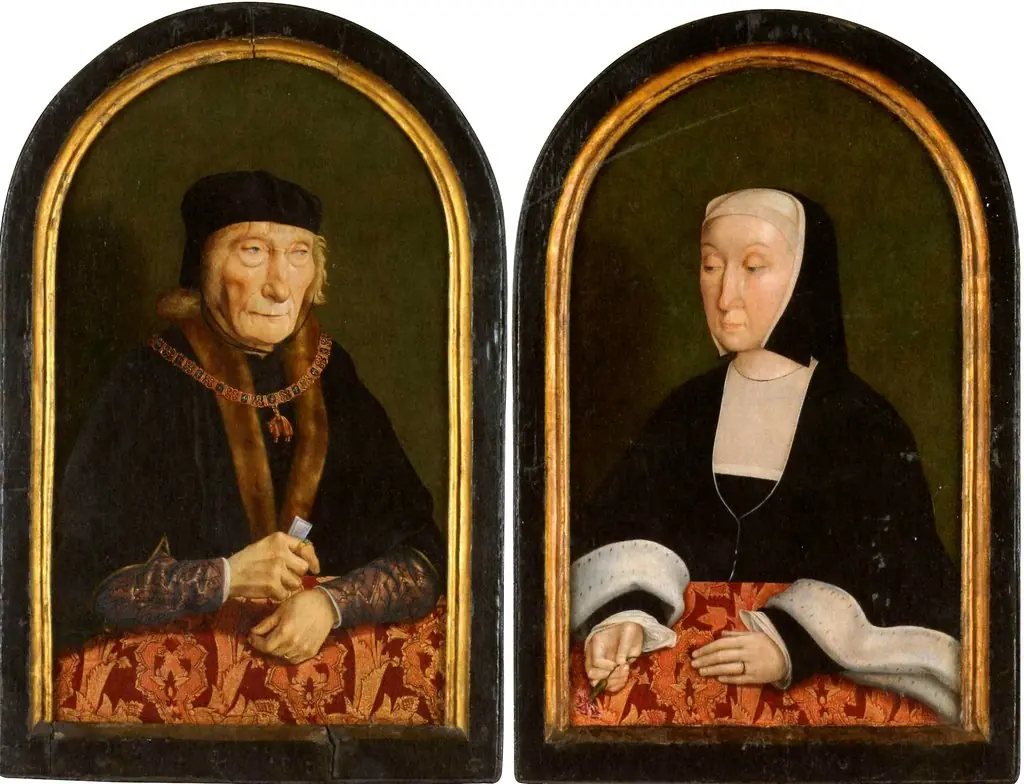 Portrait of Jan III, First Count of Egmond (1438–1516) and his wife Magdalena van Werdenburg, Countess of Egmond (1464–1538)
 Portraits of François Colibrant and Lysbeth Biers
 Margarethe von Aich (1517–1570)