Artwork
Christian von Conersheim and his Wife Elisabeth von Brauweiler
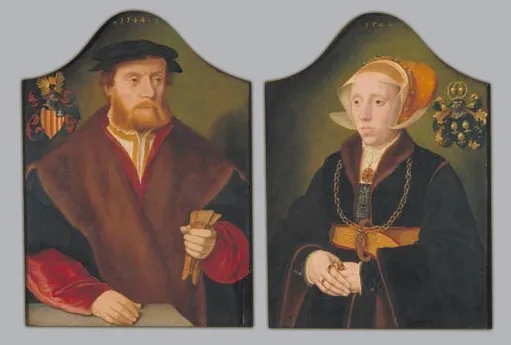
Christian von Conersheim and his Wife Elisabeth von Brauweiler is an unspecified painting by the Northern Renaissance artist Bartholomaeus Bruyn the Elder. It dates from 1544 and is held in the collection of the National Gallery of Canada.
About this work
Overview
Painted in 1544 by Bartholomaeus Bruyn the Elder, this double portrait captures Christian von Conersheim and his wife Elisabeth von Brauweiler.
Painted in 1544 by Bartholomaeus Bruyn the Elder, this double portrait captures Christian von Conersheim and his wife Elisabeth von Brauweiler. Bruyn, a prominent Cologne-based artist, specialized in depicting regional elites with quiet dignity. The work reflects the growing trend among German burghers and minor nobility to commission formal likenesses that asserted social standing through composed, restrained imagery.
Subject & Meaning
The couple is presented as a unit of social and familial continuity. Christian holds a folded document, suggesting legal or administrative authority, while Elisabeth’s adorned attire signals her lineage and marital status. Their direct gaze and still posture convey mutual respect and stability, aligning with Renaissance ideals of marital harmony and civic responsibility among the upper classes.
Technique & Style
Bruyn employs subtle chiaroscuro to model the figures’ faces and fabrics, enhancing volume without theatricality. The textures of fur, silk, and paper are rendered with precise brushwork, while the muted green background isolates the subjects without distraction. His palette is restrained, favoring deep browns, blacks, and gold accents to emphasize material wealth and somber decorum over ornamentation.
History & Provenance
The painting remained in private German collections until the 20th century, when it entered the National Gallery of Canada’s holdings. Its documented attribution to Bruyn and its clear provenance from the Rhineland region support its authenticity. It is among the few surviving double portraits by the artist that retain their original frame and condition.
Context
Created during the Protestant Reformation, the portrait reflects a shift away from religious iconography toward secular identity. Northern German elites increasingly used portraiture to assert personal and familial prestige. Bruyn’s work aligns with contemporaries like Holbein, though his style is more localized, less idealized, and grounded in the material culture of Cologne’s merchant class.
Legacy
Bruyn’s portraits, including this one, provide insight into the visual language of early 16th-century German civic life. Though less celebrated than his Italian or Flemish peers, his disciplined approach influenced regional portraiture and remains a key reference for understanding how non-royal families presented themselves in an era of religious and social transformation.
Artist & collection
Artist
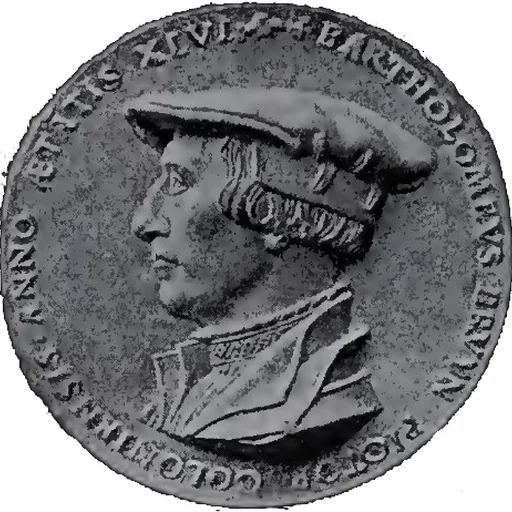
Bartholomäus Bruyn (1493–1555), usually called Barthel Bruyn or Barthel Bruyn the Elder, was a German Renaissance painter active in Cologne. He painted altarpieces and portraits, and was Cologne's foremost portrait painter of his day.

 Portrait of a Man
 Portrait of a Man
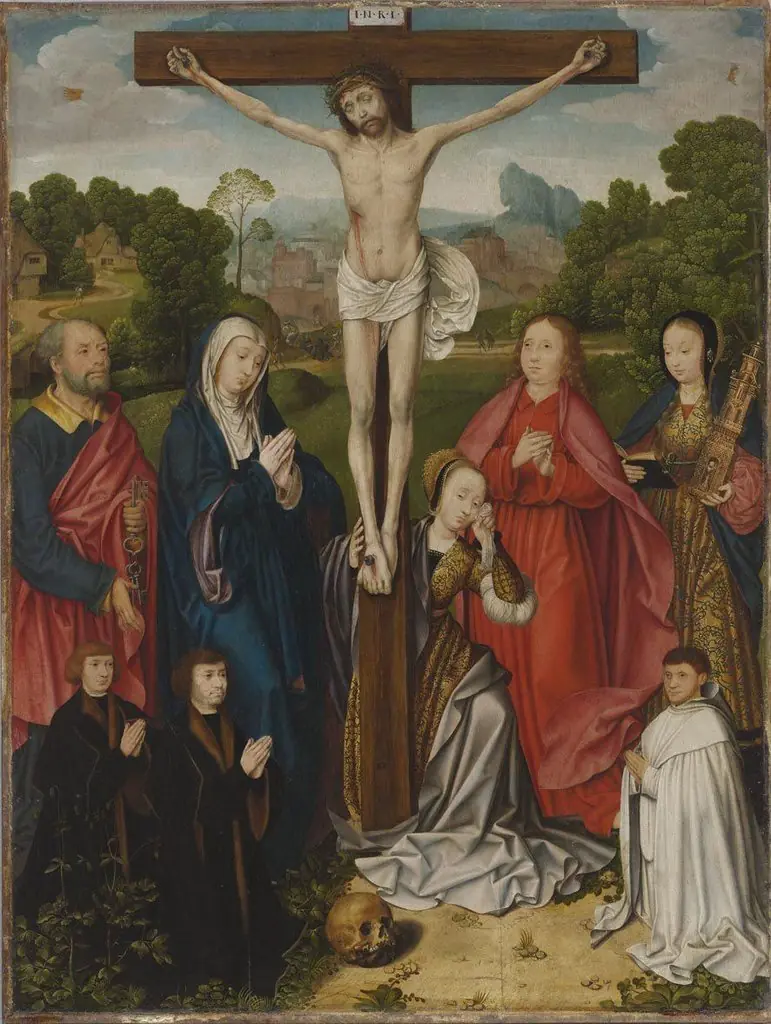 Christ on the cross with the saints Peter, Mary, Mary Magdalene, John the Evangelist and Barbara, with three donors
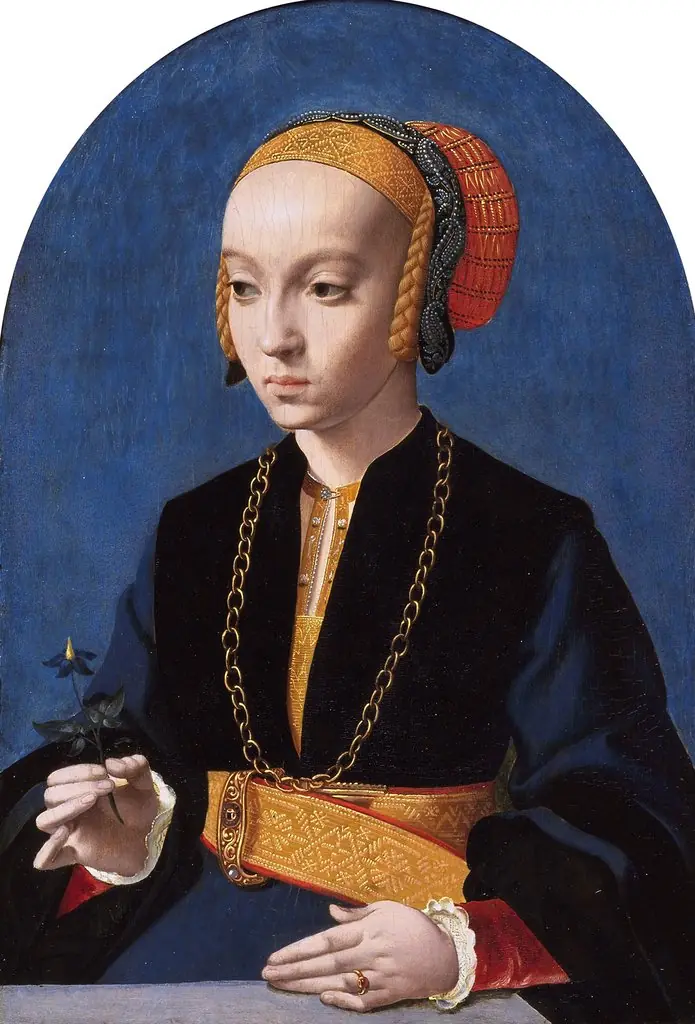 Portrait of Elisabeth Bellinghausen
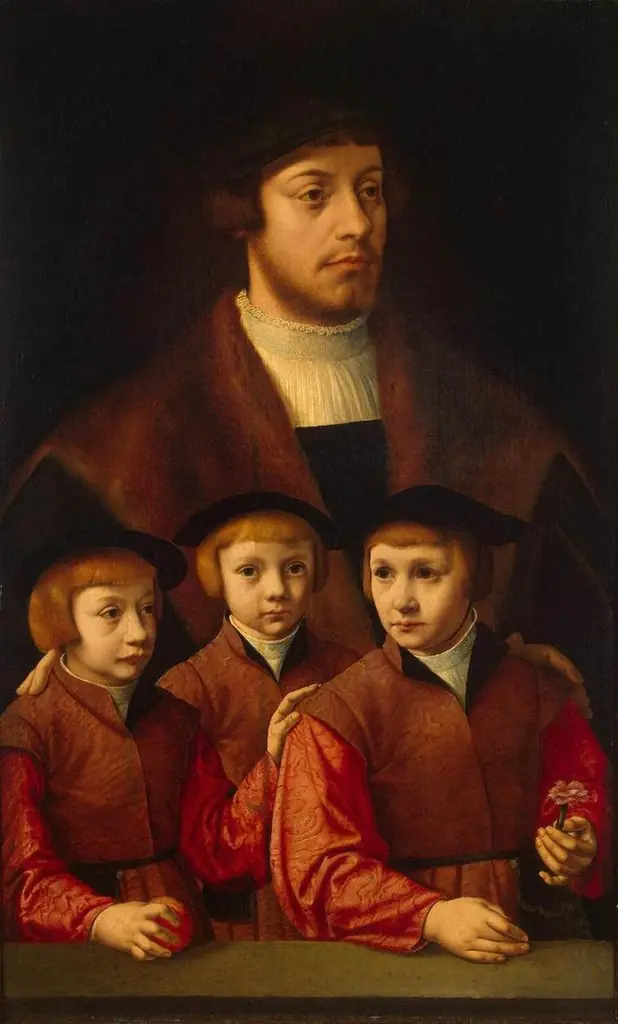 Portrait of a Man and His Three Sons
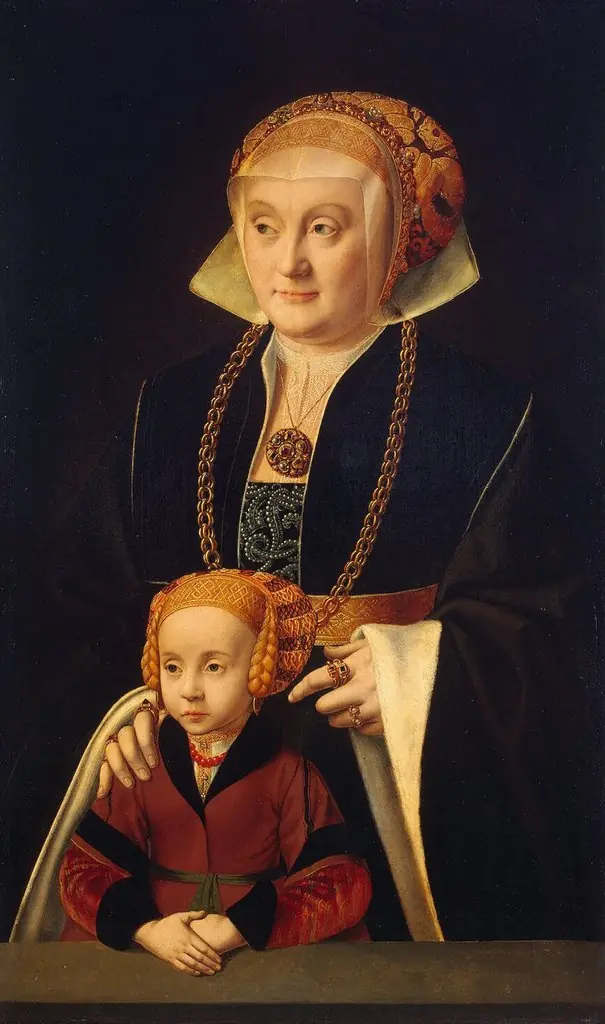 Portrait of a Lady and Her Daughter
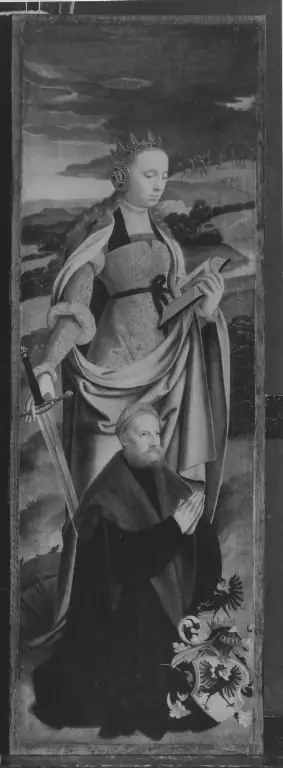 Rinck-Altar II:Saint Catherine with donor Hermann Rinck
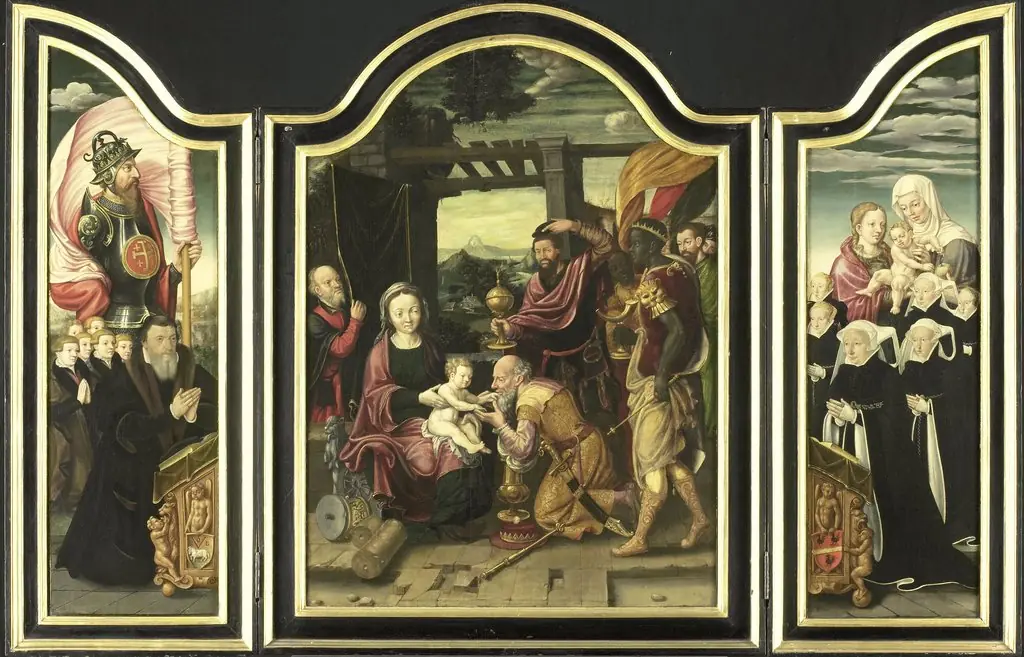 Triptych with the Adoration of the Magi
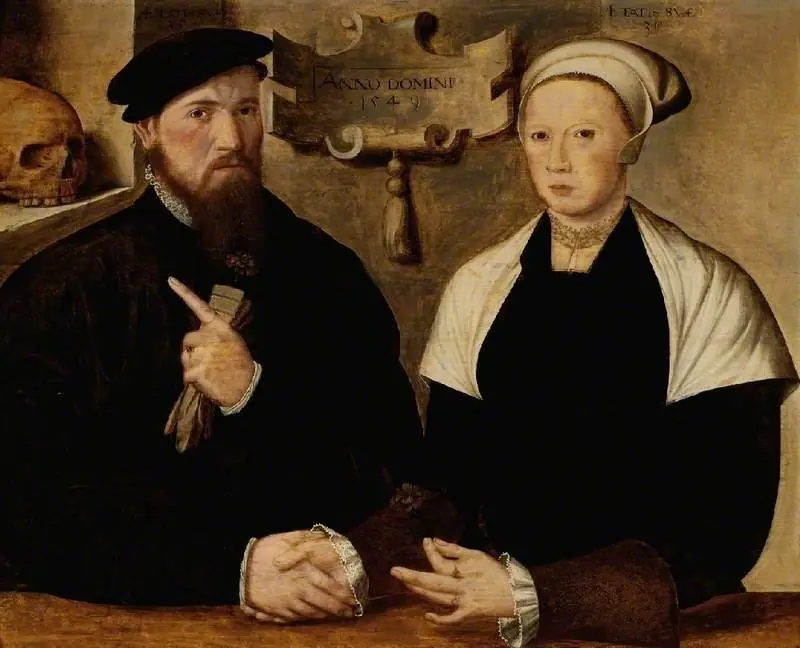 A man and his wife
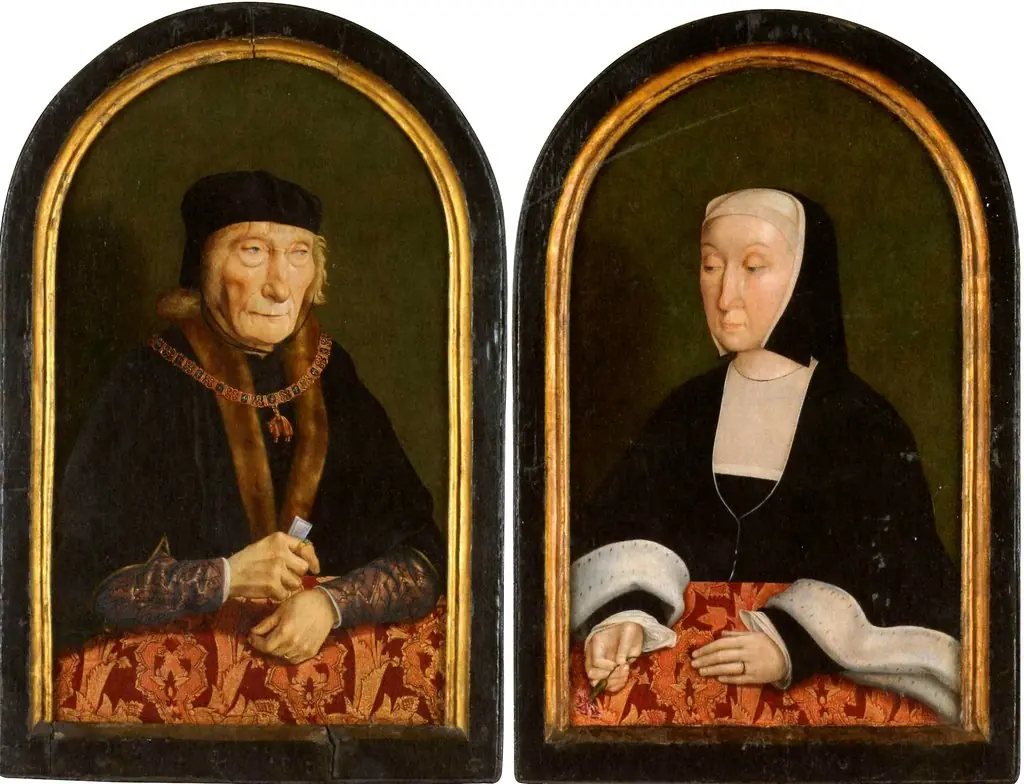 Portrait of Jan III, First Count of Egmond (1438–1516) and his wife Magdalena van Werdenburg, Countess of Egmond (1464–1538)
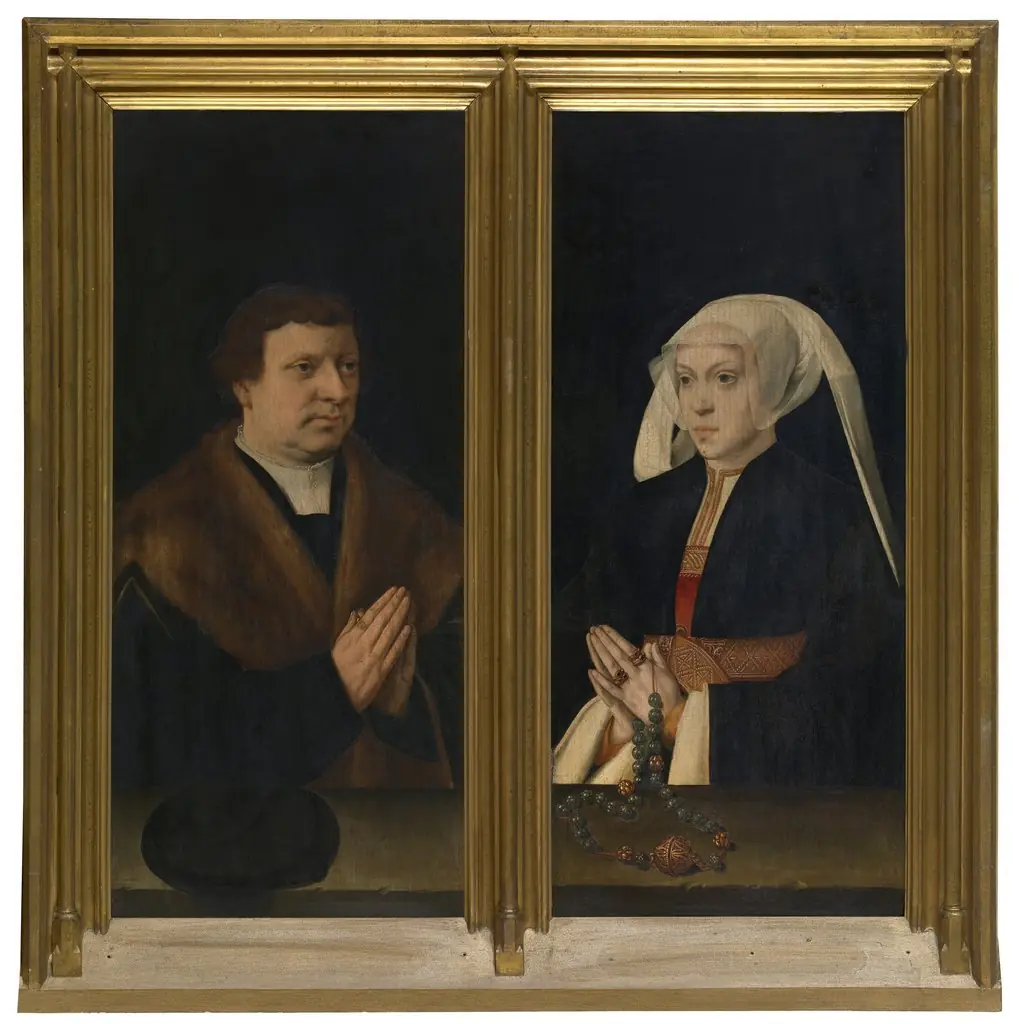 Triptych with Donors
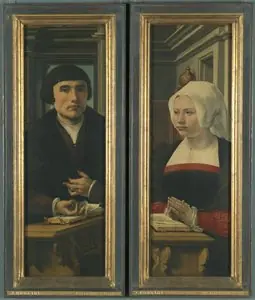 Side wings of the Norfolk Triptych: portraits of donors
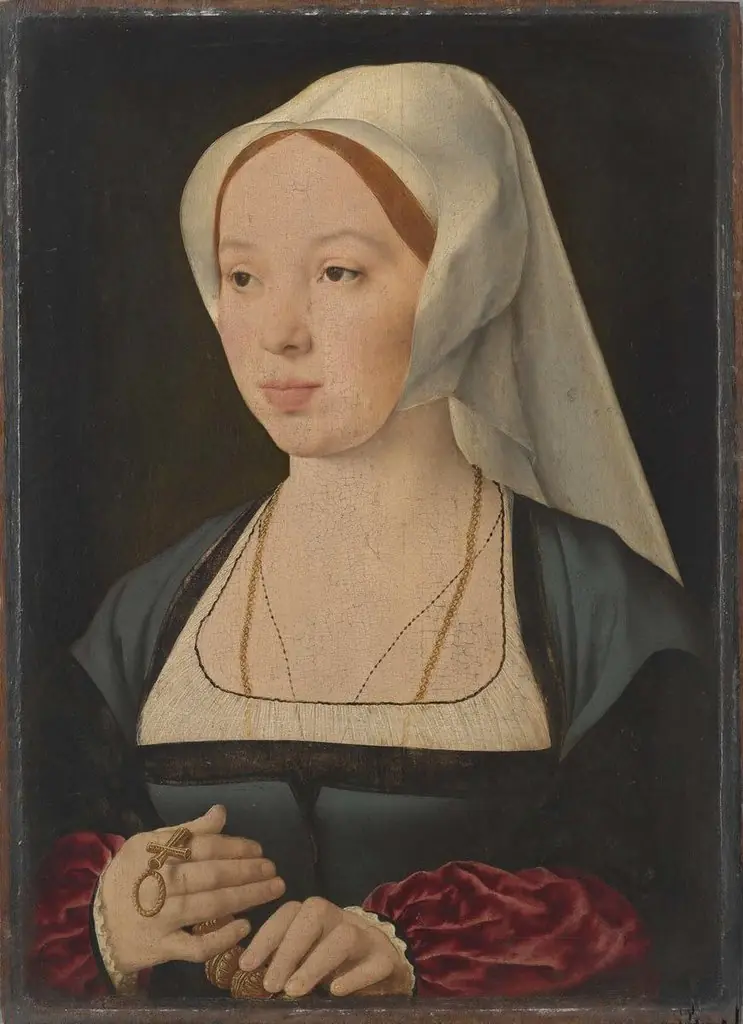 Portrait of a Lady
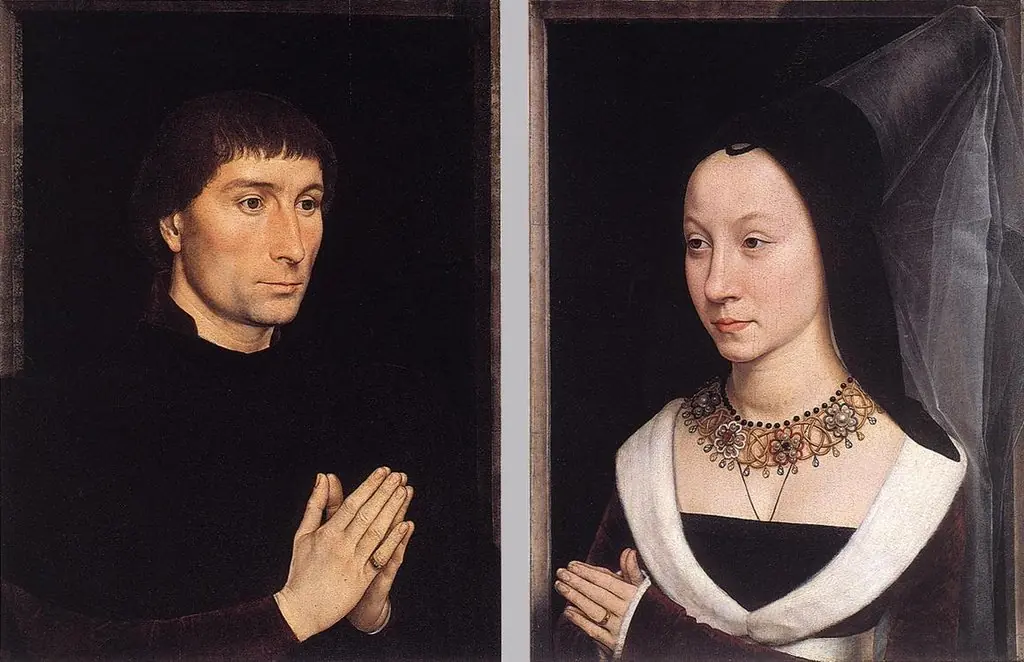 Tommaso di Folco Portinari (1428–1501); Maria Portinari (Maria Maddalena Baroncelli, born 1456)
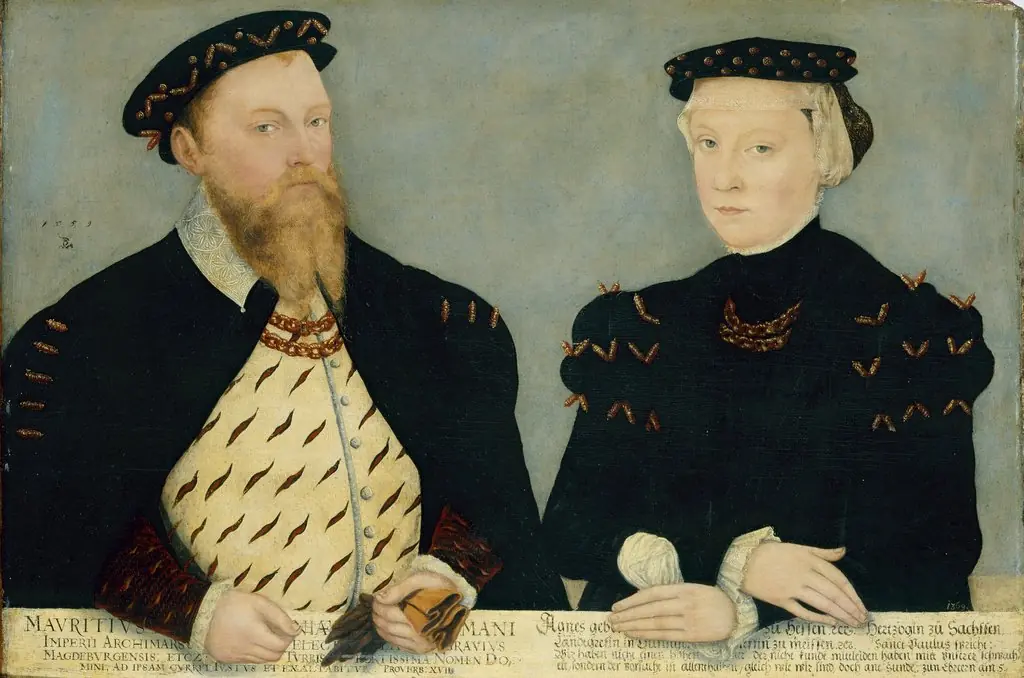 Moritz, Elector of Saxony and his wife Agnes
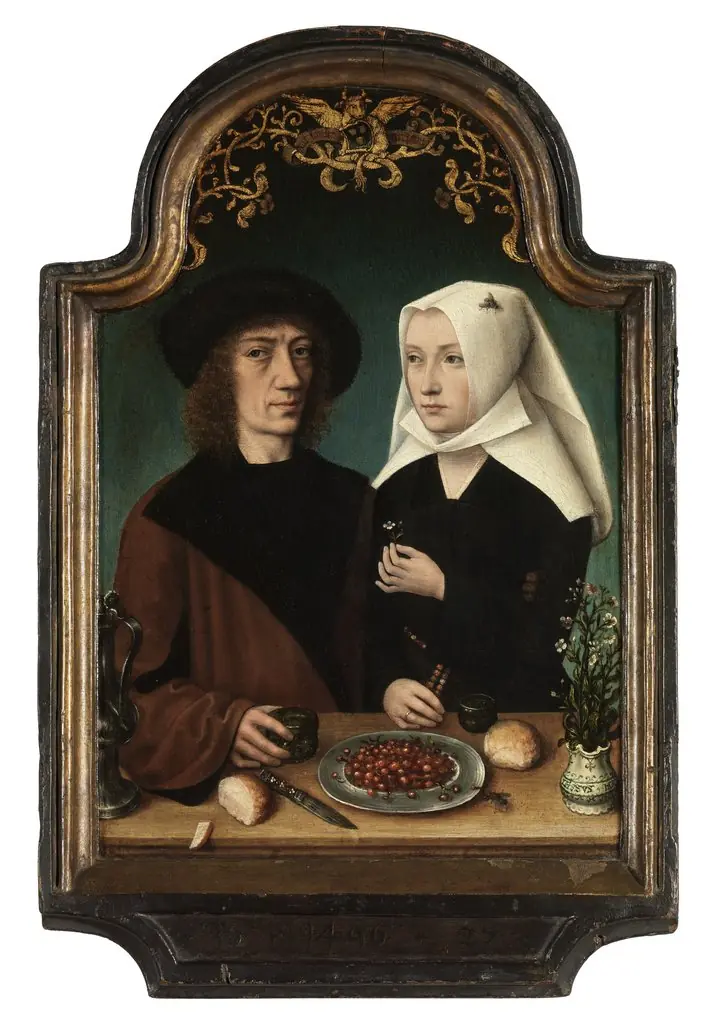 The Painter and his Wife
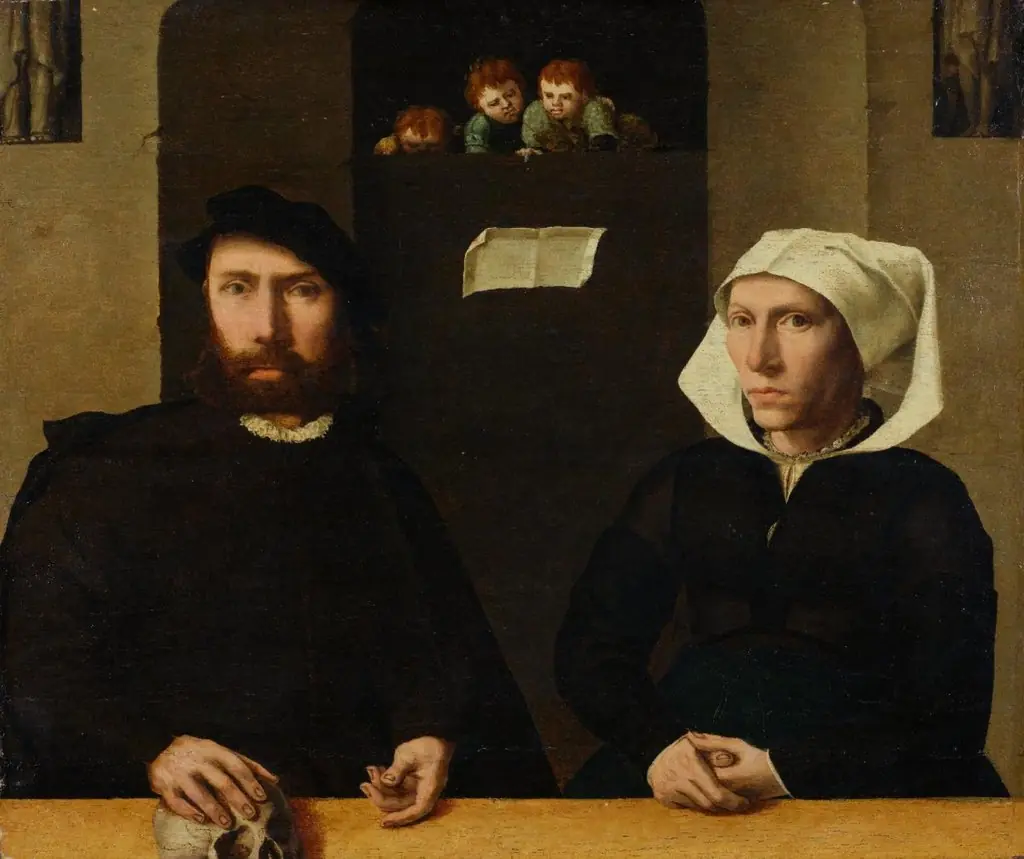 Pieter Coecke van Aelst, his Wife Mayken Verhulst and Their Children
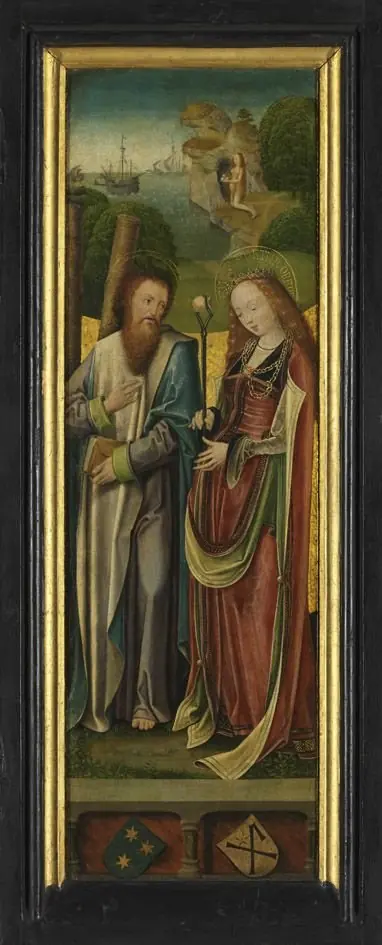 Flügelpaar: Die hll. Andreas und Agatha Außenseite: Maria der Verkündigung
 Johann Friedrich von Sachsen ("der Großmütige") als Knabe und seine Mutter Sophie von Mecklenburg
 Portrait of Gillis Hooftman, Shipowner, and his Wife Margaretha van Nispen (Gilles van Eichelenberg, called Hoffman)