Artwork
Glaucus   and  Scylla
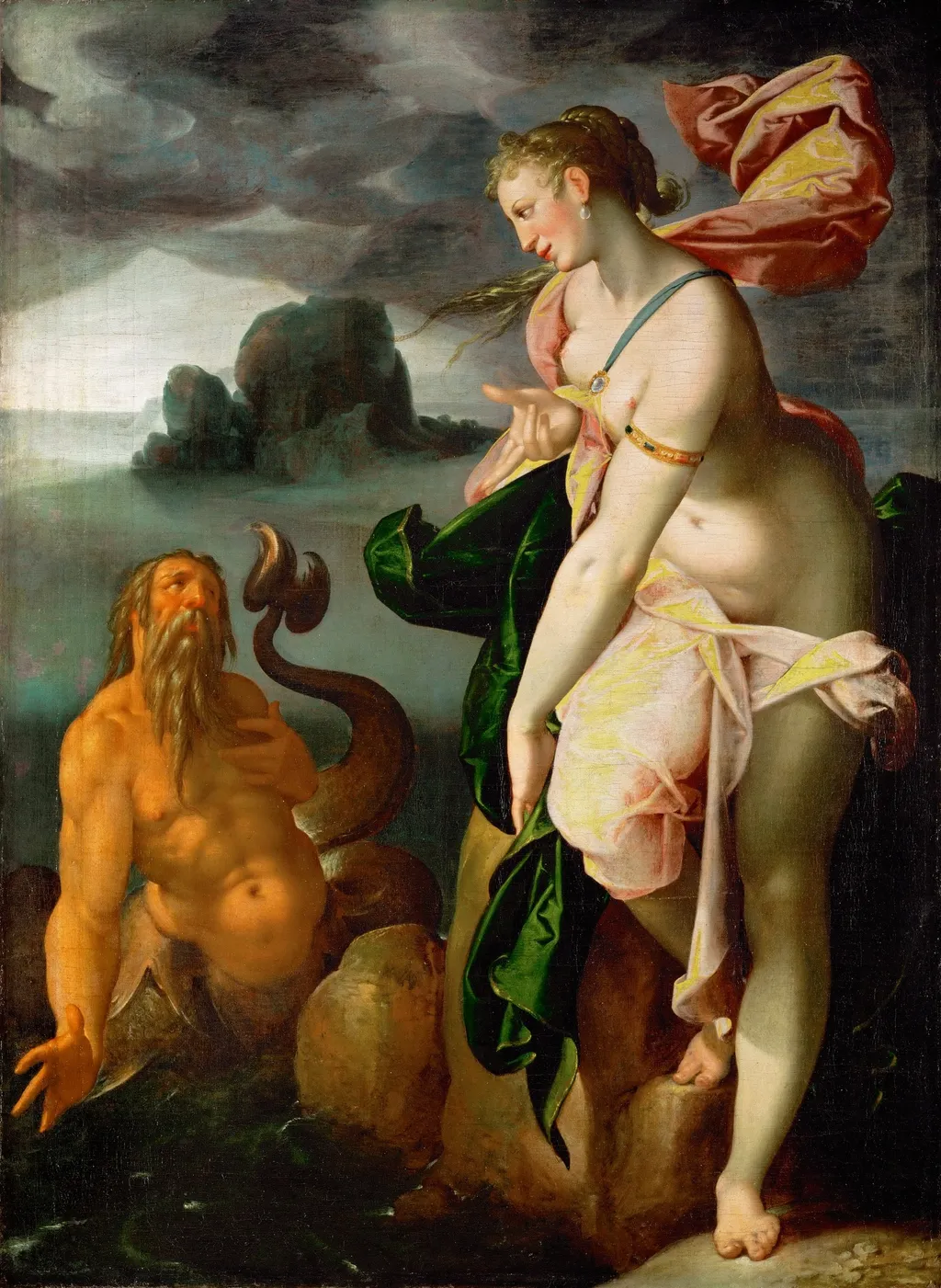
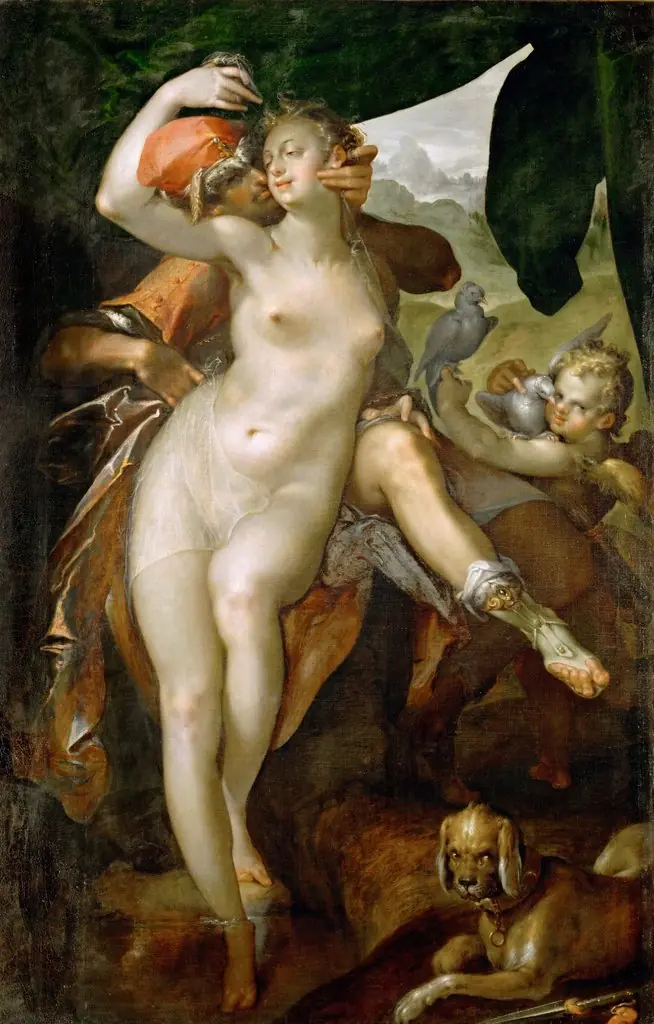
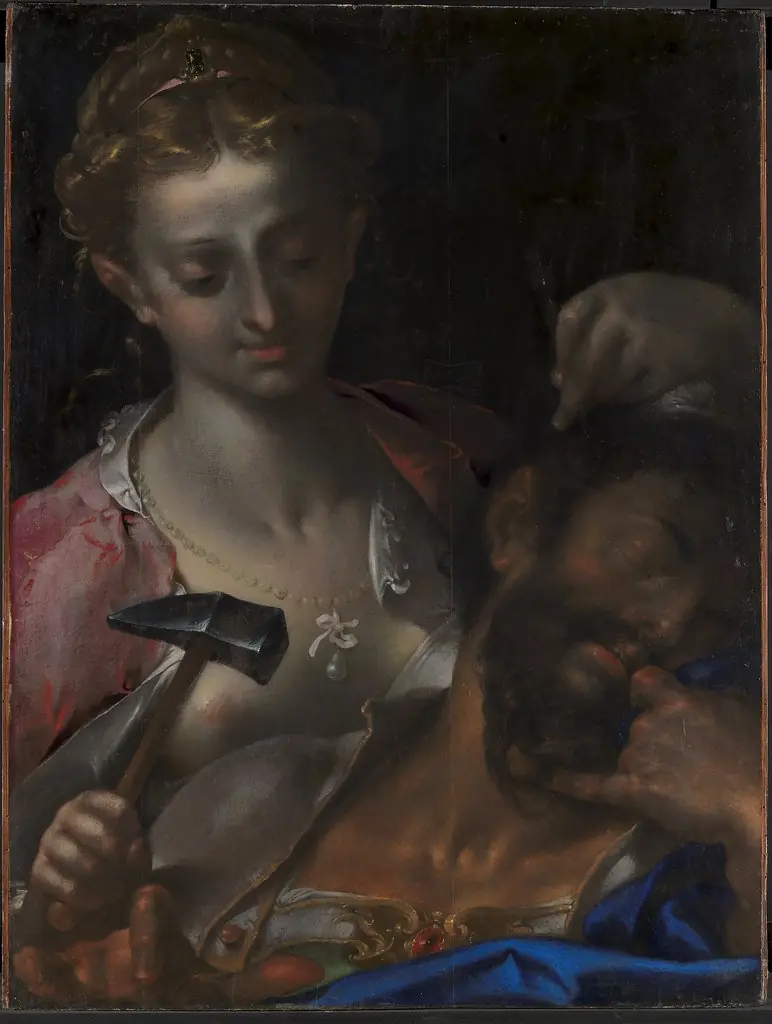
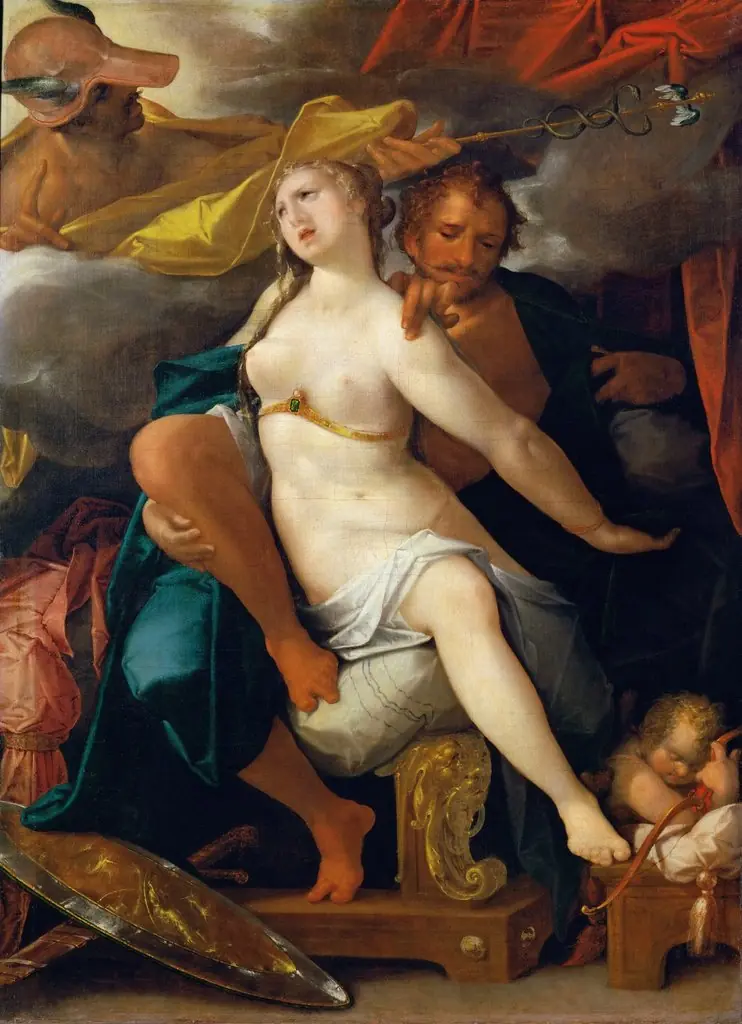
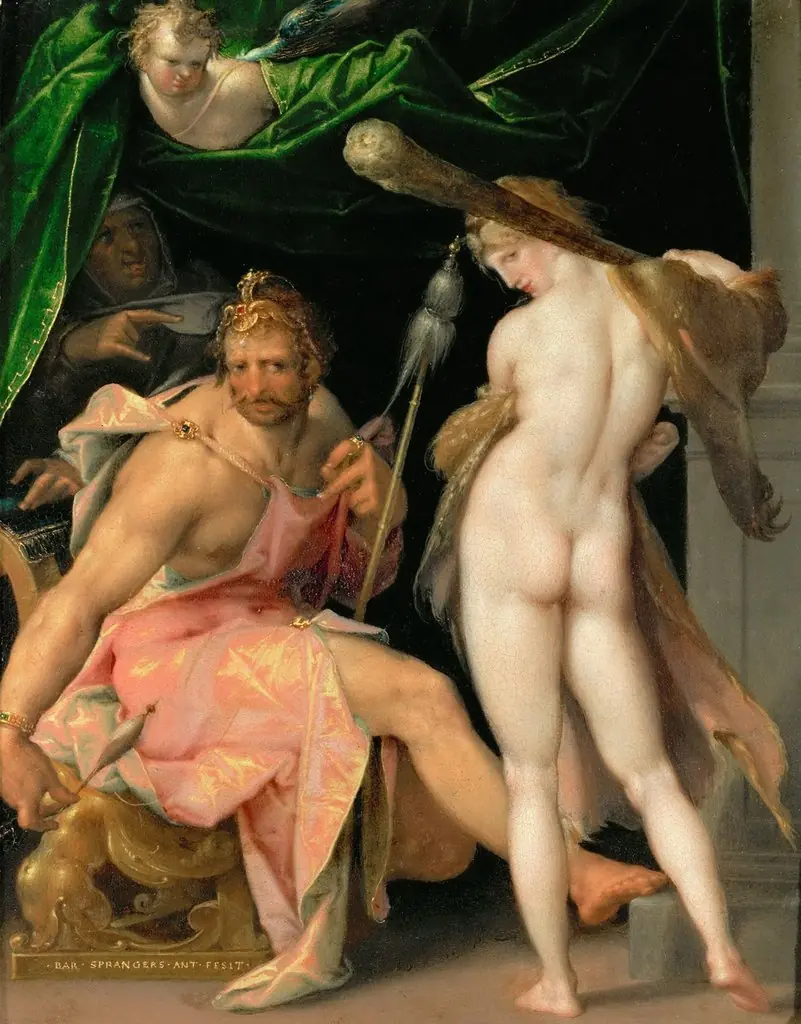
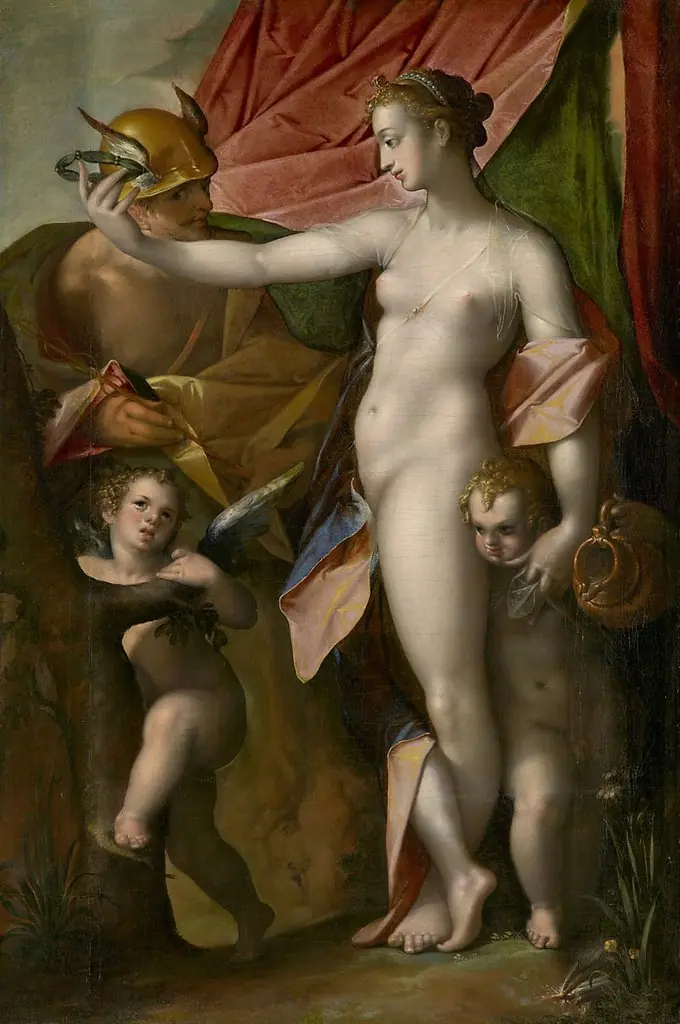
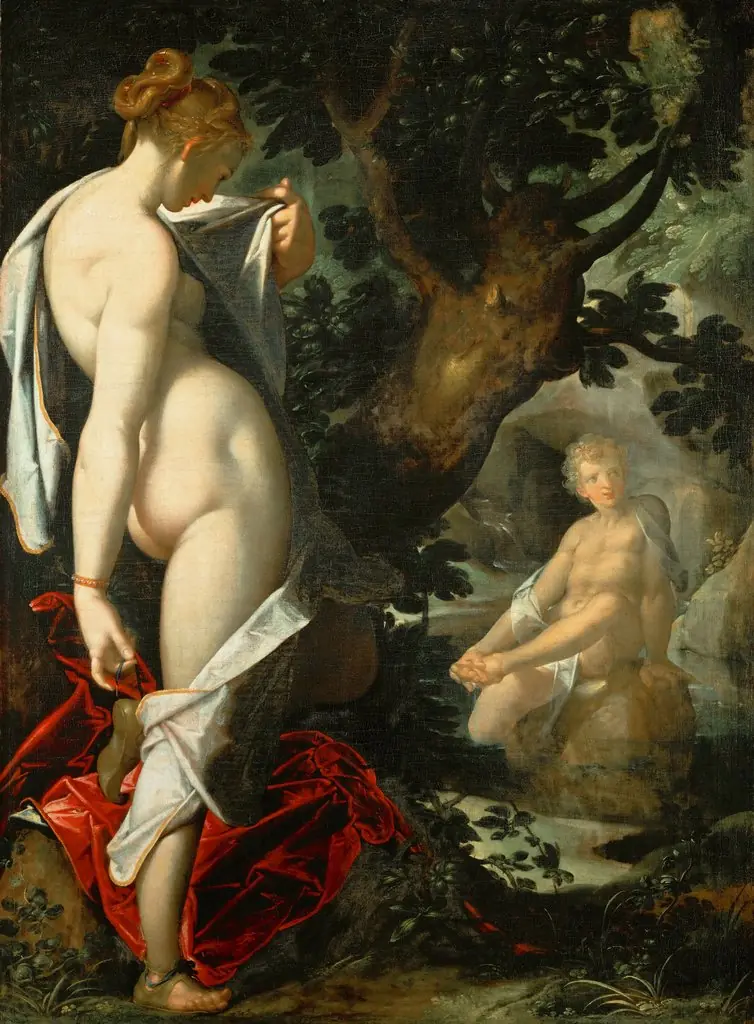
Glaucus   and  Scylla is an oil painting by the Mannerist artist Bartholomeus Spranger. It dates from 1590 and is held in the collection of the Kunsthistorisches Museum.
About this work
Overview
Created in 1590 by Bartholomeus Spranger, a Flemish artist employed at the court of Emperor Rudolf II in Prague, this oil painting portrays a scene from classical mythology. The work is part of the collection of the Kunsthistorisches Museum in Vienna and exemplifies the artist’s mature period.
Subject & Meaning
The composition centers on a nude female figure seen from behind, a motif Spranger returned to throughout his career. She is positioned within a narrative involving the mythic characters Glaucus and Scylla, suggesting a moment of encounter or transformation drawn from ancient legend.
Technique & Style
Executed in oil on canvas, the painting displays the hallmarks of Northern Mannerism: elongated bodies, refined modeling, and a graceful, almost theatrical pose. Spranger’s handling of light and surface creates a smooth, polished finish that emphasizes the elegance of the figures over naturalistic detail.
History & Provenance
After its completion for Rudolf II’s imperial collection, the picture entered the holdings of the Kunsthistorisches Museum, where it remains on display. Its provenance reflects the artist’s role as a court painter and the broader movement of Mannerist works from Central European royal collections into public institutions.
Own this work as a print
Artist & collection
Artist
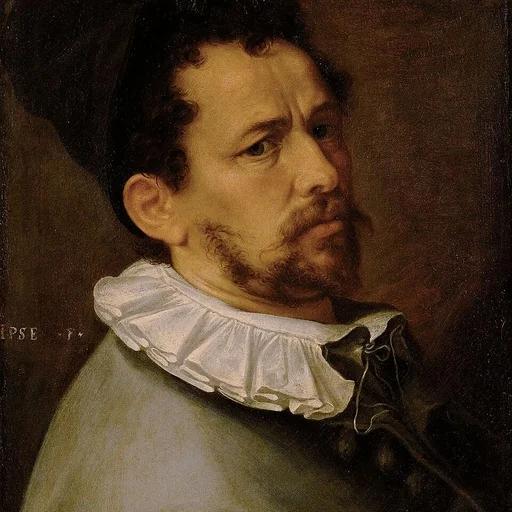
Bartholomeus Spranger or Bartholomaeus Spranger (21 March 1546 – 27 June 1611) was a Flemish painter, draughtsman, sculptor, and designer of prints.