Artwork
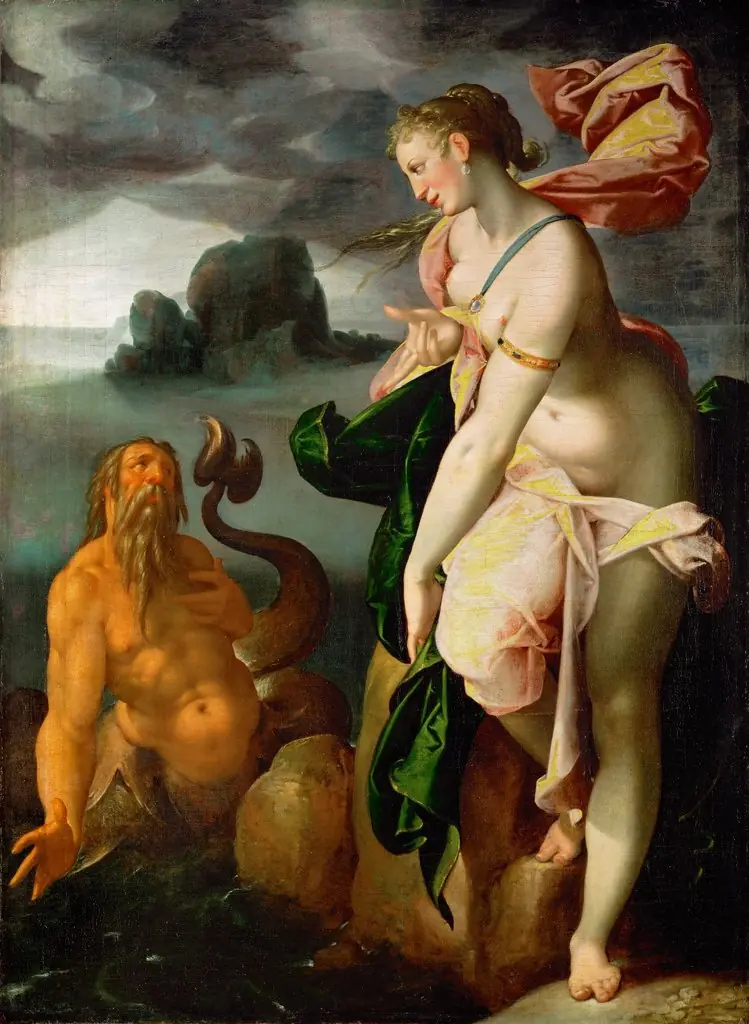
Glaucus and Scylla
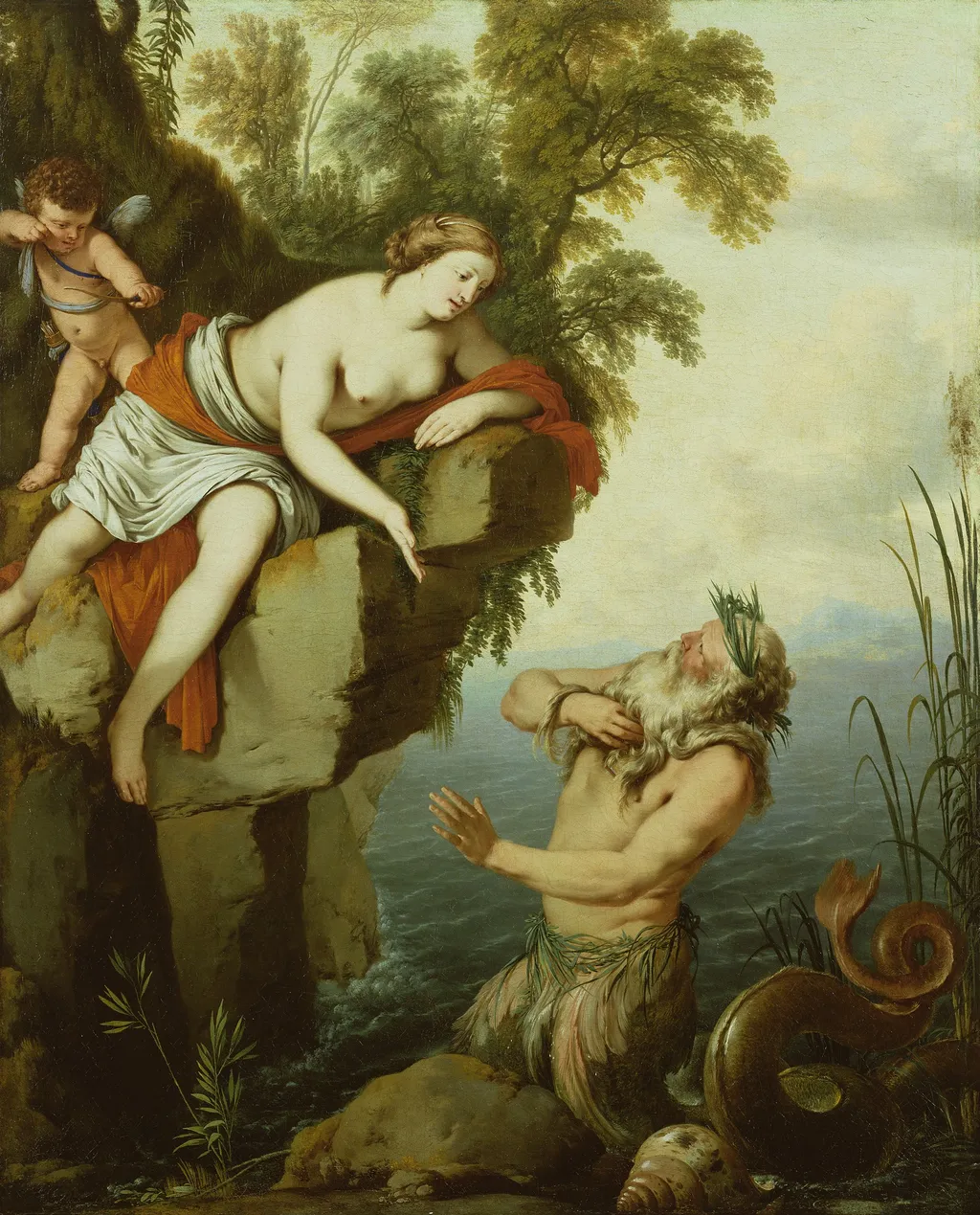
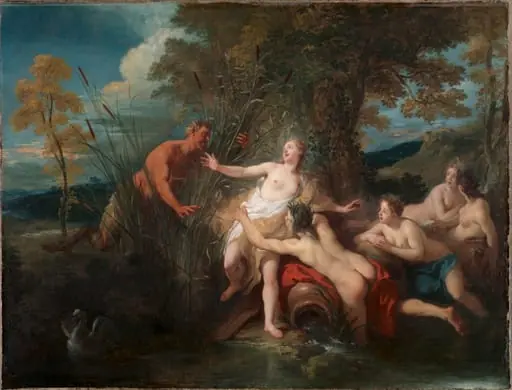
Glaucus and Scylla is an oil painting by the French Classical Baroque artist Laurent de La Hyre. It dates from 1640 and is held in the collection of the J. Paul Getty Museum.
About this work
Overview
Glaucus and Scylla is a 1640 oil painting by Laurent de La Hyre, a prominent figure in the French Classical Baroque movement.
Subject & Meaning
The painting illustrates a scene from Ovid's Metamorphoses, depicting the sea god Glaucus and the nymph Scylla. Glaucus, with seaweed in his hair and a grass skirt, kneels before Scylla, who sits on a rock, dressed in a white skirt and orange shawl.
Technique & Style
The work showcases La Hyre's use of chiaroscuro, with light and shadow creating a sense of depth and drama, focusing attention on the central figures.
Context
As a leading exponent of Parisian Atticism, La Hyre's painting reflects the neoclassical tendencies within the French Baroque movement.
Own this work as a print
Artist & collection
Artist
Laurent de La Hyre (French pronunciation: ; 27 February 1606 – 28 December 1656) was a French Baroque painter, born in Paris. He was a leading exponent of the neoclassical style of Parisian Atticism.