Artwork
Portrait of a Man
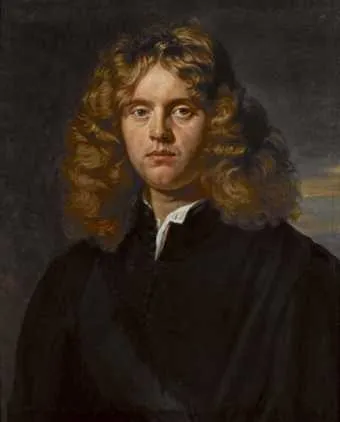
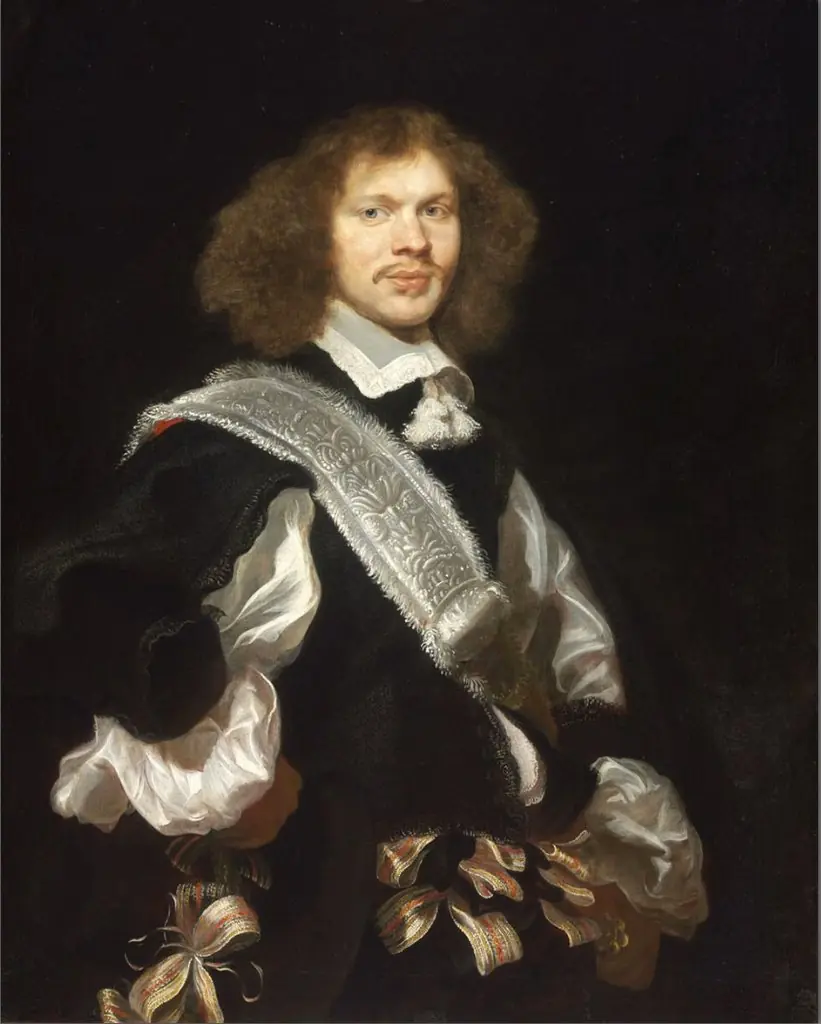
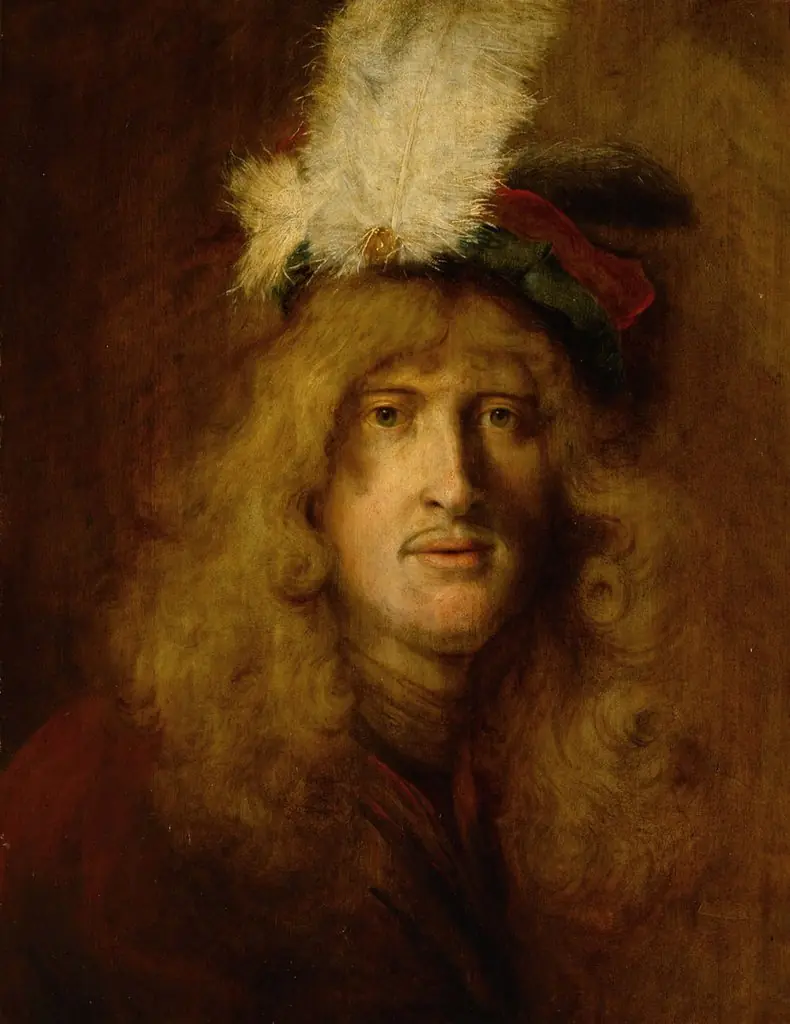
Portrait of a Man is an oil painting by the French Classical Baroque artist Charles Wautier. It dates from 1656 and is held in the collection of the Royal Museums of Fine Arts of Belgium.
About this work
The artist's use of chiaroscuro, a technique that uses strong contrasts between light and dark, adds depth to the portrait.
The painting depicts a man with a serious expression, wearing a dark outfit and a white shirt. His hair is long and curly, framing his face. The background is dark, which makes the man stand out.
The man's attire and hairstyle suggest that the painting was created in the 17th century. The artist's use of chiaroscuro, a technique that uses strong contrasts between light and dark, adds depth to the portrait.
The painting is a great example of a portrait from the Baroque period. To learn more about the artist's style and technique, you can explore the works of Charles Wautier.
Overview
Painted in 1656 by Charles Wautier, a Flemish artist based in Brussels, this oil portrait captures a man with quiet intensity. Executed during the height of the Baroque era, the work reflects the regional stylistic currents of the Southern Netherlands. It is part of the collection at the Royal Museums of Fine Arts of Belgium, where it remains one of the few surviving examples of Wautier’s portraiture.
Subject & Meaning
The identity of the sitter remains unknown. Dressed in dark, modest clothing with a crisp white collar, he appears as a man of means but not nobility. His direct gaze and composed posture suggest self-possession, typical of bourgeois portraiture in mid-17th-century Flanders. The absence of symbols or settings shifts focus entirely to the individual’s presence and psychological depth.
Technique & Style
Wautier employs chiaroscuro to model the face and hands with subtle gradations of light, enhancing volume and realism. The dark, unbroken background isolates the figure, a common Baroque device to heighten emotional focus. Brushwork is controlled yet expressive, particularly in the rendering of curly hair and the texture of fabric, showing attention to material detail without overt ornamentation.
History & Provenance
The painting has remained in institutional hands since at least the 19th century, entering the Royal Museums of Fine Arts of Belgium’s collection through documented acquisitions. Little is known of its early ownership, though its preservation suggests it was valued within Belgian artistic circles. Wautier’s relative obscurity compared to his sister Michaelina may have limited its early circulation beyond Brussels.
Context
Created during a period when Flemish portraiture emphasized psychological nuance over grandeur, this work aligns with the quiet realism favored in Brussels. While influenced by French Classical Baroque tendencies, it retains the northern European attention to texture and individuality. Wautier’s practice, possibly shaped by collaboration with his sister, reflects a family tradition of artistic engagement within a male-dominated field.
Legacy
Though Charles Wautier is not widely recognized today, this portrait stands as a representative example of provincial Baroque portraiture in the Southern Netherlands. Its preservation offers insight into the visual culture of non-noble elites in 17th-century Flanders. The work contributes to broader scholarly efforts to reassess the roles of lesser-known artists and their familial artistic networks.
Artist & collection
Artist
Charles Wautier (c.1609 - 2 December 1703) was a Flemish Baroque painter, active in Brussels in the second half of the 17th century. He was a brother of Michaelina Wautier (1614–1689), another painter - they may have collaborated.

Museum
Royal Museums of Fine Arts of Belgium
Continue through works from the same source collection.
 Portrait of a man
 Portrait of Hendrick Bicker (1615-1651)
 Portrait of a Man
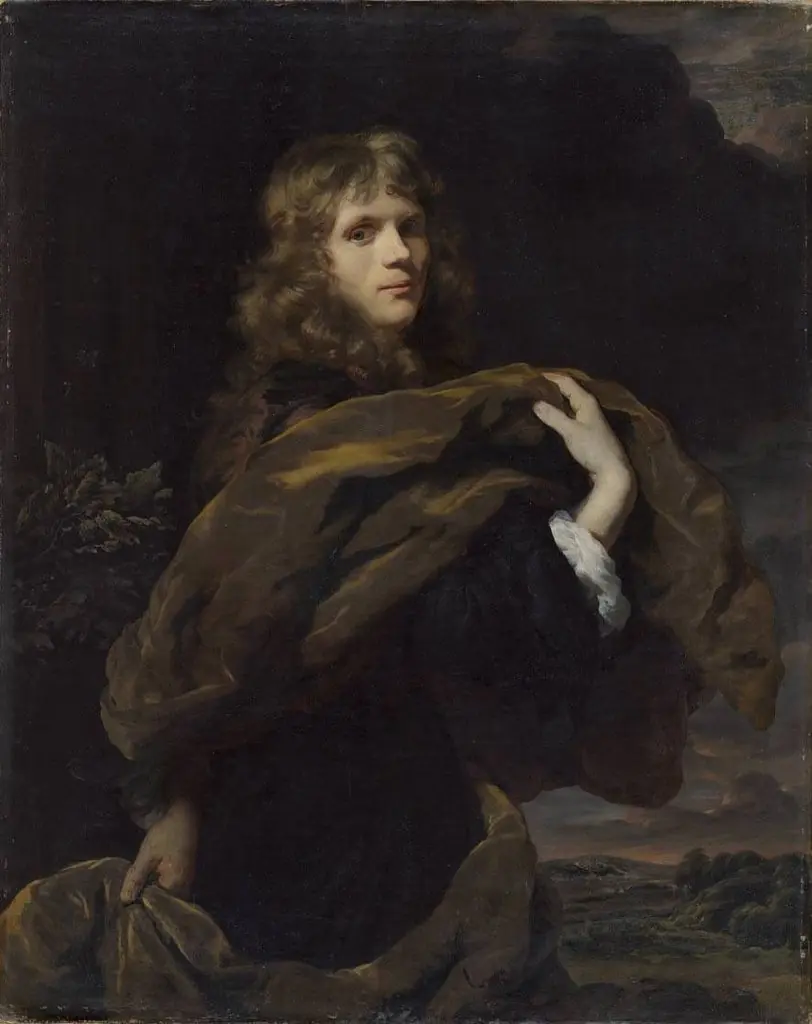 Portrait of a Young Man with a Long Velvet Cloak
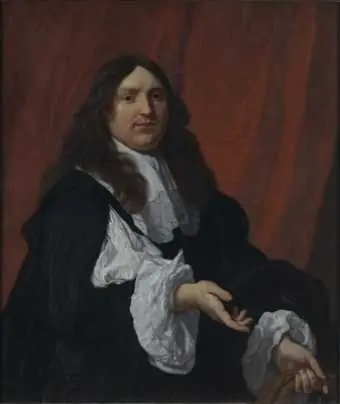 Portrait of a Man, 1664
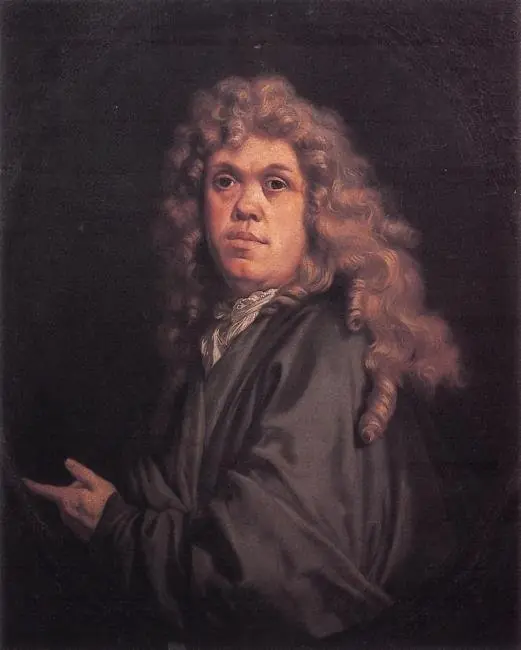 Self-portrait
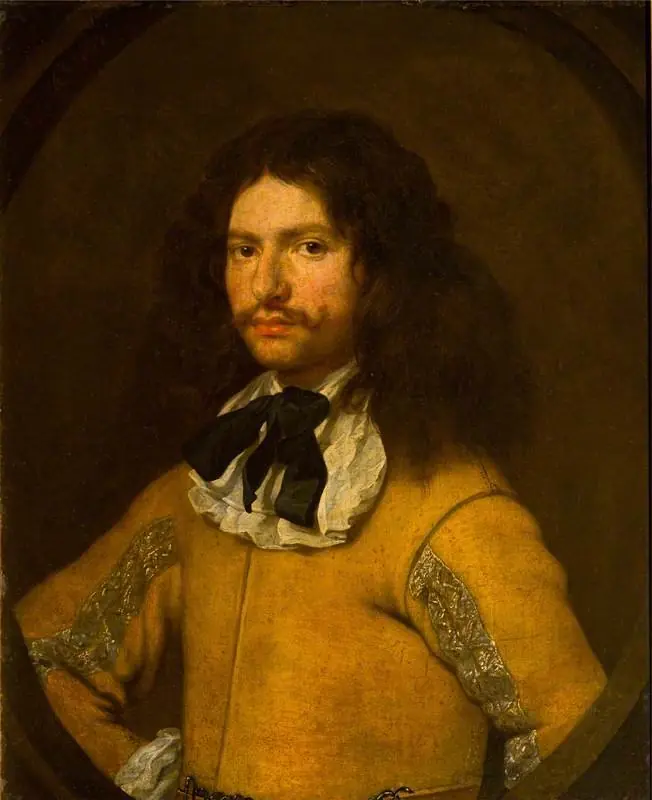 A Cavalier in a Yellow Coat
 Portrait of Francesco de' Medici (1614-1634)
 Portrait of a Man
 Richard Cromwell (1626-1712)
 Portrait of a Young Man
 Portrait of a young man with plumed beret