Artwork
papa onorio III approva la regola francescana
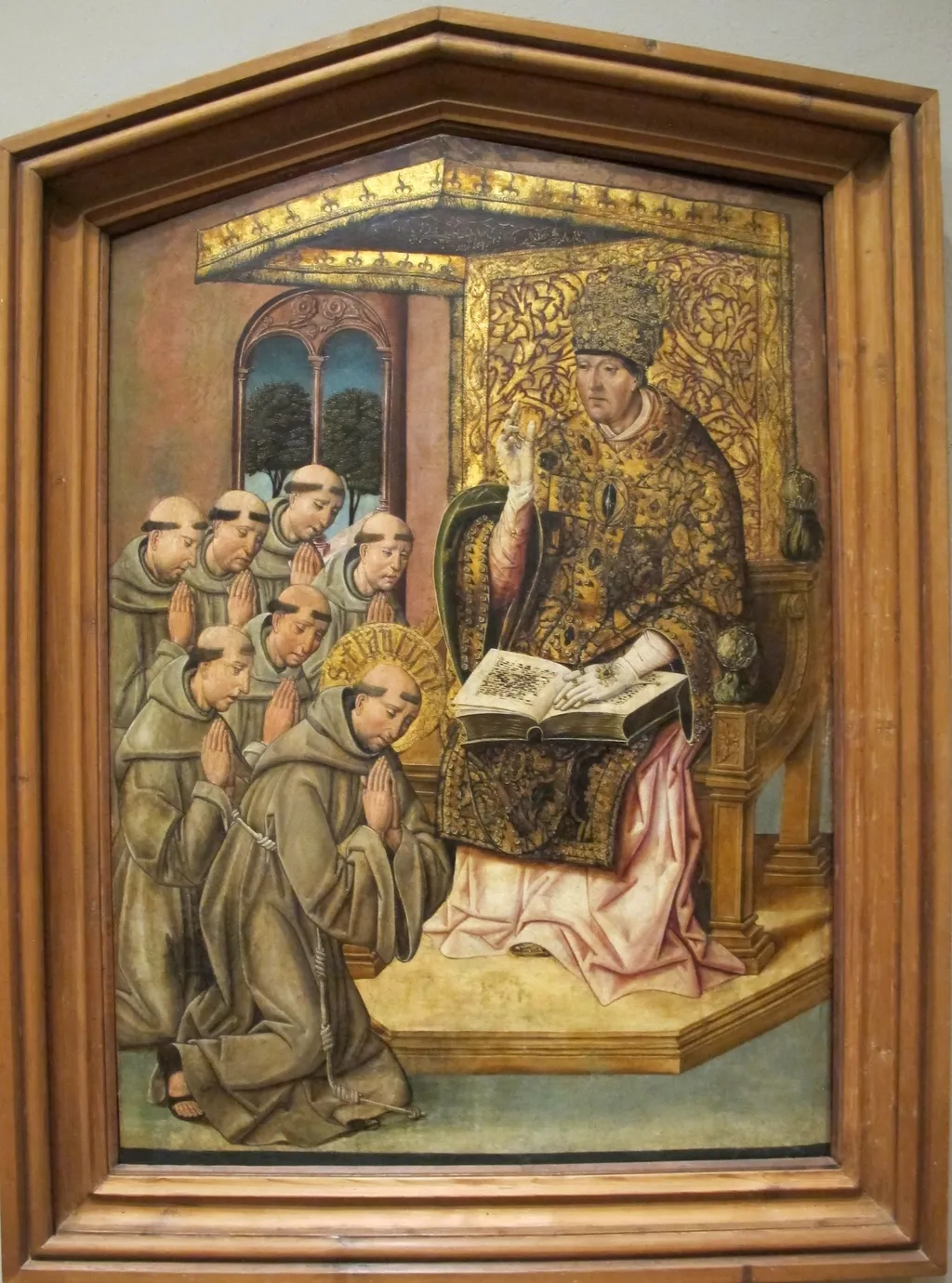
papa onorio III approva la regola francescana is an unspecified painting by the Early Renaissance artist Bartolomé de Castro. It dates from 1500 and is held in the collection of the Philadelphia Museum of Art.
About this work
Overview
Created around 1500 by Spanish painter Bartolomé de Castro, this religious work depicts a solemn ceremony in which a bishop, dressed in a gold‑trimmed robe and crowned, sits upon an elaborately carved throne. He holds an open book while a group of Franciscan monks kneel before him, their heads bowed in prayer. The composition is set against a warm, golden backdrop that unifies the scene.
Subject & Meaning
The image records the papal endorsement of the Franciscan rule, with the bishop representing papal authority granting approval to the friars. The open book suggests the written decree, while the monks’ humble posture emphasizes their devotion and obedience to the newly sanctioned guideline.
Technique & Style
De Castro employs a restrained palette dominated by gold tones, using fine brushwork to render the intricate carvings of the throne and the delicate folds of the bishop’s garments. The figures are rendered with modest realism, and the overall composition balances vertical hierarchy with a calm, reverent atmosphere.
History & Provenance
The painting entered the collection of the Philadelphia Museum of Art, where it remains on display. Its attribution to Bartolomé de Castro and its dating to the early sixteenth century are based on stylistic analysis and archival references linking the work to the period of papal reforms.
Context
Produced during a time of significant ecclesiastical reform, the work reflects the broader movement within the Catholic Church to formalize monastic regulations. The visual emphasis on papal authority mirrors contemporary efforts to centralize religious governance and legitimize the Franciscan order’s rule.
Artist & collection
Artist

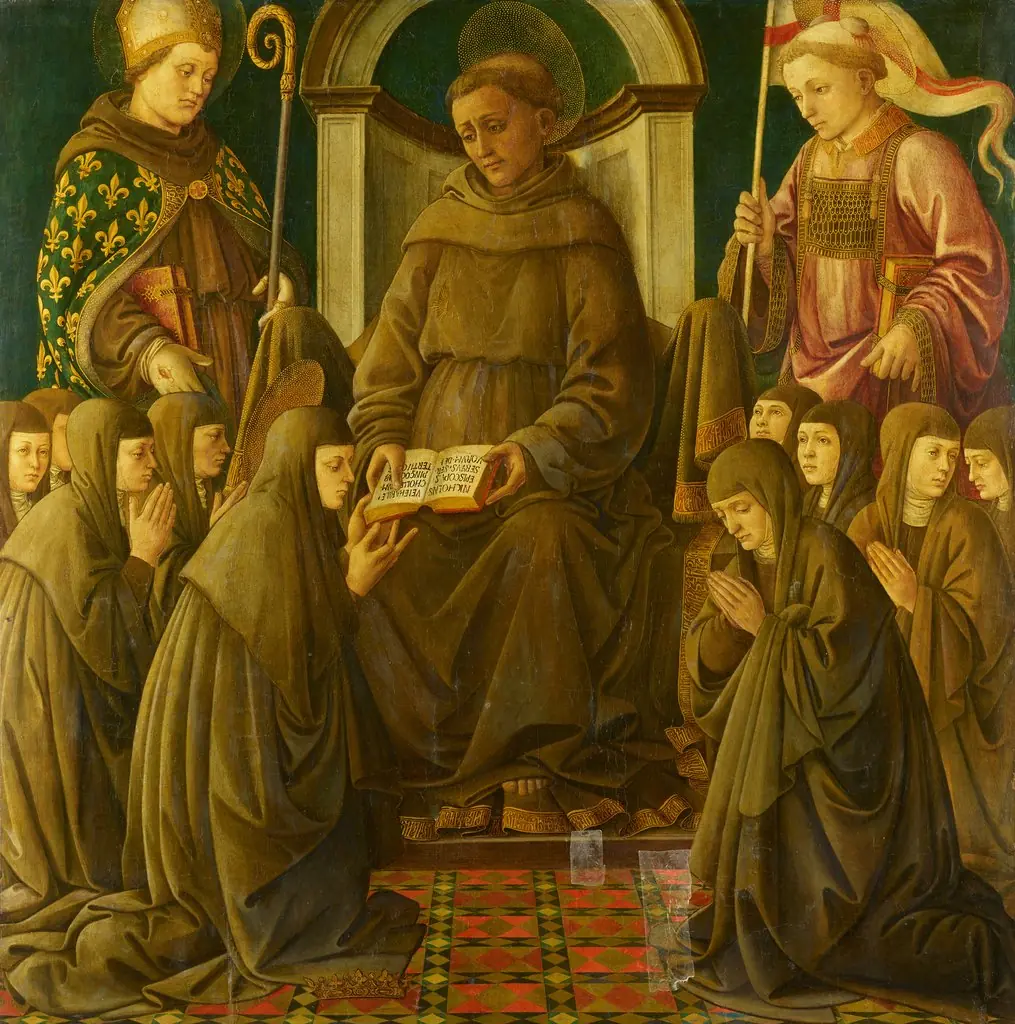 The enthroned St. Francis presents the rule of the order to St. Clare
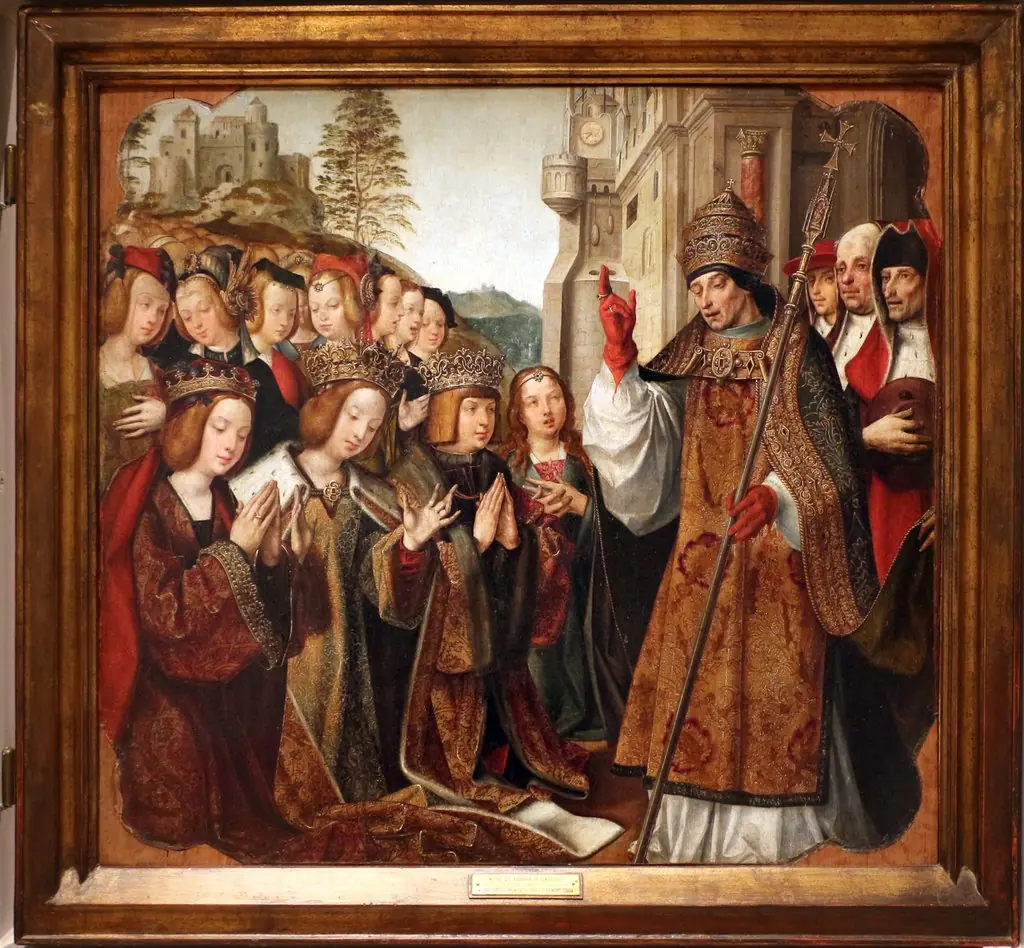 Blessing of Saint Auta by Pope Siricius
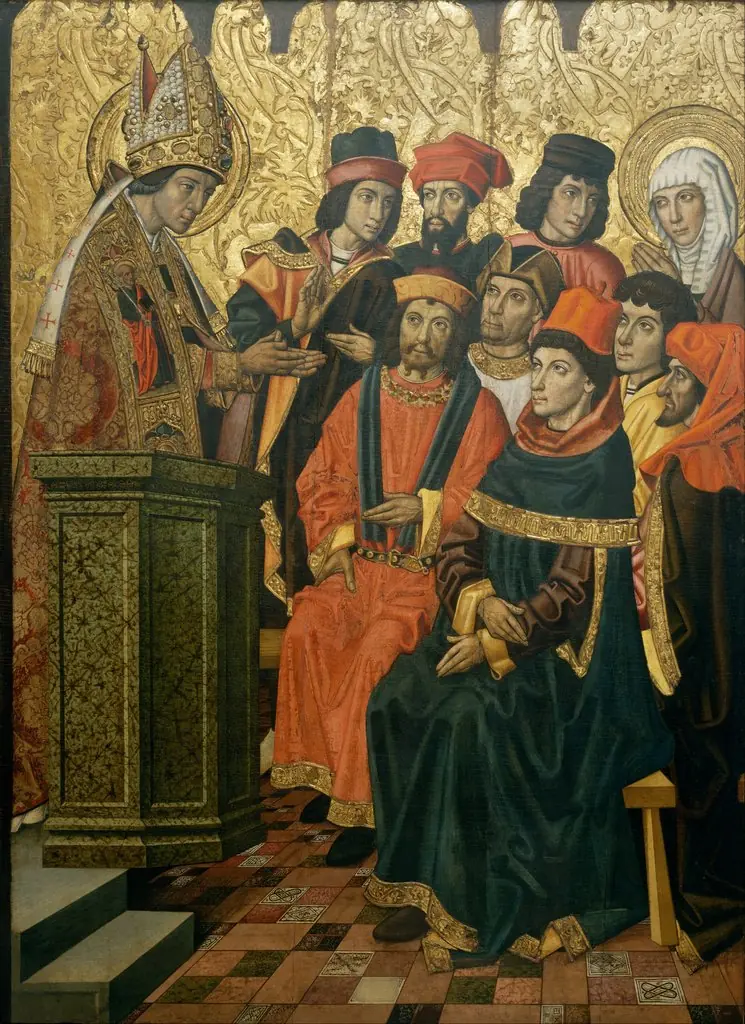 Saint Augustine and Saint Monica in a Sermon by Saint Ambrose
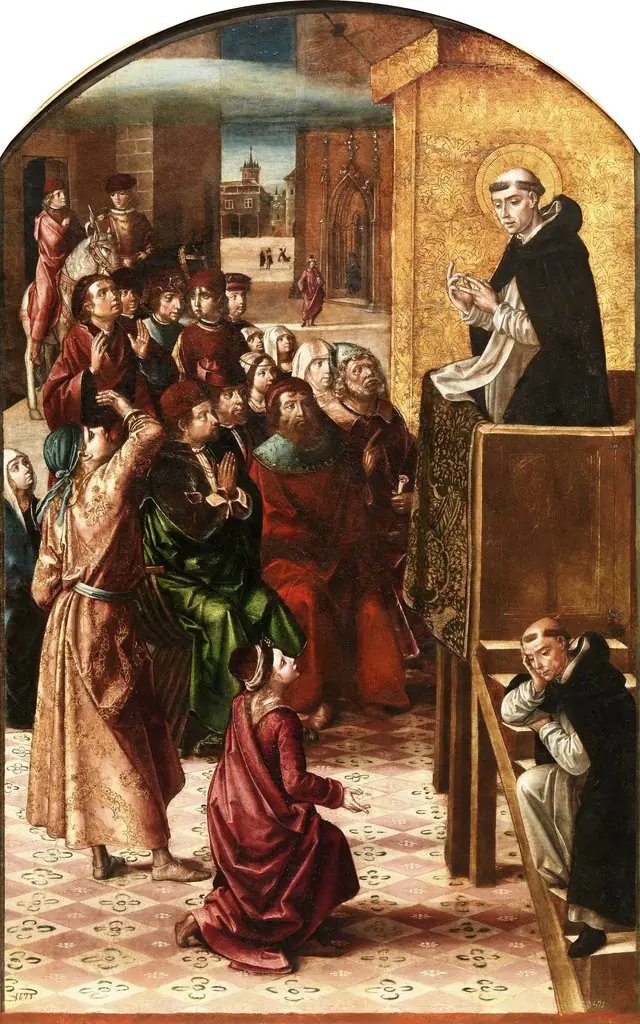 The Miracle of the Cloud
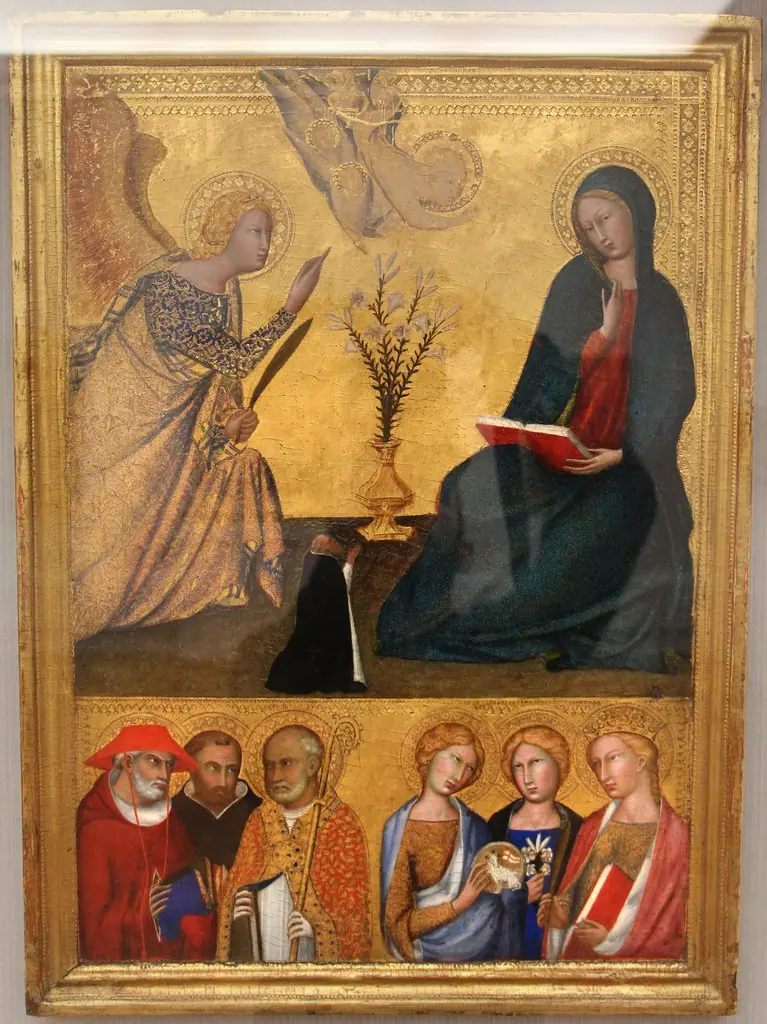 Die Verkündigung an Maria und sechs Heilige
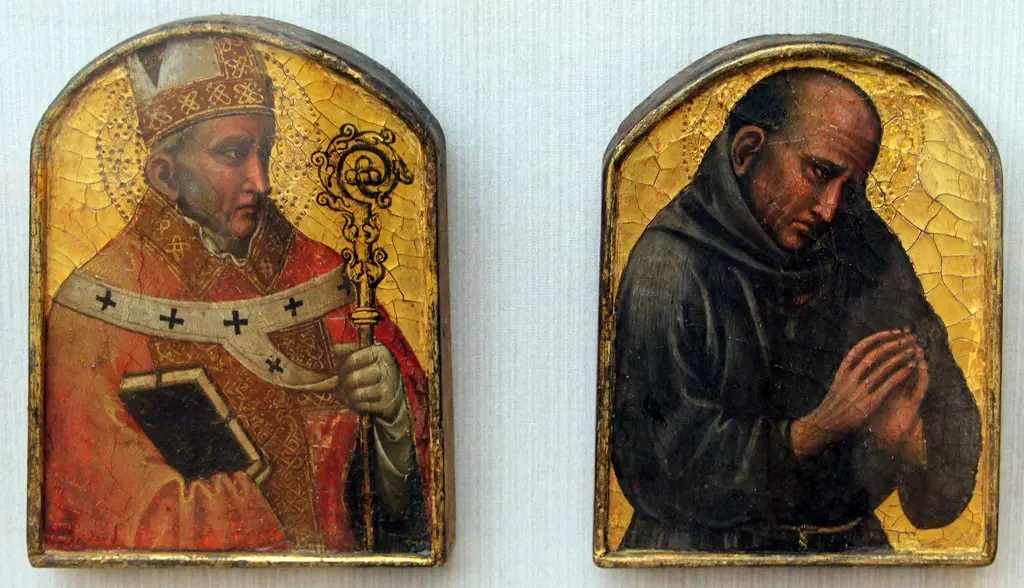 Franciscan Saint
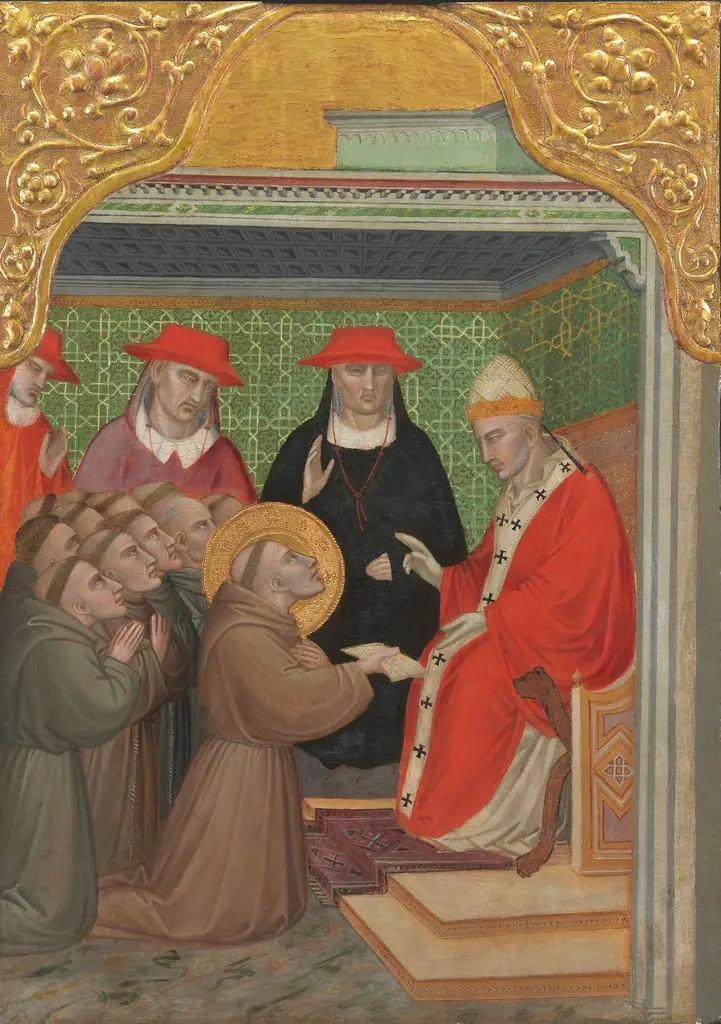 Saint Francis before the Pope (Confirmation of the Franciscan Rule)
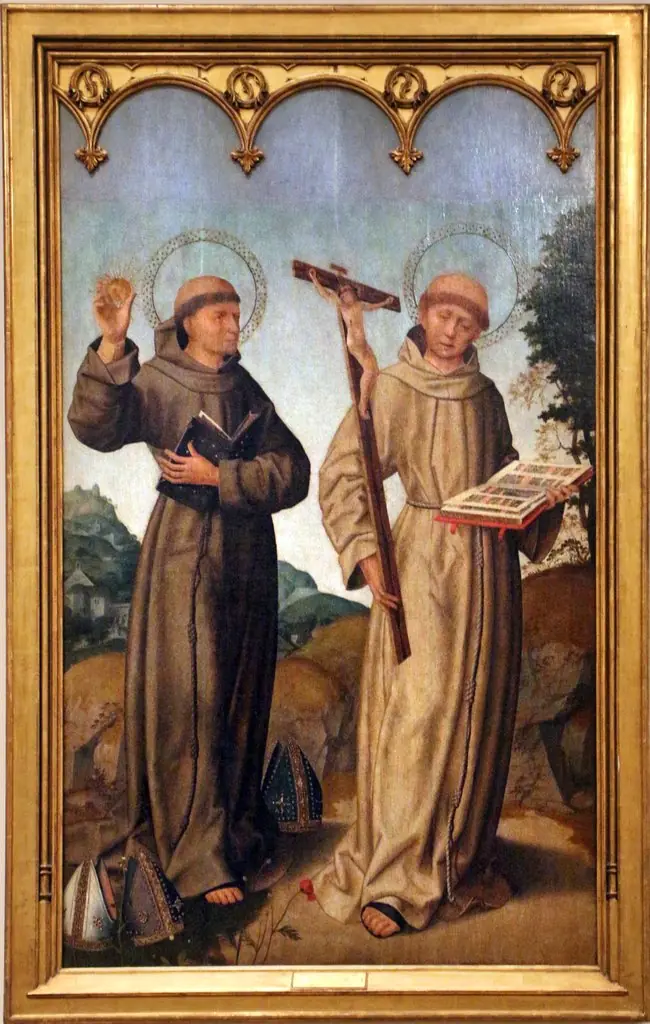 São Bernardino de Siena e Santo António
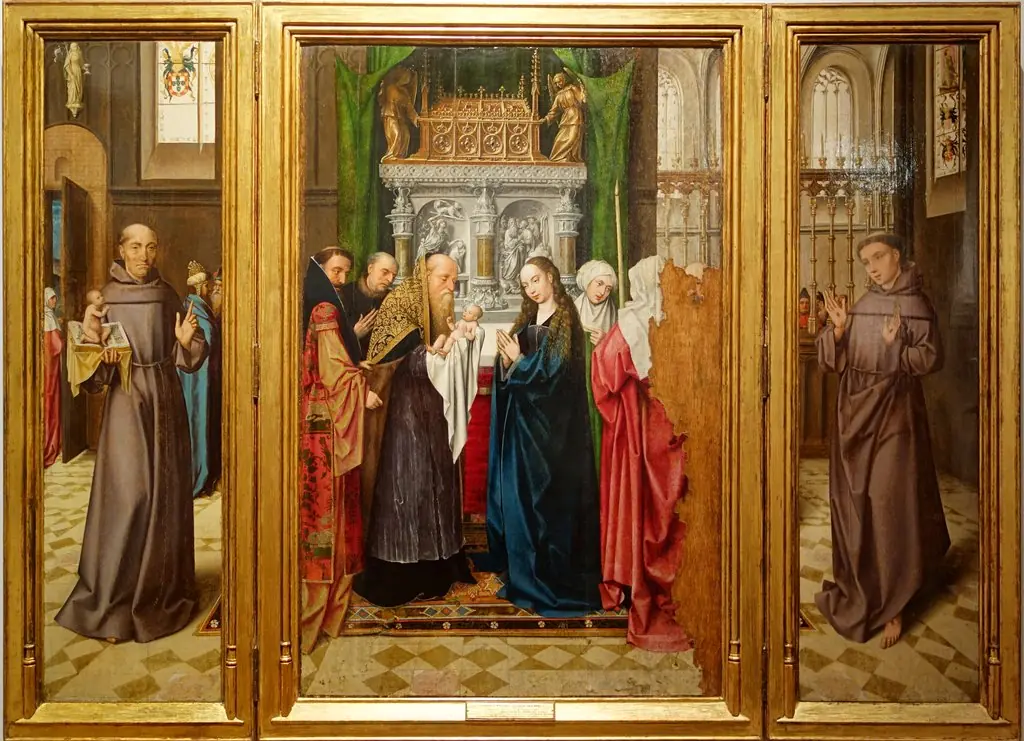 Triptych of the Presentation of Jesus in the Temple
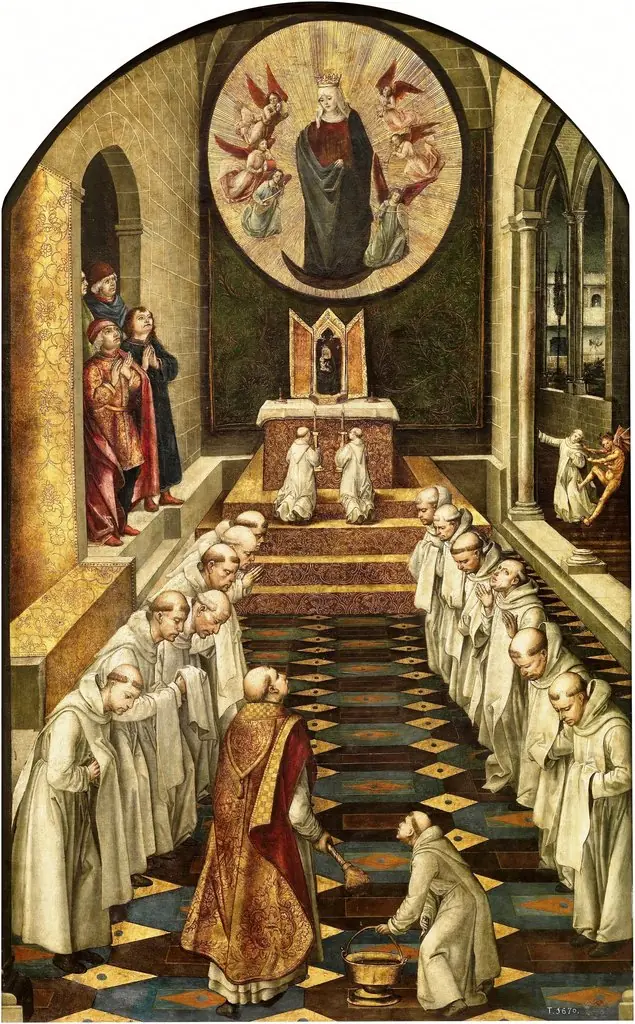 Apparition of the Virgin to a Community of Dominicans
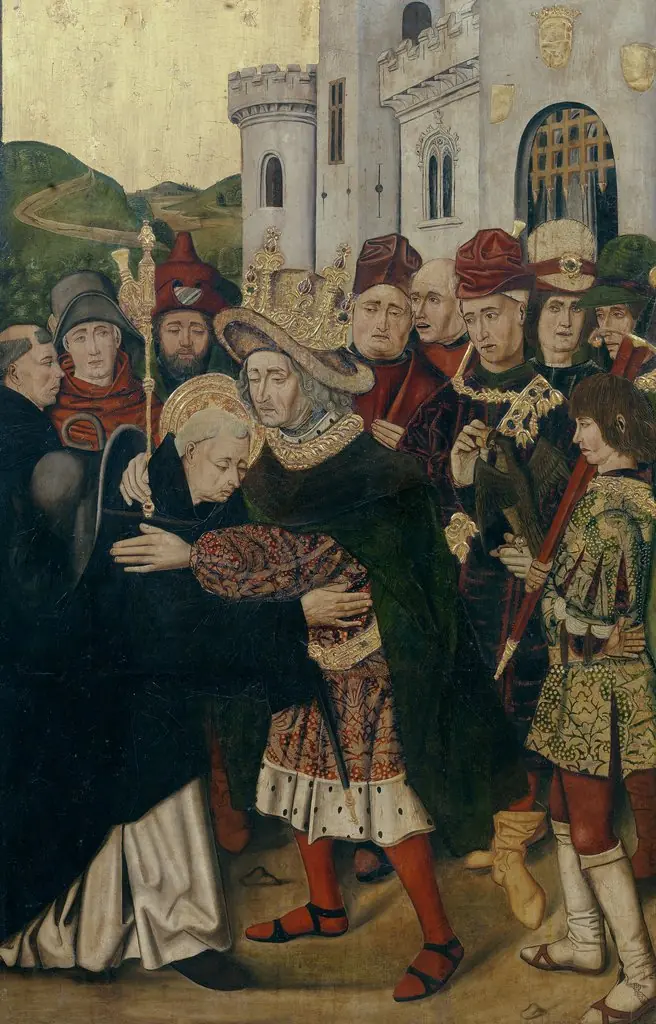 Ferdinand I of Castile welcoming Saint Dominic of Silos
 Saint Benedict