Artwork
Blessing of Saint Auta by Pope Siricius
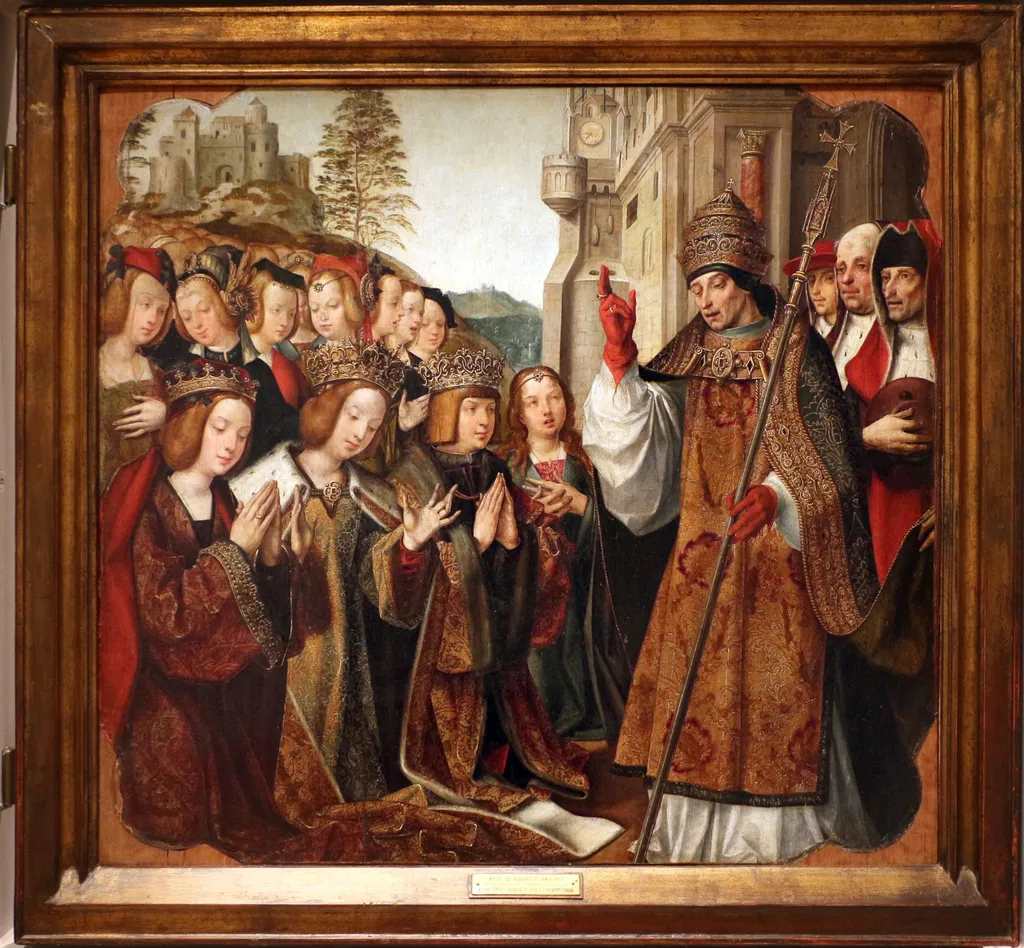
Blessing of Saint Auta by Pope Siricius is an unspecified painting by the Northern Renaissance artist Master of the Altarpiece of Santa Auta. It dates from 1520 and is held in the collection of the National Museum of Ancient Art.
About this work
Overview
It depicts a ceremonial blessing involving Pope Siricius and Saint Auta, rendered in the late Gothic tradition with early Renaissance influences.
Painted around 1520, this work is attributed to the anonymous artist known as the Master of the Altarpiece of Santa Auta. It depicts a ceremonial blessing involving Pope Siricius and Saint Auta, rendered in the late Gothic tradition with early Renaissance influences. The painting is part of the collection at the National Museum of Ancient Art in Lisbon, where it has been held since the 19th century.
Subject & Meaning
The scene portrays Pope Siricius bestowing a blessing upon Saint Auta, a figure venerated in early Christian Portugal. The kneeling posture of Auta and the papal staff signify spiritual authority and divine favor. Surrounding figures, dressed in period attire, observe the moment with reverence, reinforcing the ritual’s communal and sacred significance within a devotional context.
Technique & Style
The artist employs tempera and gold leaf on wood, emphasizing rich textures in the papal vestments and intricate patterns. Linear perspective is subtly used to suggest spatial depth, while the elevated position of the pope and the downward gaze of the figures create a hierarchical composition. The cloudy sky and architectural backdrop provide a restrained naturalism, typical of transitional Iberian religious painting.
History & Provenance
The painting likely originated as part of a larger altarpiece dedicated to Saint Auta in a Portuguese convent or church. It was documented in ecclesiastical inventories by the 17th century and later transferred to state collection during the 19th-century dissolution of religious houses. Its survival reflects its enduring liturgical importance and institutional preservation.
Context
Created during a period of renewed religious devotion in Portugal, the painting aligns with broader trends in Iberian art that fused medieval iconography with emerging naturalism. It reflects the Church’s emphasis on saintly intercession and papal authority following the Reformation’s early stirrings, serving both devotional and didactic functions for lay audiences.
Legacy
Though the artist remains unidentified, the work contributes to the understanding of regional painting practices in early 16th-century Portugal. It stands as a representative example of how local religious narratives were visually codified, preserving the cult of Saint Auta within the broader framework of Catholic visual culture before the Counter-Reformation’s stylistic shifts.
Artist & collection
Artist
Master of the Altarpiece of Santa Auta
This anonymous Portuguese painter created vivid religious panels in the early 1500s.

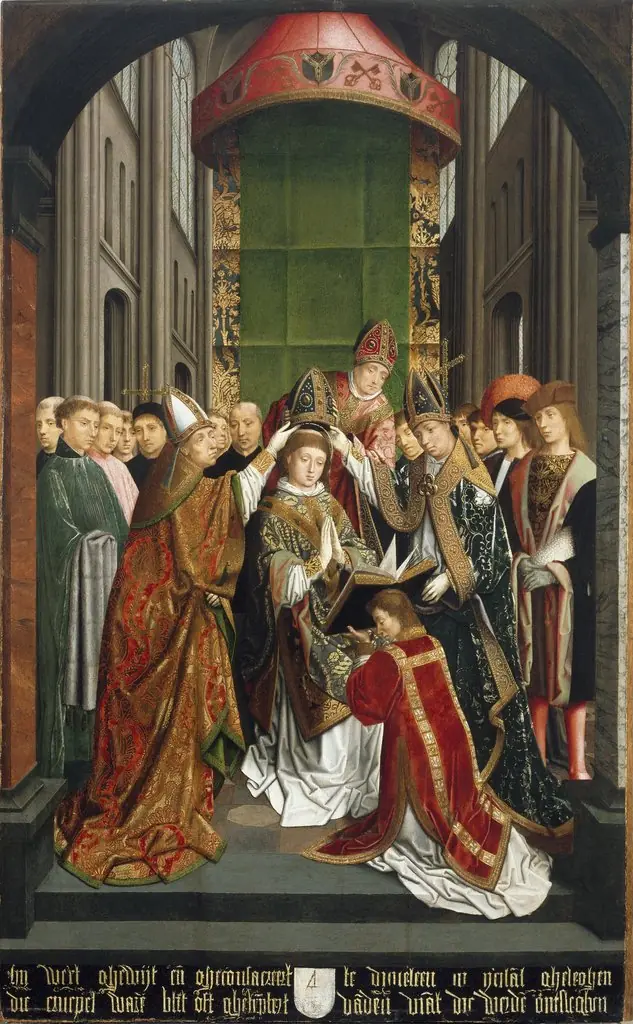 The Enthronement of Saint Romold as Bishop of Dublin
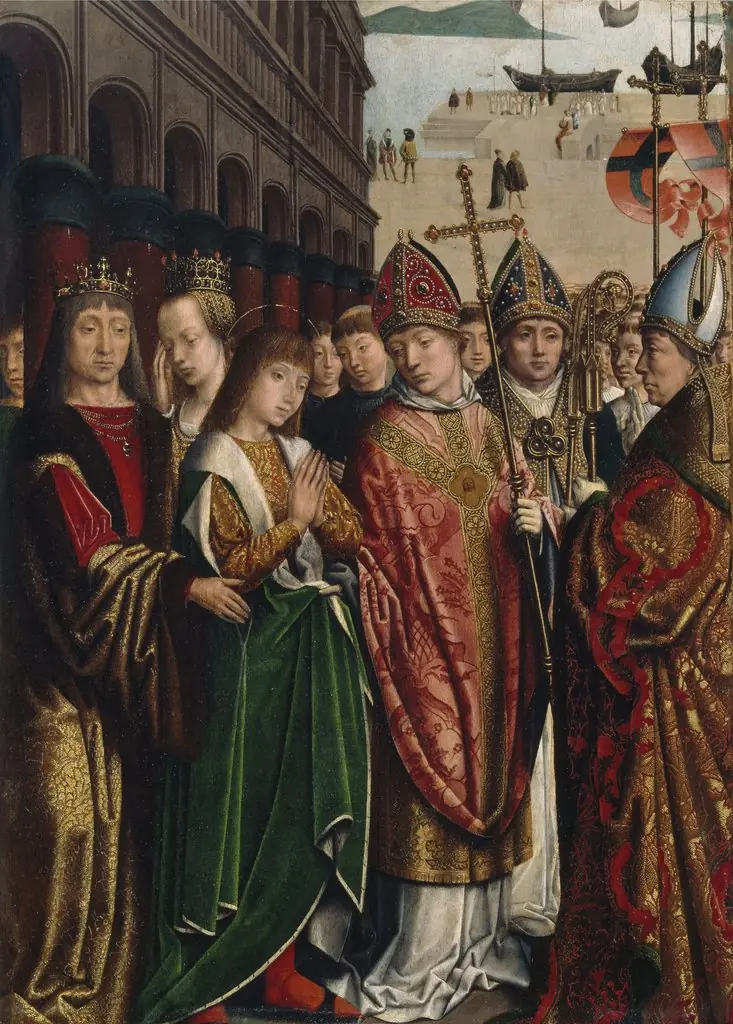 Saint Rumbold Taking Leave of his Parents
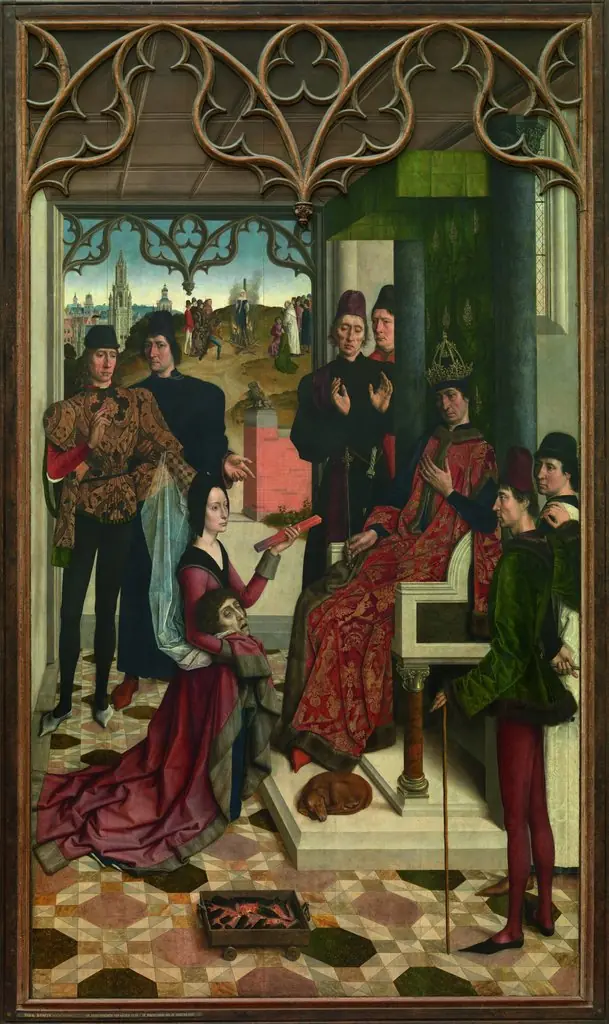 Justice of Emperor Otto III: The Trial by Fire
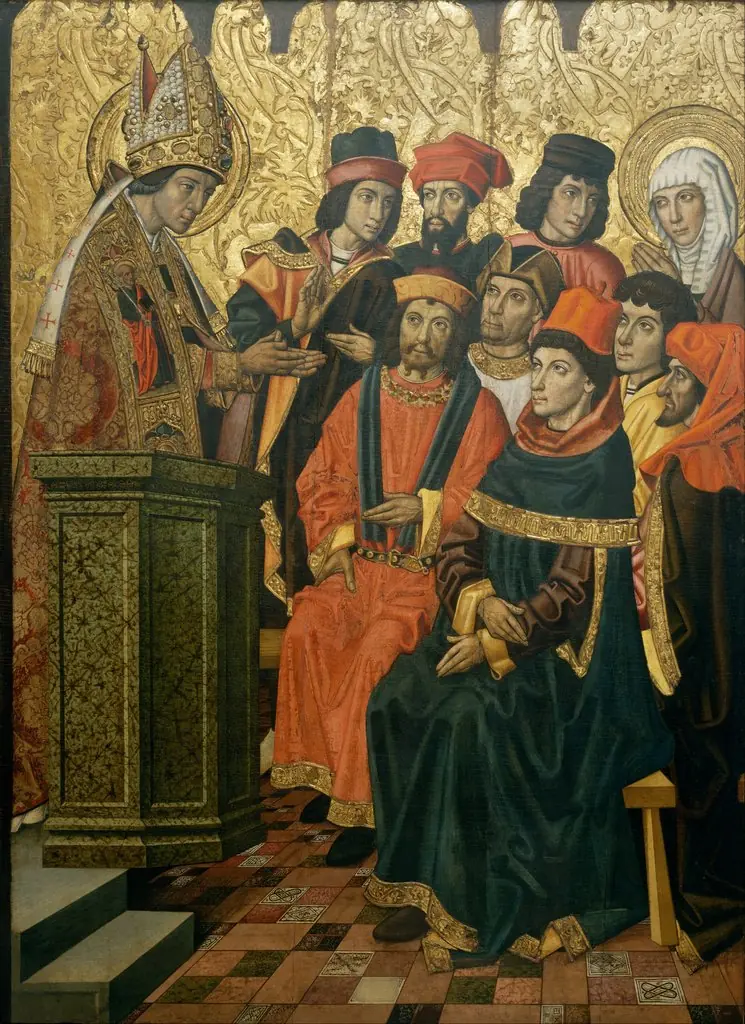 Saint Augustine and Saint Monica in a Sermon by Saint Ambrose
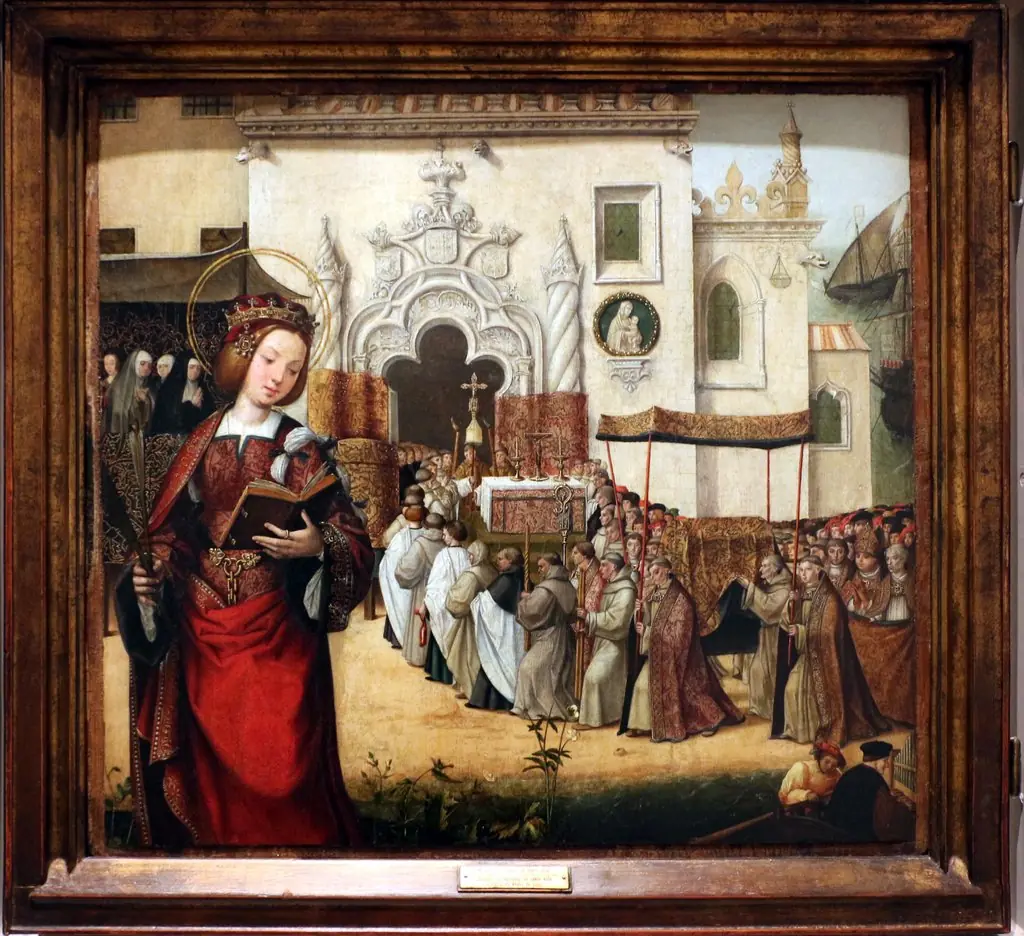 Chegada das Relíquias de Santa Auta à Igreja da Madre de Deus
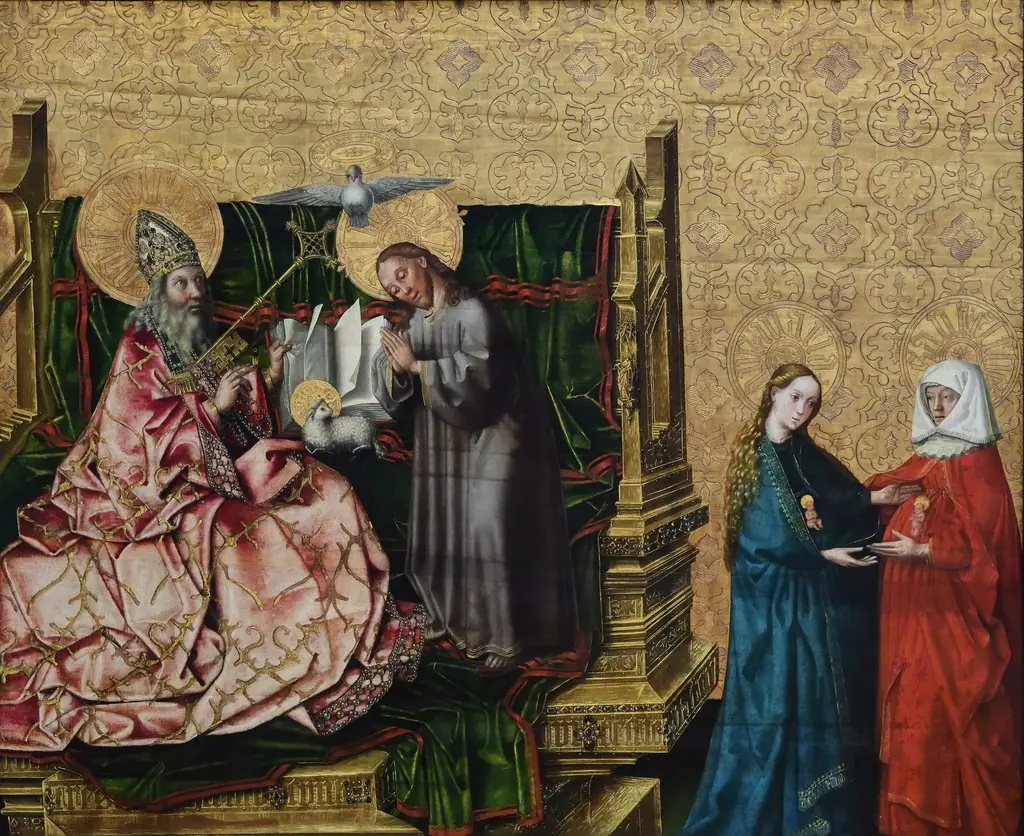 The Council of Salvation
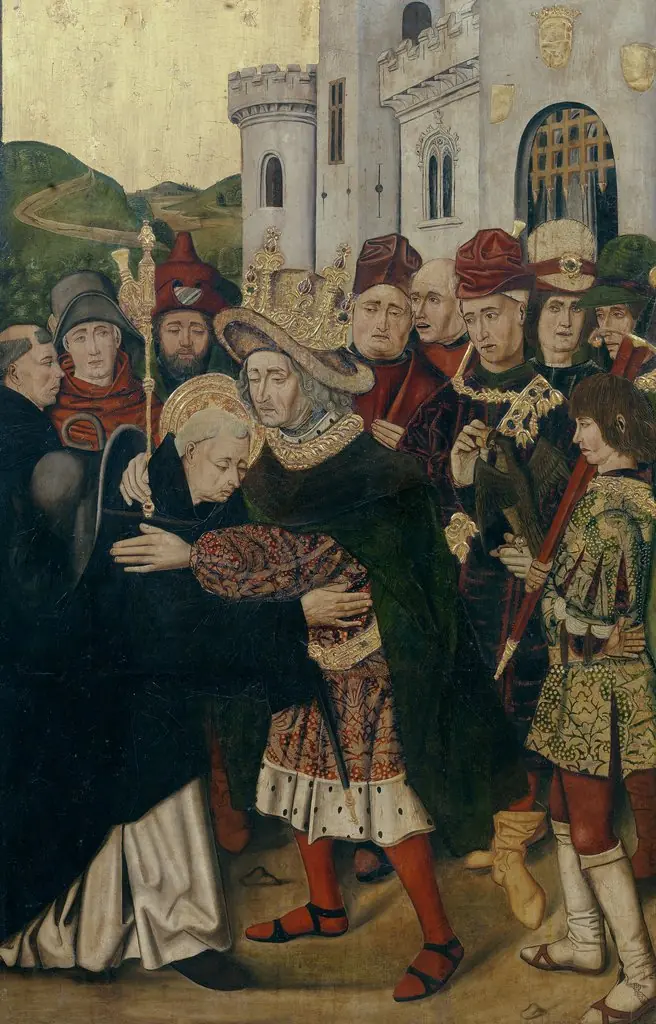 Ferdinand I of Castile welcoming Saint Dominic of Silos
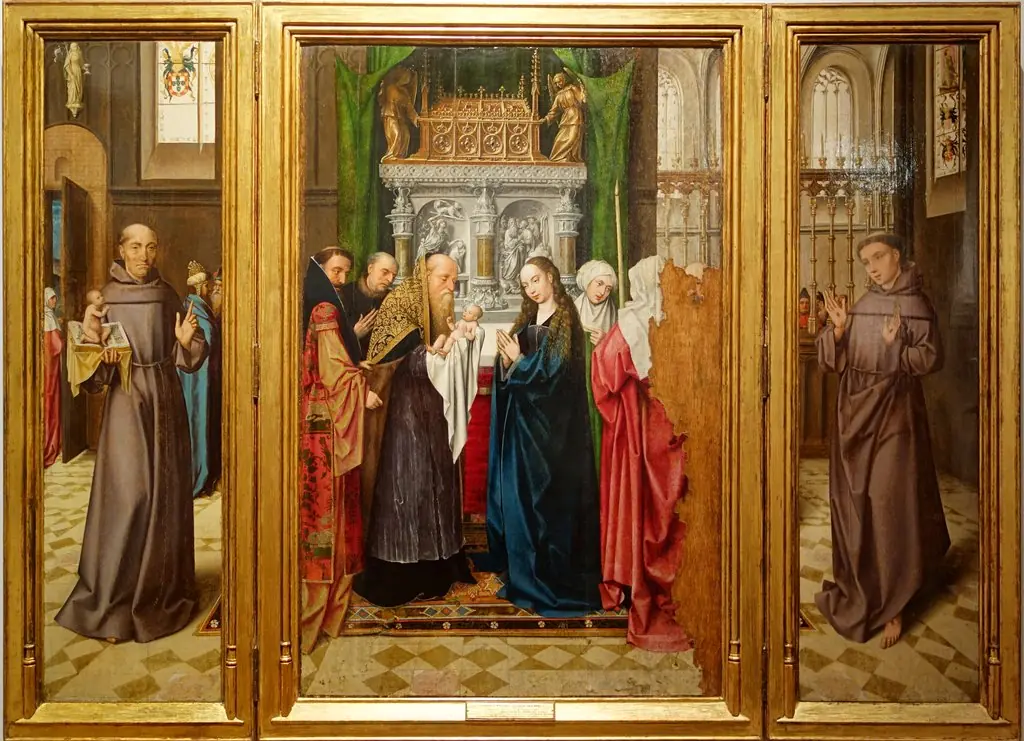 Triptych of the Presentation of Jesus in the Temple
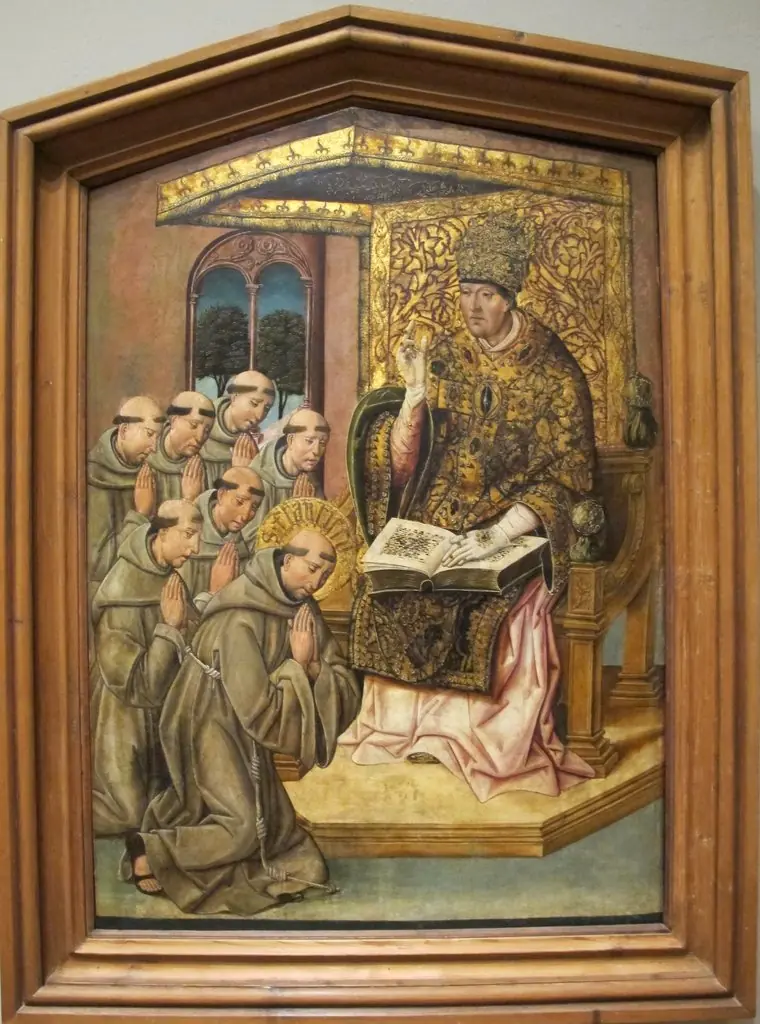 papa onorio III approva la regola francescana
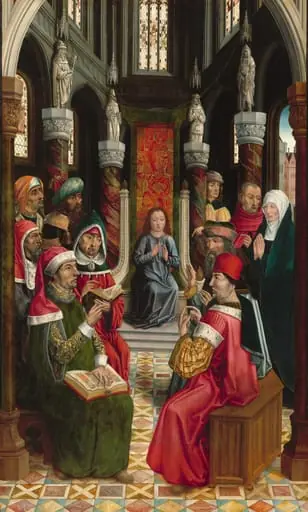 Christ among the Doctors
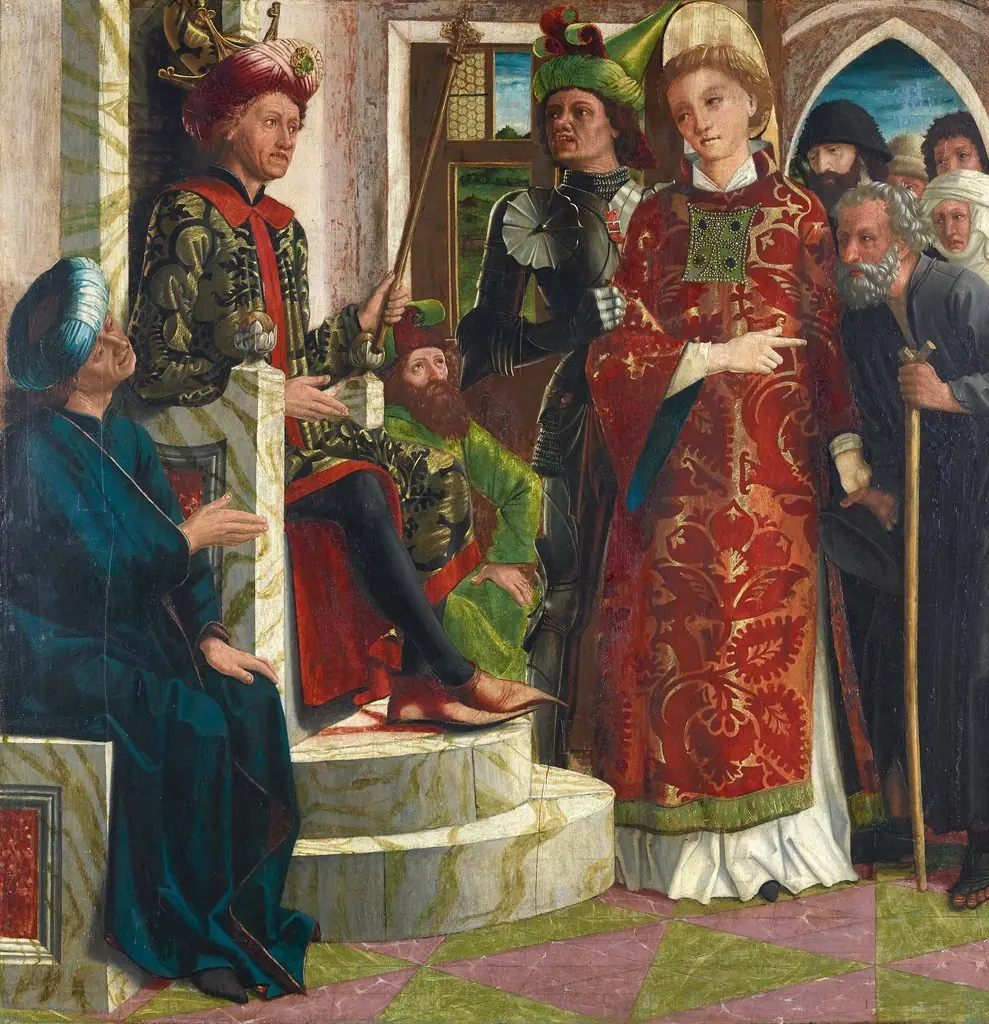 Der hl. Laurentius vor Kaiser Decius
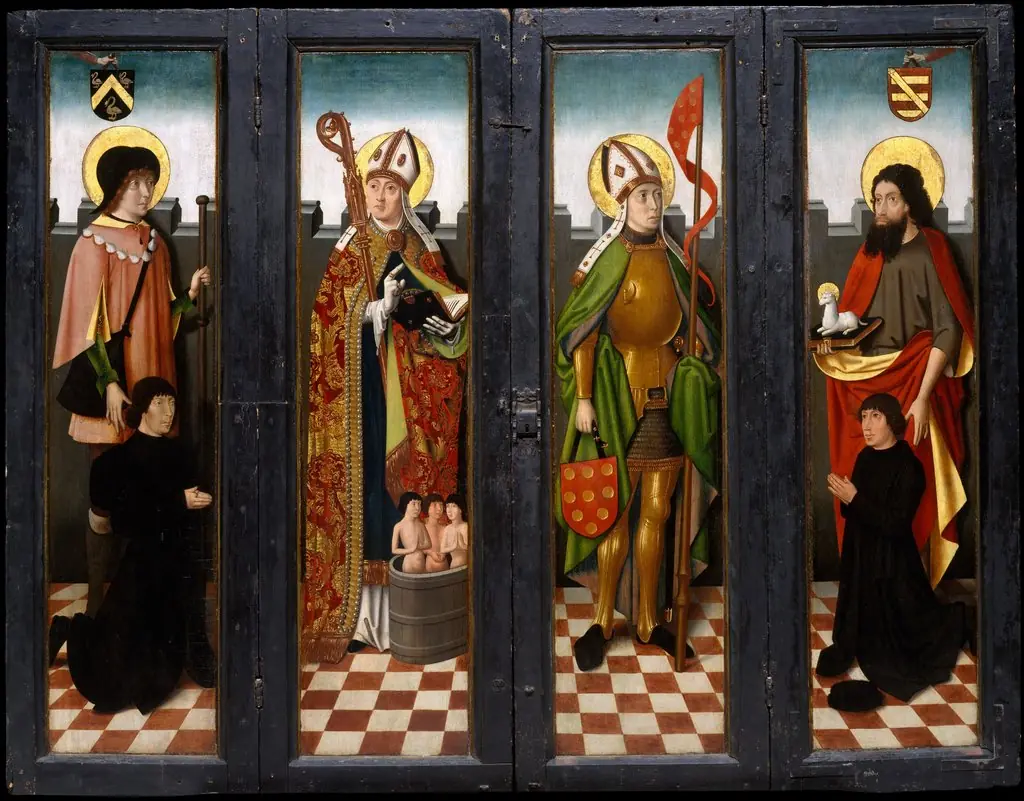 The Life and Miracles of Saint Godelieve