Artwork
Triptych of the Presentation of Jesus in the Temple
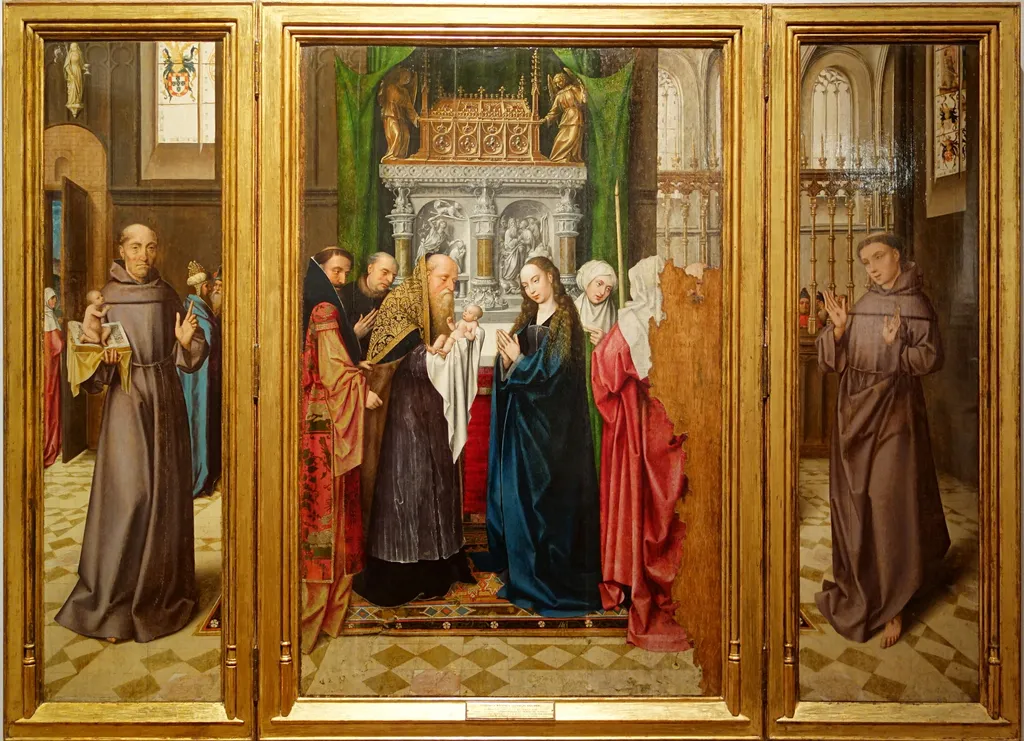
Triptych of the Presentation of Jesus in the Temple is an unspecified painting by the Northern Renaissance artist Goswin van der Weyden. It dates from 1501 and is held in the collection of the National Museum of Ancient Art.
About this work
The artist's work is part of a collection at the National Museum of Ancient Art, which suggests it has historical significance.
The painting is called Triptych of the Presentation of Jesus in the Temple.
It was created by Goswin van der Weyden in 1501.
The artist's work is part of a collection at the National Museum of Ancient Art, which suggests it has historical significance.
The fact that it's a triptych, a type of painting made of three parts, makes it interesting.
This format was often used for altarpieces, which were important in churches.
You can learn more about this type of art by looking into the work of the National Museum of Ancient Art.
Overview
Painted in 1501 by Goswin van der Weyden, this triptych is a devotional altarpiece depicting the biblical scene of Jesus’ presentation at the Temple. As a work of the Northern Renaissance, it reflects the detailed, intimate style characteristic of Flemish painting. The three-panel format was standard for church altars, allowing for both public display and private contemplation. The painting remains part of the National Museum of Ancient Art’s collection, preserving its ecclesiastical and artistic heritage.
Subject & Meaning
The central panel illustrates the moment Mary and Joseph present the infant Jesus to the priest Simeon in the Temple, as described in the Gospel of Luke. Flanking panels include Saint Anthony of Padua and Saint Francis of Assisi, saints associated with devotion and humility. Their inclusion suggests the work was commissioned for a religious community honoring these figures, reinforcing themes of piety, fulfillment of prophecy, and divine grace within a liturgical context.
Technique & Style
Van der Weyden employed fine brushwork and rich pigments typical of Antwerp’s workshop traditions. Figures are rendered with delicate facial expressions and intricate textiles, while architectural details suggest spatial depth without full perspective. The use of gold leaf in halos and backgrounds enhances the sacred atmosphere. His style continues the legacy of his grandfather, Rogier van der Weyden, emphasizing emotional restraint and meticulous detail over dramatic movement.
History & Provenance
Commissioned for a religious setting, the triptych likely adorned an altar in an Antwerp church before entering institutional collection. Its survival through centuries of religious upheaval, including the Protestant Reformation, speaks to its perceived value. It was acquired by the National Museum of Ancient Art in Lisbon, where it has been preserved as part of a broader European collection, reflecting its significance beyond its regional origins.
Context
In early 16th-century Antwerp, religious art remained central to civic and spiritual life, even as humanist ideas spread. Triptychs like this one served both liturgical and didactic purposes, guiding worshipers through biblical narratives. Goswin van der Weyden operated within a network of artists trained in the Brussels-Antwerp tradition, helping sustain the region’s reputation for devotional painting amid growing commercial and intellectual change.
Legacy
Though less widely known than his grandfather, Goswin van der Weyden contributed to the continuity of Flemish painting traditions in the early Renaissance. His triptych exemplifies how family workshops preserved stylistic conventions while adapting to local devotional needs. Today, the work stands as a testament to the enduring role of altarpieces in shaping religious experience and artistic practice in Northern Europe during the transition from medieval to early modern culture.
Artist & collection
Artist
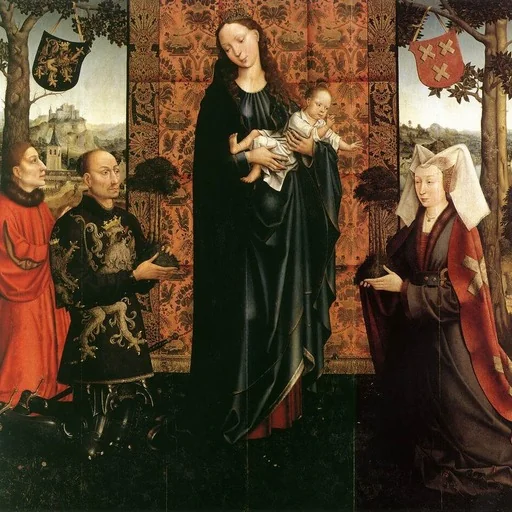
Goswin van der Weyden or Goossen van der Weyden (1455–1543) was a Flemish Renaissance painter active in Antwerp.

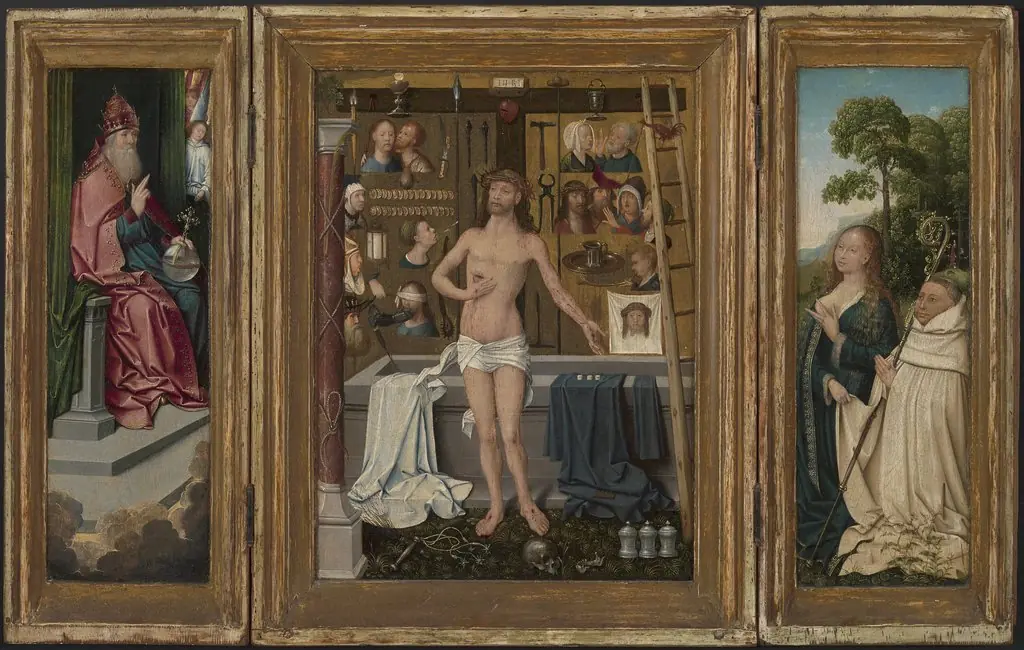 Triptych of Antonius Tsgrooten
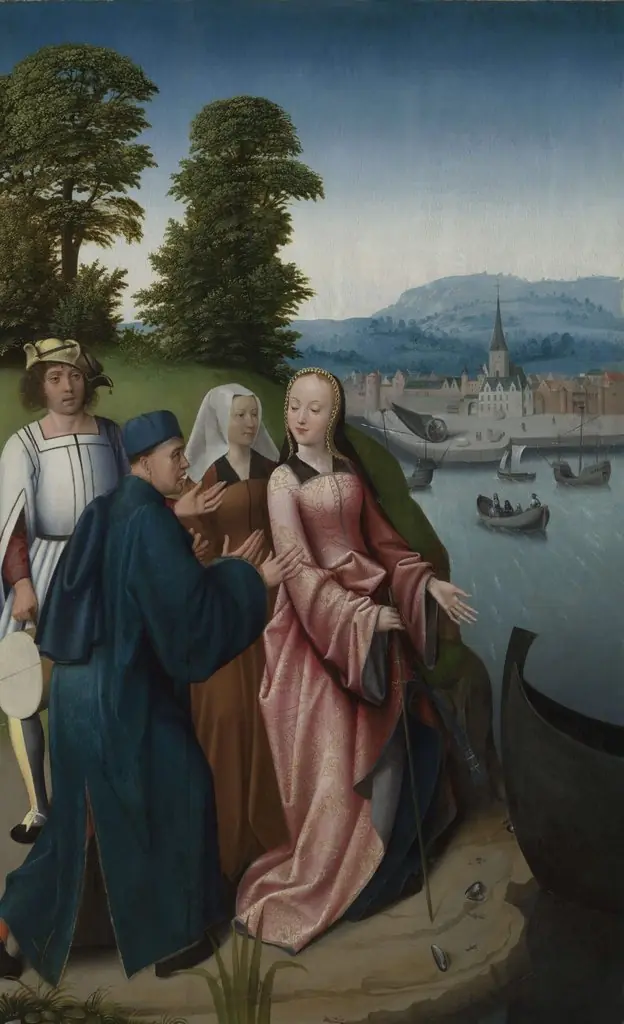 Dymphna and her Companions about to Embark
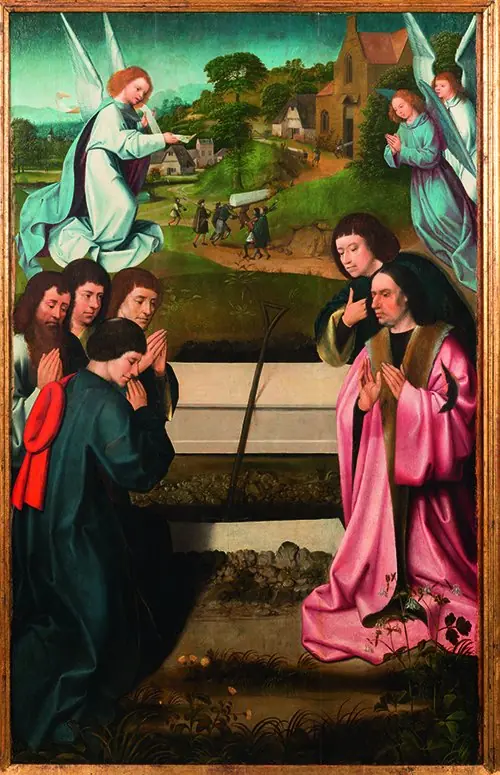 Discovery of the Sarcophagi Containing the Bodies of Dymphna and Gerebernus
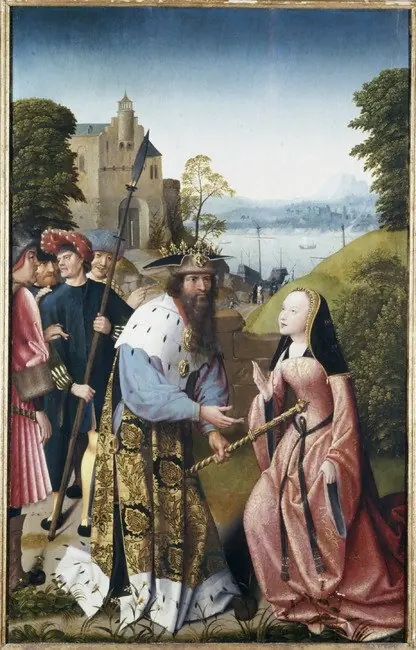 Dymphna’s Father Proposes to her
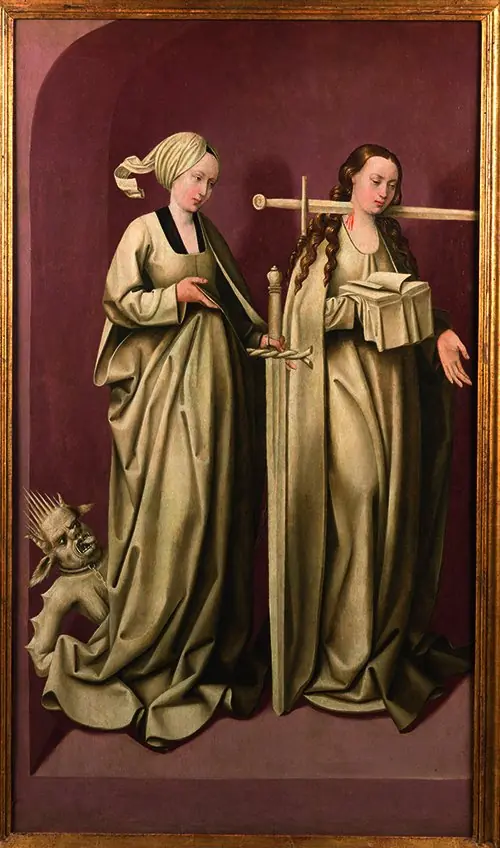 Saints Dymphna and Lucy
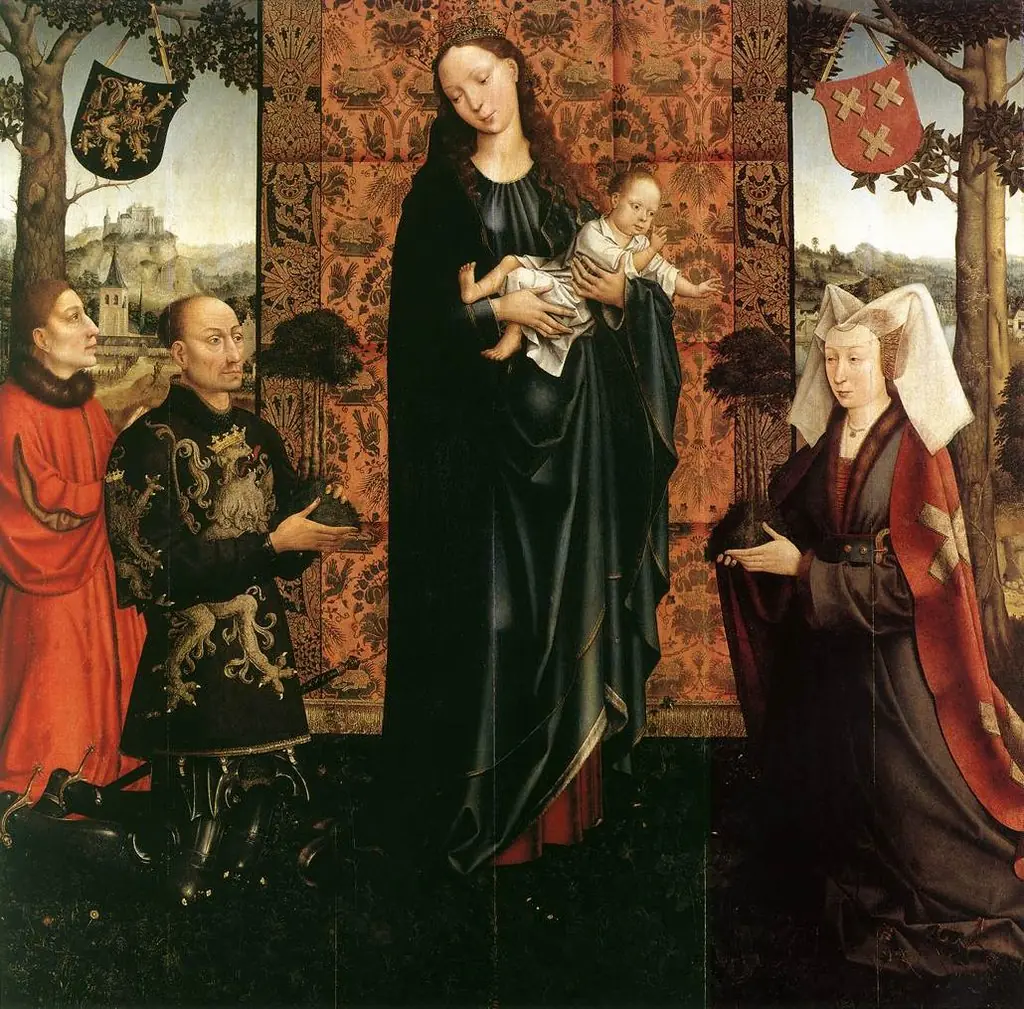 The Gift of Kalmthout
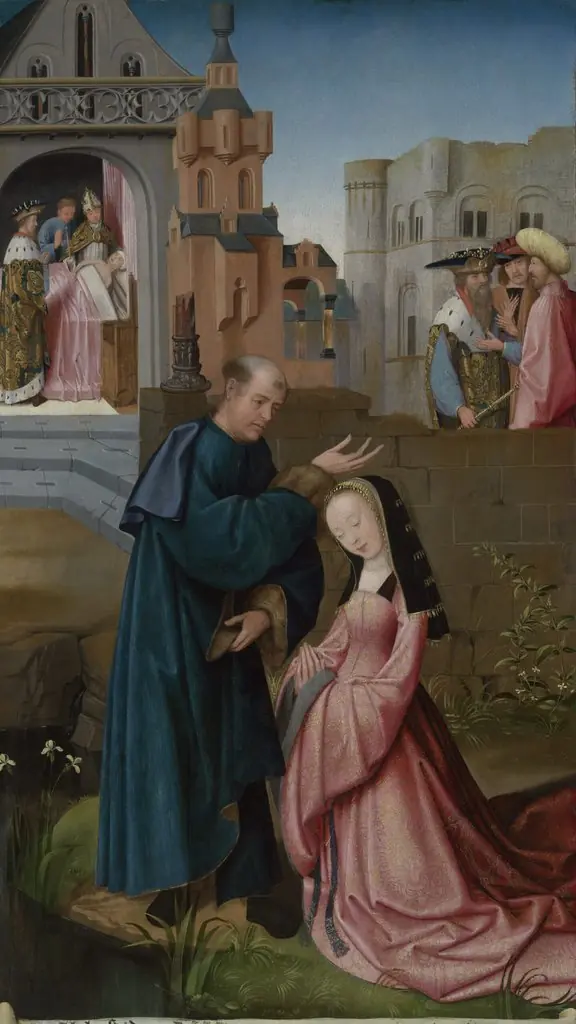 Baptism of Dymphna, with the Death of Dymphna’s Mother Represented in the Background
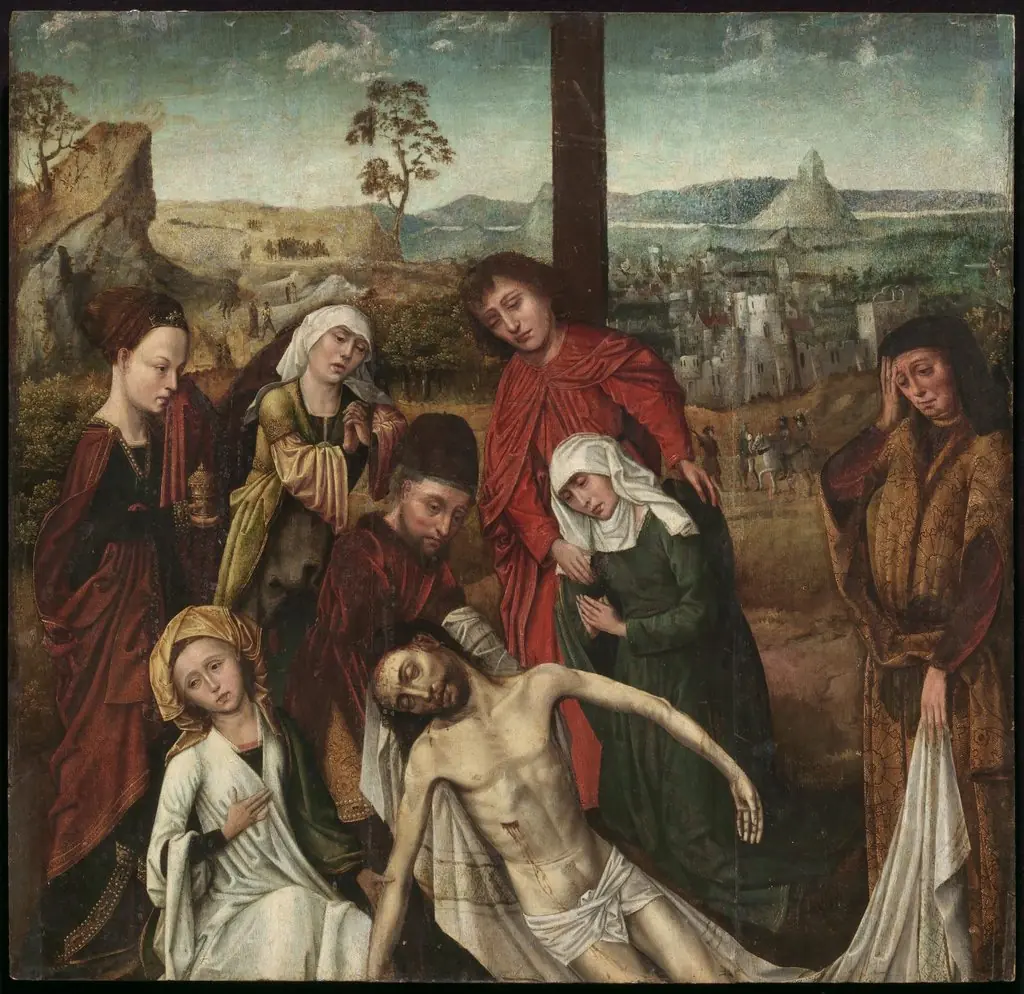 The Deposition of Christ
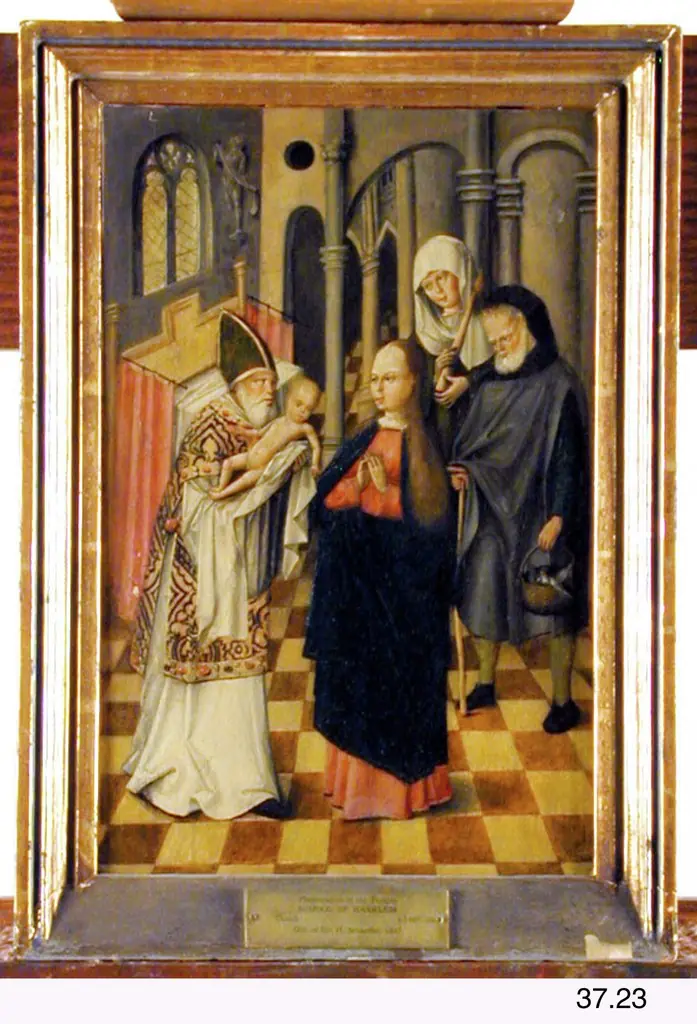 Presentation in the Temple
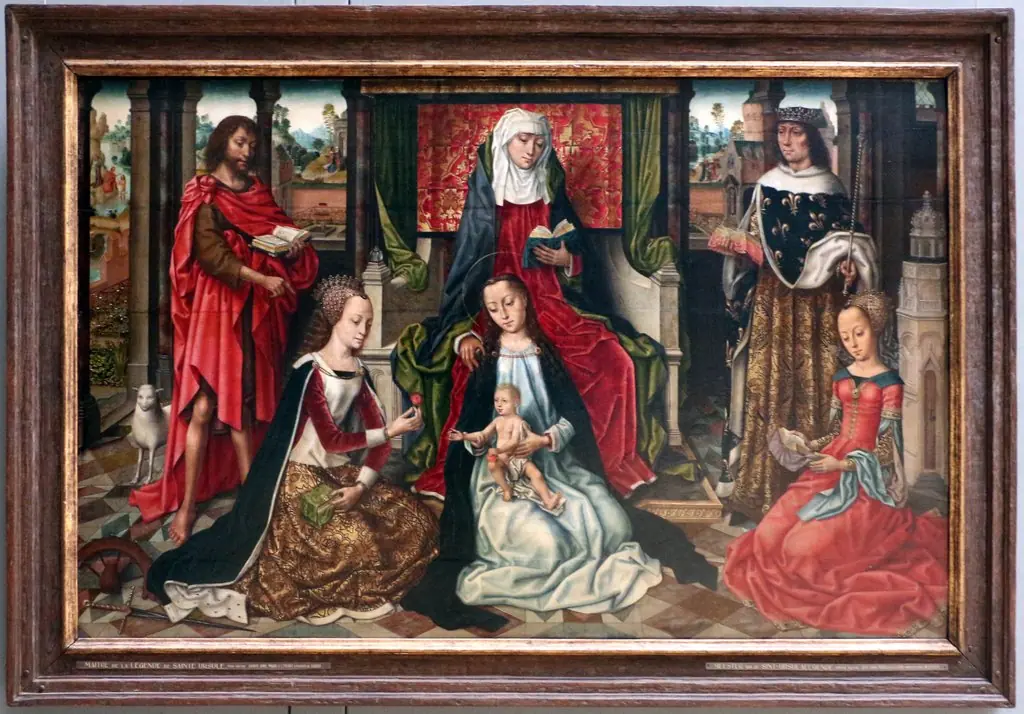 Saint Anne with the Virgin and Child and four saints (John the Baptist, Louis IX, Catherine and Barbara)
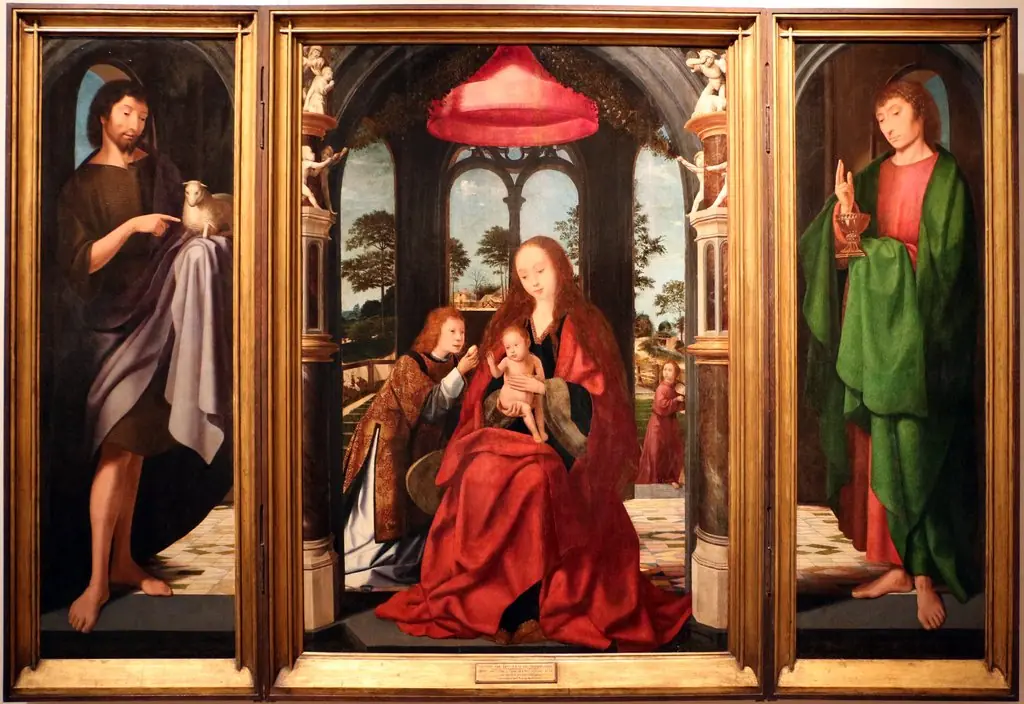 Triptych of the Virgin with the Child and Angels, St. John the Baptist and St. John the Evangelist
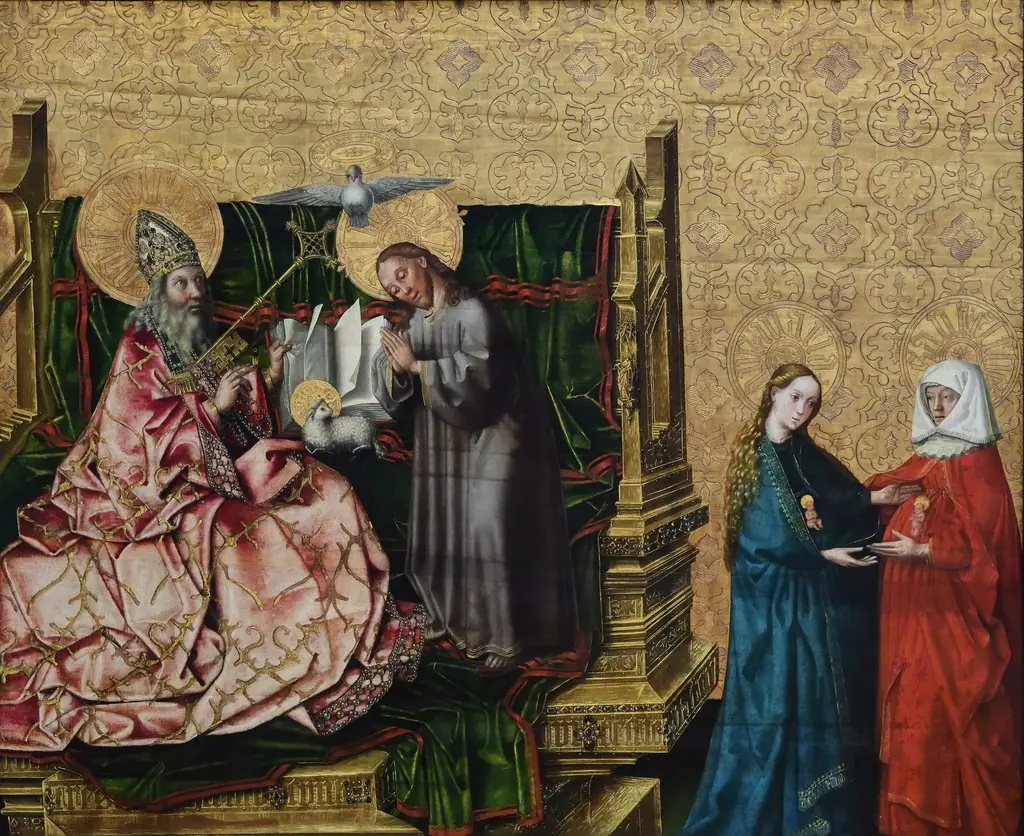 The Council of Salvation
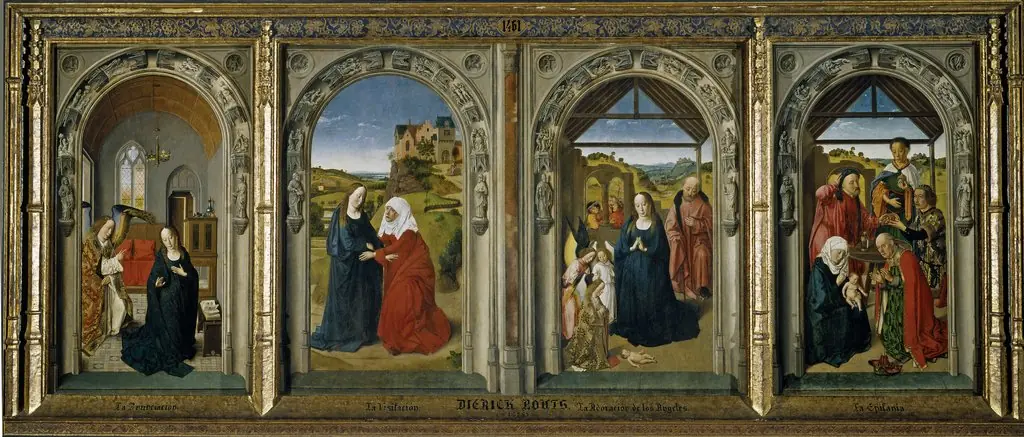 Triptych with Scenes from the Life of the Virgin
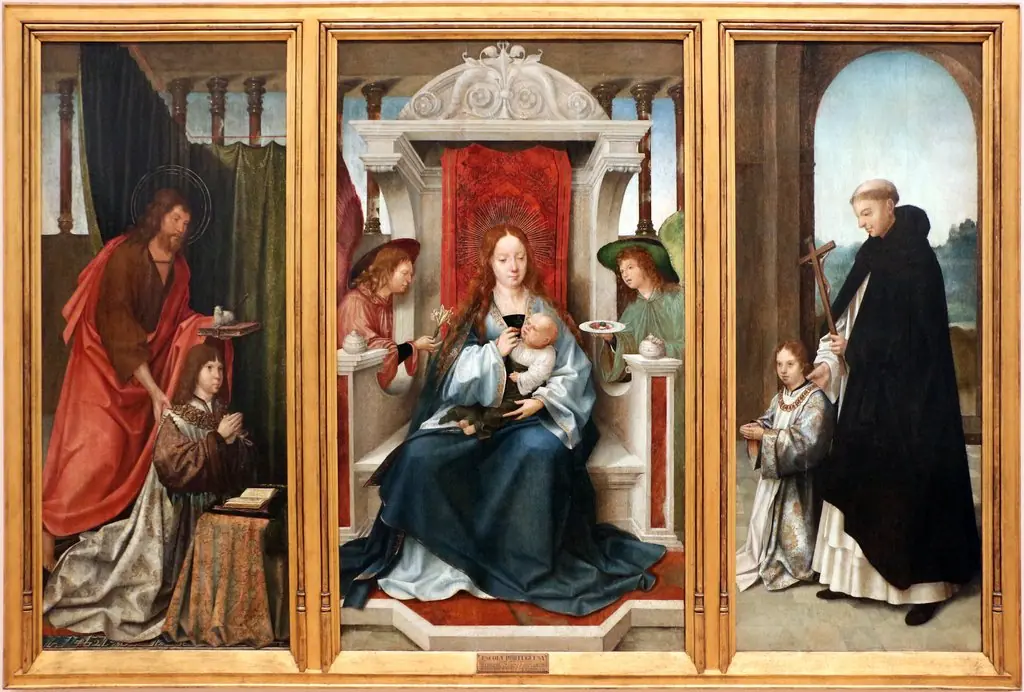 Triptych of the Princes
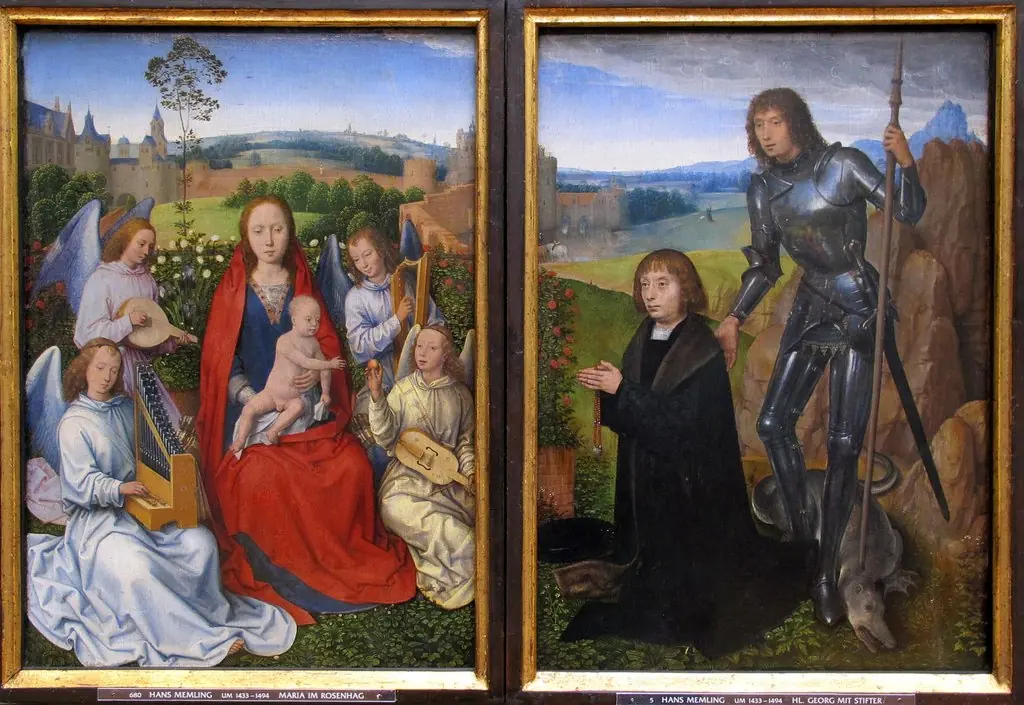 Diptych of Munich
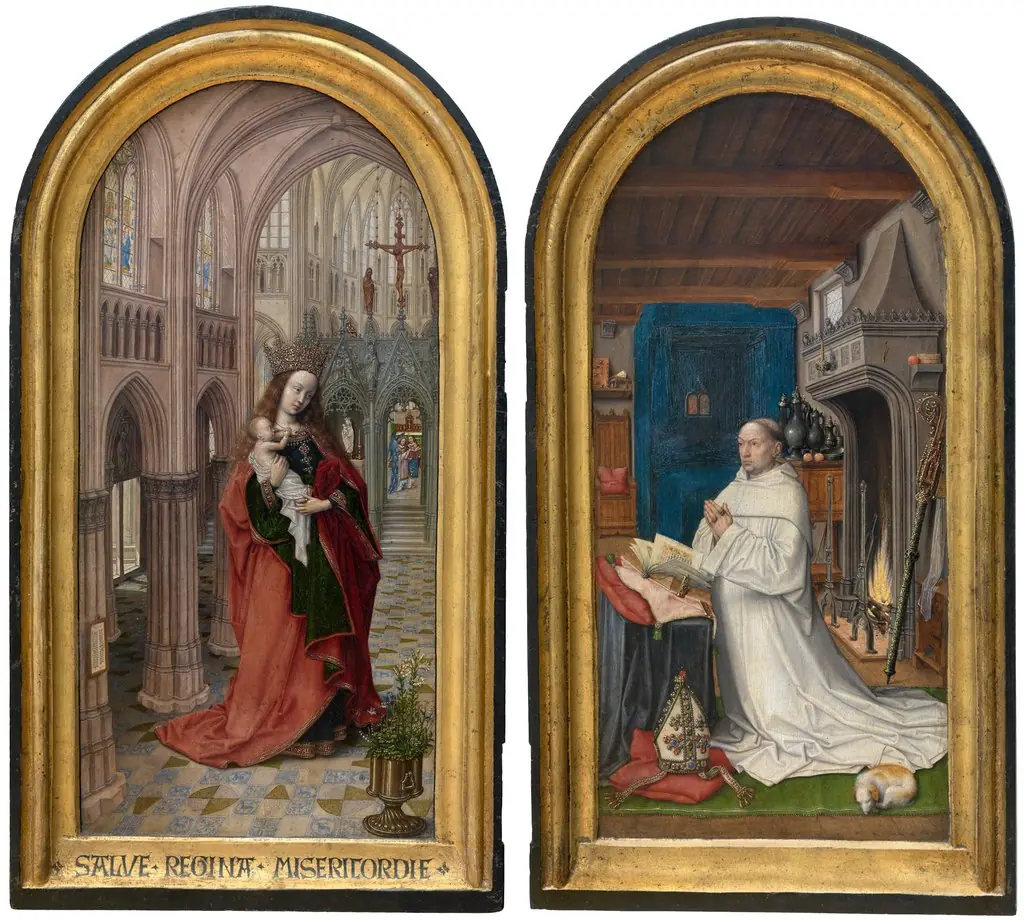 Diptych of Christiaan de Hondt, abbott at Ter Duinen
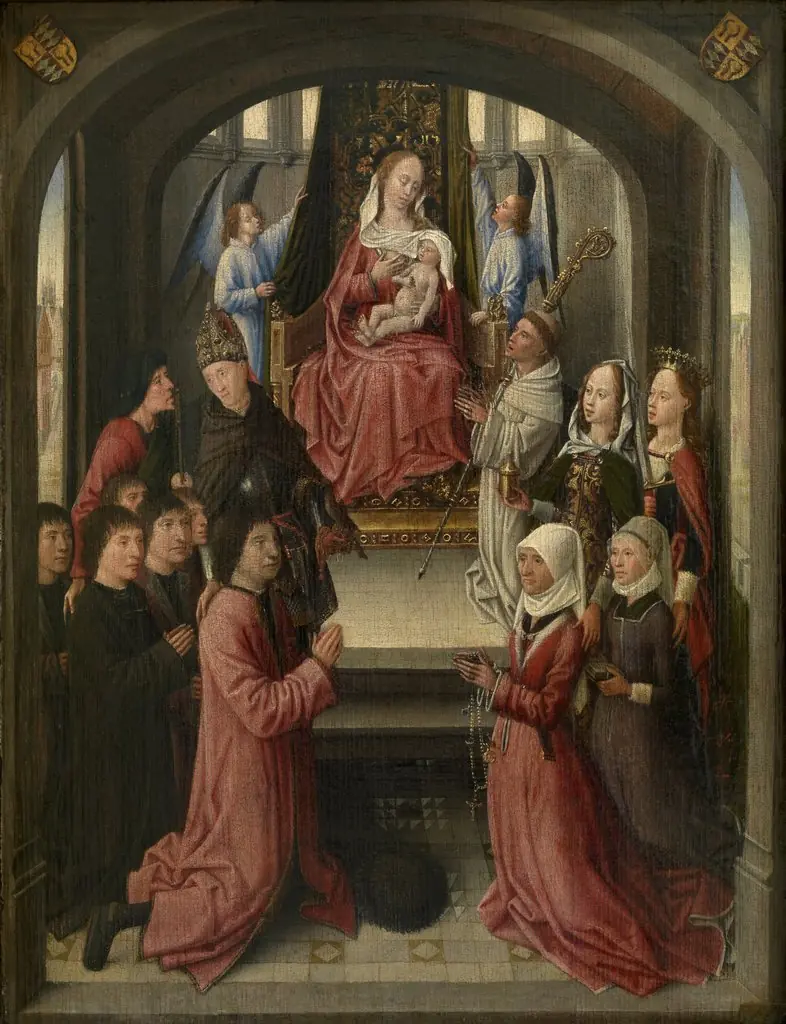 Lactatio of Saint Bernard of Clairvaux with Donors