Artwork
Die Verkündigung an Maria und sechs Heilige
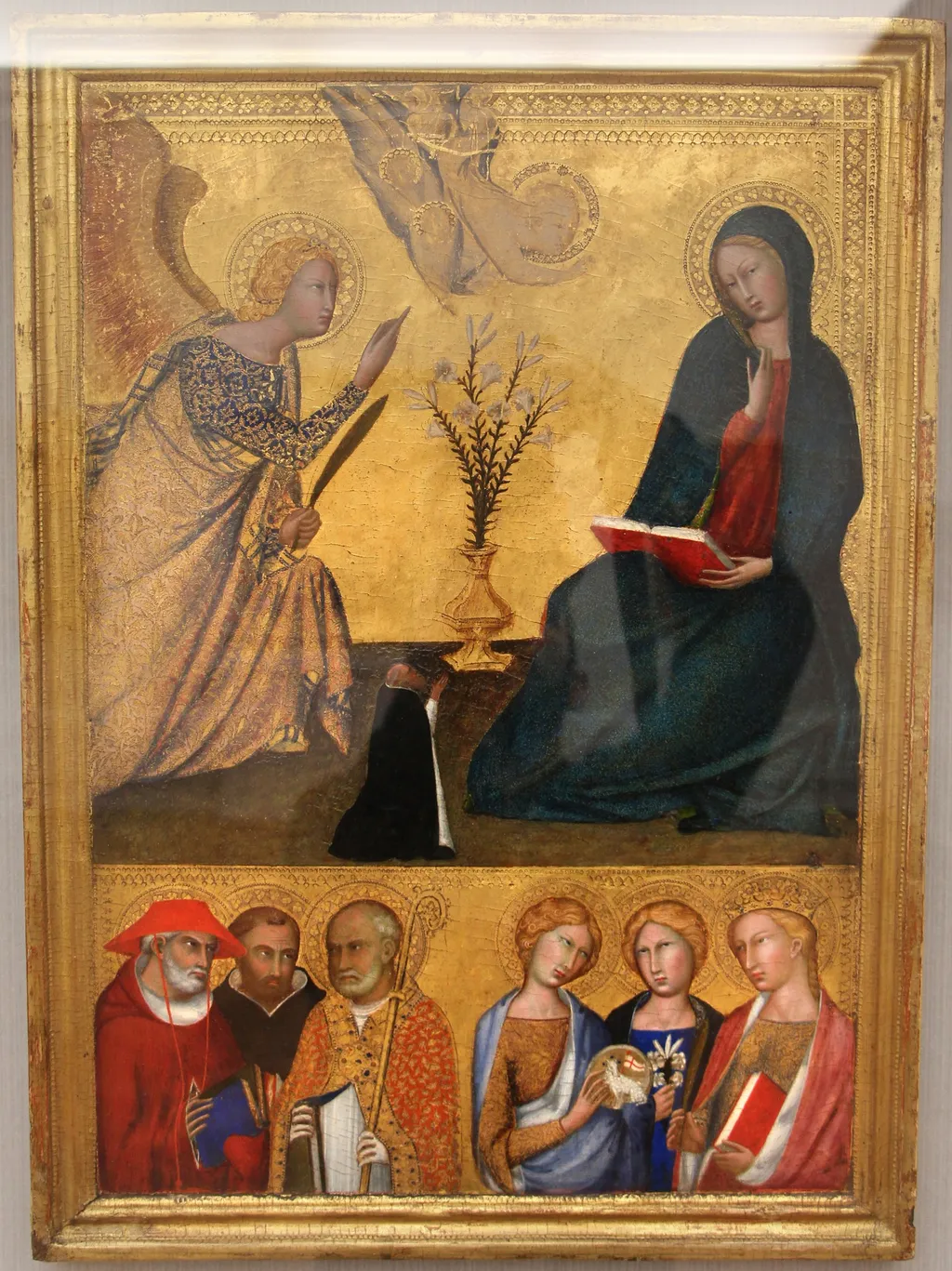
Die Verkündigung an Maria und sechs Heilige is a paint painting by the Byzantine icon painting artist Lippo Memmi. It dates from 1340 and is held in the collection of the Gemäldegalerie Berlin.
About this work
Overview
Painted in 1340 by Lippo Memmi, this work depicts the Annunciation alongside six saints, executed in tempera on panel. It reflects the Sienese tradition of sacred imagery, blending devotional purpose with refined decorative detail. The painting is part of the collection at the Gemäldegalerie in Berlin, where it remains a representative example of mid-14th-century Italian religious art.
Subject & Meaning
Below them, six saints—likely patrons or venerated figures of the commissioning church—observe the moment in silent reverence.
The central scene portrays the angel Gabriel announcing to the Virgin Mary that she will bear the Son of God. Below them, six saints—likely patrons or venerated figures of the commissioning church—observe the moment in silent reverence. The composition emphasizes divine revelation and the intercession of holy figures, reinforcing the spiritual authority of the Virgin and the sanctity of the event.
Technique & Style
Memmi employed tempera paint with gold leaf for the background and halos, characteristic of Byzantine-inspired Sienese painting. Figures are elongated, with delicate facial features and intricate drapery rendered in fine lines. The ornamental details—such as the floral vase and patterned robes—reflect a preference for elegance over naturalism, aligning with the courtly aesthetic of Simone Martini’s circle.
History & Provenance
Created during Memmi’s active period in Siena, the painting likely originated as an altarpiece for a local chapel or convent. It entered the Gemäldegalerie Berlin’s collection in the 19th century, following the broader dispersal of Italian religious art after secularization. Its survival in relatively intact condition offers insight into devotional practices of 14th-century Tuscany.
Context
In mid-14th-century Siena, religious imagery served both liturgical and civic functions. Memmi, influenced by Simone Martini, contributed to a style that fused spiritual solemnity with aristocratic refinement. This painting reflects the city’s wealth and piety, where patronage of sacred art reinforced communal identity and devotion during a time of political and epidemiological upheaval.
Legacy
Though less widely known than contemporaries like Giotto, Memmi’s work exemplifies the enduring influence of Byzantine conventions in Italian painting. His careful handling of line and gold surface helped sustain the Sienese tradition into the late Gothic period. This painting remains a quiet testament to the devotional culture of its time, valued for its craftsmanship and compositional harmony.
Artist & collection

Artist
Lippo Memmi (c. 1291 – 1356) was an Italian painter from Siena. He was the foremost follower of Simone Martini, who was his brother-in-law. Together with Martini, in 1333 he painted what is regarded as one of the…

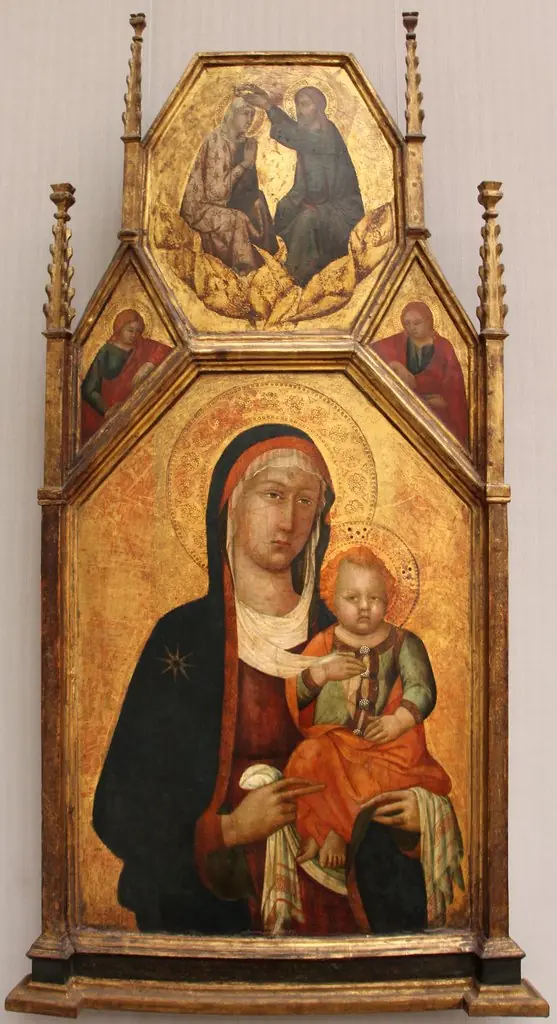
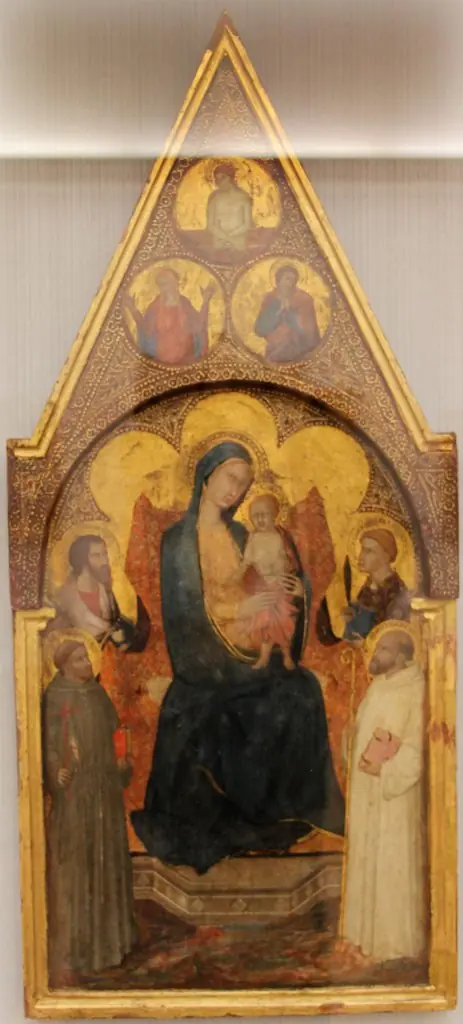 Thronende Maria mit dem Kind und vier Heiligen
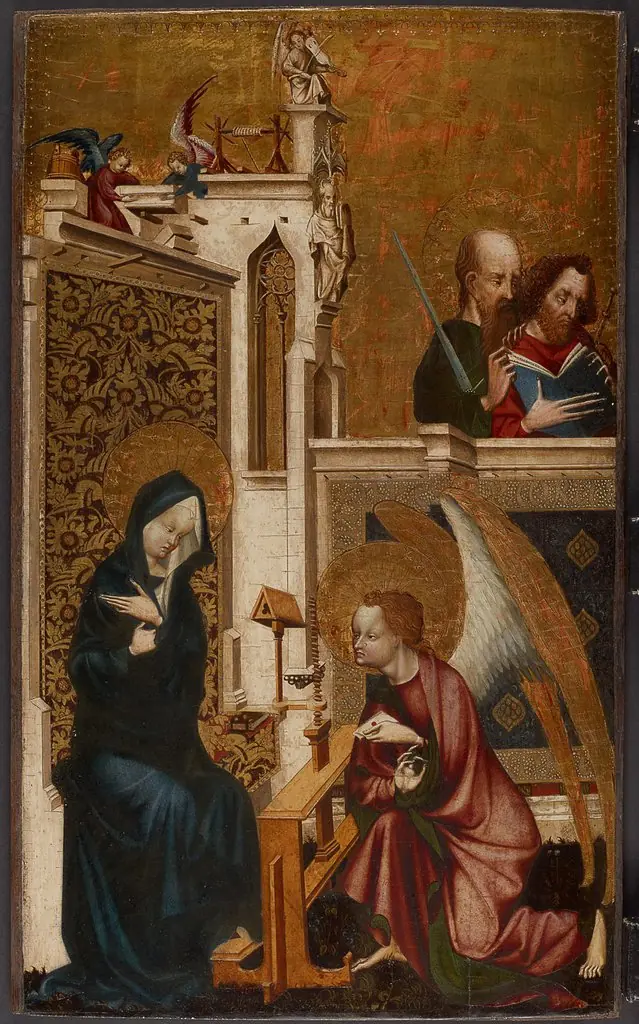 Verkündigung Mariae, Rückseite: Hl. Dorothea
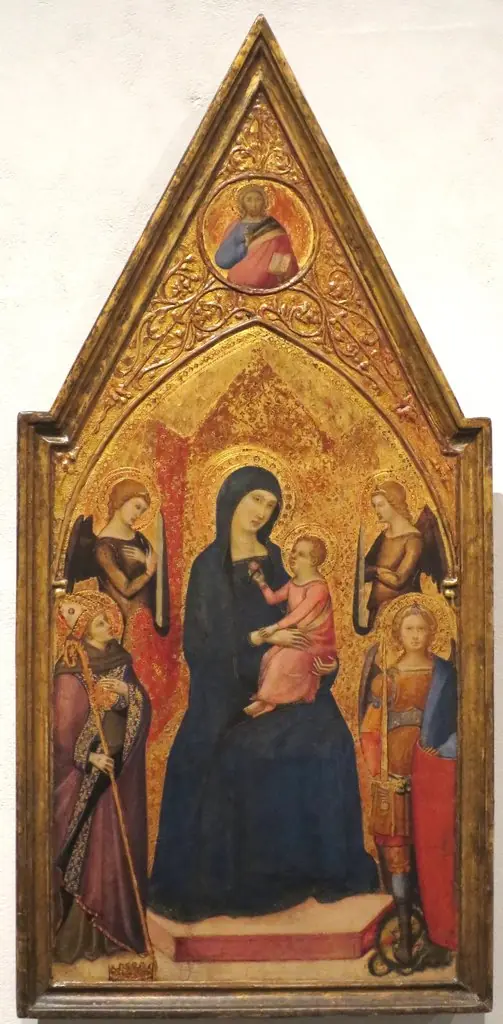 Virgin and Child with Sts. Louis of Toulouse and Michael
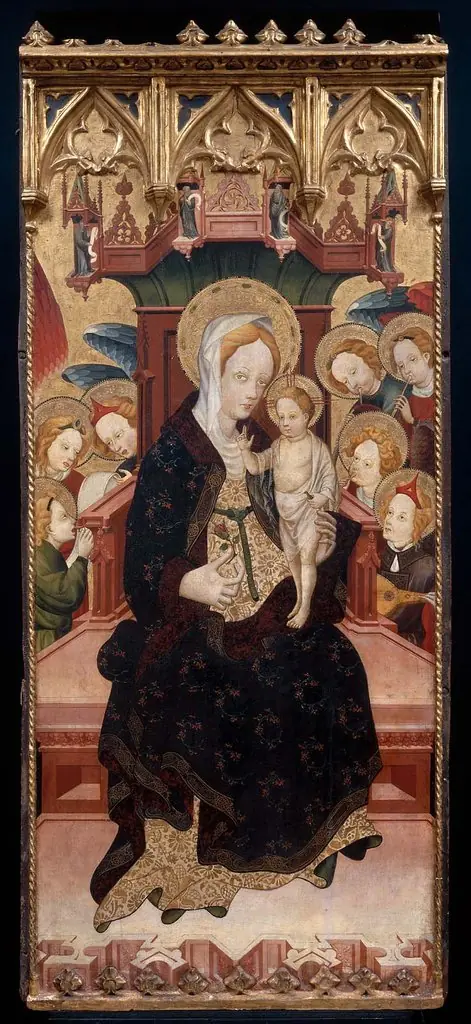 Virgin and Child Enthroned
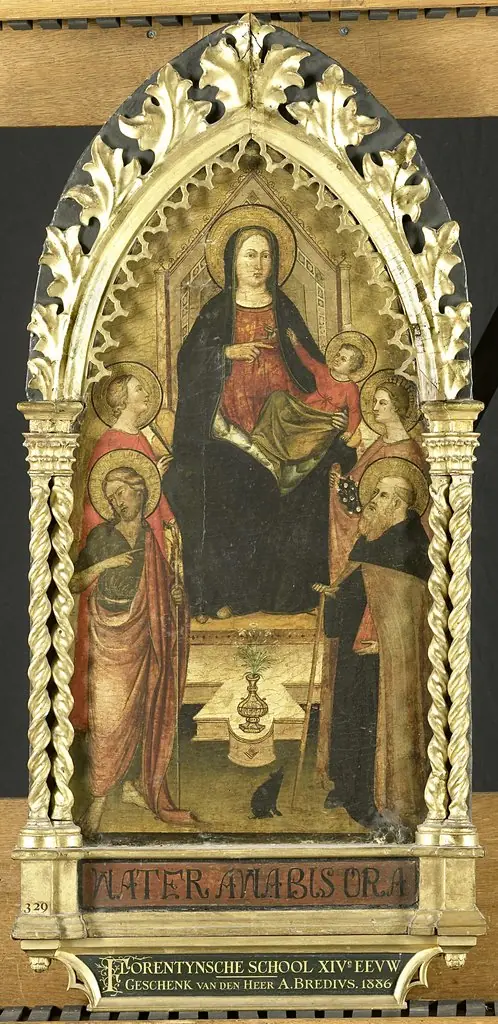 Virgin and Child Enthroned with Four Saints, Saints John the Baptist, Antony Abbot, Elizabeth of Hungary, a female saint
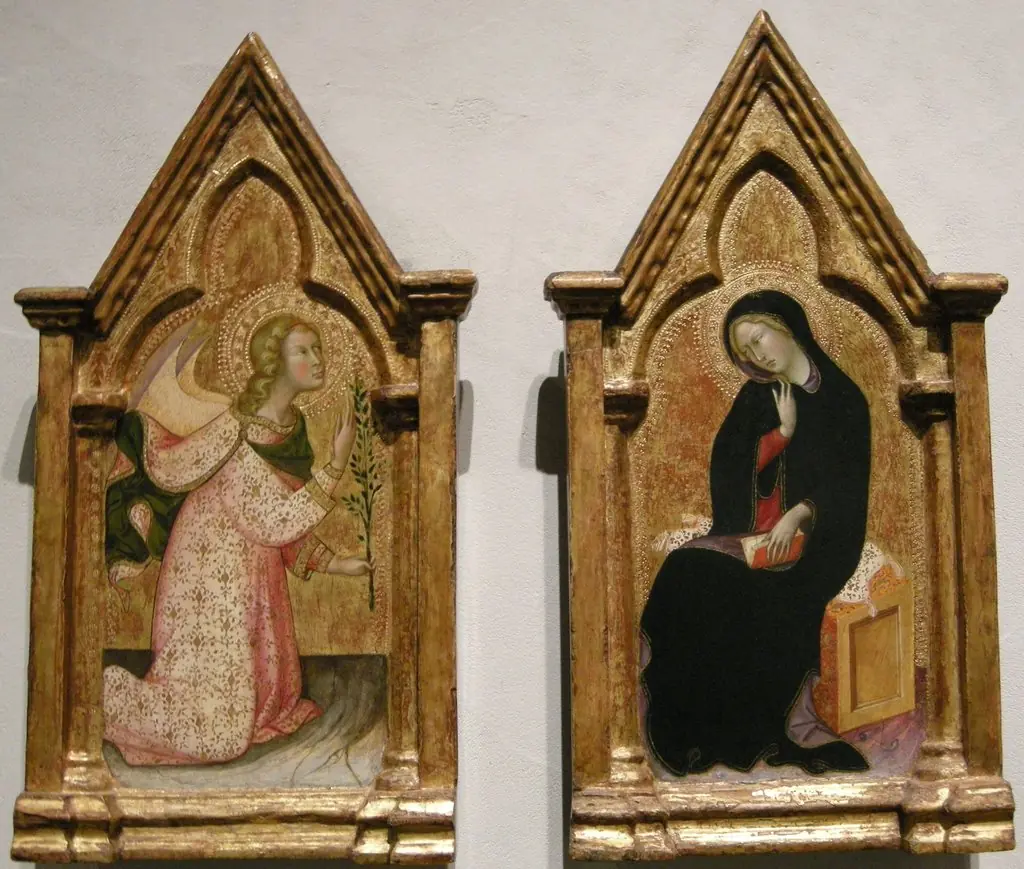 Untitled
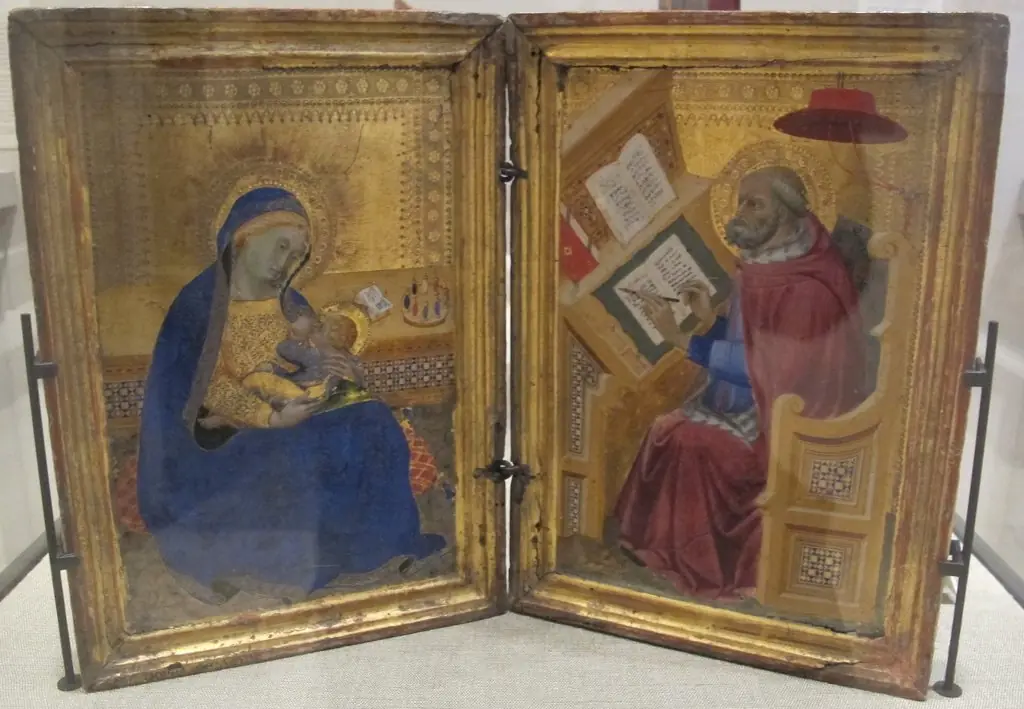 madonna dell'umità e san girolamo nello studio
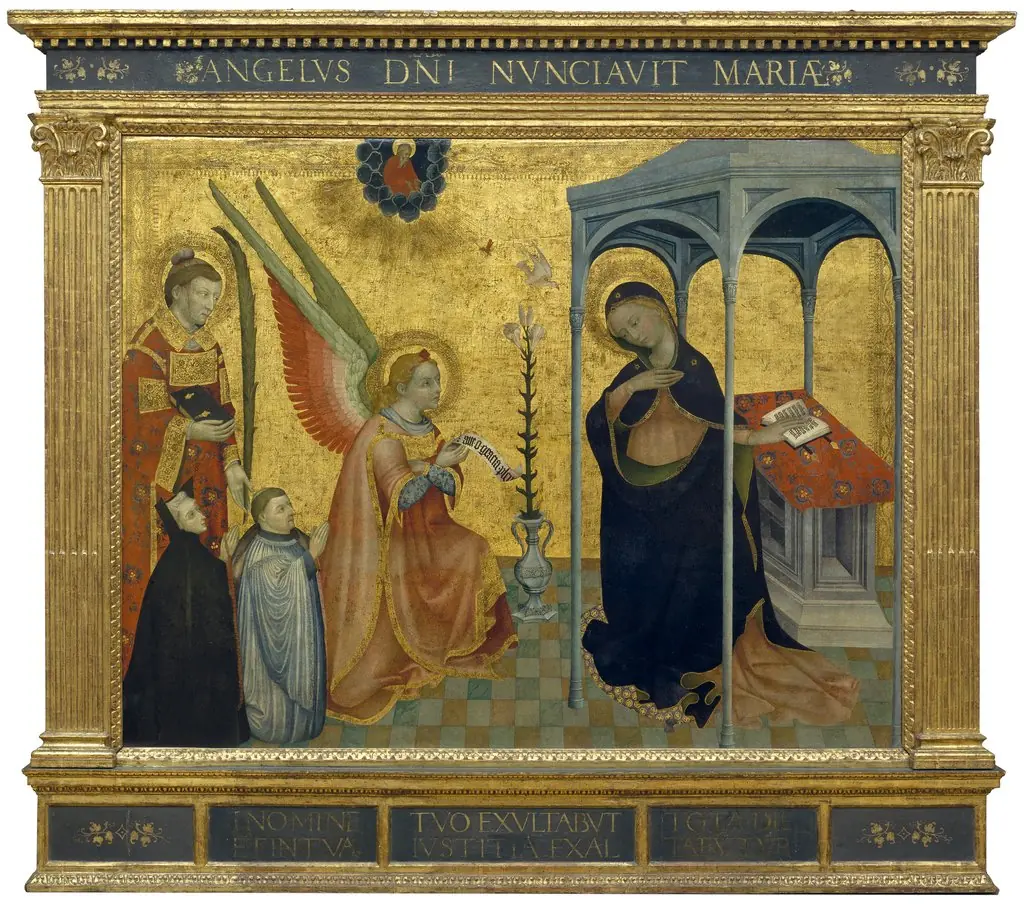 The Annunciation
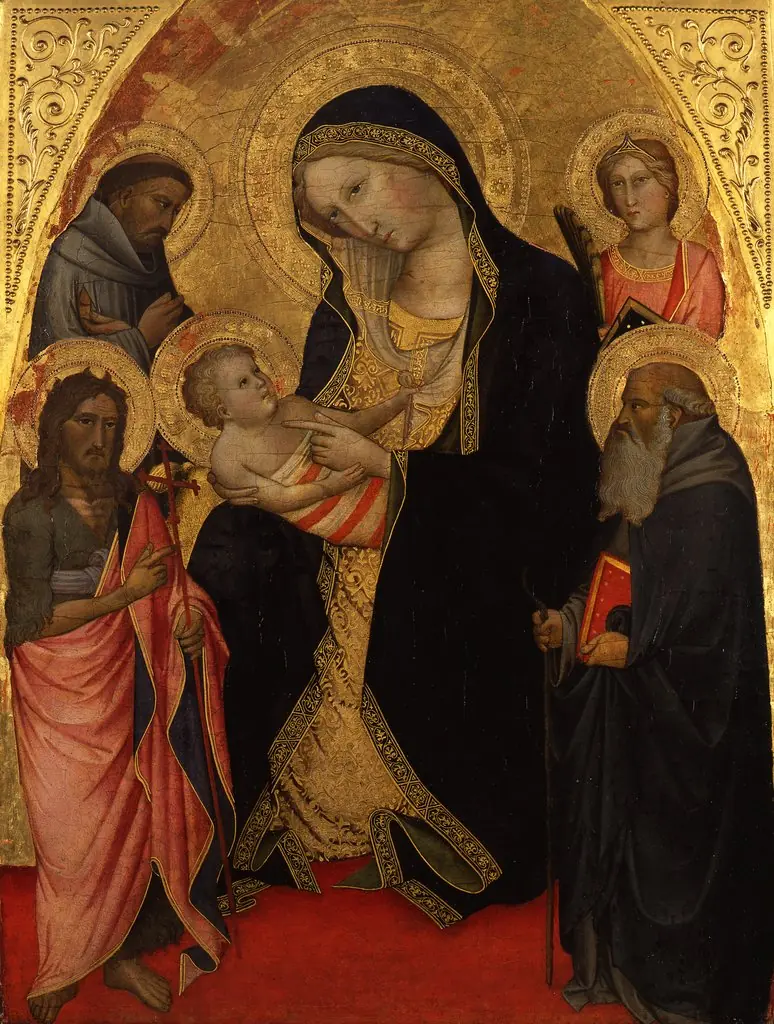 Madonna with the child, St. John the Baptist, St. Francis and St. Anthony and a martyr
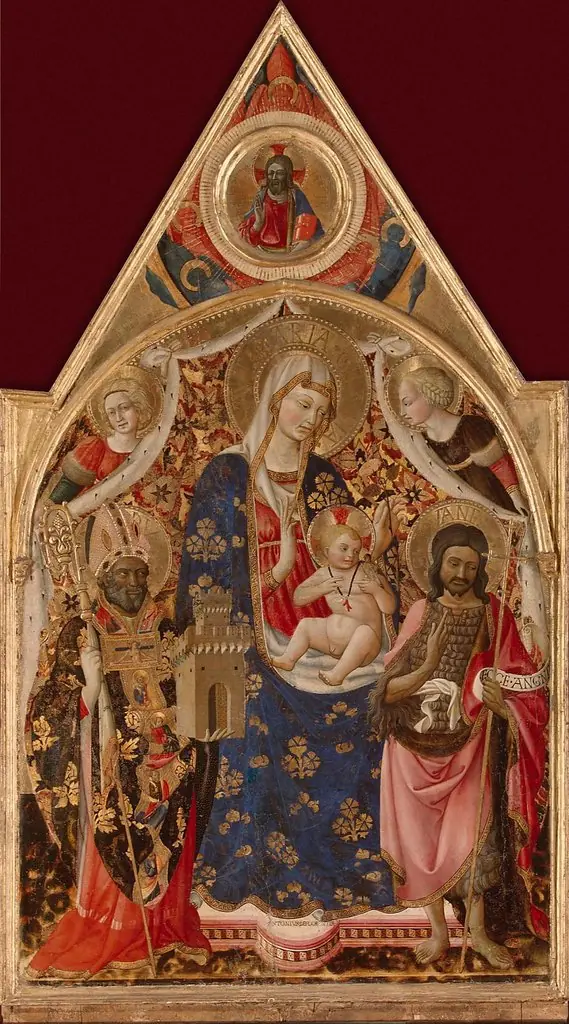 Madonna and Child, with a Bishop, St John The Baptist and Angels
 The Virgin and Child with Saints and Angels