Artwork
Turkish Arms
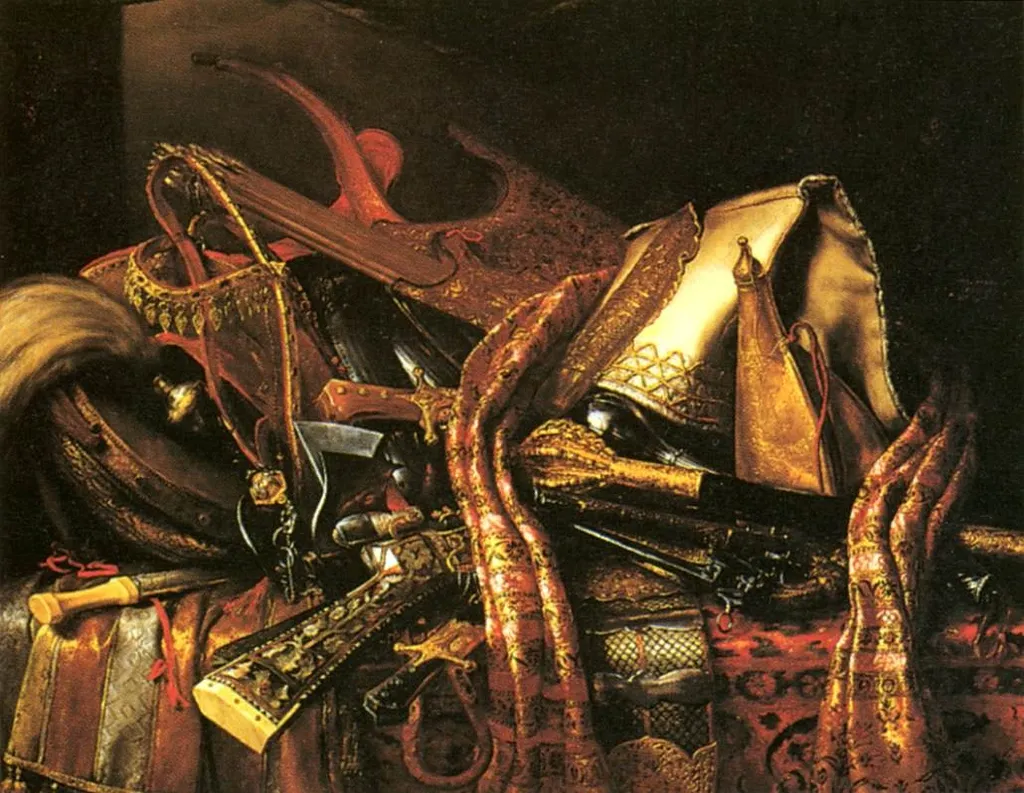
Turkish Arms is an oil painting by the Barbizon school artist Bartolomeo Bimbi. It dates from 1690 and is held in the collection of the Uffizi Gallery.
About this work
Overview
Unlike Bimbi’s more common floral compositions, this piece focuses on weaponry, emphasizing material texture and arrangement rather than narrative.
Painted in 1690 by Bartolomeo Bimbi, *Turkish Arms* is an oil-on-canvas still life depicting a group of Ottoman military equipment. Commissioned by the Medici court, the work reflects the Florentine tradition of cataloging exotic objects through precise visual documentation. Unlike Bimbi’s more common floral compositions, this piece focuses on weaponry, emphasizing material texture and arrangement rather than narrative.
Subject & Meaning
The painting presents a stacked arrangement of Turkish swords, a helmet, a shield, and a bow with arrows. These items, likely acquired through diplomatic or military exchange, symbolize the cultural and political encounters between Europe and the Ottoman Empire. Their display in a Medici residence served as a quiet assertion of cosmopolitan awareness, not conquest, aligning with the Grand Duke’s interest in global artifacts.
Technique & Style
Bimbi rendered the armor with meticulous attention to surface detail, using subtle gradations of brown, gold, and muted metallic tones to suggest weight and material. The helmet’s engraved patterns are rendered with fine brushwork, conveying intricate etching without romanticizing the design. The composition avoids dramatic lighting, favoring even illumination that highlights form and craftsmanship over theatrical effect.
History & Provenance
Commissioned during the reign of Cosimo III de’ Medici, the painting was likely intended for display in one of the Medici villas or palaces as part of a broader collection of curiosities. It entered the Uffizi’s holdings in the 18th or 19th century, where it remains today. Its survival reflects the Medici family’s sustained interest in documenting material culture beyond traditional religious or mythological subjects.
Context
In late 17th-century Tuscany, depictions of foreign arms were part of a broader European fascination with Ottoman culture, fueled by trade, diplomacy, and occasional conflict. While not part of the Barbizon school—whose members emerged a century later—Bimbi’s work aligns with Italian cabinet-of-curiosities traditions, where natural and man-made objects were studied for their aesthetic and exotic qualities.
Legacy
Though Bimbi is best known for his floral still lifes, *Turkish Arms* stands as a rare example of his engagement with non-botanical subjects. The painting contributes to the historical record of how European courts visually engaged with non-Western material culture. It remains a quiet but significant artifact of early modern collecting practices within the Medici patronage system.
Artist & collection
Artist
Bartolomeo Bimbi (15 May 1648 – 1729) was a Florentine (so from what was then the Grand Duchy of Tuscany) painter of still lifes, commissioned by his patrons including Cosimo III, Grand Duke of Tuscany to paint large…

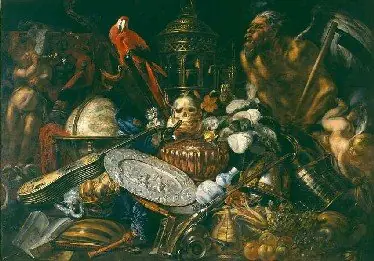 Vanitas
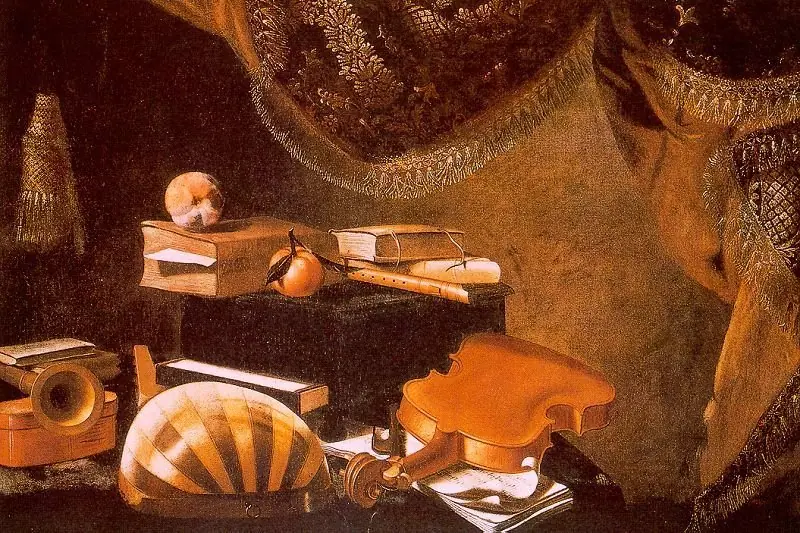 Still Life with Musical Instruments
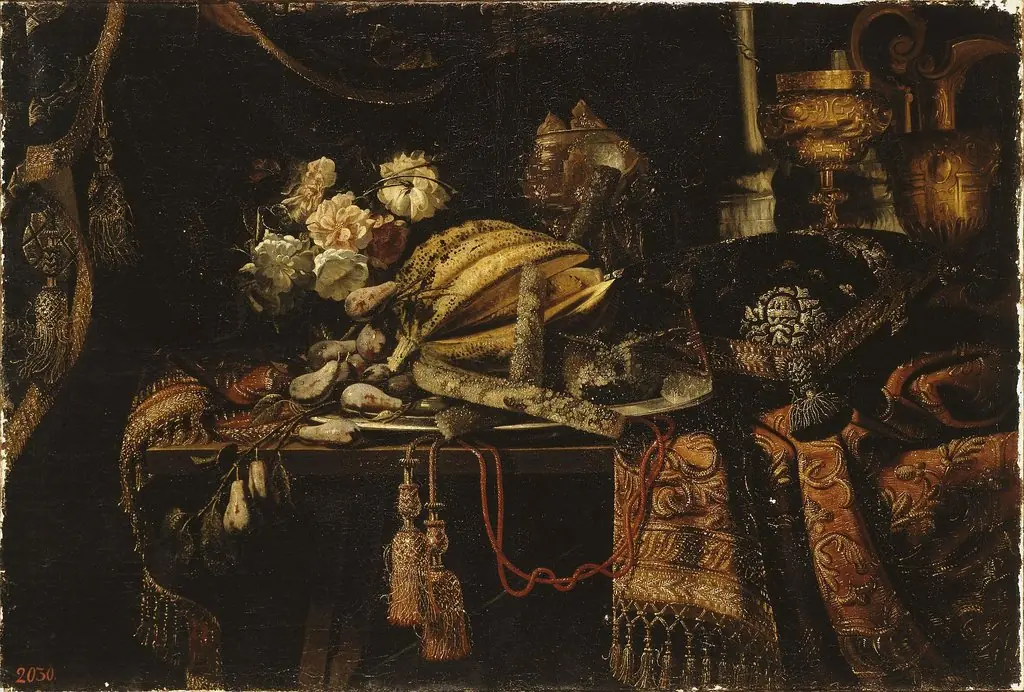 Still Life with a Melon
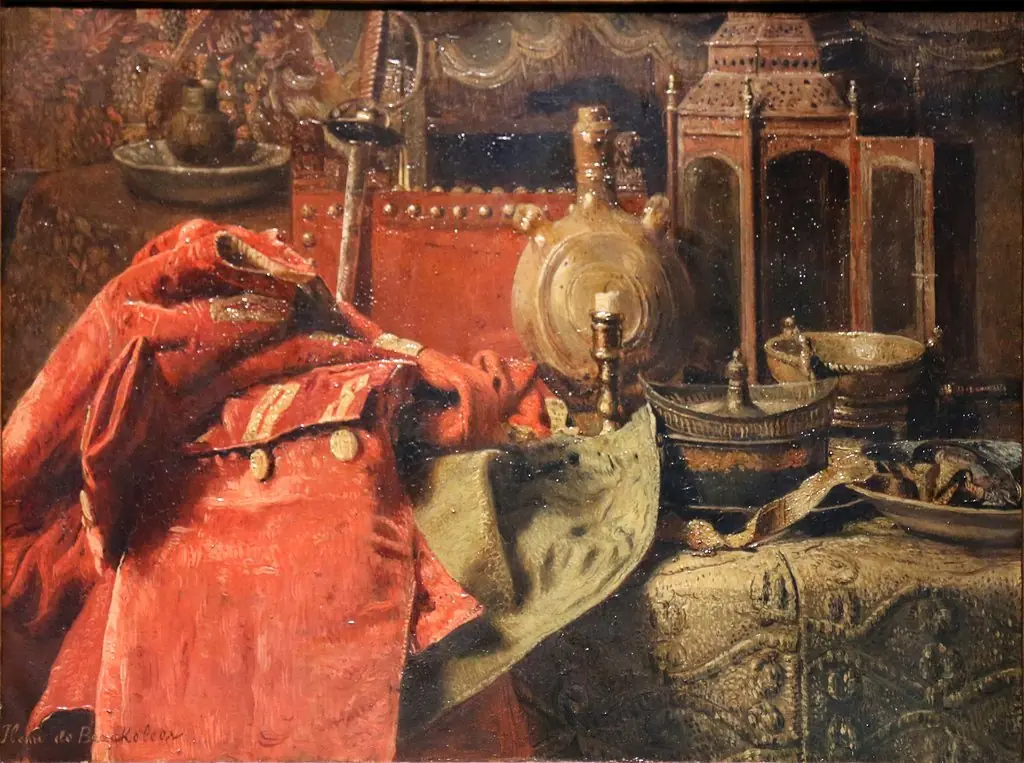 The red coat
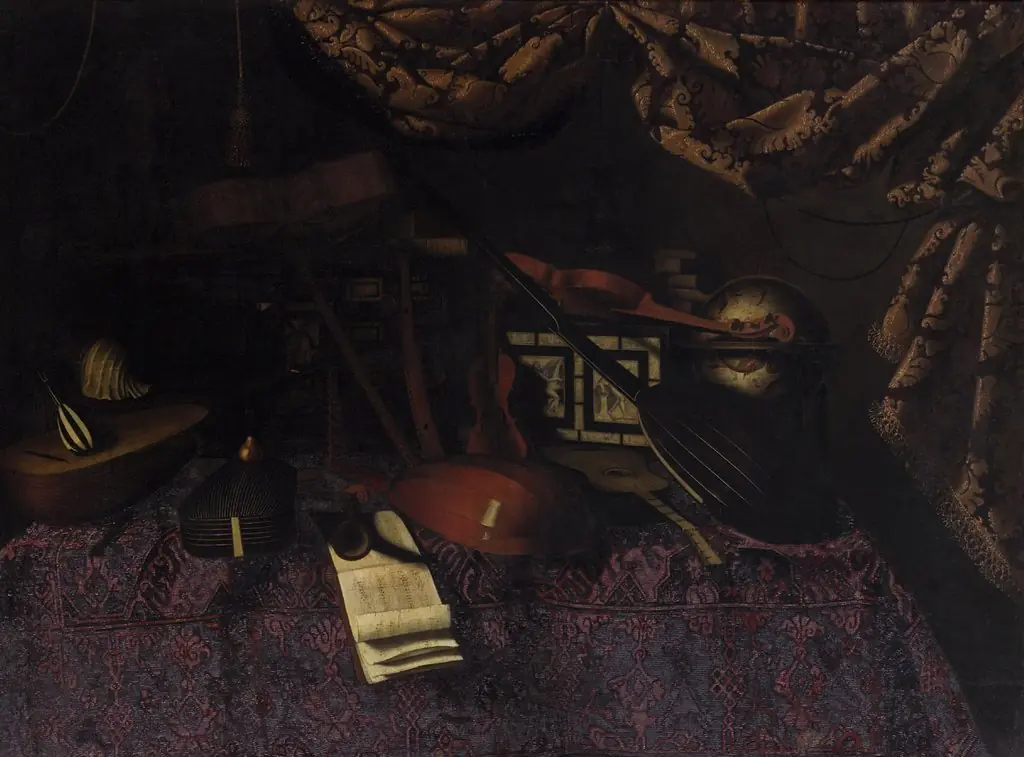 Stilleben mit Musikinstrumenten, Notenblättern, Himmelsglobus und Muschel
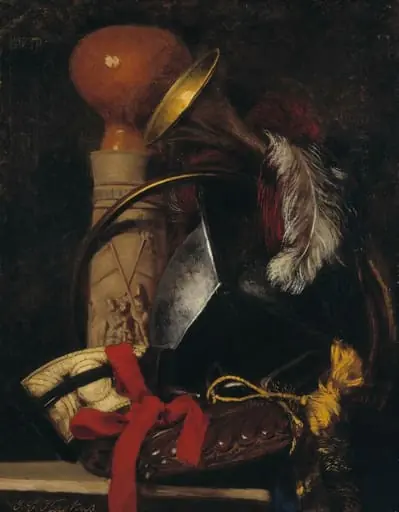 Asetelma, malja, metsätorvi, plyymejä sekä vyö
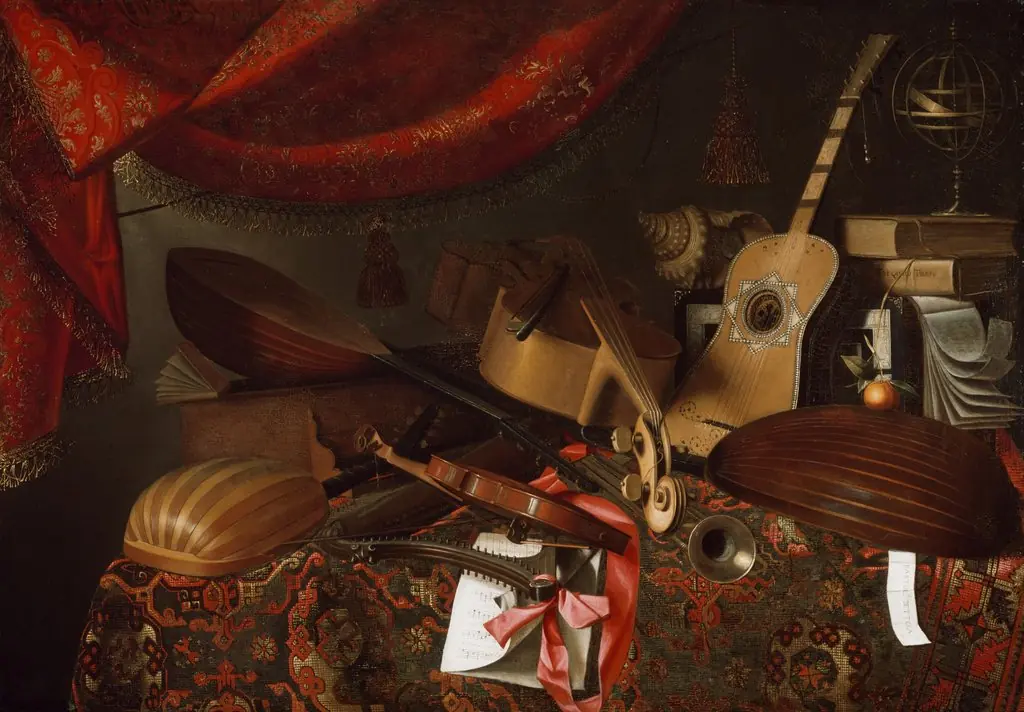 Still Life with Musical Instruments
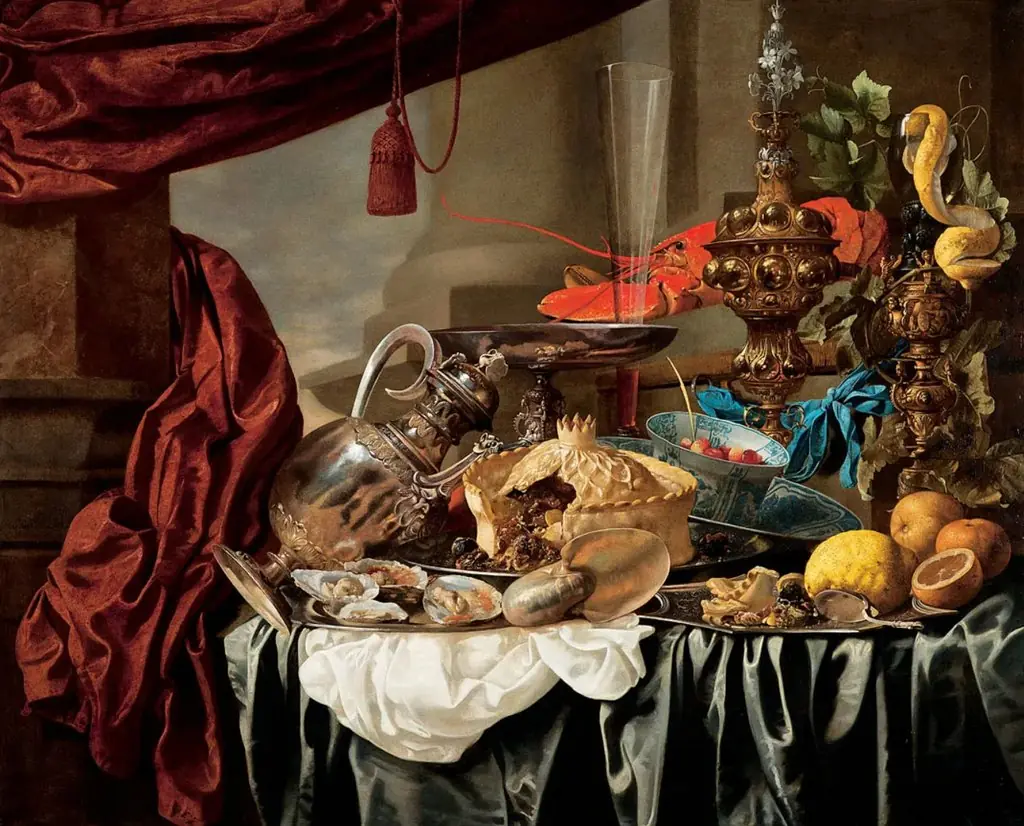 Opulent Still-Life with Silvergilt objects, Nautilus Shell, Porcelain, Pie, Fruit and Fish on a Draped Table
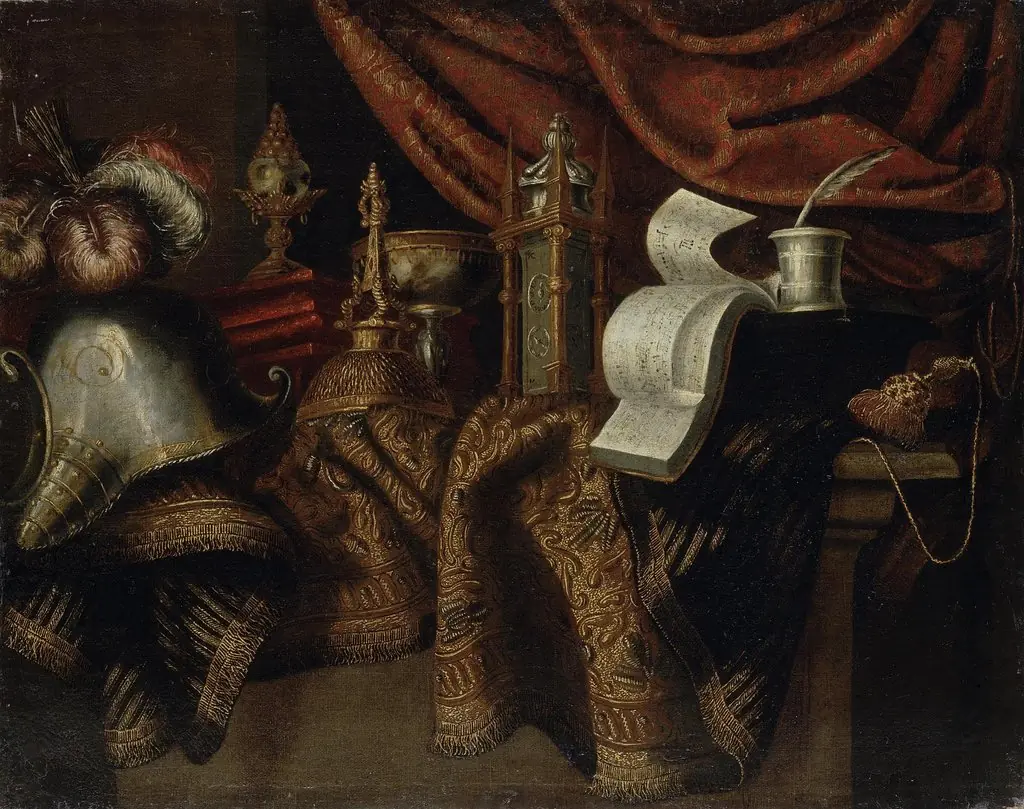 Still Life with a Helmet
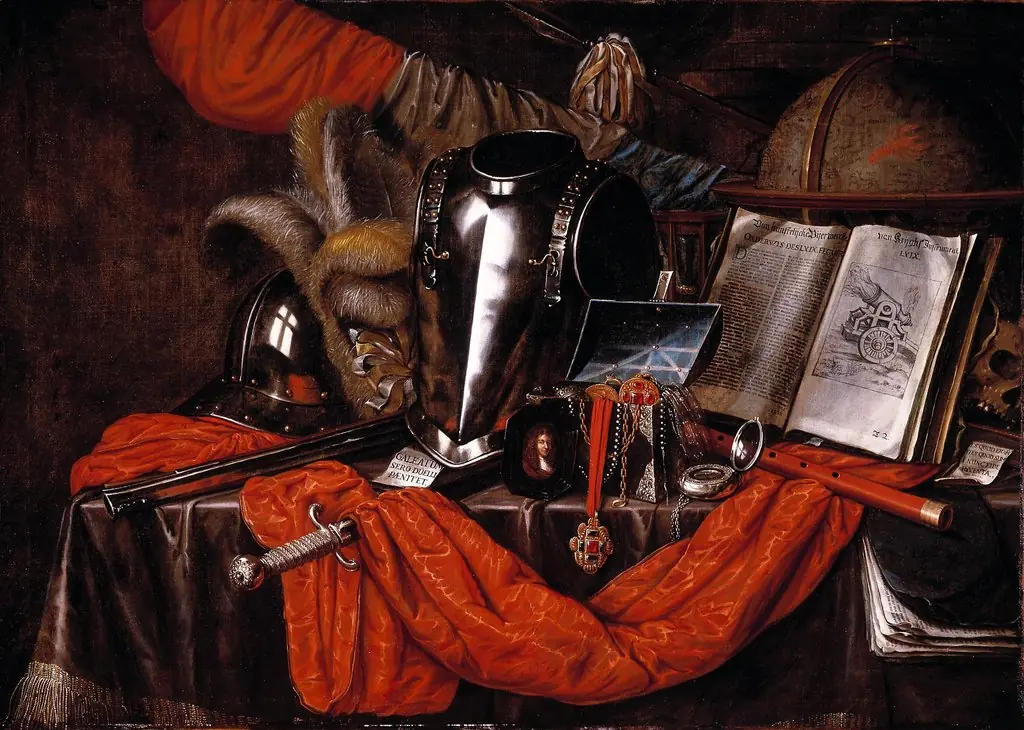 A Vanitas
 Natură moartă cu pești; pandant: Natură moartă cu scoici
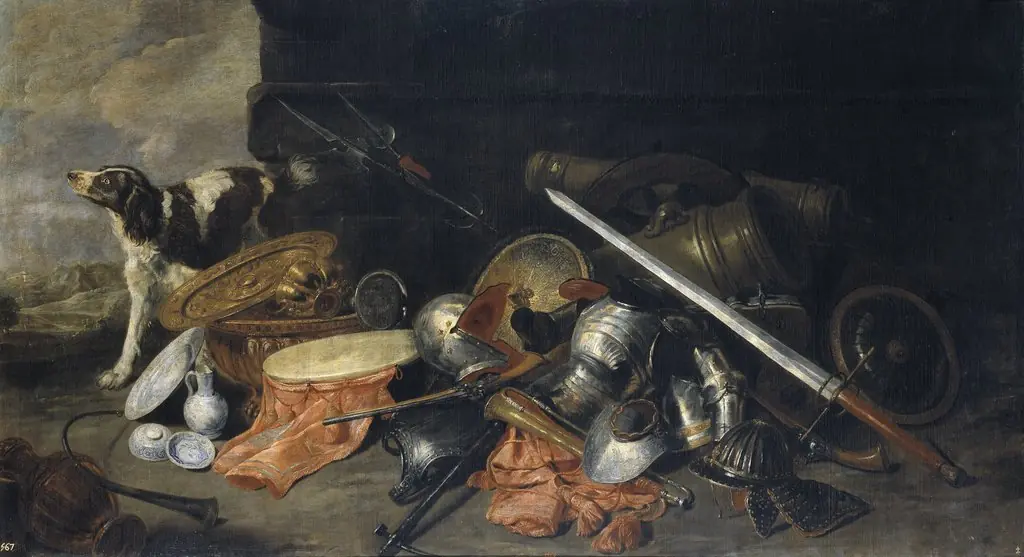 Arms and instruments of war