Artwork
Natură moartă cu pești; pandant: Natură moartă cu scoici
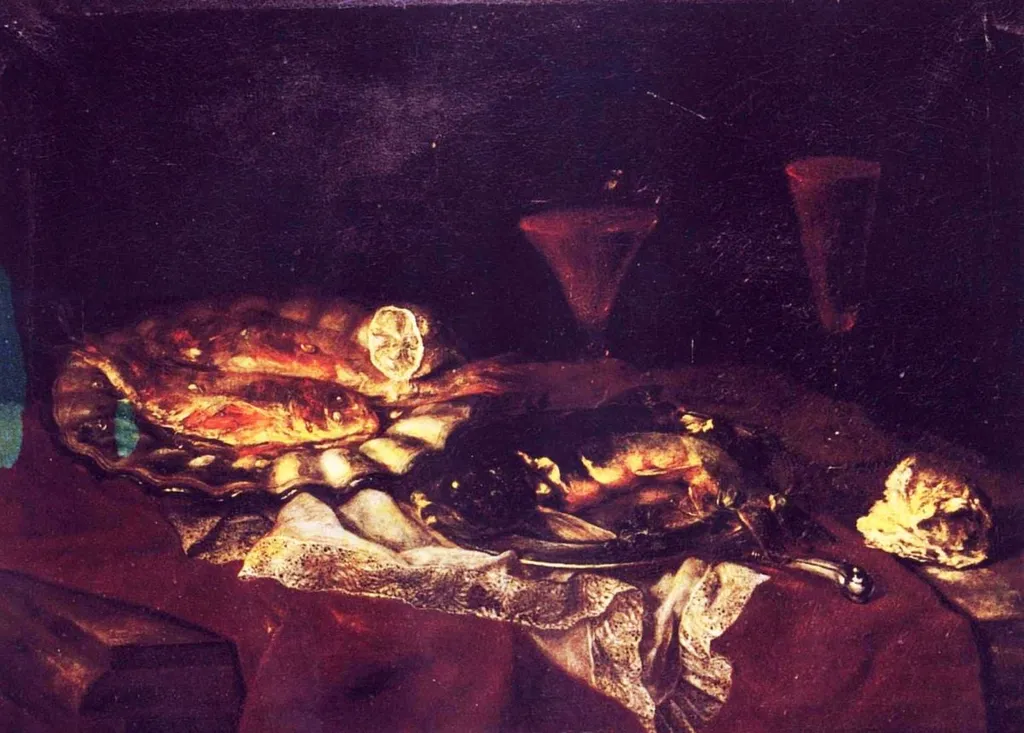
Natură moartă cu pești; pandant: Natură moartă cu scoici is a print by the Baroque artist Ignaz Heinitz von Heinzenthal. It is held in the collection of the Brukenthal National Museum. This still life painting presents a collection of fish and shellfish arranged loosely on a surface, with no formal symmetry or order.
About this work
Overview
This still life painting presents a collection of fish and shellfish arranged loosely on a surface, with no formal symmetry or order. Rendered in subdued tones of brown, gray, and muted earth hues, the composition relies on contrast and shadow to define form. The dark background isolates the seafood, enhancing the tactile presence of each object without decorative flourish or idealization.
Subject & Meaning
The subject consists of freshly caught marine life—fish and shellfish—displayed as they might appear after being brought ashore. The disarray suggests immediacy, as if the scene was captured shortly after the catch. There is no symbolic or allegorical layer; the focus remains on the physical reality of the catch, reflecting an interest in the ordinary and transient nature of daily sustenance.
Technique & Style
The artist employs chiaroscuro to model the forms of the fish and shells, using subtle gradations of light and shadow to suggest volume and texture. The muted palette avoids vivid color, instead emphasizing tonal variation. Brushwork is restrained, with attention to surface details like scales and shells, but without ornamental embellishment, aligning with a quiet, observational realism.
History & Provenance
The painting is one of a pair, its companion depicting shellfish. Both works originate from the Romanian artistic tradition of the late 19th or early 20th century, though the artist’s identity remains unconfirmed. They were likely created for private collectors interested in regional still-life subjects, rather than for public exhibition or institutional collections.
Context
In the broader European still-life tradition, this work aligns with northern European models that favored unadorned depictions of food and marine harvests. Unlike Dutch Golden Age still lifes, which often included symbolic elements, this painting avoids moral or religious undertones, focusing instead on the material presence of the catch as a reflection of coastal or riverine livelihoods.
Legacy
The painting contributes to a modest but persistent stream of regional still-life works that documented everyday sustenance without romanticism. It remains a quiet example of how local artists engaged with universal themes of transience and observation, preserving the visual record of ordinary life without seeking wider recognition or influence.
Artist & collection
Artist
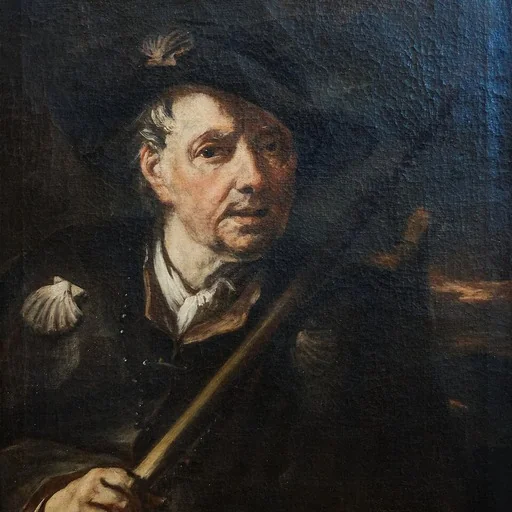
Ignaz Heinitz von Heinzenthal (1657–1742) was an artist, born in Vienna.

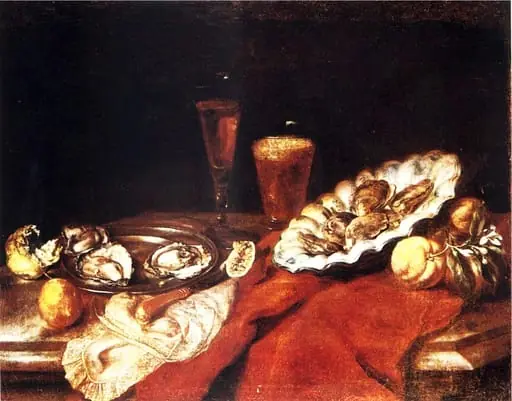
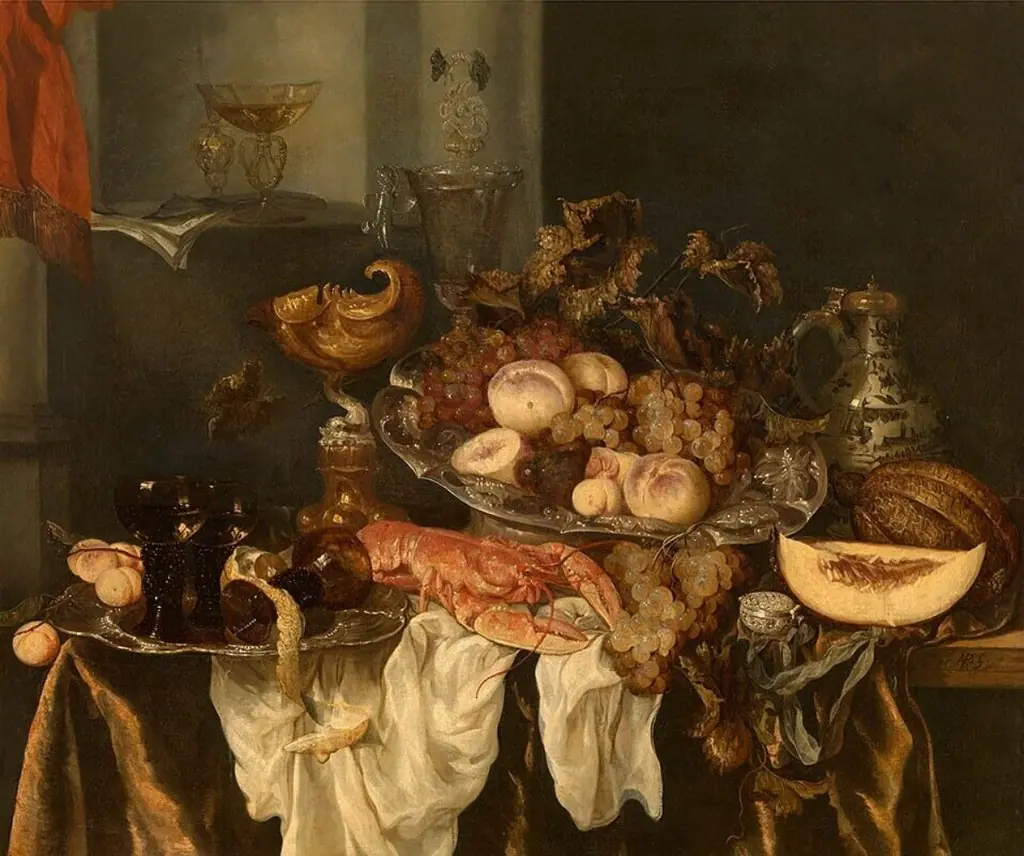 Still Life.
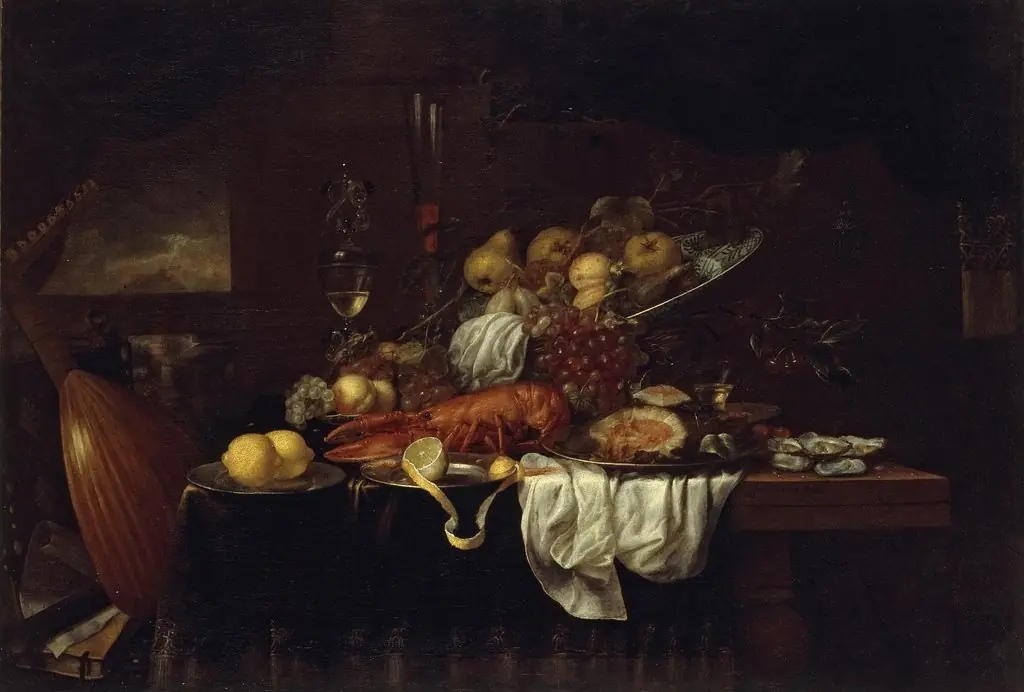 Lobster, Oysters and Fruits on the Table
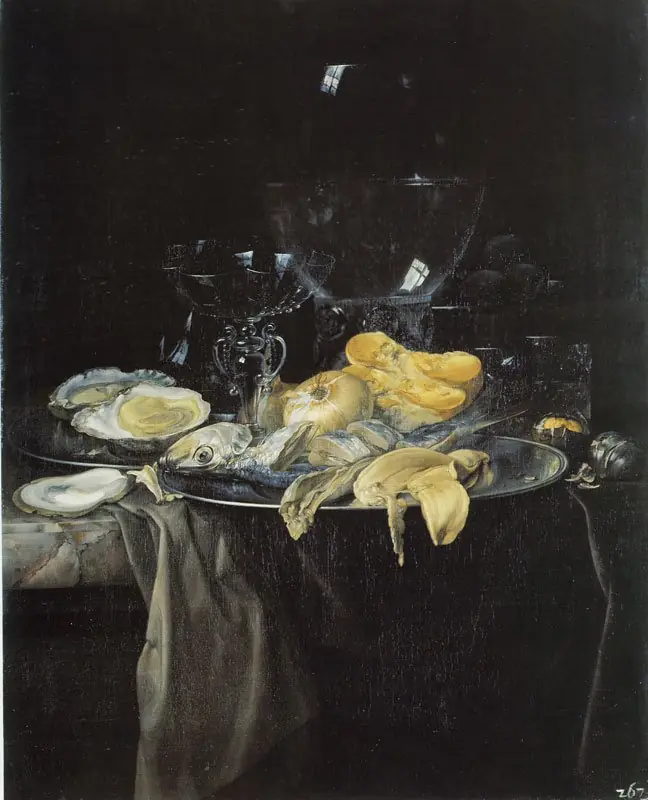 Seafood, Onion, and Glassware
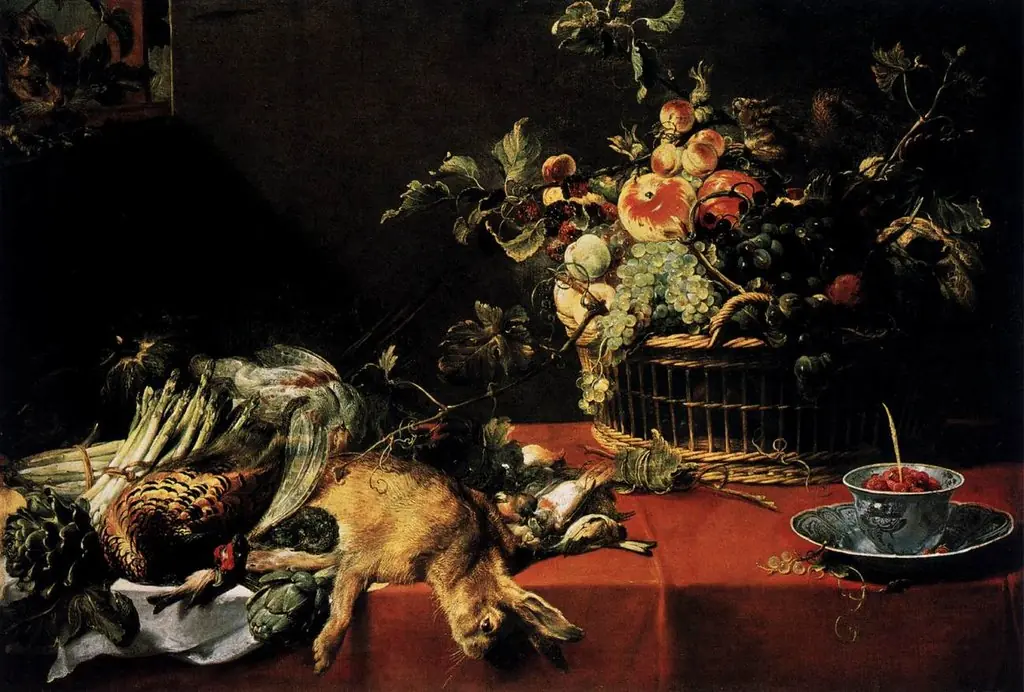 A still life with game, vegetables, fruit and a squirrel on a table. with a cat in a window upper left
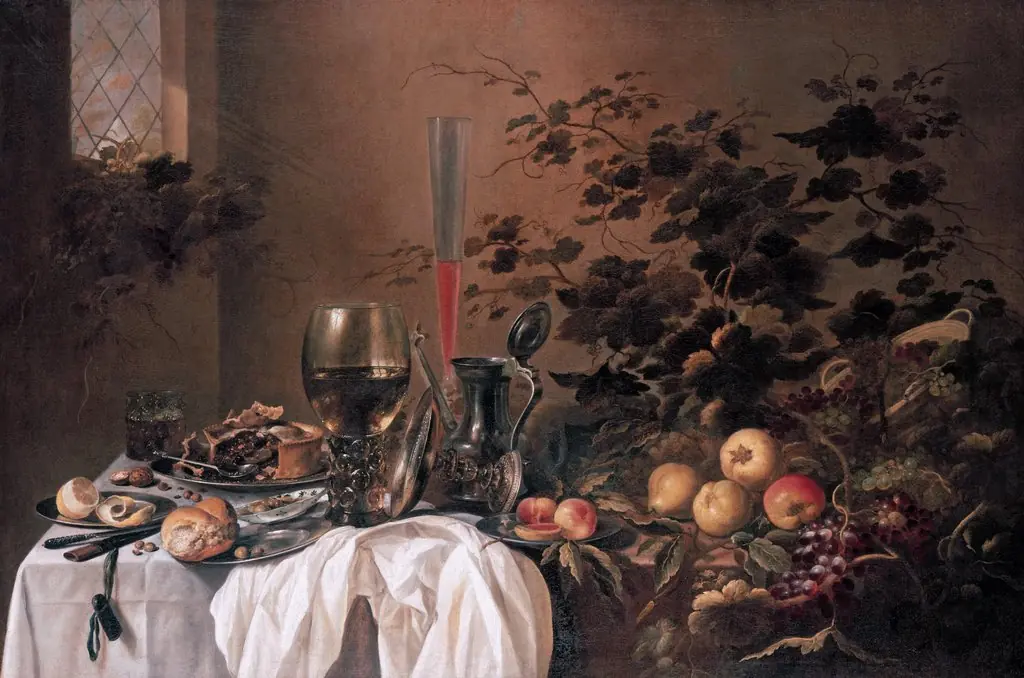 Still life with tumblers and fruit
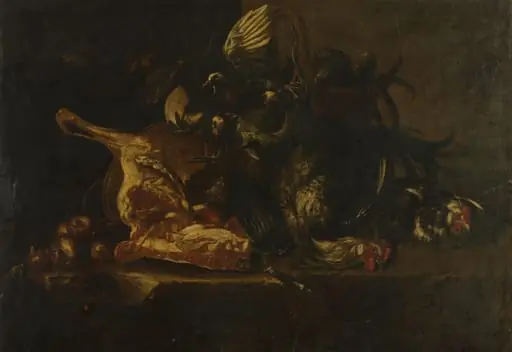 Still life with meat and dead birds
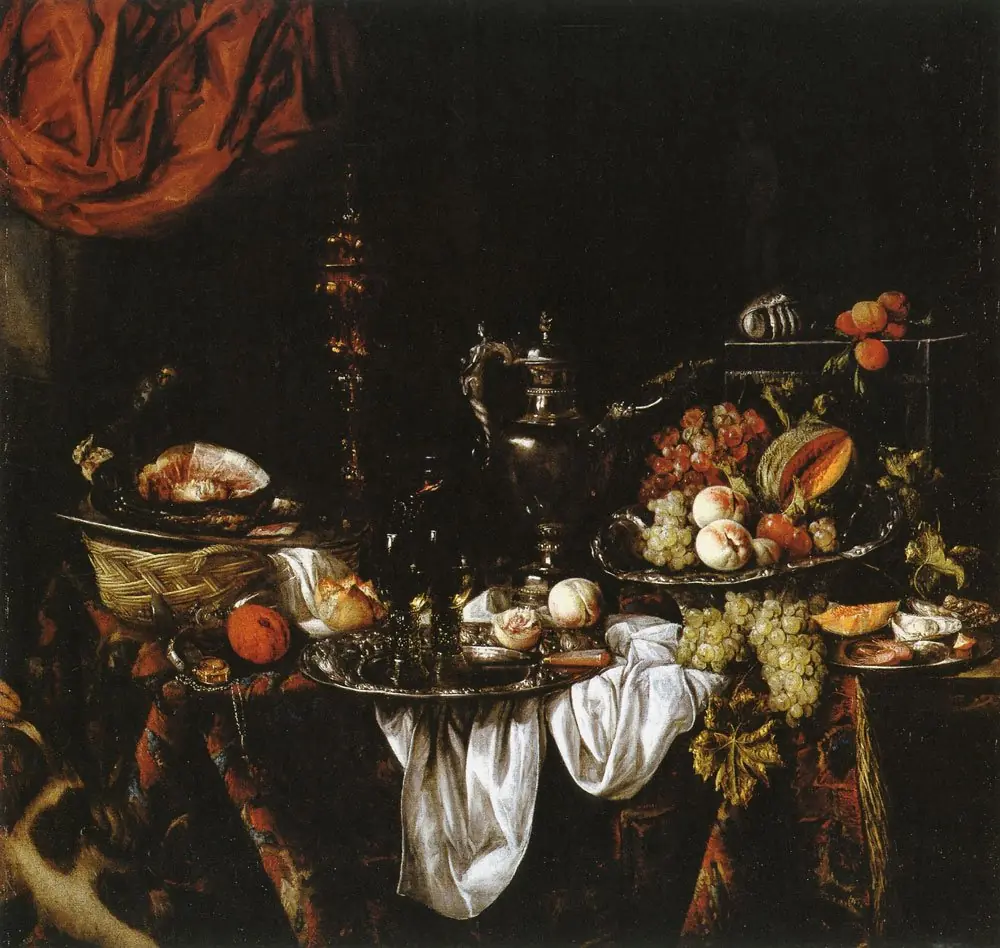 Still life on a draped table with a sculpture of Venus in a niche behind a curtain
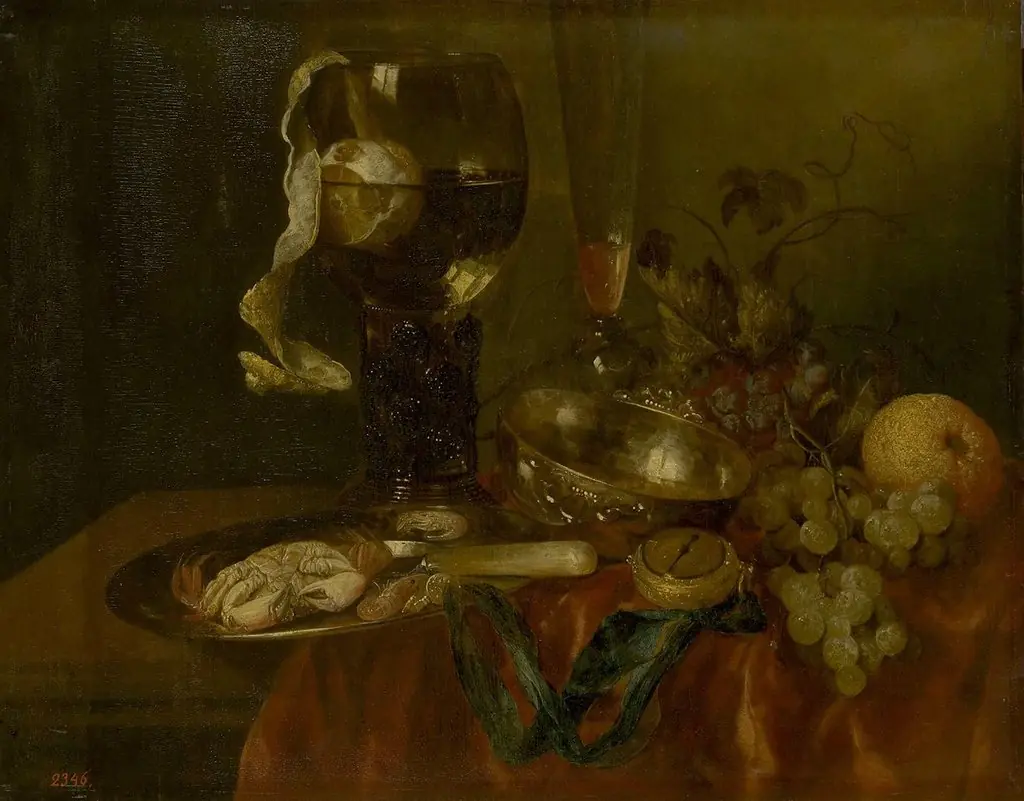 Snack (Still Life with Crab, Fruit and Clock)
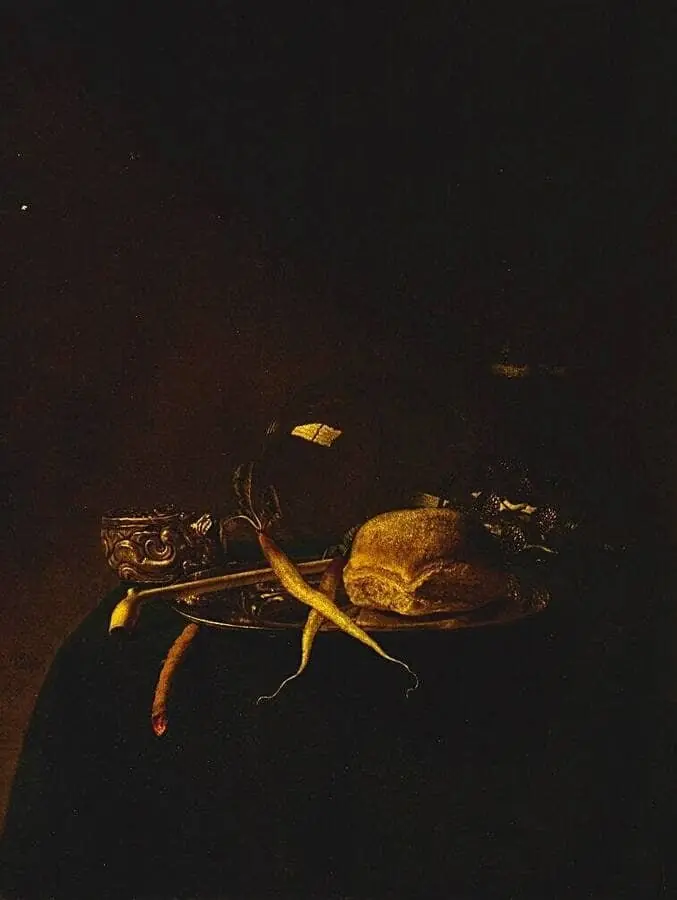 Still life