Artwork
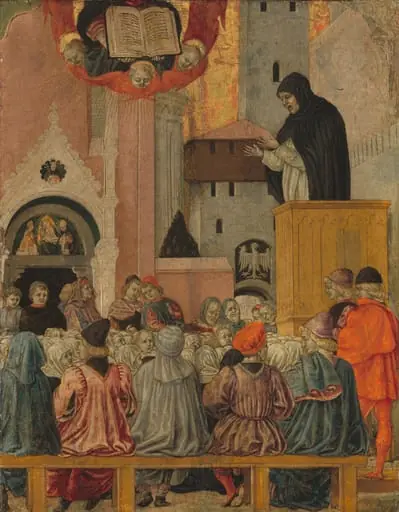
St Vincent Ferrer preaching before a Pope
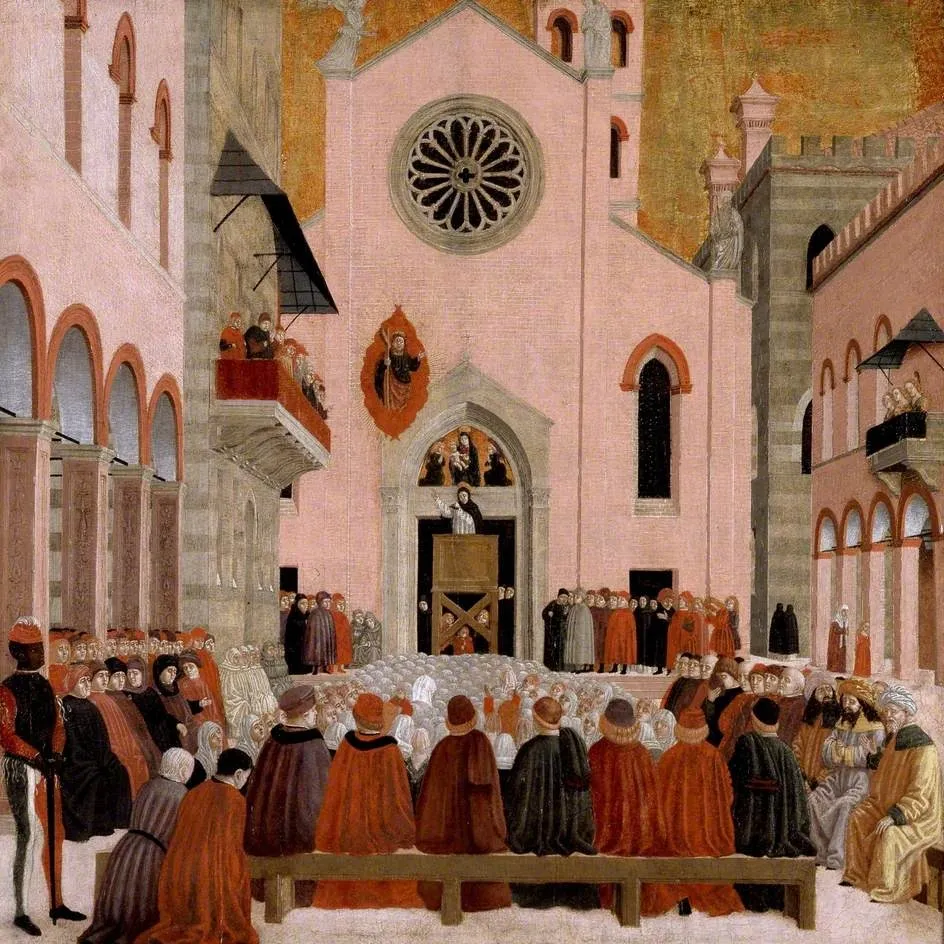
St Vincent Ferrer preaching before a Pope is an unspecified painting by Bartolomeo degli Erri. It dates from 1466 and is held in the collection of the Ashmolean Museum.
About this work
Overview
The painting illustrates a moment from the life of Saint Vincent Ferrer, a Dominican friar known for his itinerant preaching.
Painted around 1466 by Bartolomeo degli Erri, this work belongs to the Modenese branch of the Quattrocento, a regional variant of early Renaissance art in northern Italy. Erri, active alongside his brothers, specialized in devotional panels for religious institutions. The painting illustrates a moment from the life of Saint Vincent Ferrer, a Dominican friar known for his itinerant preaching. It resides today in the Ashmolean Museum’s collection, preserved as an example of late Gothic devotional painting transitioning into Renaissance spatial awareness.
Subject & Meaning
The scene portrays Saint Vincent Ferrer delivering a sermon before a papal audience, likely intended to affirm the authority of the Church and the sanctity of mendicant preaching. The elevated platform and the pope’s seated position emphasize hierarchy and spiritual legitimacy. The attentive crowd, rendered with varied gestures, underscores the preacher’s influence. This imagery served both as religious instruction and as a visual endorsement of Dominican missionary zeal during a period of ecclesiastical reform and public piety.
Technique & Style
Erri employs a rich palette of warm hues—reds, ochres, and golds—to animate the figures and their garments, creating visual rhythm without deep perspective. The architectural backdrop, with its ornate arches and columns, suggests a sacred space but remains stylized rather than architecturally accurate. Light falls unevenly across the figures, modeling forms subtly and heightening the drama of the moment. The composition prioritizes symbolic clarity over naturalism, reflecting lingering Gothic conventions even as early Renaissance interests in human presence begin to emerge.
History & Provenance
Commissioned likely for a Dominican church or chapel in Modena, the painting was part of a series of saintly narratives intended for liturgical contemplation. It remained in regional religious collections until the 19th century, when it entered the Ashmolean Museum’s holdings through a broader acquisition of Italian panel paintings. Its survival is notable, as many such works were lost to secularization or damage during the Napoleonic era. The painting’s condition suggests careful preservation within ecclesiastical or aristocratic contexts before its museum accession.
Context
In mid-15th-century Italy, Dominican preachers like Vincent Ferrer were central to public religious life, especially amid calls for moral renewal. Art of this period often depicted such sermons to reinforce clerical authority and encourage devotion. Modena’s artistic community, though smaller than Florence’s, maintained strong ties to Lombard and Emilian traditions, favoring narrative clarity and decorative detail. Erri’s work reflects this regional aesthetic, blending local craftsmanship with broader devotional themes circulating across northern Italy.
Legacy
Bartolomeo degli Erri’s painting contributes to the understanding of regional Italian painting beyond the major centers of Florence and Venice. While not widely influential in shaping High Renaissance trends, it preserves the visual language of late Gothic devotion as it evolved under humanist and ecclesiastical pressures. Today, it stands as a representative example of how smaller workshops sustained religious imagery with local character, offering insight into the spiritual and artistic life of provincial Italy during the Quattrocento.
Artist & collection
Artist
Bartolomeo degli Erri (1447–1482) was an Italian Gothic painter of the Italian Renaissance.

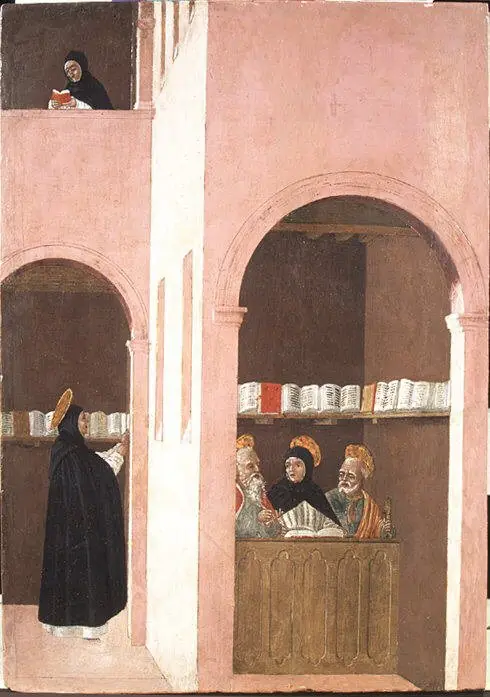
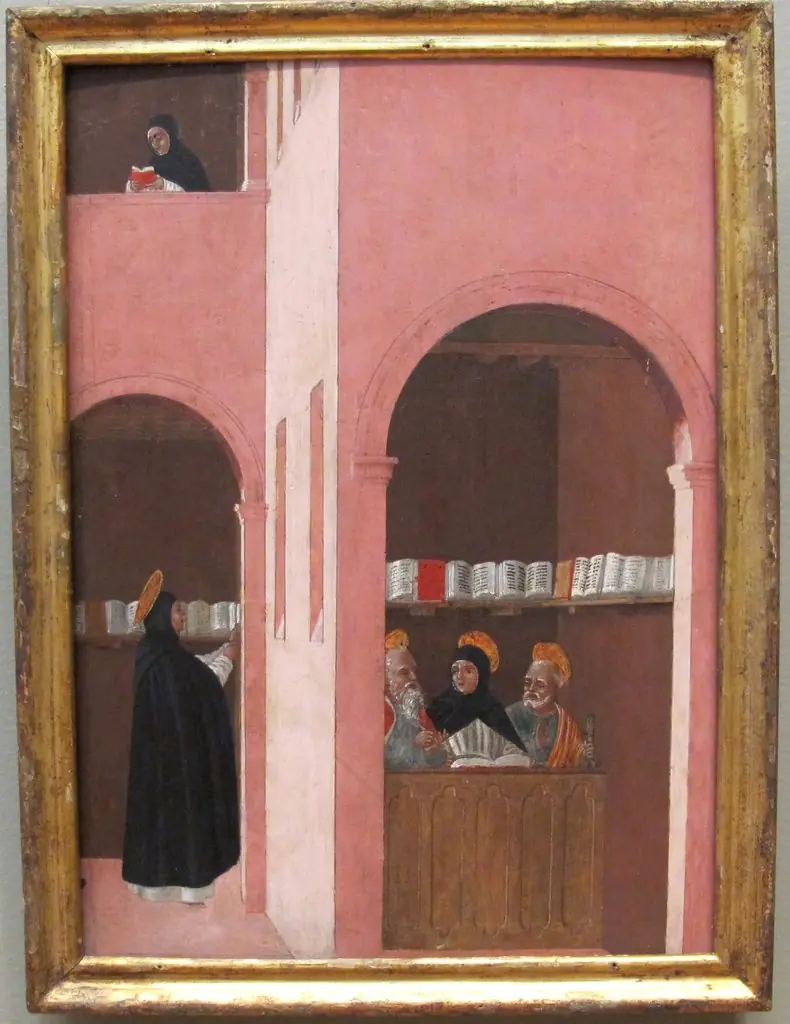
![Monk Saint [?] with a Model of a Church, by Bartolomeo degli Erri](https://artifactworldgallery.com/img/bartolomeo-degli-erri--monk-saint-with-a-model-of-a-church--737af76ce54f07ee-w320.webp)
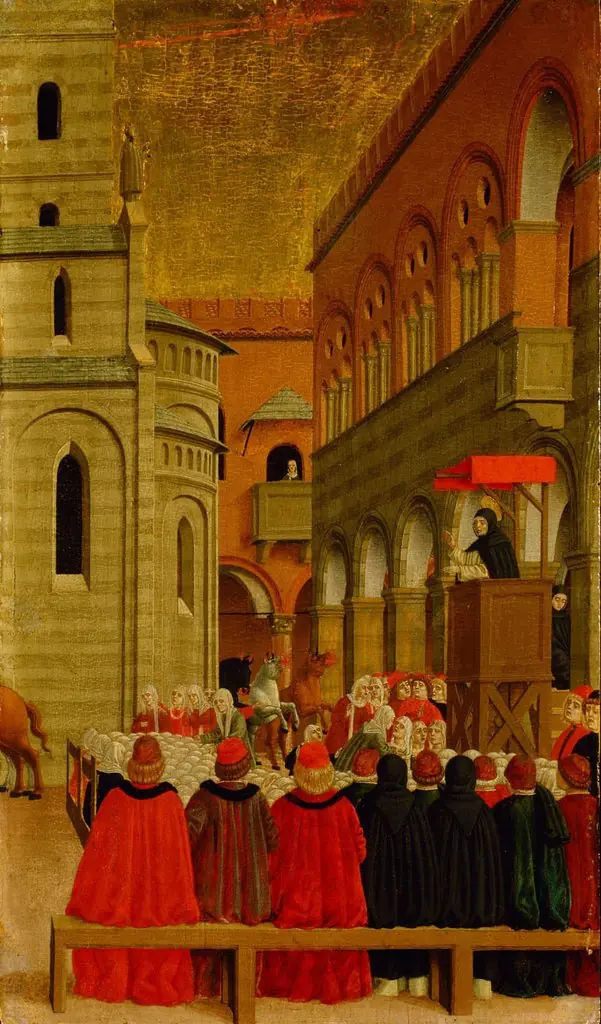 Szene aus dem Leben des Hl. Vinzenz Ferrer: Der Teufel vesucht in Form dreier wilder Pferde die Predigt des Heiligen zu stören
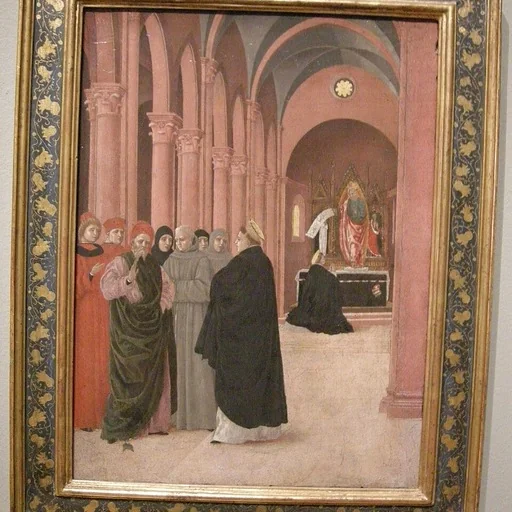
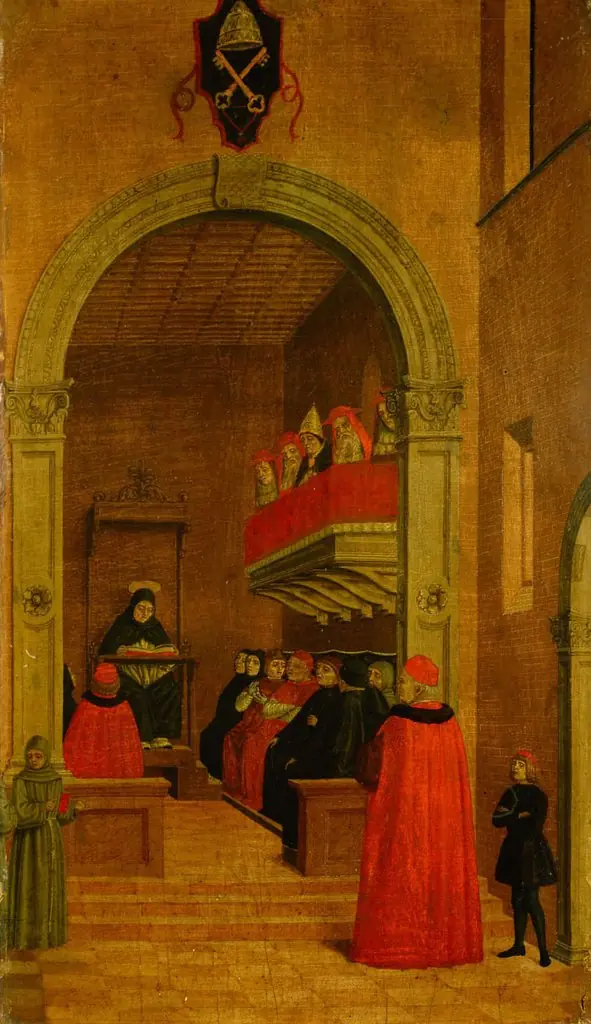 Szene aus dem Leben des Hl. Vinzenz Ferrer: Der Heilige legt in Avignon in Gegenwart des Papstes und der Kardinäle das Wort aus
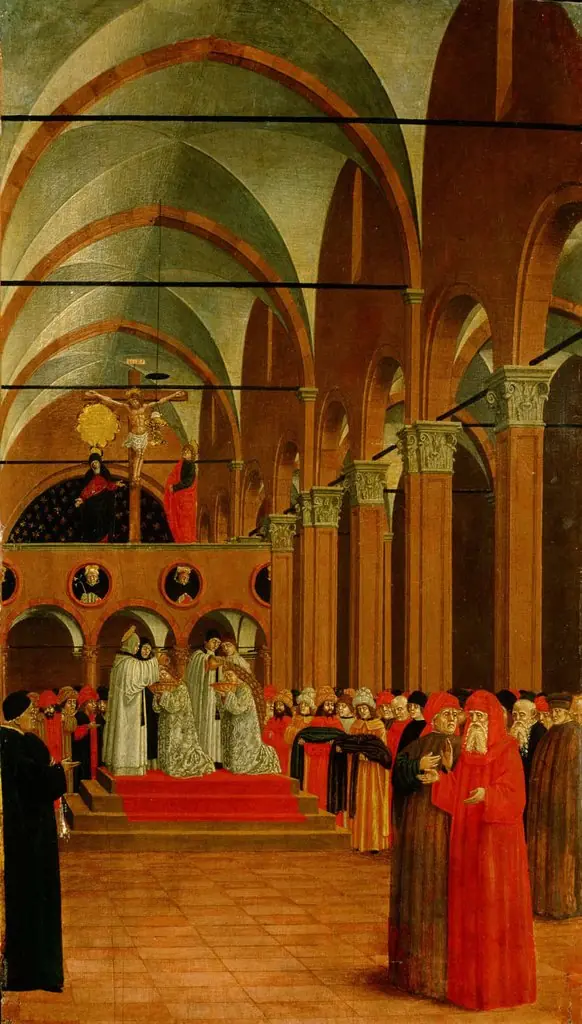 Szene aus dem Leben des Hl. Vinzenz Ferrer: Der Heilige bekehrt und tauft Sarazenen und Juden
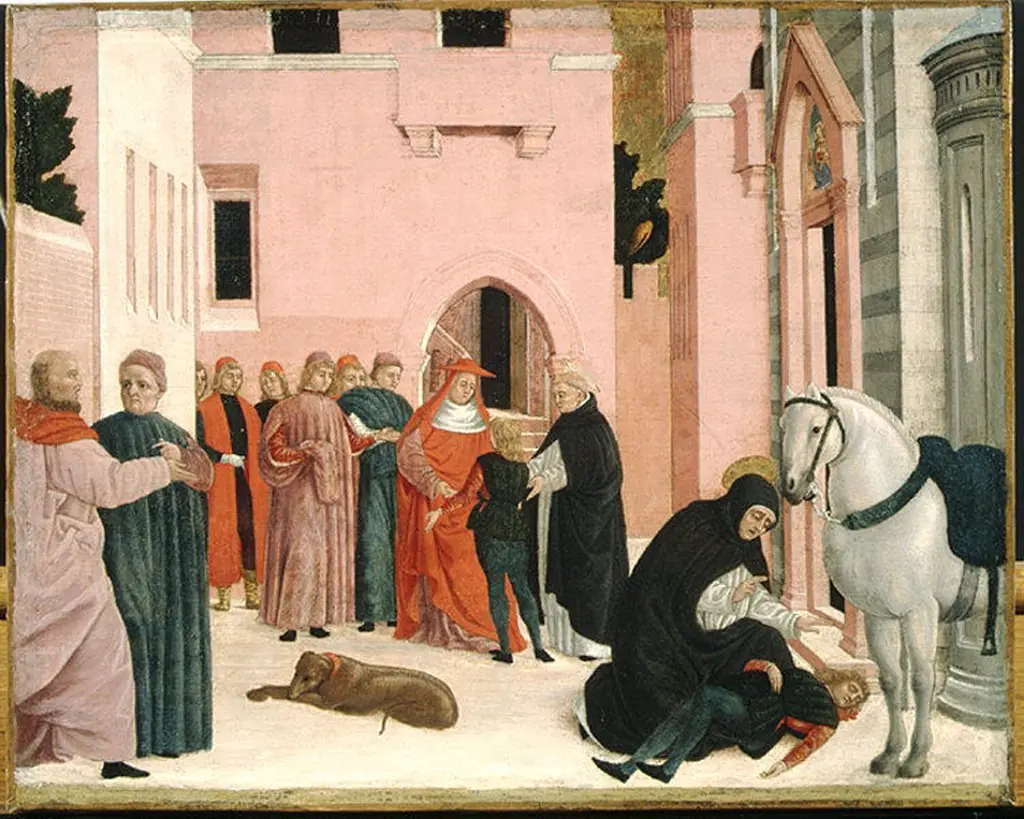
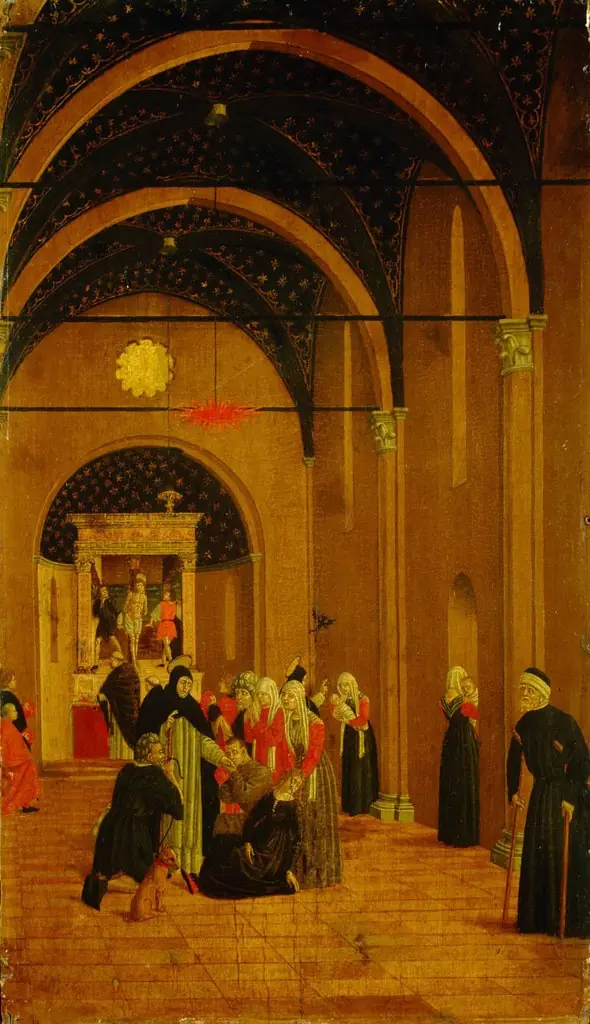 Szene aus dem Leben des Hl. Vinzenz Ferrer: Kranke werden durch den Segen des Heiligen geheilt
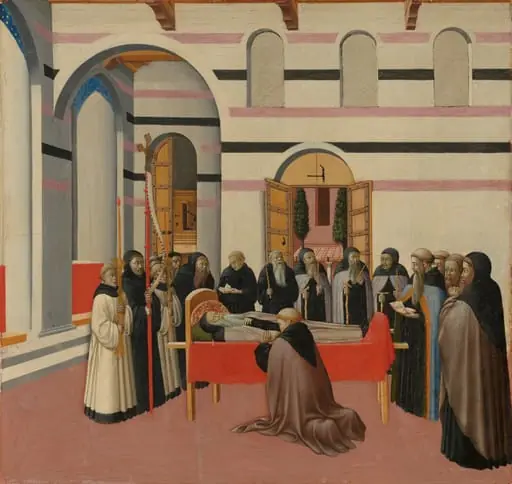 The Death of Saint Anthony
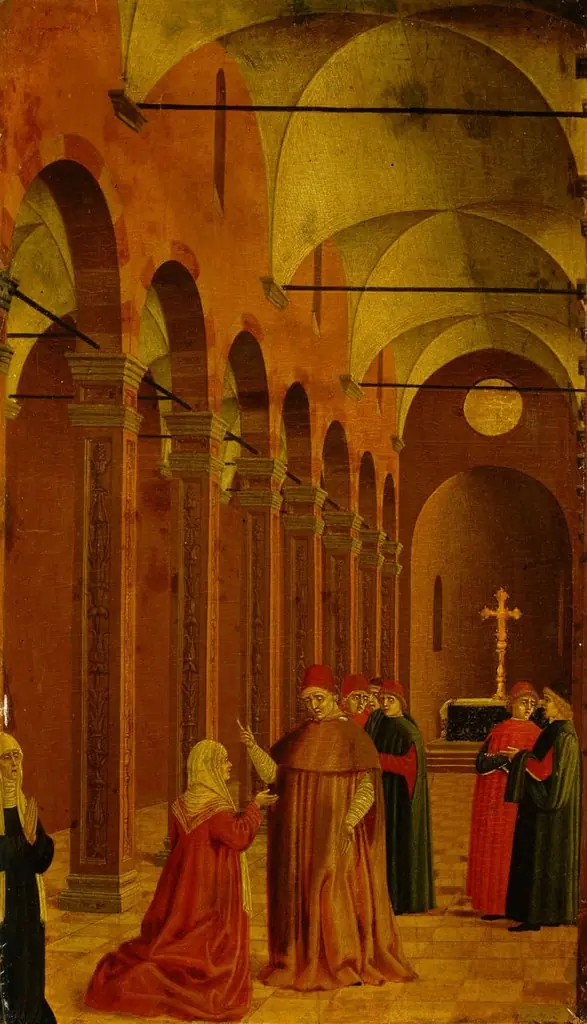 Szene aus dem Leben des Hl. Vinzenz Ferrer: Die Mutter des Heiligen fragt den Bischof von Valencia nach dem Sinn der wunderbaren Zeichen, die die Geburt ihres Kindes ankündigen
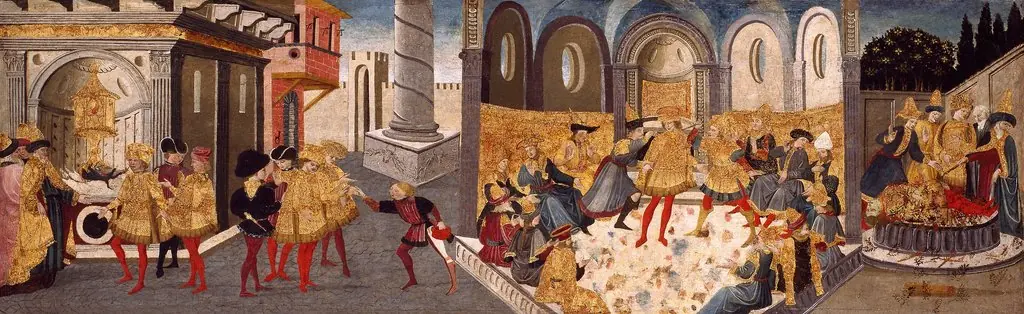 The Assassination and Funeral of Julius Caesar
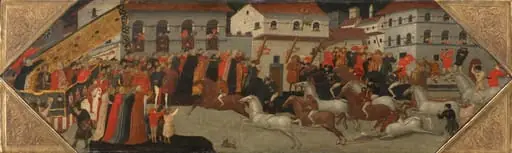 Panel from a Cassone: The Race of the Palio in the Streets of Florence
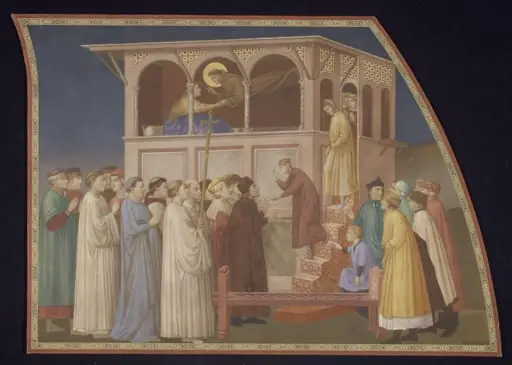 Copy after the painting Posthumous Miracle of St Francis by a follower of Giotto in the Lower Church, San Francesco, Assisi
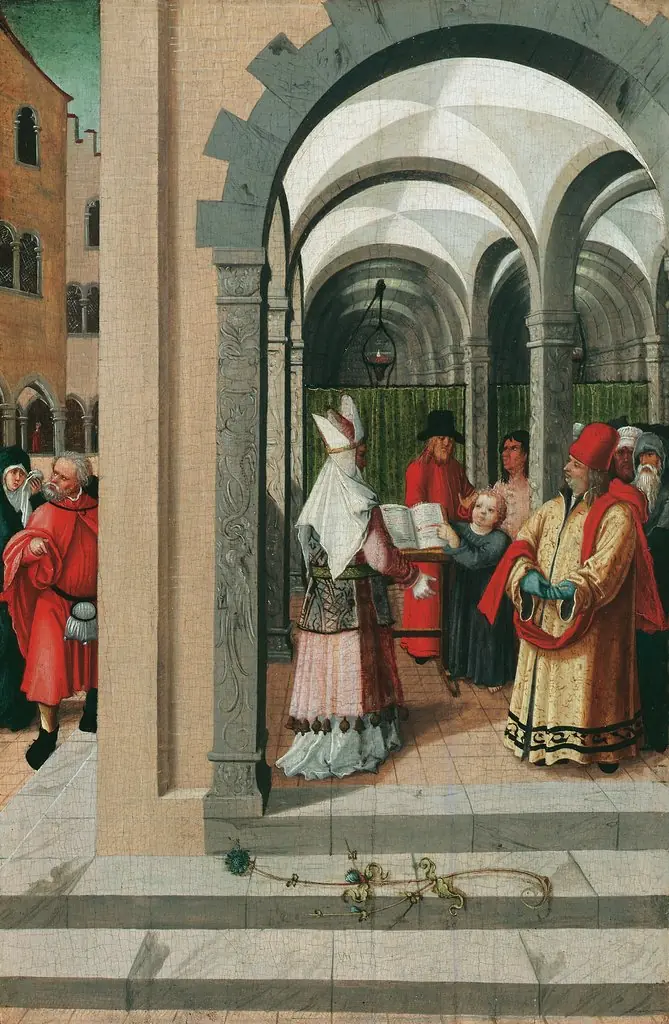 Der zwölfjährige Jesus im Tempel
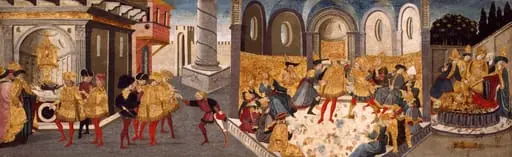 The Assassination and Funeral of Julius Caesar
 A Dominican Preaching