Artwork
Portrait of an old woman
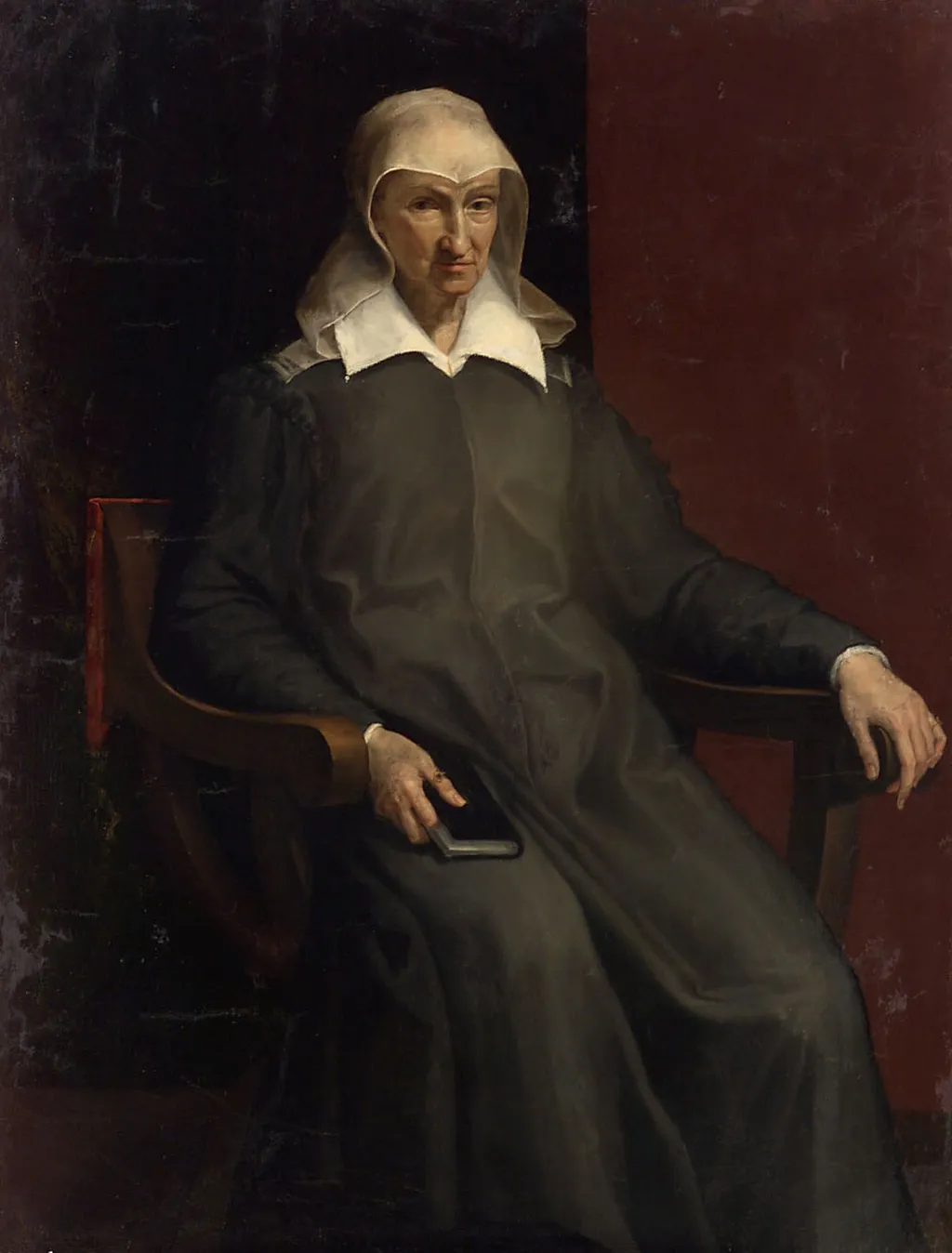
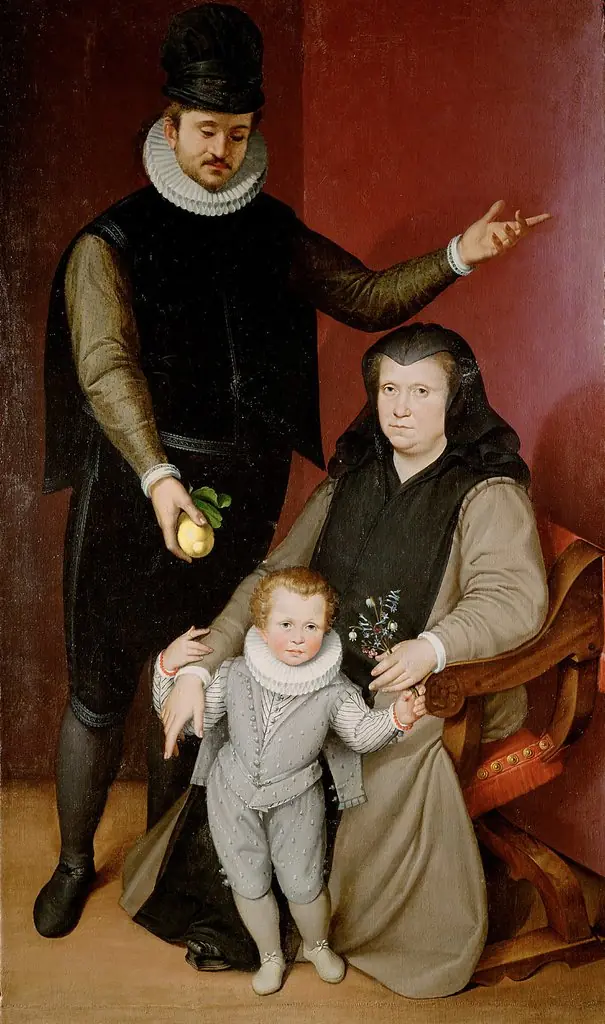
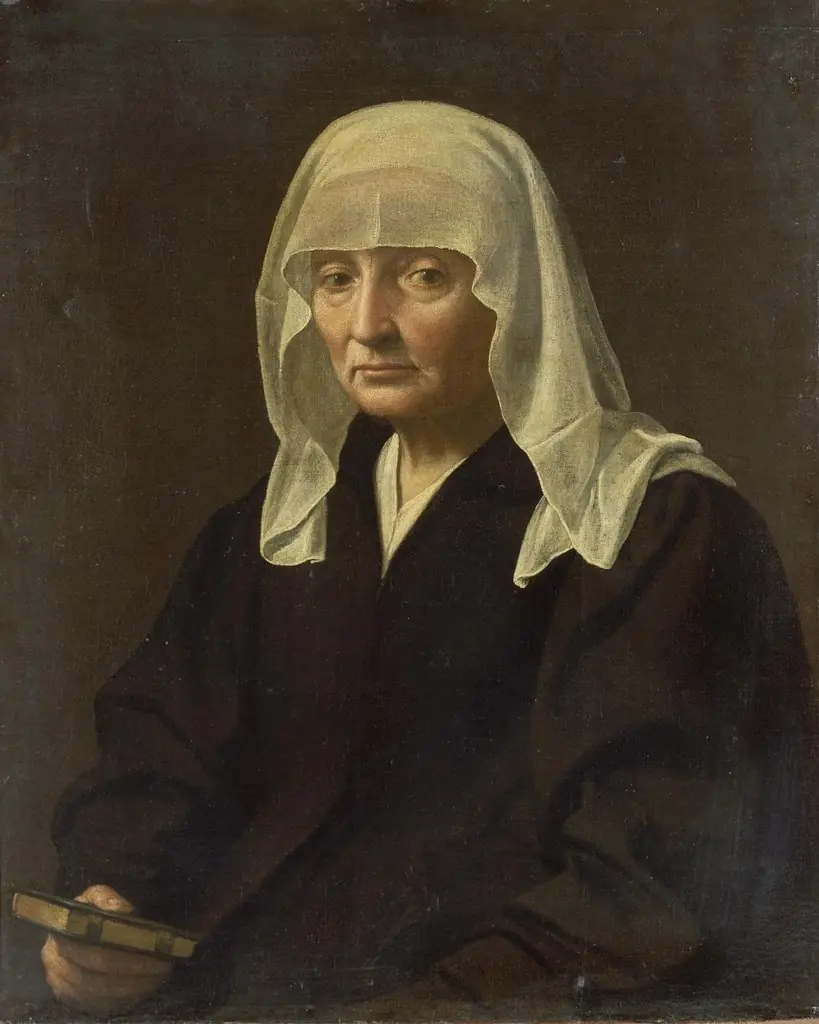
Portrait of an old woman is an oil painting by the Mannerist artist Bartolomeo Passarotti. It dates from 1592 and is held in the collection of the Kunsthistorisches Museum.
About this work
Overview
Active in Bologna during the late Mannerist era, Passarotti was known for his restrained, psychologically attuned portraits.
Painted in 1592 by Bartolomeo Passarotti, this oil portrait depicts an elderly woman with quiet intensity. Active in Bologna during the late Mannerist era, Passarotti was known for his restrained, psychologically attuned portraits. The work resides today in the Kunsthistorisches Museum, Vienna, where it exemplifies his skill in capturing individual presence through subtle observation rather than ornamentation.
Subject & Meaning
The woman’s expression is solemn, her gaze direct yet inward, suggesting contemplation or resilience. Her plain black robe and tightly drawn white head covering imply modesty or mourning, possibly reflecting religious or social norms of the time. The small object she touches—perhaps a book or reliquary—hints at private devotion or intellectual life, reinforcing a sense of inner dignity beyond social status.
Technique & Style
Passarotti employs chiaroscuro to model the woman’s face with soft, directional light, isolating her features against a deep, unbroken shadow. The brushwork is precise but unadorned, avoiding theatricality typical of high Mannerism. Textures are rendered economically: the fabric of her robe, the grain of the chair, and the smoothness of her skin are suggested rather than elaborated, emphasizing emotional restraint over decorative flourish.
History & Provenance
The painting entered the Kunsthistorisches Museum’s collection in the 19th century, likely through imperial Austrian acquisitions of Italian art. Its documented history before that is sparse, but its style aligns with Passarotti’s known output from the 1580s–1590s. No significant alterations or repainting are recorded, preserving its original composition and tonal harmony.
Context
In late 16th-century Bologna, portraiture was increasingly valued for its capacity to convey individual character, especially among the clergy and educated classes. Passarotti’s work reflects this shift, moving away from idealized types toward more naturalistic, emotionally grounded depictions. This portrait aligns with regional trends favoring quiet realism over the exaggerated elegance of Florentine or Roman Mannerism.
Legacy
Though not widely exhibited, the portrait remains a representative example of Bolognese Mannerist portraiture. It influenced later artists in northern Italy who sought to merge psychological depth with restrained composition. Its endurance in a major European collection underscores its role as a quiet but significant document of early modern visual culture.
Artist & collection
Artist
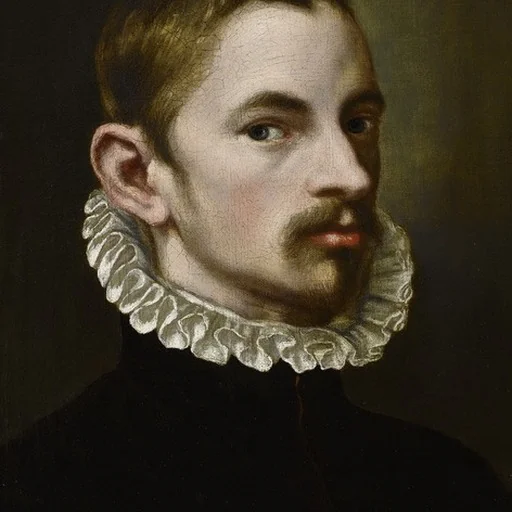
Bartolomeo Passarotti or Passerotti (1529–1592) was an Italian painter of the mannerist period, who worked mainly in his native Bologna. His family name is also spelled Passerotti or Passarotto.