Artwork
Portrait of the physician Carlo Fontana
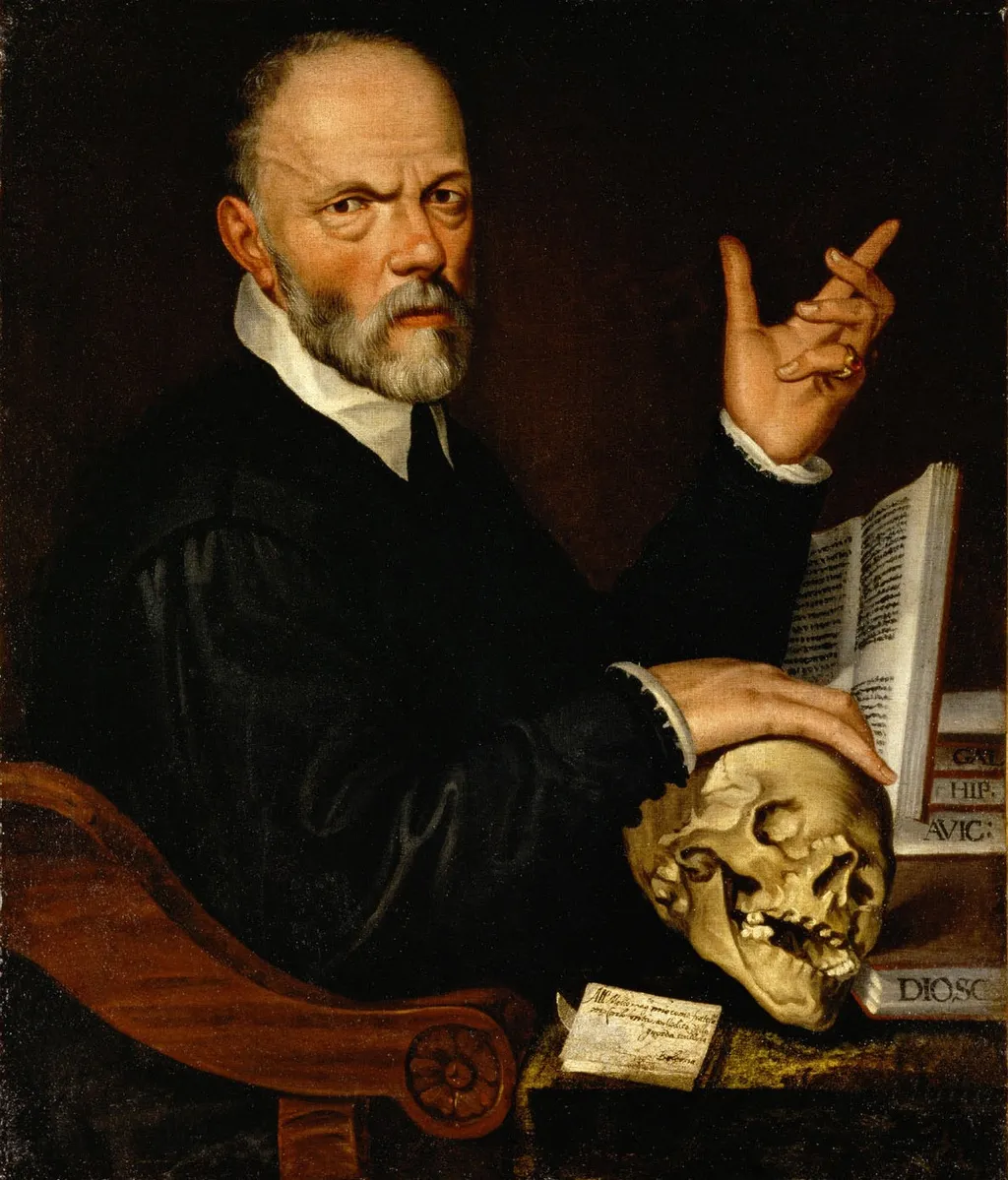
Portrait of the physician Carlo Fontana is an unspecified painting by the Mannerist artist Bartolomeo Passarotti. It dates from 1590 and is held in the collection of the Kunsthistorisches Museum.
About this work
Overview
Executed in 1590 by the Bolognese artist Bartolomeo Passarotti, this panel presents a half-length likeness of Carlo Fontana, a physician practicing in late sixteenth-century Italy. The painting exemplifies the Mannerist idiom then current in Bologna, marked by deliberate elongation of the figure and meticulous attention to surface textures.
Subject & Meaning
The sitter is shown in scholarly attire, one hand raised in a gesture of explication while the other rests on an open volume of musical notation. A human skull occupies the foreground, its hollow gaze directed outward. Behind him, a shelf bears medical treatises, including a copy of Dioscorides, underscoring the intersection of empirical study and classical learning.
Technique & Style
Passarotti employs a restrained palette dominated by deep browns and warm flesh tones, illuminated by a single light source that carves the face into sharply defined planes. Drapery folds are rendered with precise, almost linear clarity, while the skull’s ivory surface contrasts with the softness of the beard and fabric.
History & Provenance
The portrait entered the Kunsthistorisches Museum, Vienna, as part of its permanent collection. Documentation of its earlier ownership remains fragmentary, though its creation in 1590 is securely attributed to Passarotti’s Bolognese studio.
Context
During the late Renaissance, physicians often commissioned portraits that emphasized both erudition and piety. The inclusion of a skull and classical texts reflects contemporary humanist values, while the musical notation may allude to the sitter’s broader intellectual pursuits or the harmonies believed to govern human health.
Artist & collection
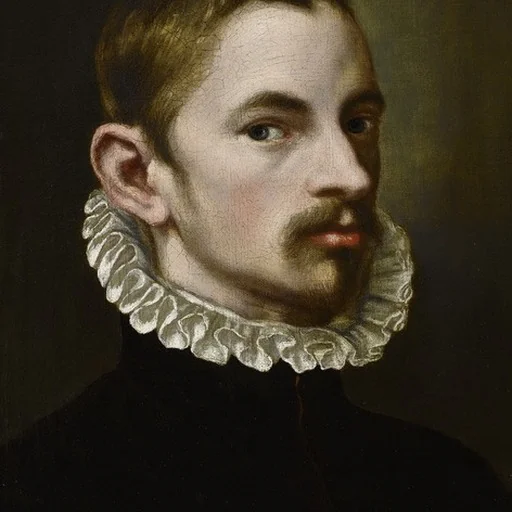
Artist
Bartolomeo Passarotti or Passerotti (1529–1592) was an Italian painter of the mannerist period, who worked mainly in his native Bologna. His family name is also spelled Passerotti or Passarotto.

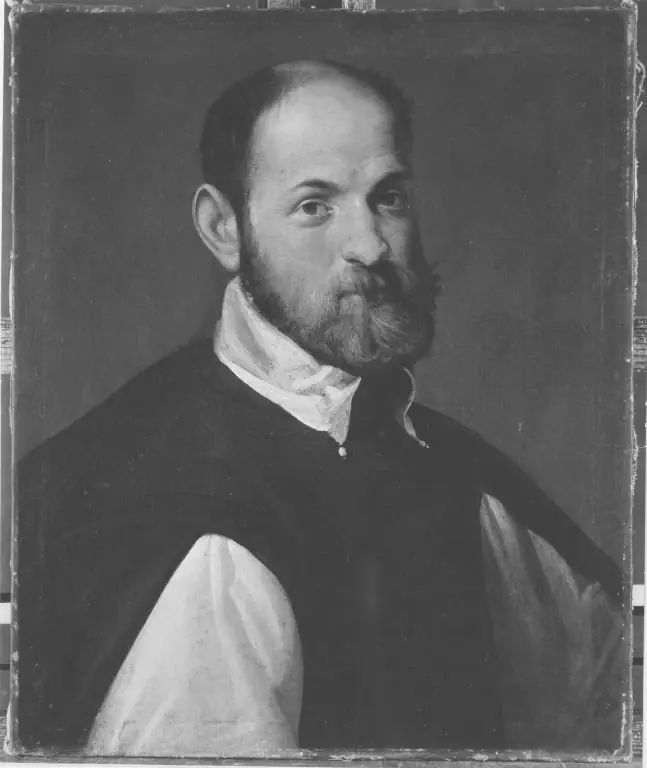
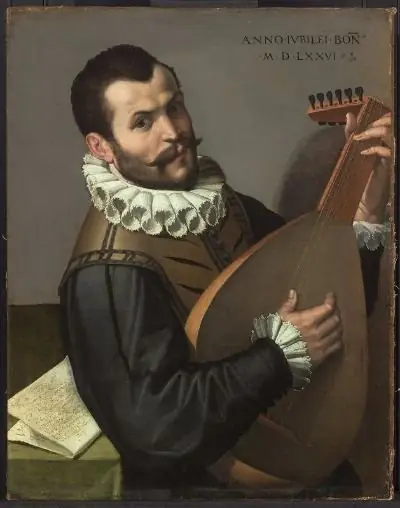
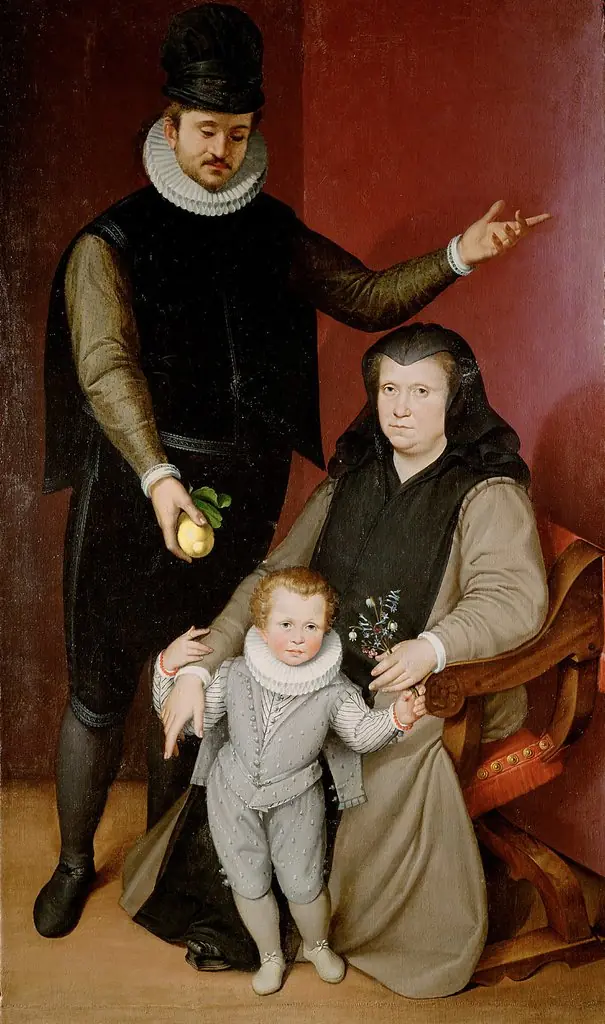
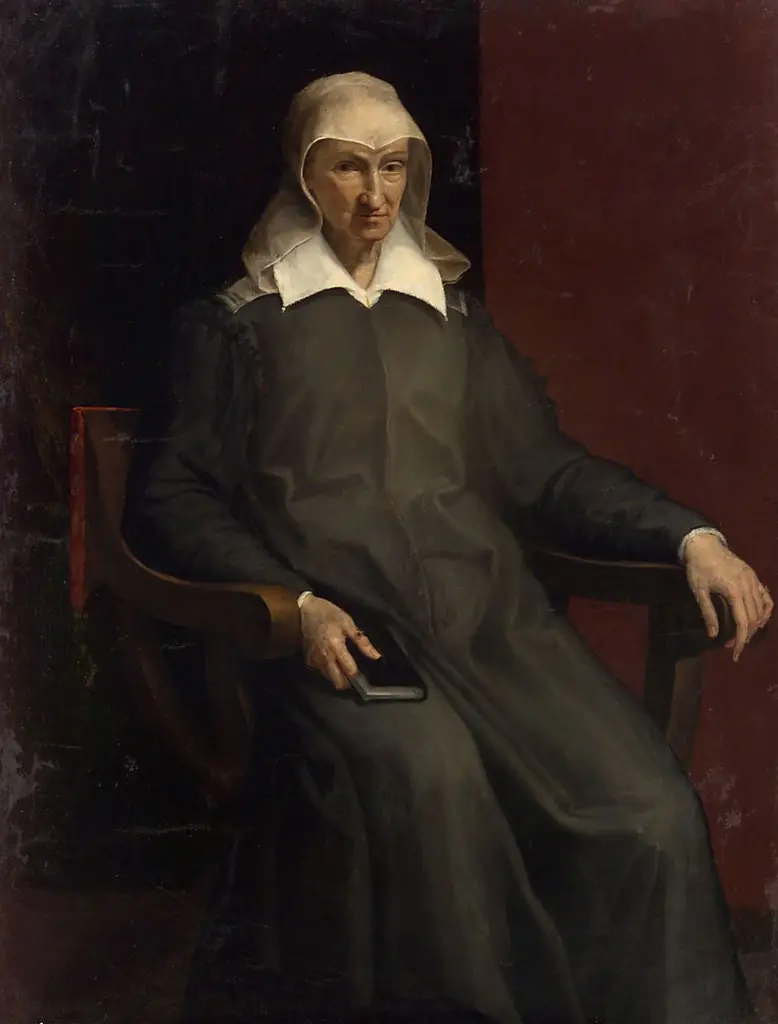
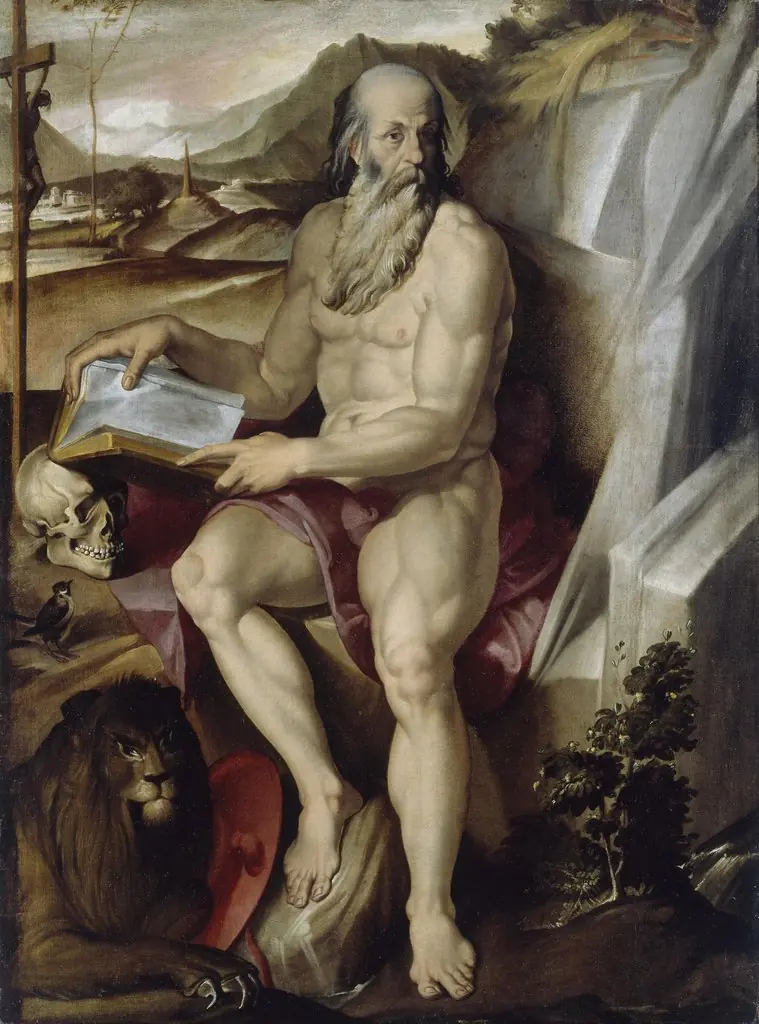
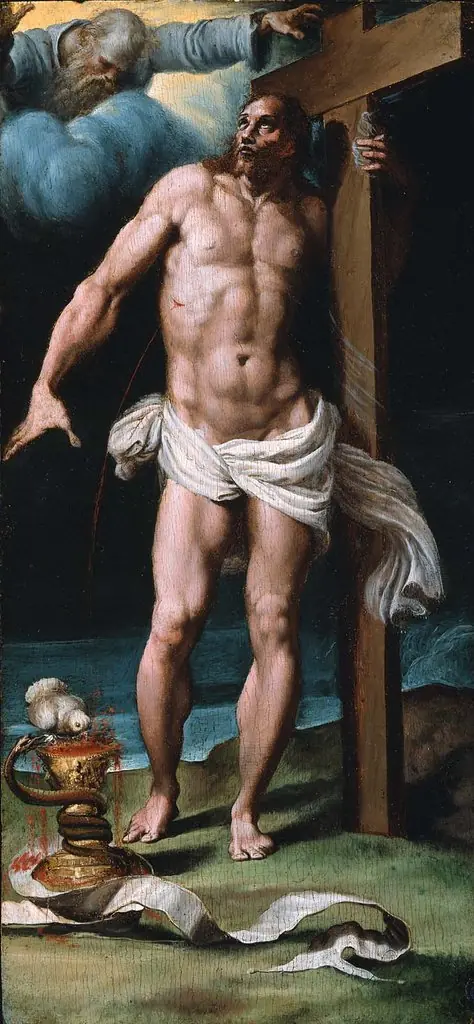
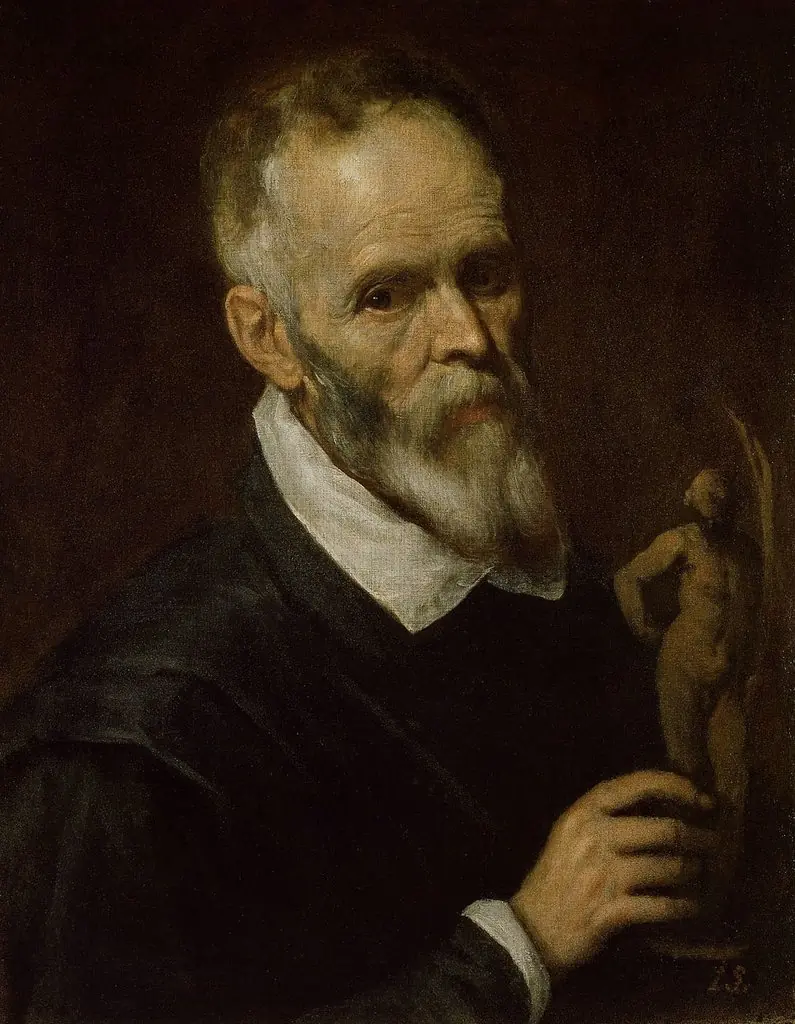 Portrait of a Sculptor
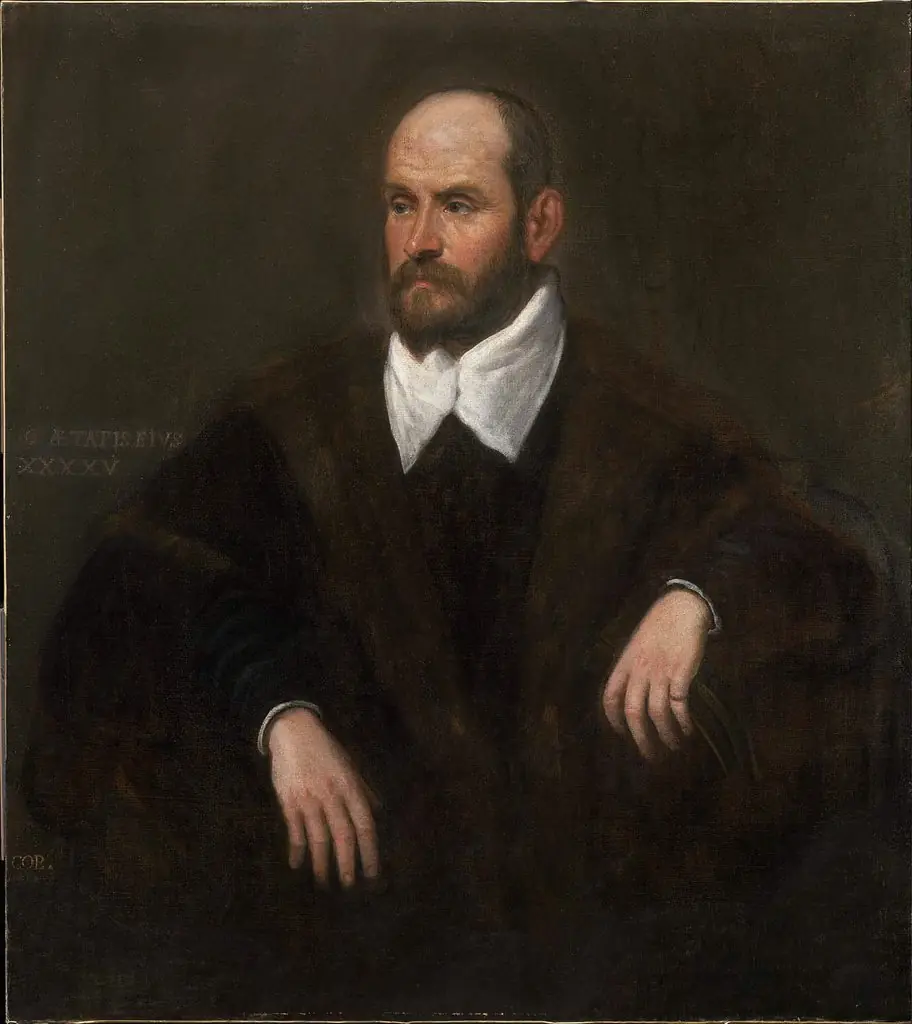 Portrait of a Man
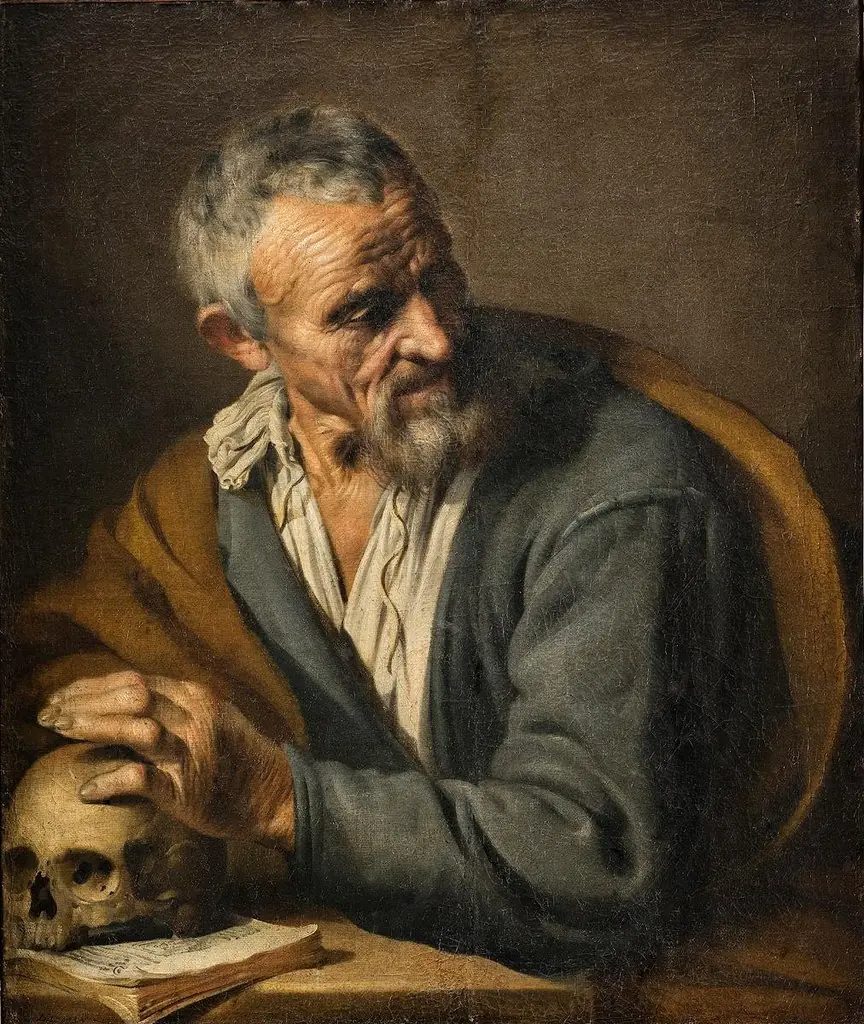 Philosophe
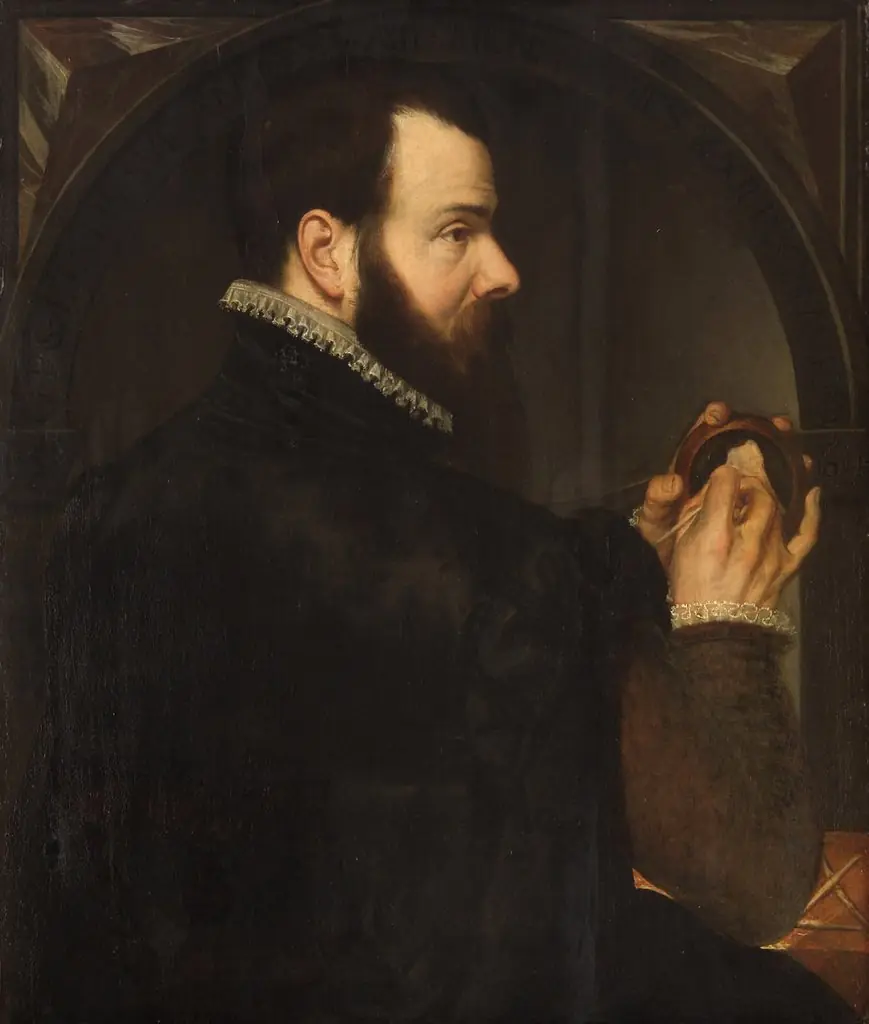 Self Portrait as a Wax-Modeller
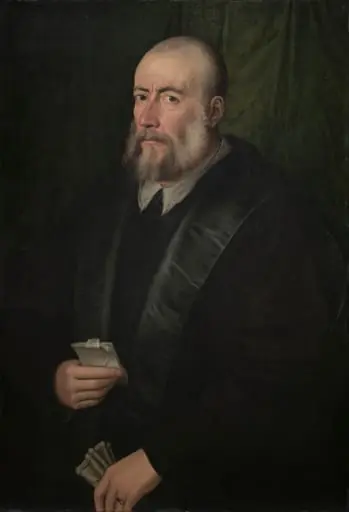 Portrait of an Old Man
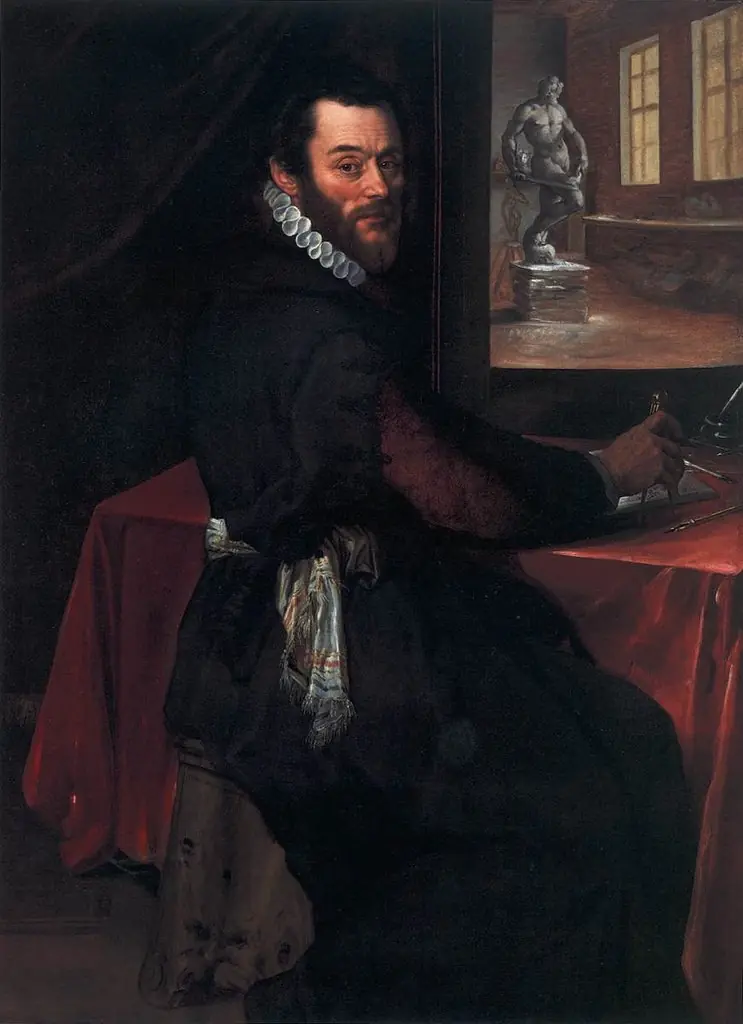 Portrait of Giambologna in his Studio
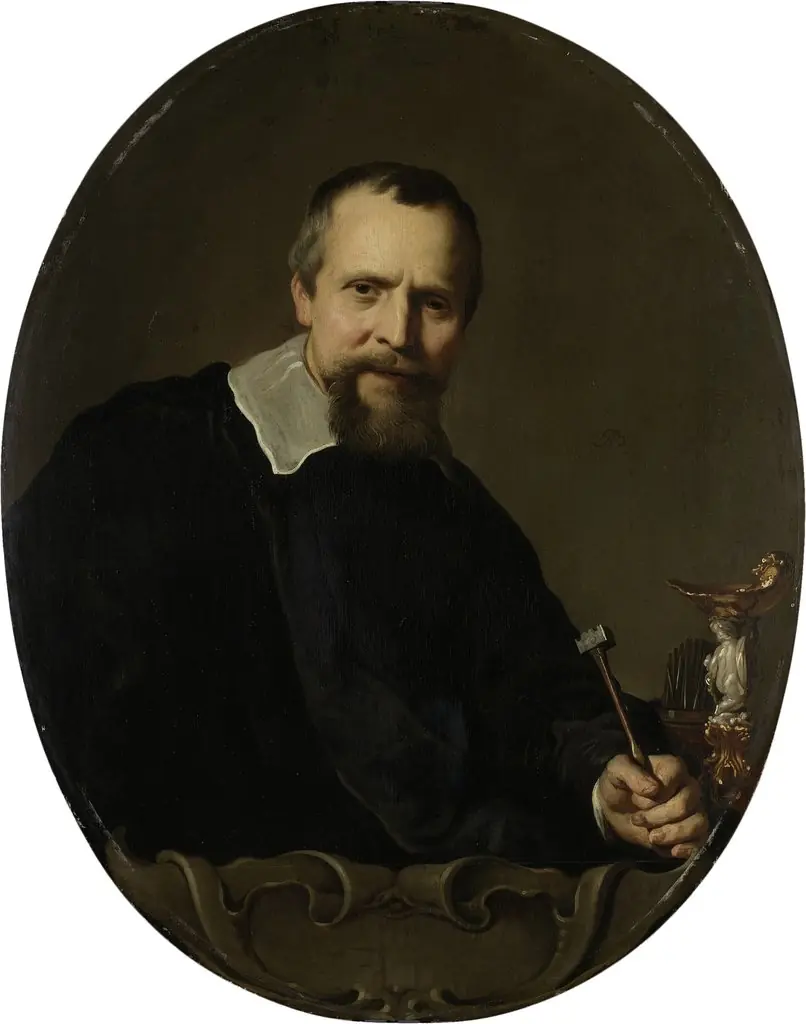 Jan Lutma (1584/85-1669). Amsterdam silversmith
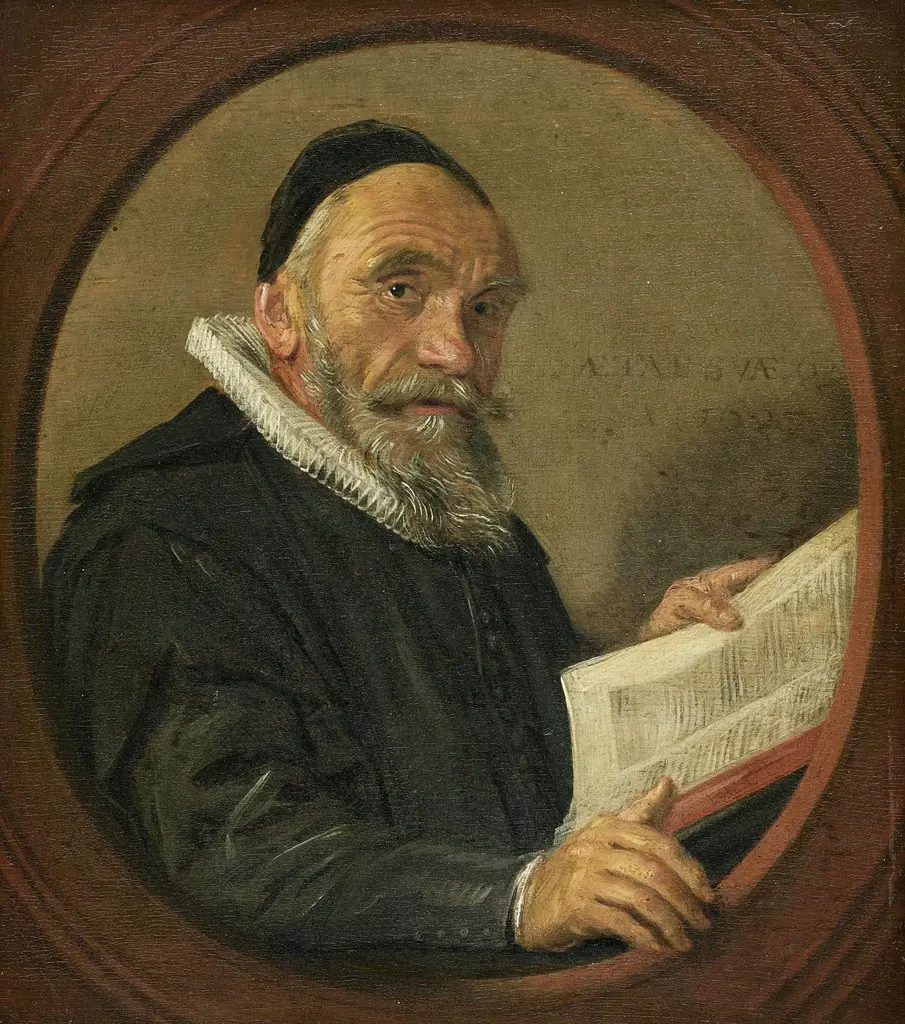 Portrait of Johannes Acronius
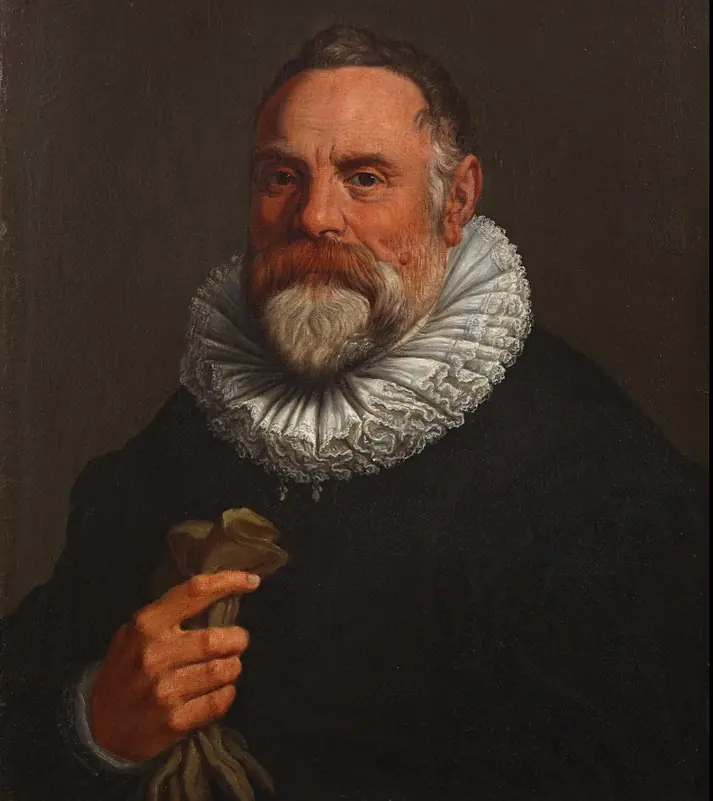 Portrait of Ulisse Aldrovandi
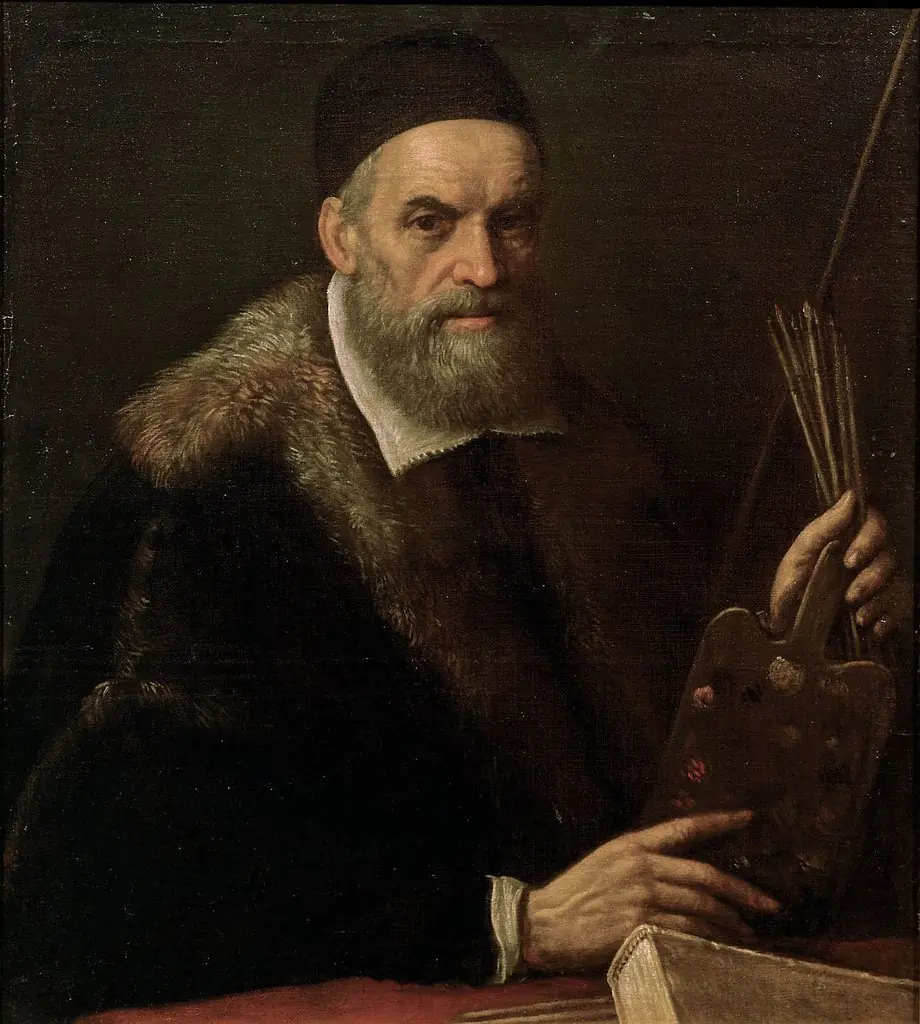 Portrait of the painter Jacopo Bassano da Ponte (c. 1510-1592)
 Self-Portrait (?)
 Ramon Llull