Artwork
Saint Louis of Toulouse
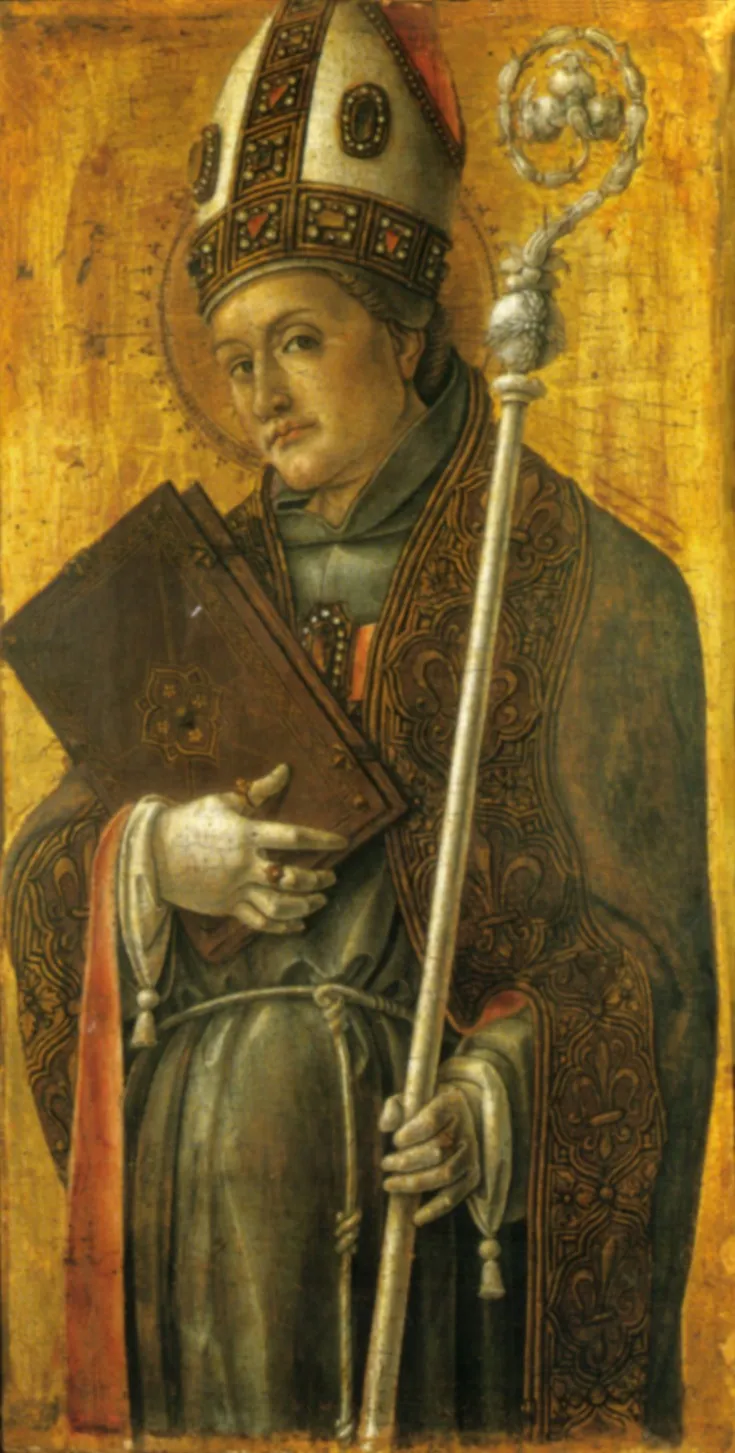
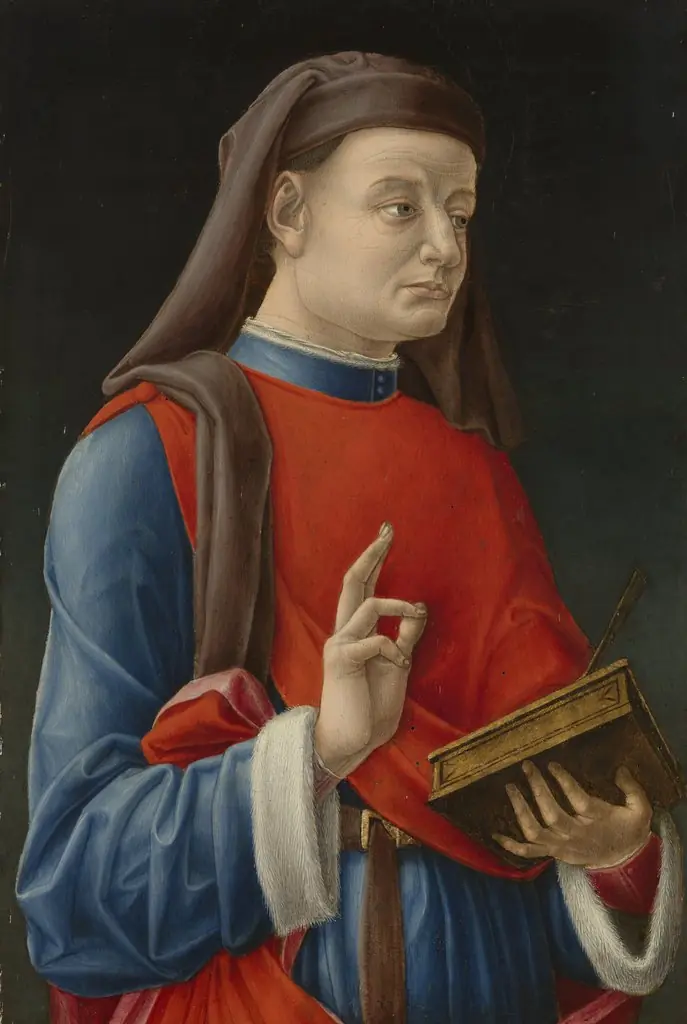
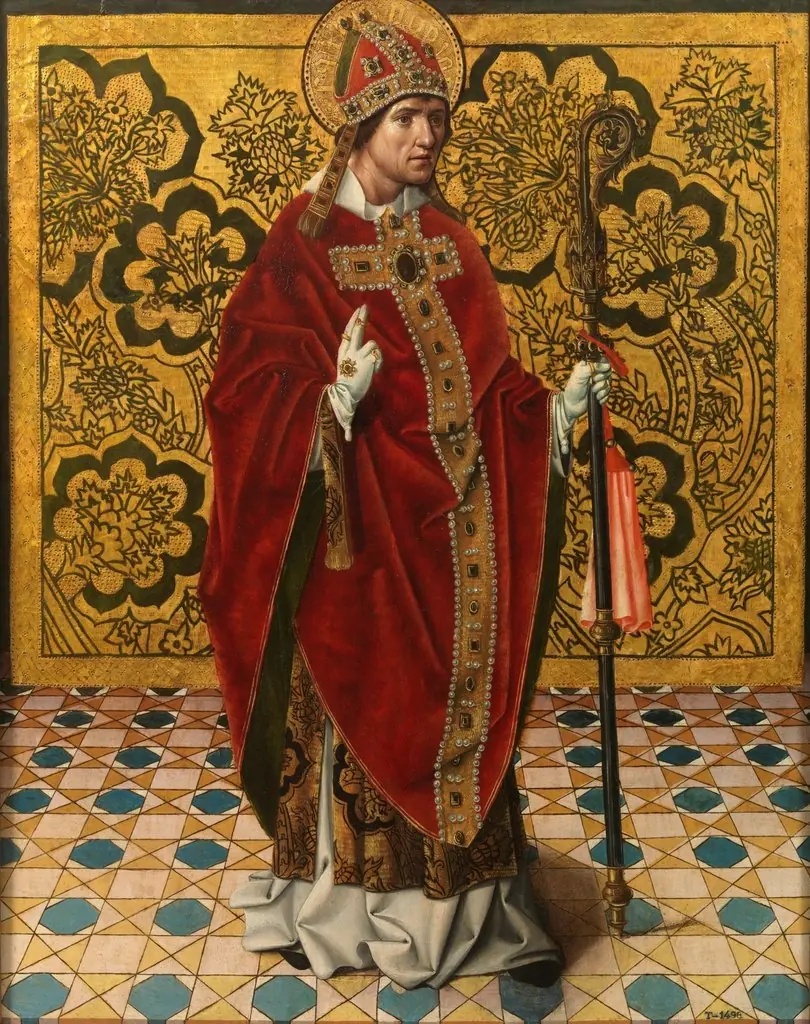
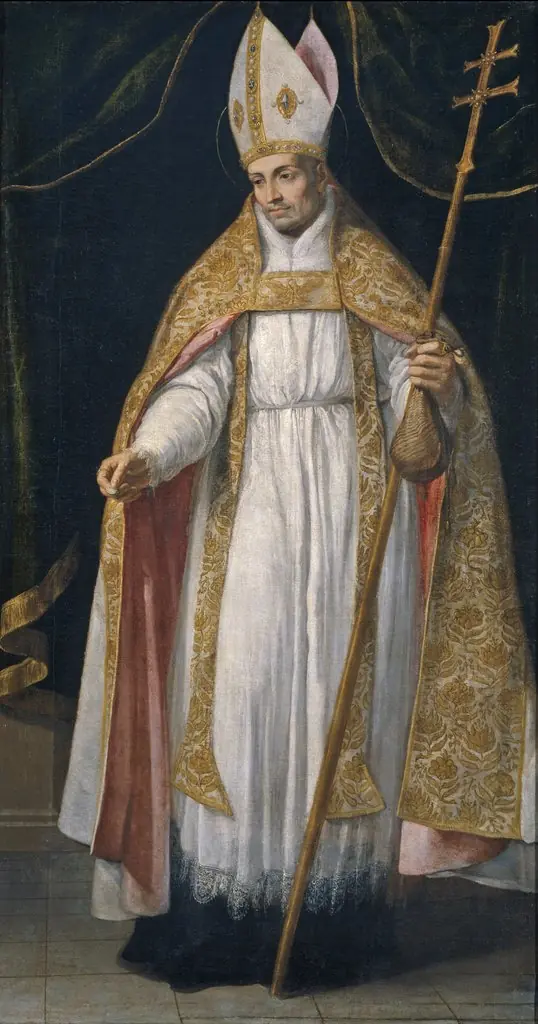
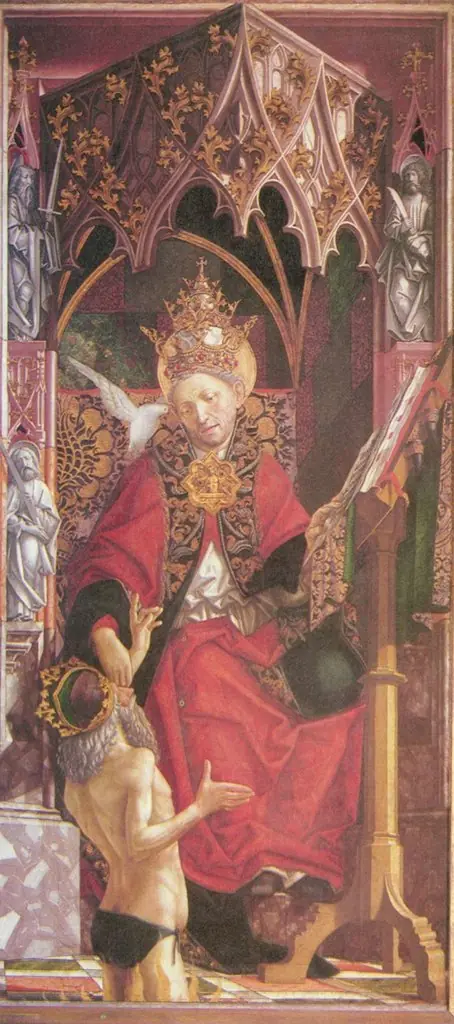
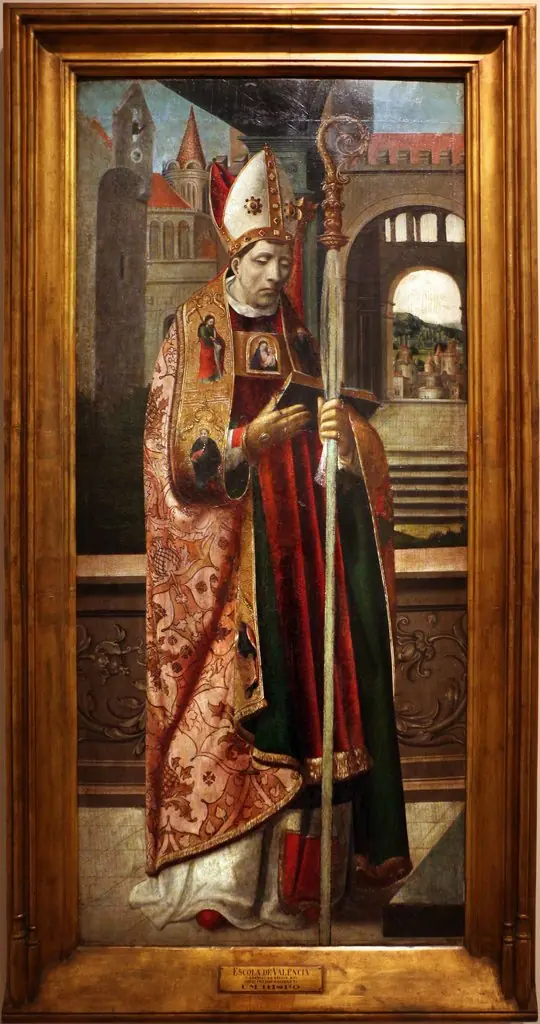
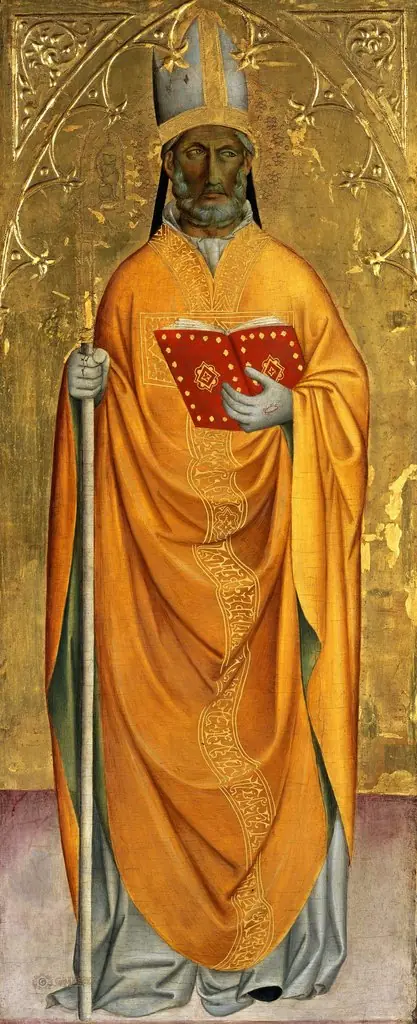
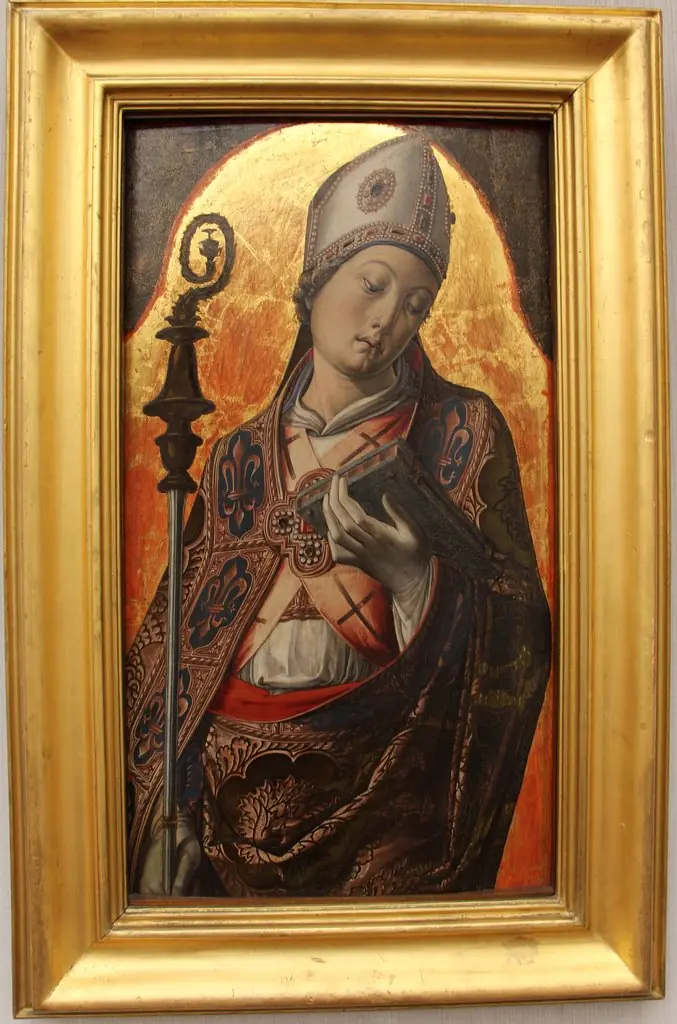
Saint Louis of Toulouse is an unspecified painting by the Early Renaissance artist Bartolomeo Vivarini. It dates from 1465 and is held in the collection of the Uffizi Gallery.
About this work
Overview
It resides today in the Uffizi Gallery in Florence, part of a broader tradition of Italian panel painting from the mid-fifteenth century.
Painted in 1465 by Bartolomeo Vivarini, this work is a devotional panel from the Venetian Vivarini workshop, known for its contributions to early Renaissance religious art in northern Italy. The painting portrays Saint Louis of Toulouse, a royal Franciscan saint, in a formal, frontal pose. It resides today in the Uffizi Gallery in Florence, part of a broader tradition of Italian panel painting from the mid-fifteenth century.
Subject & Meaning
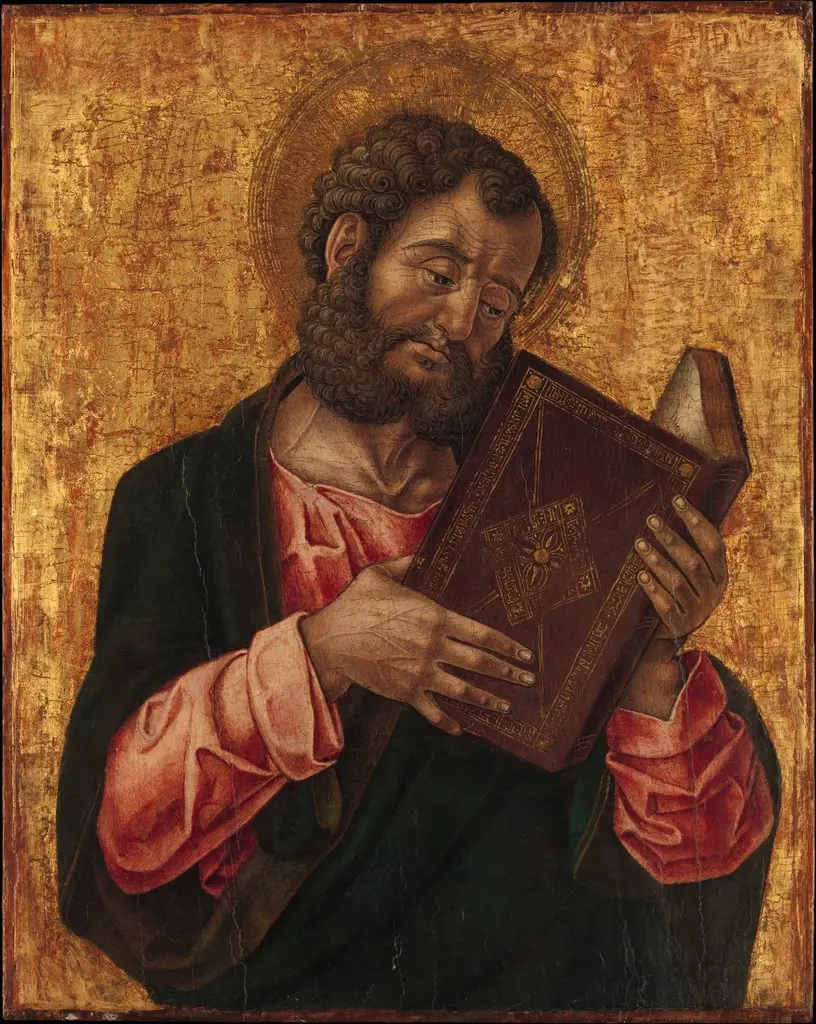
Saint Louis of Toulouse, a 13th-century prince who renounced his claim to the throne to join the Franciscan order, is depicted as a model of pious humility. He holds a book symbolizing divine wisdom and a staff with a crook, signifying his spiritual authority. His solemn gaze and regal yet austere attire reflect his dual identity as both nobleman and monk, reinforcing the virtue of renunciation central to his hagiography.
Technique & Style
Vivarini employs fine brushwork to render the rich textures of the saint’s robe and ornate hat, using subtle shading to suggest volume and depth. The gold-leaf background, warm in tone, creates a luminous, otherworldly space. Details like the geometric patterns on the hat and the folds of fabric reveal a meticulous attention to surface decoration, characteristic of Venetian painting’s blend of Byzantine elegance and emerging naturalism.
History & Provenance
Commissioned during the height of the Vivarini family’s activity in Venice, the painting likely served a private or ecclesiastical devotional context. It entered the Medici collection in Florence by the late 16th century and was later transferred to the Uffizi Gallery, where it remains today. Its survival reflects its enduring value as a work of both religious significance and artistic craftsmanship.
Context
In mid-15th-century Venice, religious imagery often blended local devotional needs with international influences. Saint Louis, venerated in both France and Italy, was a popular subject for Franciscan communities. Vivarini’s style reflects the transition from Gothic conventions to Renaissance spatial awareness, while retaining decorative richness favored in Venetian altarpieces of the period.
Legacy
Though not among the most widely reproduced works of the era, this painting exemplifies the craftsmanship of the Vivarini workshop and the persistence of devotional portraiture in Renaissance Venice. It contributes to the understanding of how regional workshops adapted saintly iconography to local tastes, bridging medieval symbolism and early humanist ideals in sacred art.
Artist & collection
Artist
Bartolomeo or Bartolommeo Vivarini (c. 1432 – c. 1499) was an Italian Renaissance painter, known to have worked from 1450 to 1499.