Artwork
The Virgin Enthroned with Saint Amadio and Saint Anthony
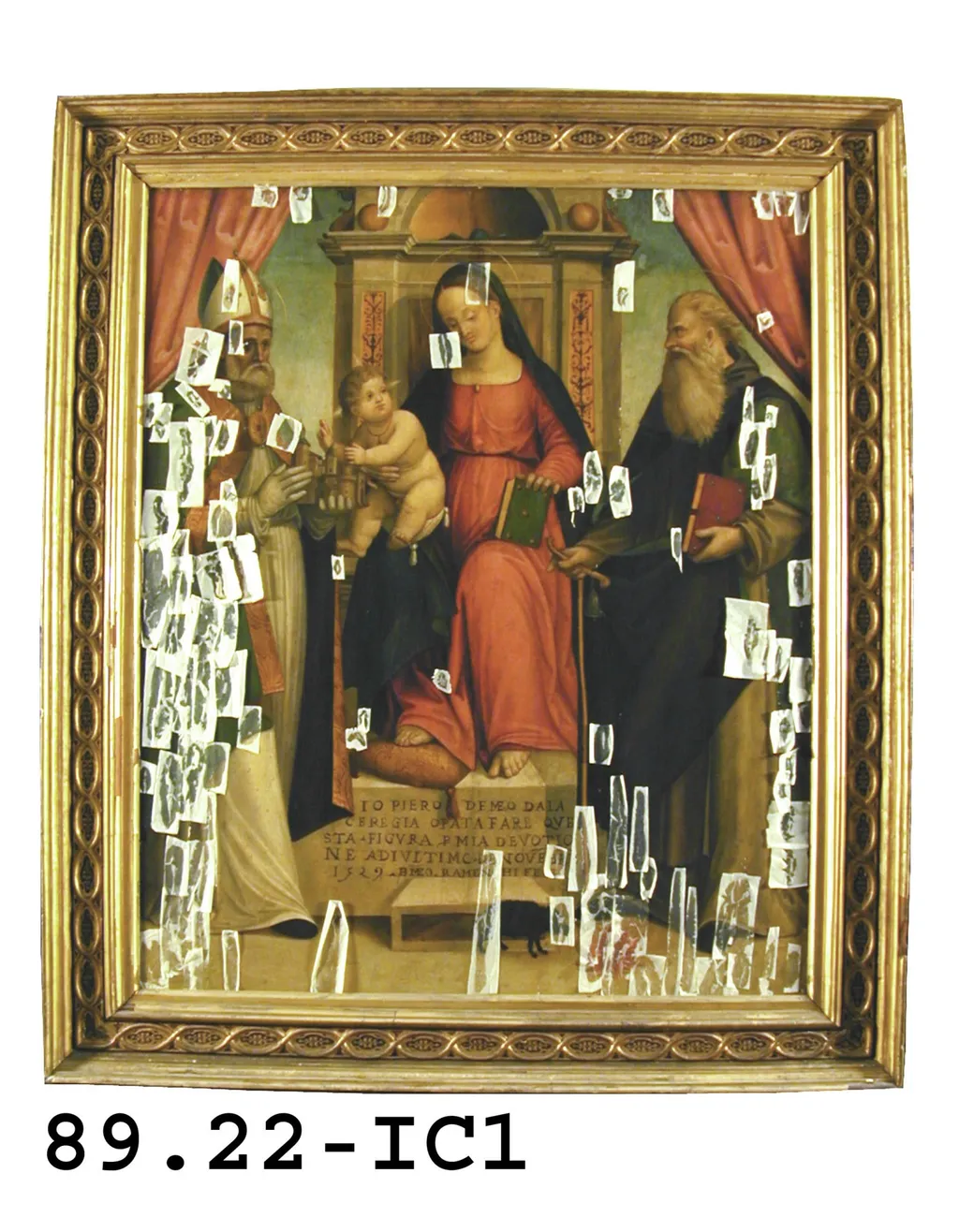
The Virgin Enthroned with Saint Amadio and Saint Anthony is an unspecified painting by Bartolommeo Ramenghi. It dates from 1529 and is held in the collection of the Detroit Institute of Arts.
About this work
Overview
Bartolommeo Ramenghi’s 1529 oil on panel, titled *The Virgin Enthroned with Saint Amadio and Saint Anthony*, is part of the Detroit Institute of Arts’ collection. The composition centers on the Virgin Mary seated on a throne, cradling the infant Christ, flanked by two saints. The work exemplifies the devotional imagery typical of early sixteenth‑century Italian painting.
Subject & Meaning
The central figure of Mary holds the newborn Jesus, emphasizing the Incarnation, while Saint Anthony appears on the viewer’s right holding a book, a reference to his scholarly and ascetic reputation. Saint Amadio, positioned on the left with a pastoral staff, represents his role as a hermit saint. Together they create a triadic devotional group intended for private contemplation.
Technique & Style
Ramenghi employs a balanced Renaissance layout, using a shallow architectural backdrop of a green wall and red drapery to frame the figures. The Virgin’s red dress and black cloak are rendered with fine modeling, while the saints are delineated through subtle chiaroscuro. The gilded frame, adorned with decorative motifs and attached paper fragments, reflects contemporary display practices.
History & Provenance
Born in 1484 near Bologna, Ramenghi trained with Francesco Francia, Lorenzo Costa, and later with Raphael in Rome before establishing his career in his native city. The painting entered the Detroit Institute of Arts in the twentieth century, though earlier ownership records are sparse. Its presence in the museum highlights the artist’s regional importance during the Italian Renaissance.
Context
The work aligns with the Bagnacavallo school’s emphasis on clear narrative and harmonious composition, echoing Raphael’s influence on Ramenghi’s mature style. The inclusion of saints specific to local devotion suggests the piece may have been commissioned for a private chapel or confraternity in the Bologna area, where such patronage was common.
Artist & collection
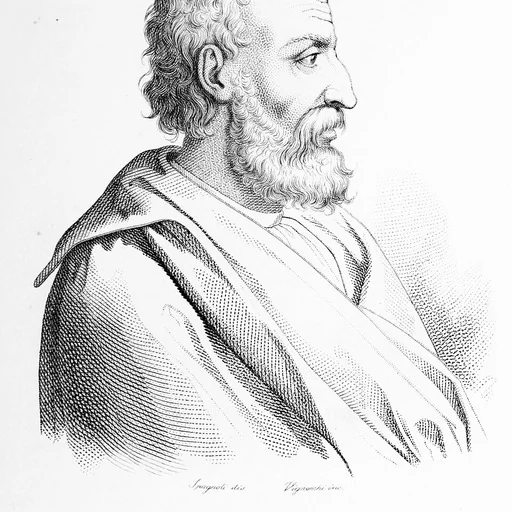
Artist
Bartolomeo Ramenghi (1484–1542), also called Bagnacavallo, il Bagnacavallo or il Baruffaldi, was an Italian painter of the Renaissance, active in Emilia-Romagna.


 The Annunciation
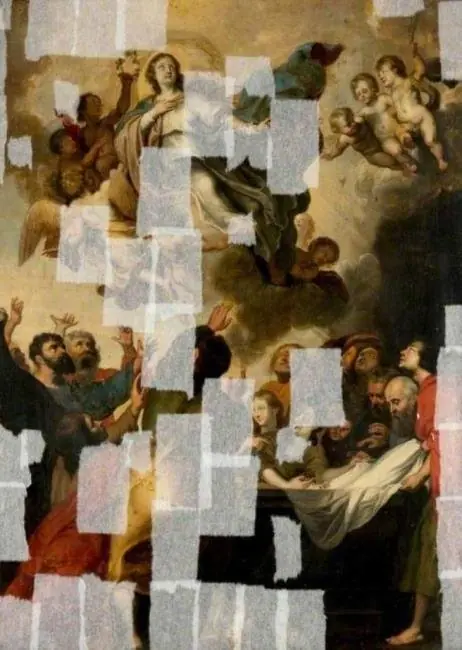 The Assumption of the Virgin
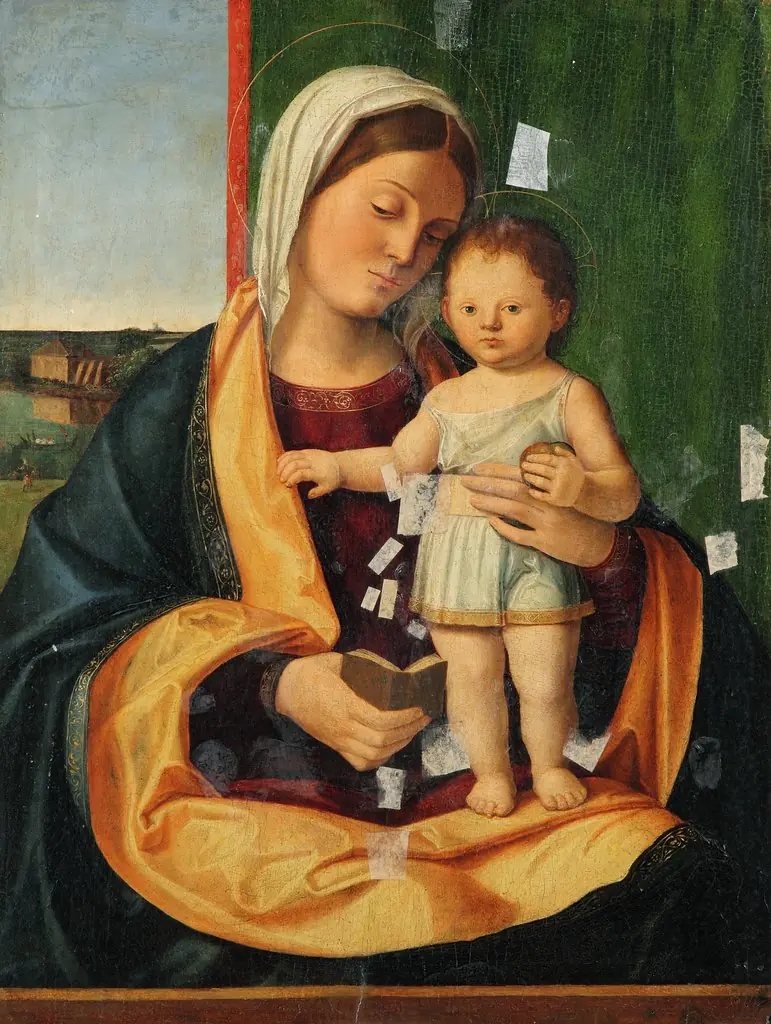 The Virgin and Child
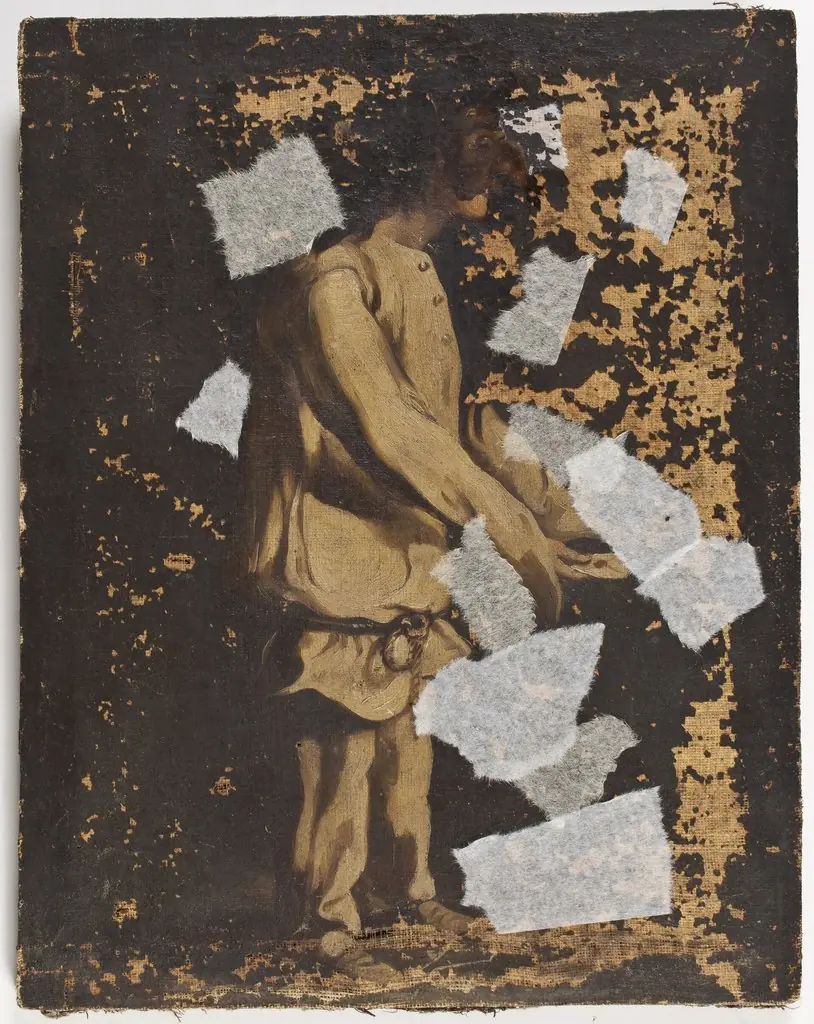 Pulcinello/Pulcinella
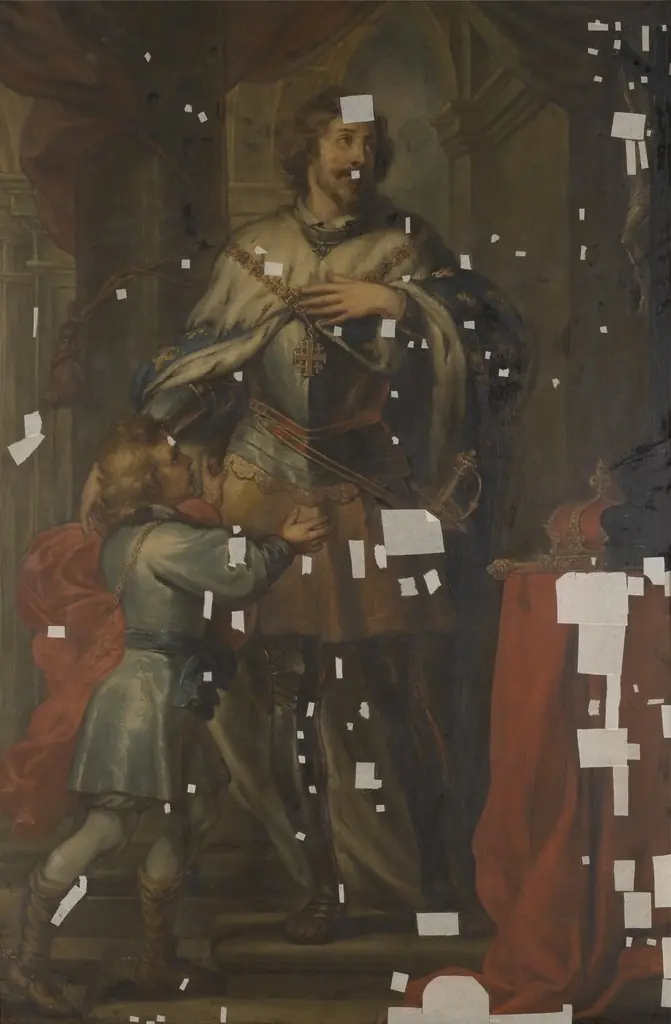 Saint Louis IX, King of France, the Crusader
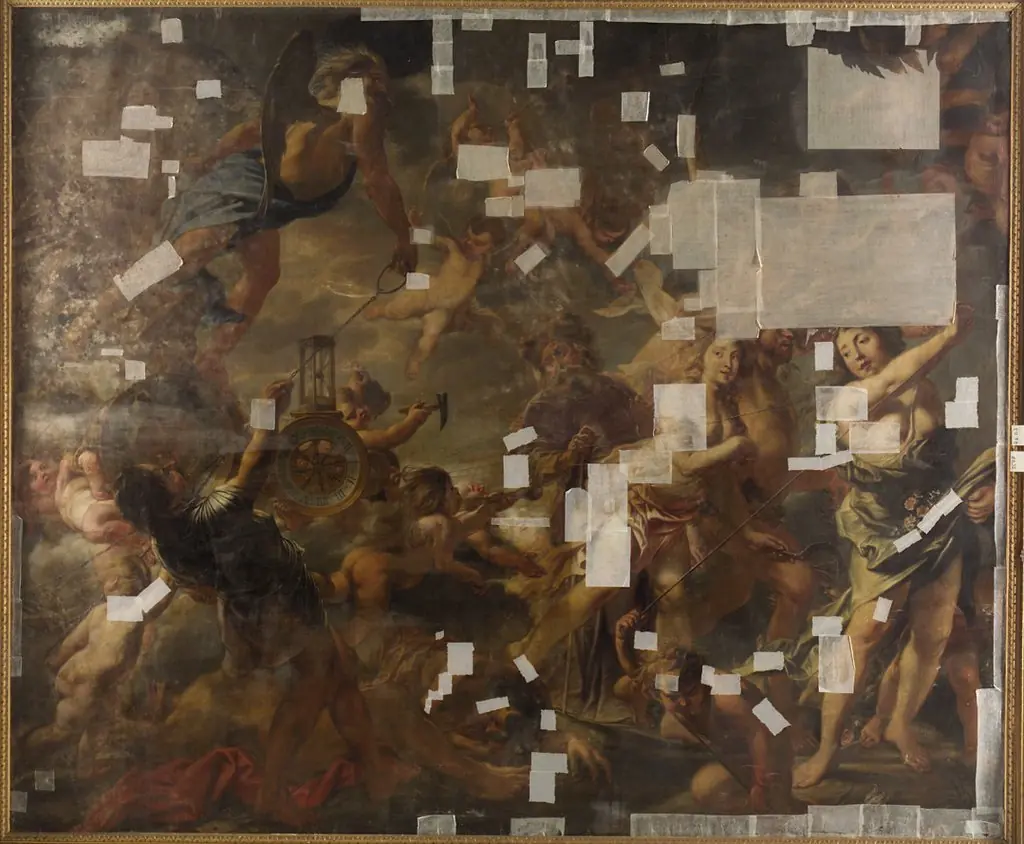 Triumph der Zeit
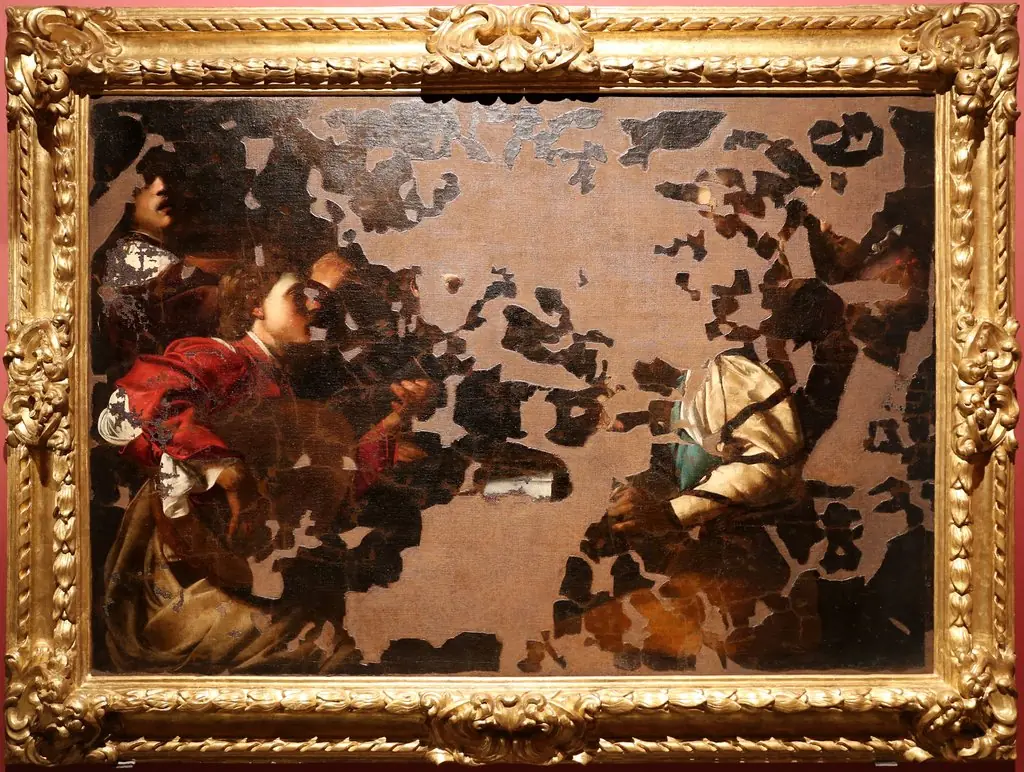 Concerto
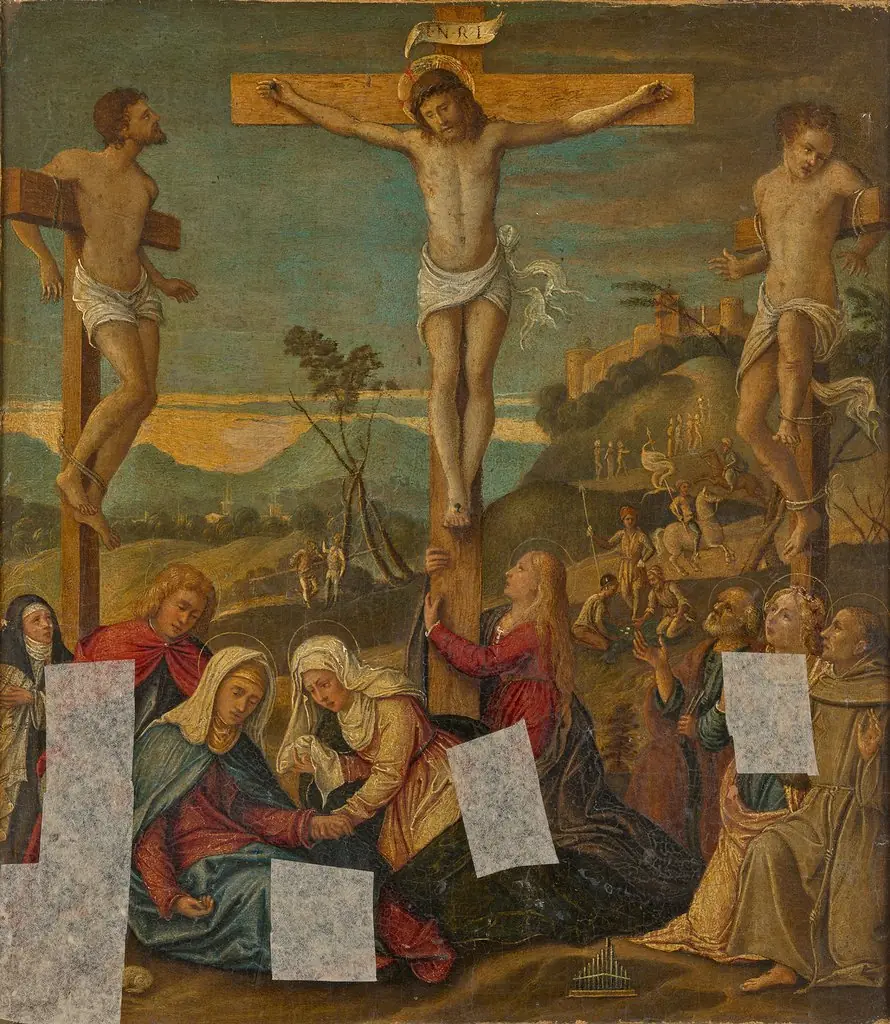 The Crucifixion of Christ
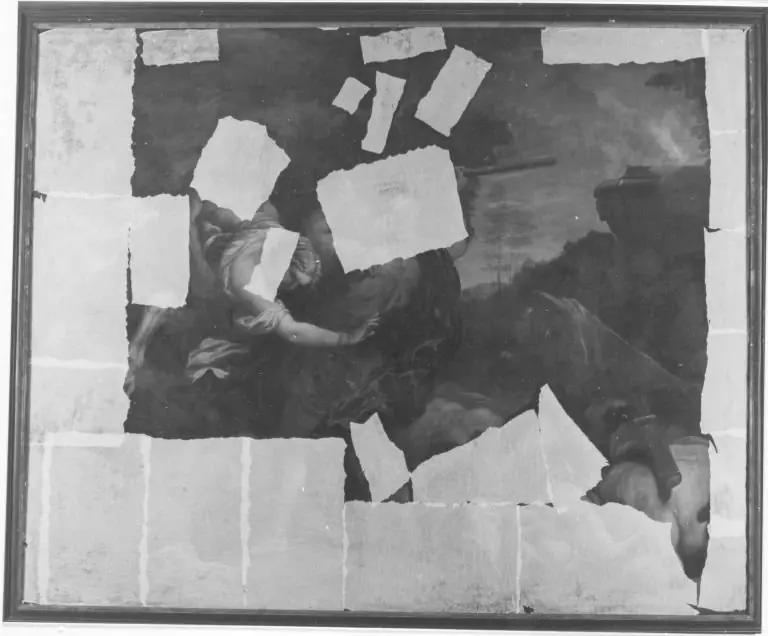 Hercules kills the Nessus
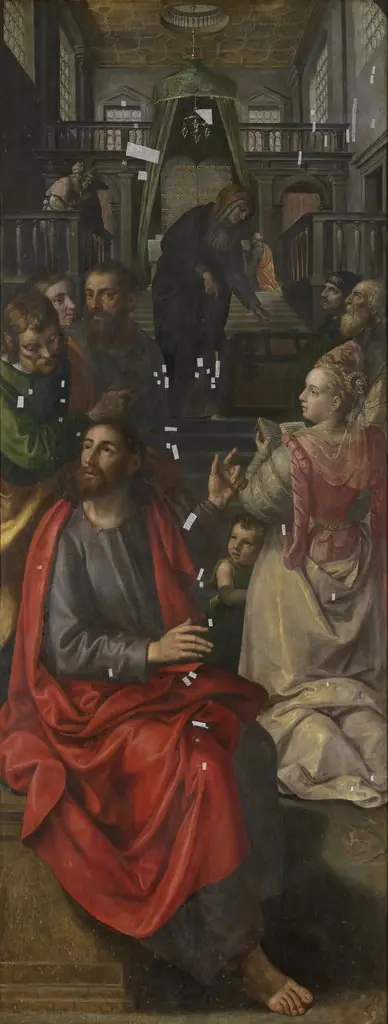 The Widow's Offering
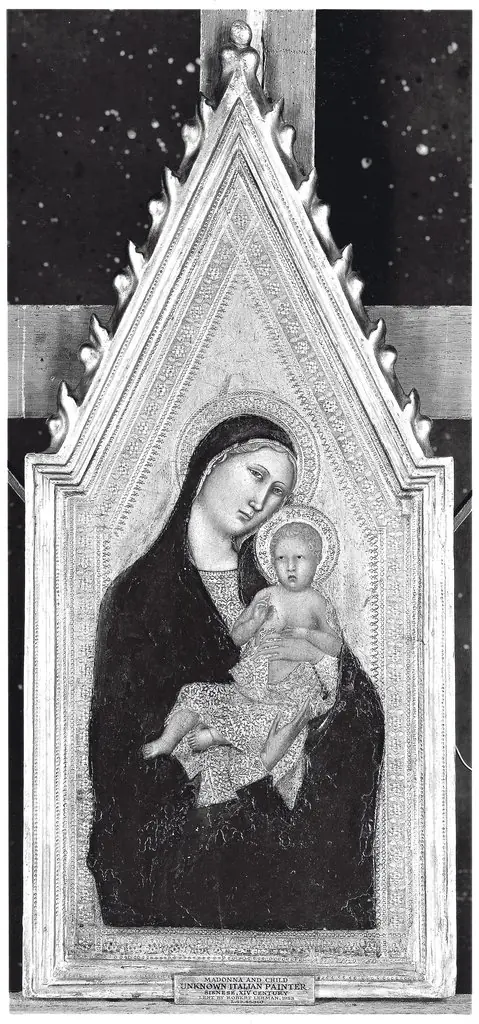 Tabernacle frame
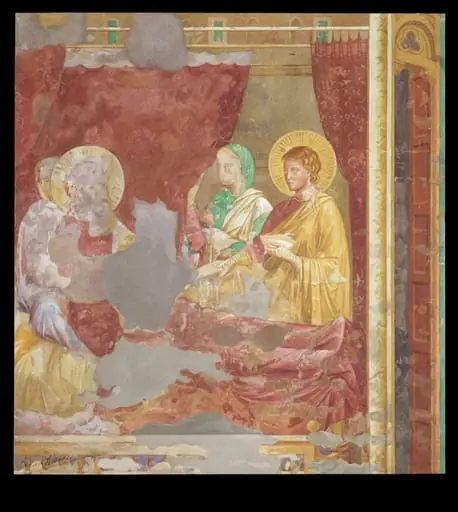 Copy after the painting Isaac blessing Jacob attributed to the Isaac Master in the Upper Church, San Francesco, Assisi.