Artwork
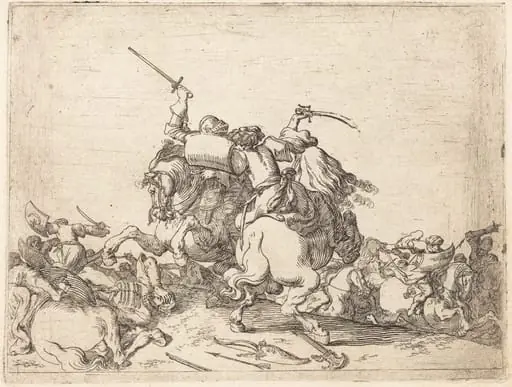
Capricci di varie battaglie
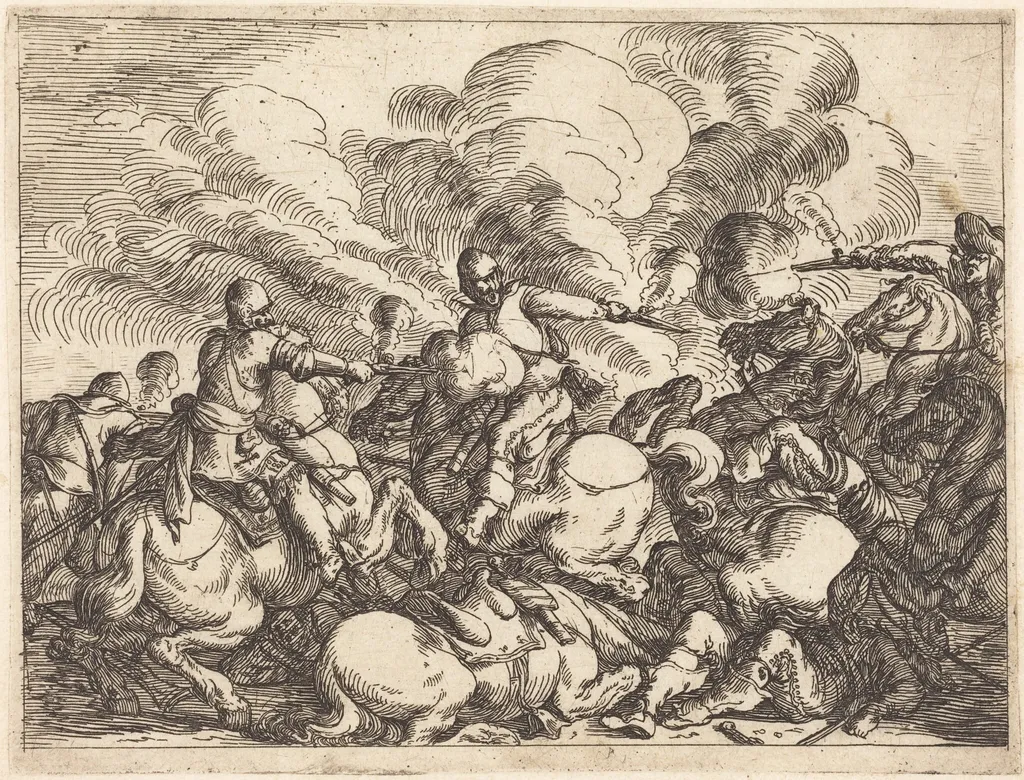
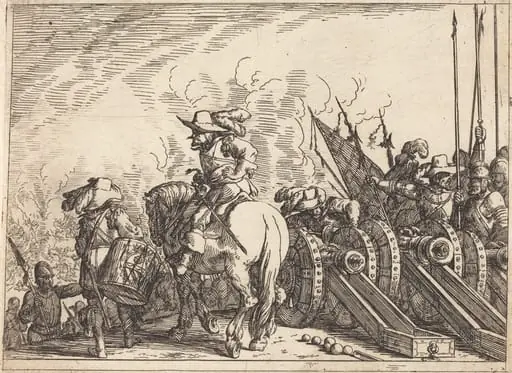
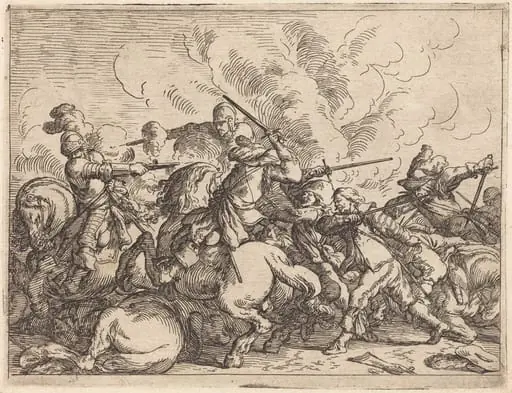
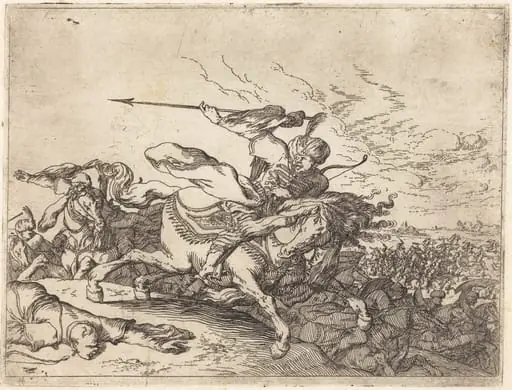
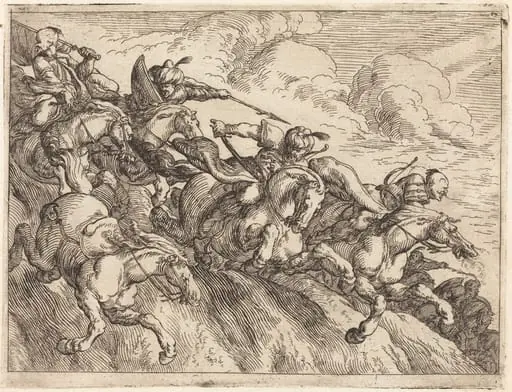
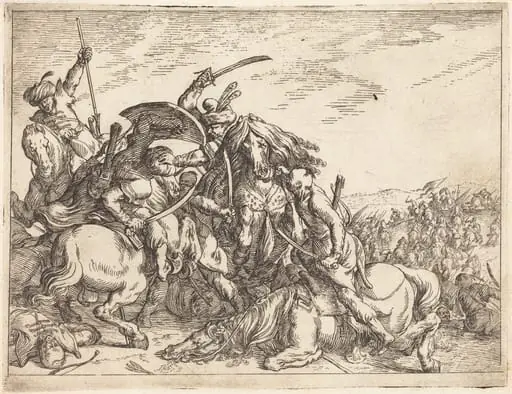
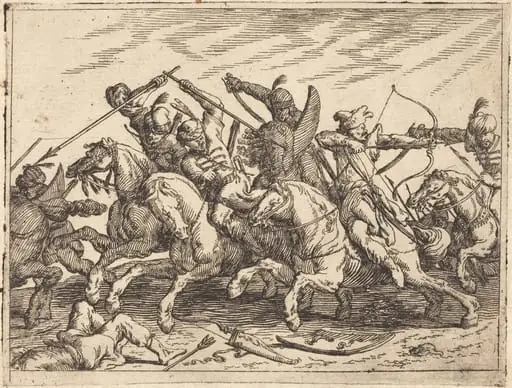
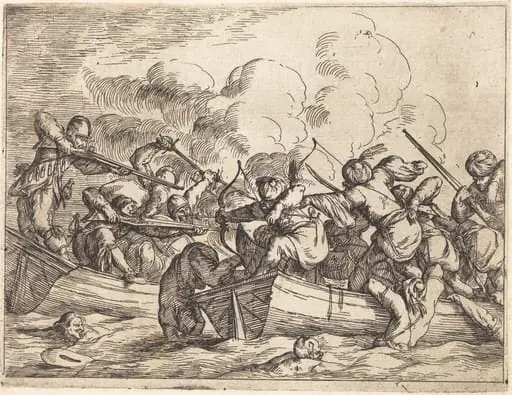
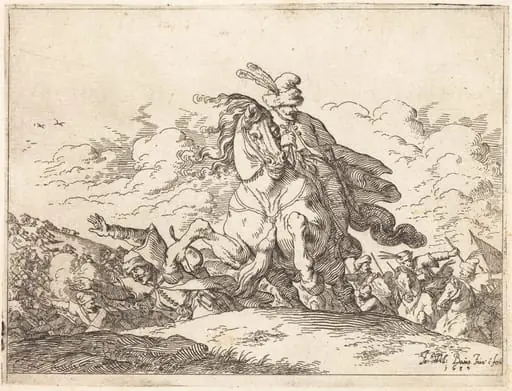
Capricci di varie battaglie is an ink print by the Baroque artist Johann Wilhelm Baur. It dates from 1635 and is held in the collection of the National Gallery of Art.
About this work
Overview
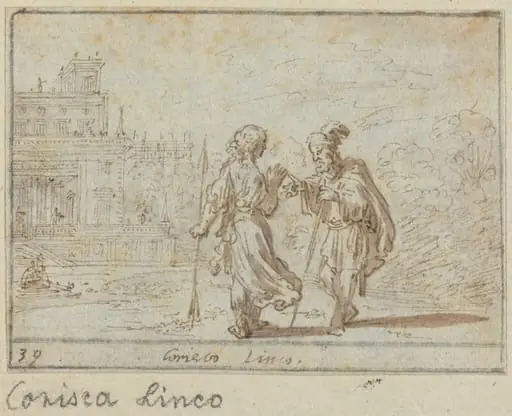
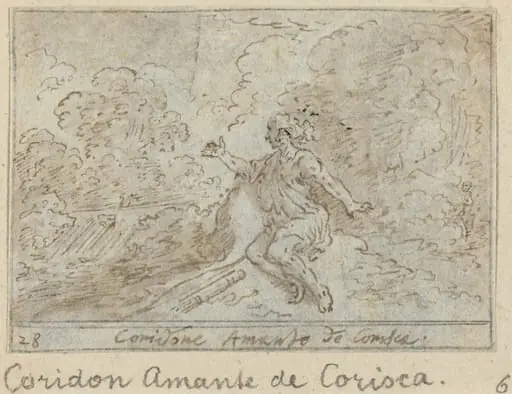
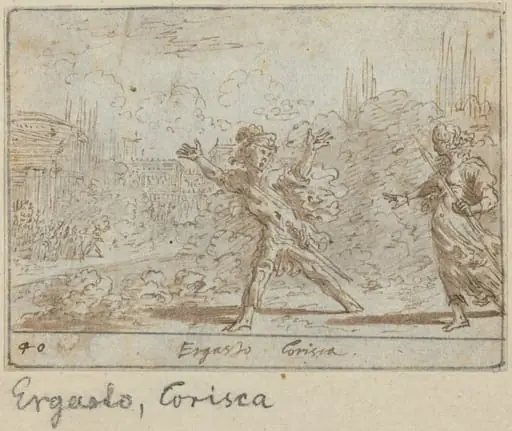
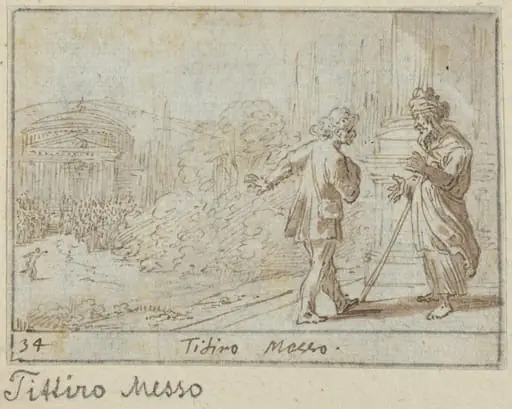
Johann Wilhelm Baur, a German artist active in the early 1600s, produced *Capricci di varie battaglie* in 1635 as an etching on laid paper.
Johann Wilhelm Baur, a German artist active in the early 1600s, produced *Capricci di varie battaglie* in 1635 as an etching on laid paper. The work belongs to a series of prints that explore imagined military conflicts, distinct from historical documentation. Baur’s practice included miniature painting and illustrated narratives, notably Ovid’s *Metamorphoses*, reflecting his interest in dynamic, story-driven imagery.
Subject & Meaning
The print presents a non-specific, chaotic battlefield populated by entangled figures in motion—some engaged in combat, others collapsing or reaching ambiguously. No clear side or leader is identifiable, suggesting a universal meditation on violence rather than a record of any particular engagement. The absence of narrative clarity invites contemplation on the disorder and anonymity of war.
Technique & Style
Baur employed dense, layered etching lines to build texture and depth, allowing ink to pool in thick, irregular strokes. The composition avoids clean contours, instead favoring a turbulent, almost abstract mass of figures and shadows. This approach, typical of Baroque printmaking, amplifies emotional intensity through visual chaos, using the medium’s capacity for expressive mark-making to convey turmoil.
History & Provenance
Created in 1635, the print emerged during Baur’s time in Italy, where he absorbed influences from Italian graphic traditions. While the exact early ownership is undocumented, the work aligns with circulating prints of the period that circulated among collectors interested in dramatic, imaginative scenes. Its survival reflects its appeal within networks of print connoisseurs in Central Europe.
Context
In the mid-17th century, etchings of fantastical battles were popular among collectors seeking emotional rather than factual content. Baur’s work fits within a broader trend of capricci—imaginative compositions blending reality and invention. These prints responded to a market drawn to the theatricality of war, often produced as standalone images rather than illustrations for texts.
Legacy
Though Baur is less known today than his contemporaries, *Capricci di varie battaglie* exemplifies the expressive potential of etching in conveying psychological tension. Its raw, unrefined aesthetic influenced later artists exploring chaos and movement in print. The work remains a testament to how technical experimentation could transform printmaking into a vehicle for visceral, non-narrative expression.
Own this work as a print
Artist & collection
Artist
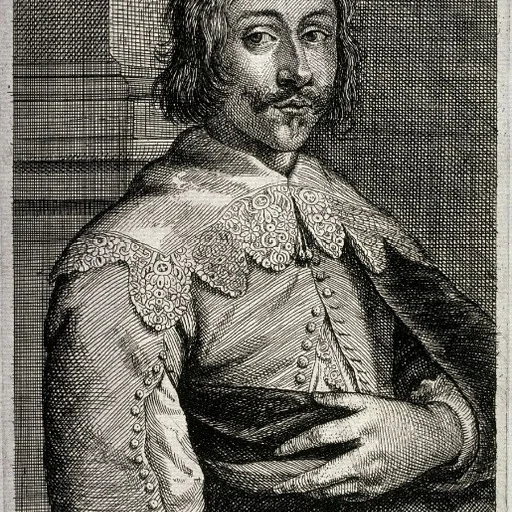
Johann Wilhelm Baur, Joan Guiliam Bouwer, or Bauer (Strasbourg, 31 May 1607 - Vienna, 1 January 1640) was a German engraver, etcher and miniature painter. He is famous for a series of illustrations of Ovid's Metamorphoses.