Artwork
Corisca
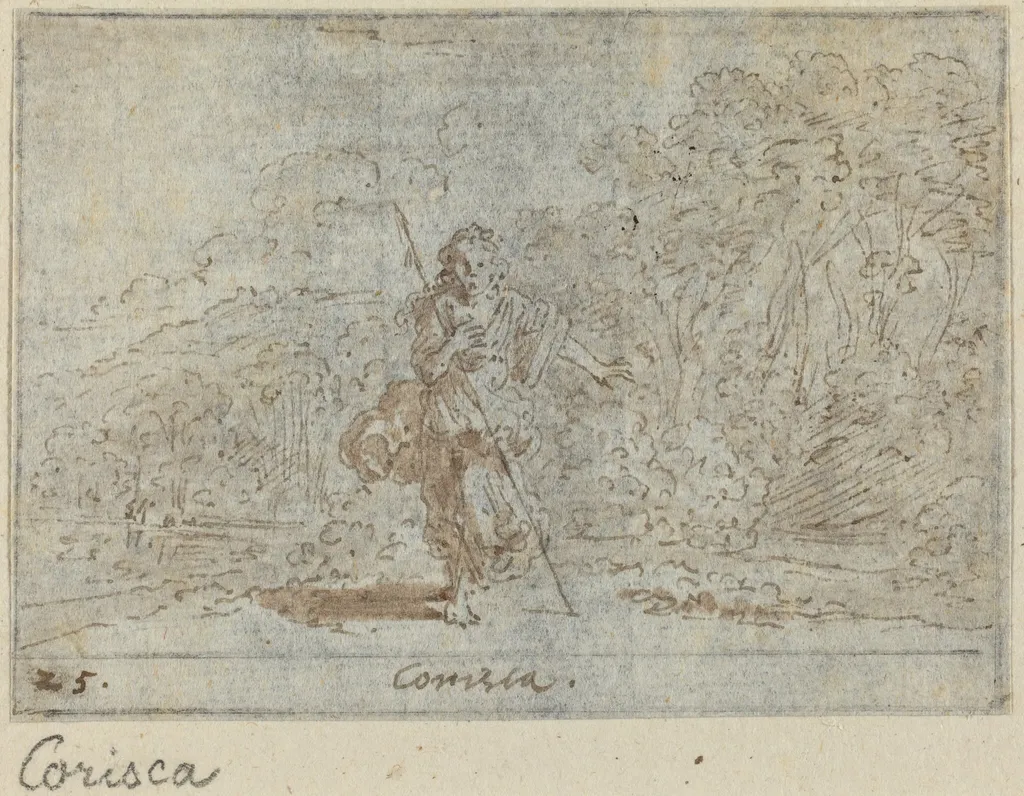
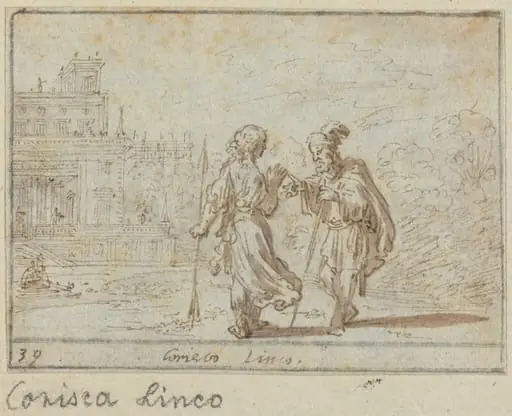
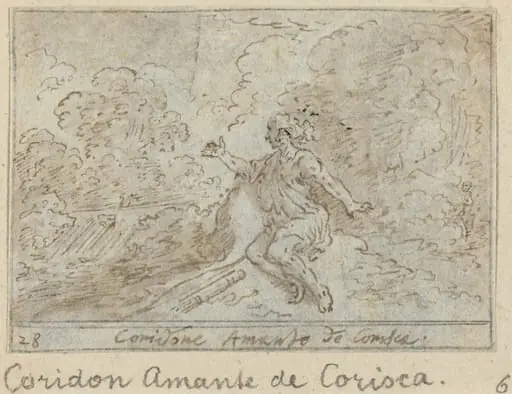
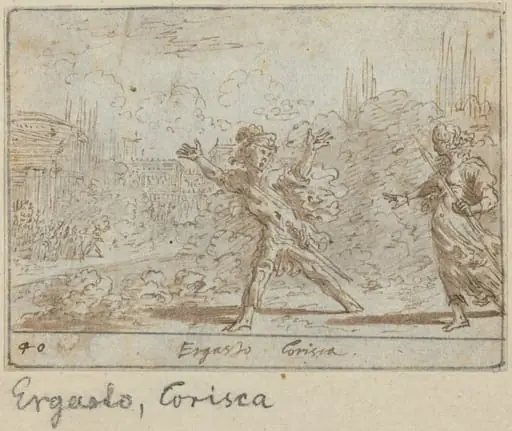
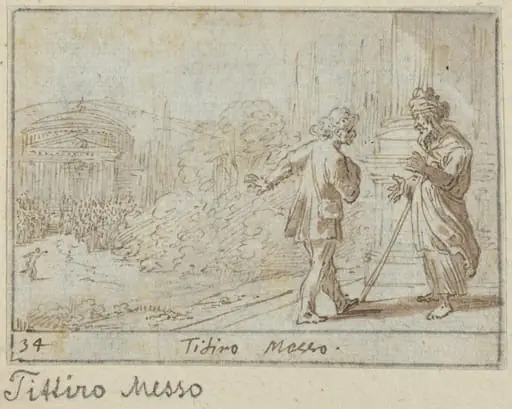
Corisca is an ink drawing by the Baroque artist Johann Wilhelm Baur. It dates from 1640 and is held in the collection of the National Gallery of Art.
About this work
Overview
Created in 1640, *Corisca* is a drawing executed with pen and brown ink, enhanced by a brown wash applied to laid paper. The German artist Johann Wilhelm Baur, active in the early seventeenth century, produced the work as part of his broader engagement with mythological illustration, particularly his series based on Ovid’s *Metamorphoses*.
Subject & Meaning
The composition centers on the figure of Corasica, rendered as a solitary woman clothed in modest, antiquated attire. Her facial features are rendered with fine line work, emphasizing age and experience, while the simplicity of her garments suggests a focus on everyday human presence rather than idealized beauty.
Technique & Style
Baur employed a combination of precise pen strokes and cross‑hatching to model the figure’s form, while a subtle brown wash adds tonal depth and volume to the folds of the clothing. The use of laid paper provides a textured ground that interacts with the ink, enhancing the drawing’s tactile quality.
History & Provenance
Johann Wilhelm Baur (1607–1640), born in Strasbourg, was known for his work as an engraver, etcher, and miniature painter. *Corisca* belongs to his oeuvre of mythological drawings, produced shortly before his death. The piece has remained within collections of European graphic art, reflecting the artist’s reputation for detailed narrative illustration.
Artist & collection
Artist
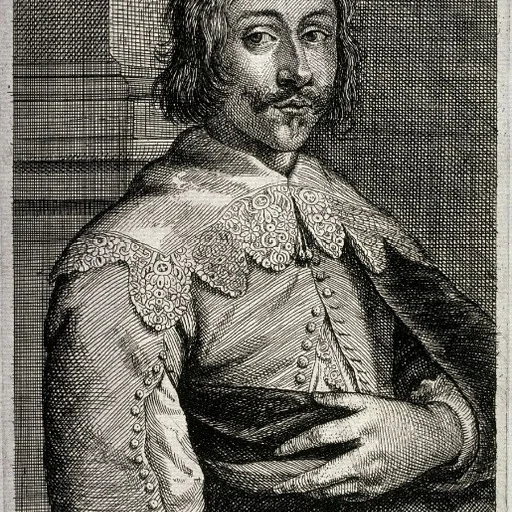
Johann Wilhelm Baur, Joan Guiliam Bouwer, or Bauer (Strasbourg, 31 May 1607 - Vienna, 1 January 1640) was a German engraver, etcher and miniature painter. He is famous for a series of illustrations of Ovid's Metamorphoses.