Artwork
Guy Little Theatrical Photograph
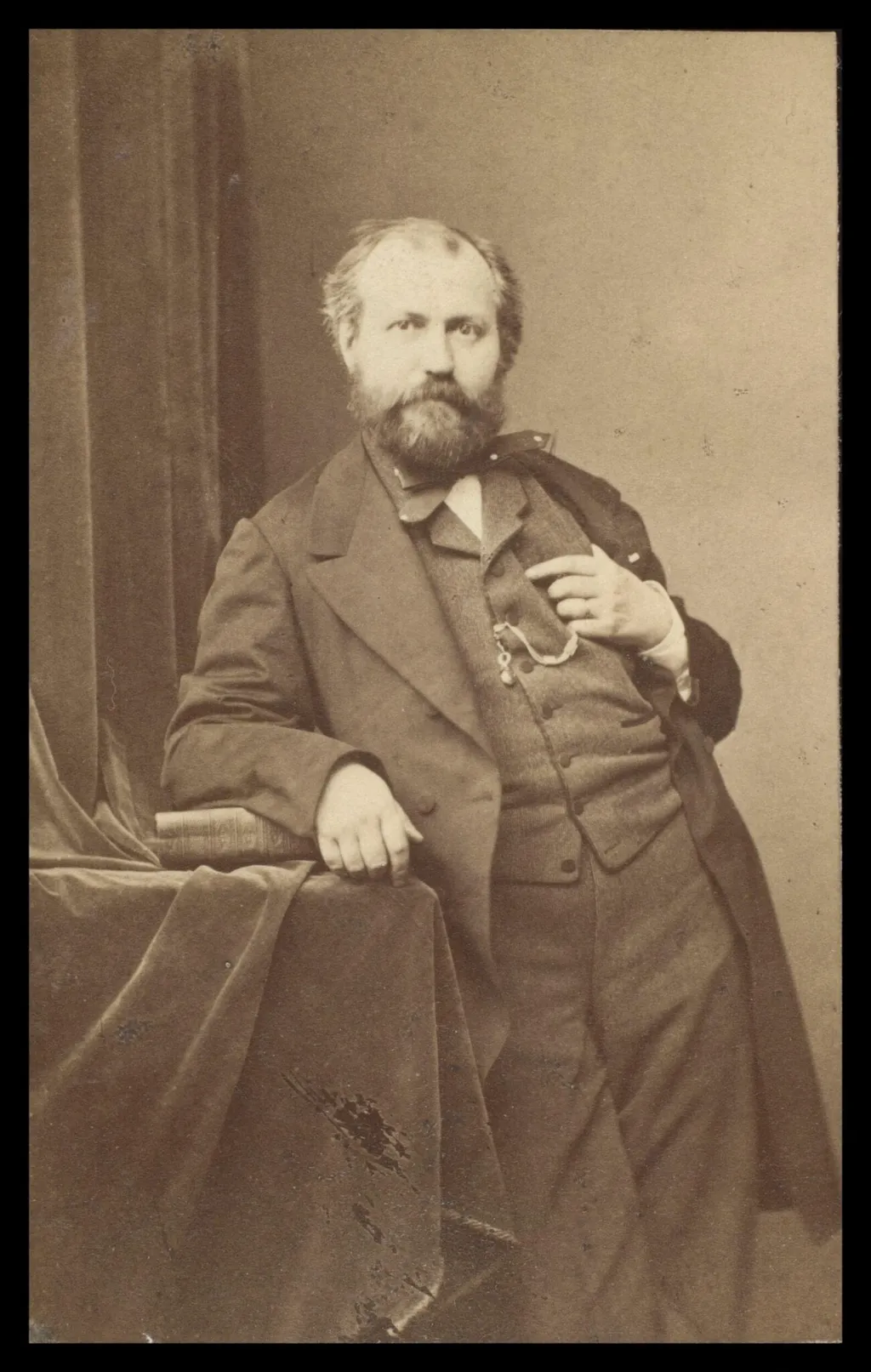
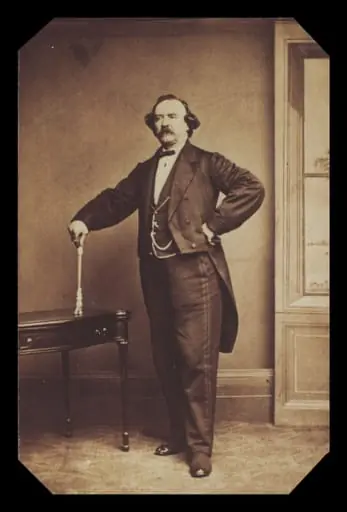
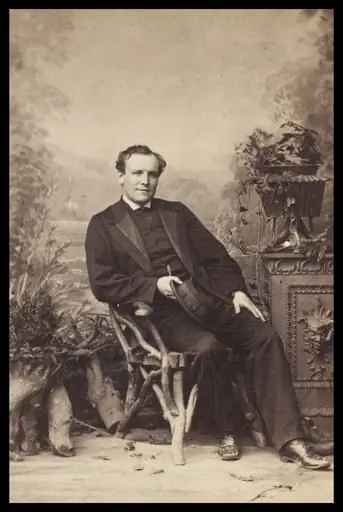
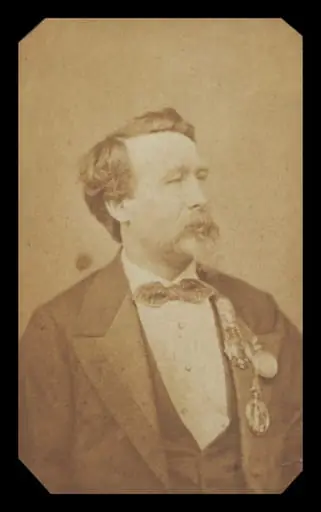
Guy Little Theatrical Photograph is a photographic photography by Bayard and Bortall. It dates from 1850 and is held in the collection of the Victoria and Albert Museum. This albumen print on card is a carte de visite, a small photographic format popular in the mid-to-late 19th century.
About this work
Overview
This albumen print on card is a carte de visite, a small photographic format popular in the mid-to-late 19th century.
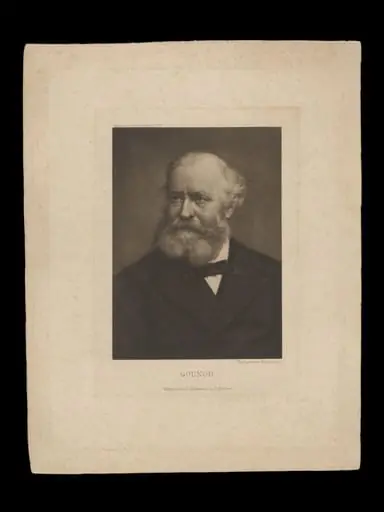
This albumen print on card is a carte de visite, a small photographic format popular in the mid-to-late 19th century. It depicts the French composer Charles Gounod and originates from the personal collection of Guy Tristram Little, a solicitor and avid collector of photographic portraits. The image was later donated to the Victoria and Albert Museum as part of a larger assemblage of theatrical and personal photographs, many of which were removed from their original mounts and reorganized into bound albums.
Subject & Meaning
Charles Gounod, renowned for his operas including Faust, was among the cultural figures whose likeness was widely circulated in photographic form during the Victorian era. His portrait, likely taken in a studio, served not merely as a personal memento but as a token of cultural affiliation. Collectors exchanged these images as social artifacts, reflecting both admiration for artistic achievement and the emerging public fascination with celebrity imagery.
Technique & Style
The photograph is an albumen print, produced from a glass negative and affixed to a stiff card backing. This method, dominant from the 1850s to the 1890s, yielded sharp tonal contrasts and a glossy surface. The photographer’s name, typically printed on the reverse, is absent here, suggesting the card may have been trimmed or re-mounted. The composition is formal, consistent with studio portraiture of the period, emphasizing the subject’s dignified presence.
History & Provenance
The photograph was part of Guy Tristram Little’s personal collection, which he systematically curated and mounted in albums. Little, a partner in a London law firm, was also the executor of Gabrielle Enthoven’s estate, whose extensive theatrical memorabilia became the foundation of the V&A’s Theatre Collections. His donation of these photographs, many detached from their original mounts, reflects a deliberate effort to preserve and contextualize visual culture of the era.
Context
Cartes de visite emerged after their 1854 patent and became a mass phenomenon in the 1860s, enabling ordinary people to own and trade images of celebrities, royalty, and artists. Their small size made them portable and collectible, often stored in special albums. By the 1870s, they were gradually replaced by larger cabinet cards, which offered greater detail and durability. This image sits within a broader cultural shift toward visual documentation and the democratization of portraiture through photography.
Legacy
Little’s collection, now housed at the V&A, preserves a snapshot of Victorian visual culture and the social rituals surrounding photographic portraiture. These images, once personal keepsakes, now serve as historical records of how 19th-century audiences engaged with public figures. The preservation of such materials underscores the evolving role of photography as both art and archive, bridging private sentiment and public memory.
Artist & collection
Artist
Bayard and Bortall were 19th-century Parisian photographers who loved making pictures look like they weren’t pictures.