Artwork
Edouard Manet
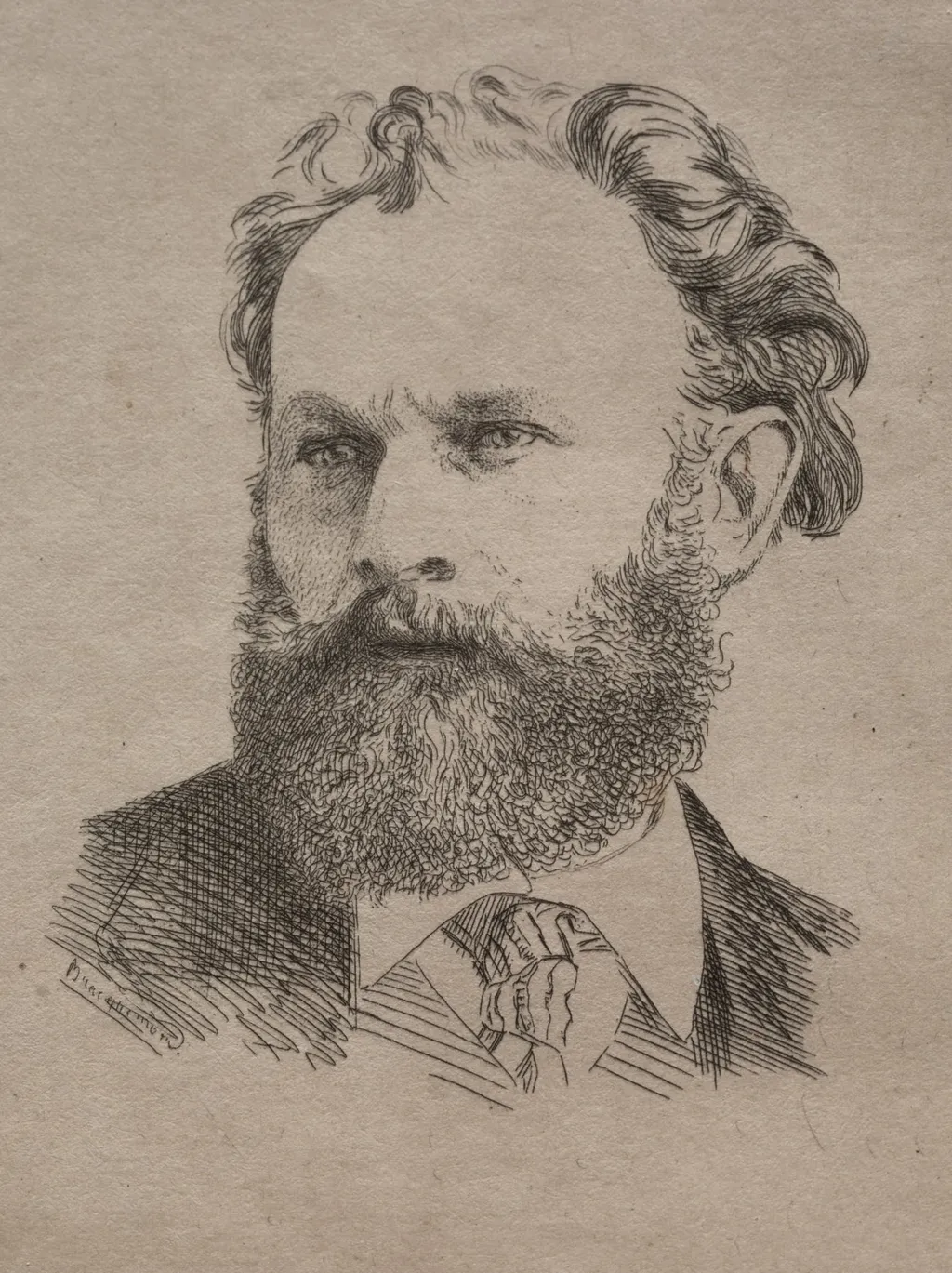
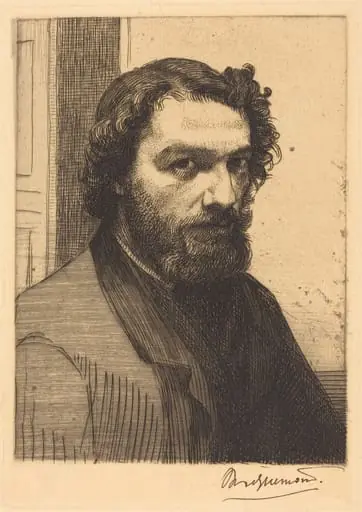
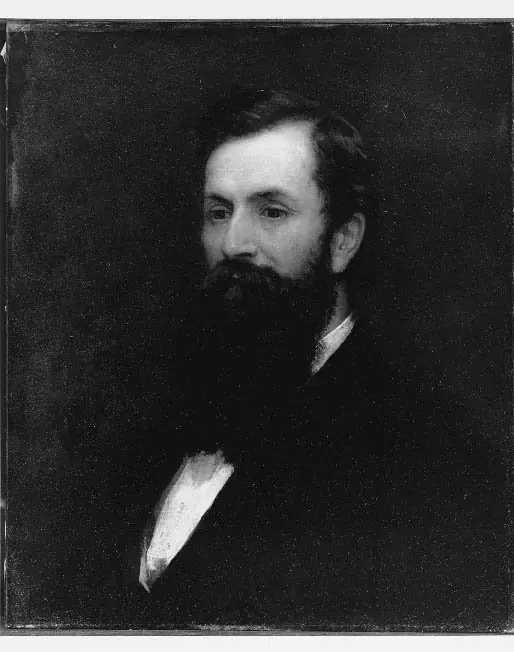
Edouard Manet is a print by the Impressionist artist Félix Bracquemond. It dates from 1867 and is held in the collection of the Cleveland Museum of Art.
About this work
Overview
It resides in the collection of The Cleveland Museum of Art, where it is valued as a direct record of artistic exchange among peers in 19th-century Paris.
This 1867 print by Félix Bracquemond depicts the French painter Édouard Manet in profile. Executed in monochrome, likely with charcoal or pencil, the work captures Manet’s likeness through rapid, expressive strokes. The image is unpolished and intimate, suggesting a spontaneous study rather than a formal portrait. It resides in the collection of The Cleveland Museum of Art, where it is valued as a direct record of artistic exchange among peers in 19th-century Paris.
Subject & Meaning
The subject is Édouard Manet, a central figure in modern French painting. Bracquemond’s portrayal emphasizes Manet’s distinctive facial features—curly hair, prominent forehead, and full beard—without idealization. The sketch conveys a sense of presence rather than status, reflecting the informal rapport between artists of the time. It serves as a personal tribute, documenting Manet’s appearance during a pivotal phase in his career.
Technique & Style
Bracquemond employed loose, gestural lines and dense shading to model form with minimal strokes. The contrast between lightly drawn contours and heavily shaded areas around the eyes and beard creates volume without relying on precise detail. The rough texture and unfinished quality suggest immediacy, as if drawn from life in a single sitting. This approach aligns with the sketch tradition in French art, prioritizing observation over polish.
History & Provenance
Created in 1867, the print emerged during a period of close collaboration among French artists. Bracquemond, known for his etchings and printmaking, likely made this as a personal homage. It entered The Cleveland Museum of Art’s collection through documented acquisitions in the 20th century. No earlier ownership records are widely cited, but its survival reflects its significance as a document of artistic camaraderie in post-Revolutionary Paris.
Context
In the 1860s, Parisian artists frequently exchanged portraits as tokens of mutual respect. Manet, then challenging academic norms, was a frequent subject among peers. Bracquemond’s sketch fits within this tradition, contrasting with official portraits by emphasizing spontaneity. The work also reflects the growing interest in printmaking as a medium for artistic expression beyond commercial reproduction.
Legacy
Though not widely reproduced, this print remains a quiet testament to the personal networks of 19th-century French artists. It offers insight into how contemporaries perceived Manet—not as a public icon, but as a fellow creator. Its preservation in a major museum underscores its value as a primary source for understanding artistic relationships and the informal practices that shaped modern art.
Artist & collection

Artist
Félix Henri Bracquemond (French pronunciation: ; 22 May 1833 – 29 October 1914) was a French painter, etcher, and printmaker.

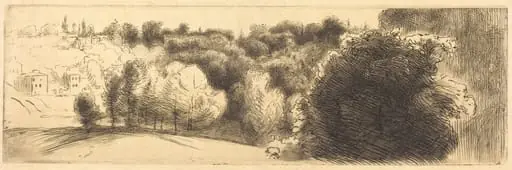
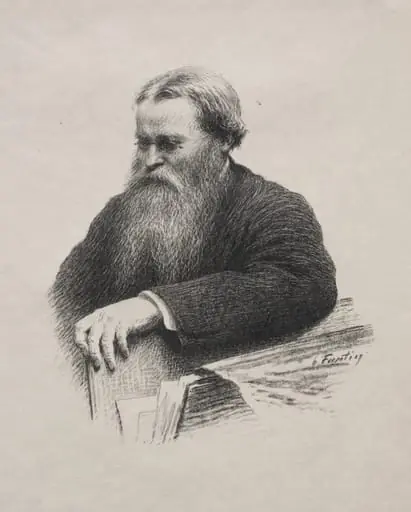 Edwin Edwards
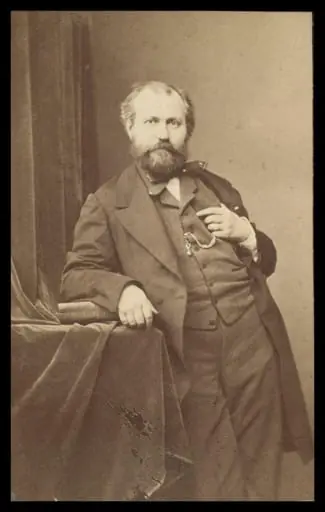 Guy Little Theatrical Photograph
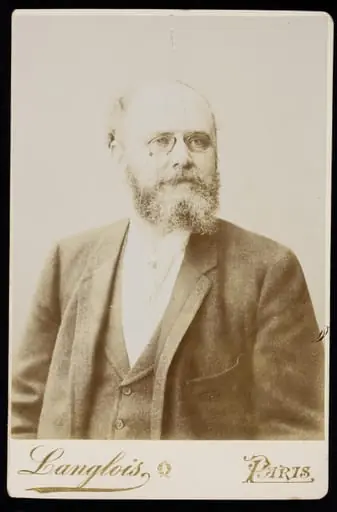 Frey, Julius
 Portrait of John Buchanan
 Nahum Capen, Esq., Postmaster of Boston
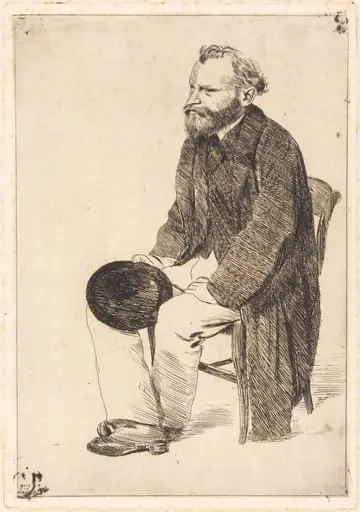 Manet Seated, Turned to the Left (Manet assis, tourné à gauche)
 Auguste Vacquerie
 Senator George Ellis Pugh of Ohio
 George Henry Smillie (1840-1921)
 Fletcher Webster, Esq., Surveyor of Boston
 Der Bildhauer Vincenz Pilz
 Isaac Fenno