Artwork
Staircase, Burlington House
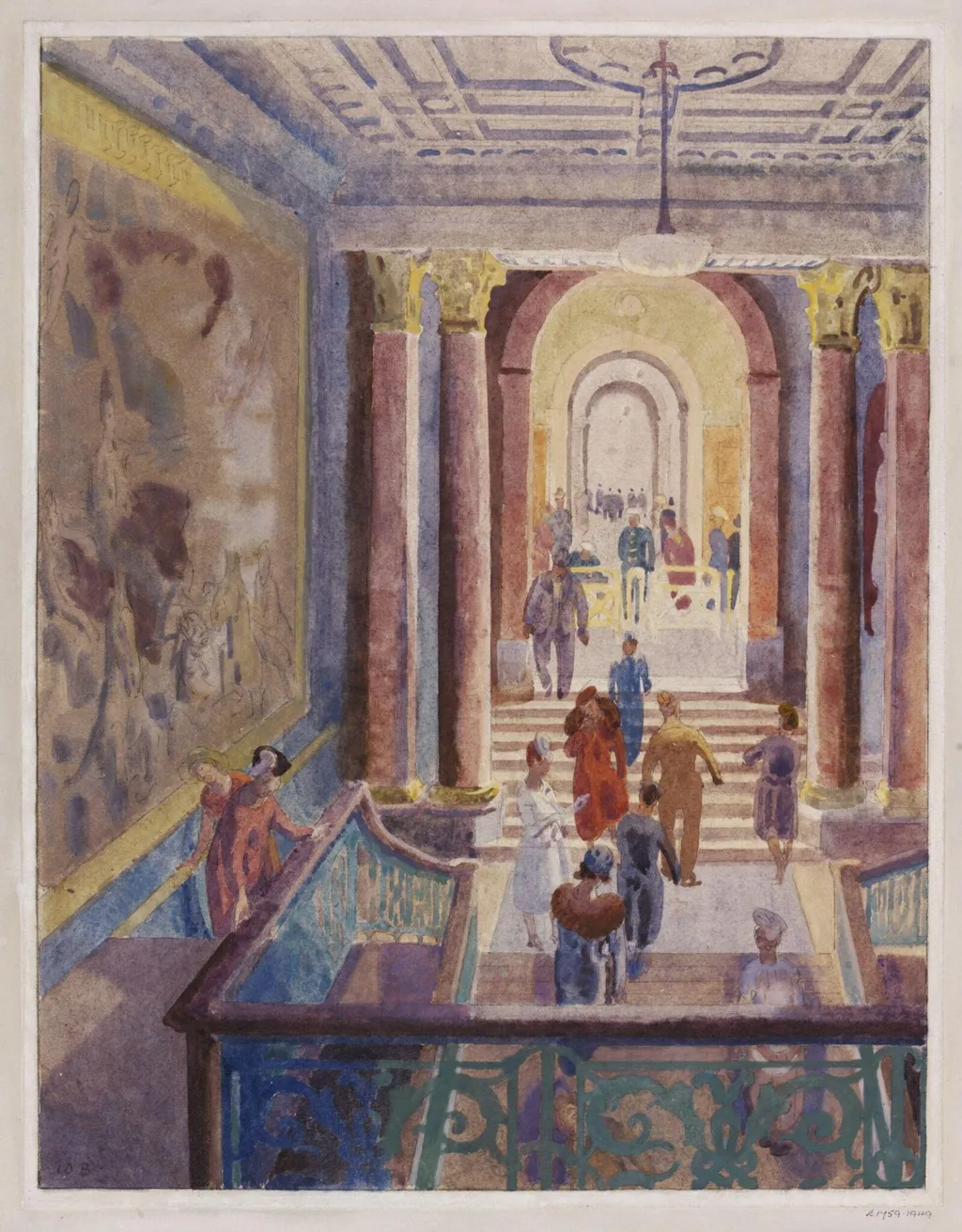
Staircase, Burlington House is a watercolor work on paper by the Abstract Expressionist artist Bayes. It dates from 1940 and is held in the collection of the Victoria and Albert Museum. This watercolour by John F.
About this work
Overview
Created under the 'Recording Britain' initiative, it forms part of a broader effort to document architectural and social spaces during wartime.
This watercolour by John F. Bayes, dated 1940, captures the interior staircase of Burlington House in London. Created under the 'Recording Britain' initiative, it forms part of a broader effort to document architectural and social spaces during wartime. The work reflects a deliberate focus on ordinary, enduring structures at a time of national uncertainty, preserving visual records of places that might be altered or lost.
Subject & Meaning
The scene portrays pedestrians moving up and down the staircase, their figures rendered with swift, unpolished strokes. The architecture—plain walls, modest ceiling patterns, and arched galleries—suggests a functional, civic space rather than a grand monument. The presence of people imbues the image with quiet vitality, emphasizing continuity in daily routines despite the upheavals of war.
Technique & Style
Bayes employed loose, fluid watercolour techniques to convey movement and immediacy. Figures are suggested with minimal detail, while architectural elements are defined with restrained lines and soft washes. Contrasting accents of red, blue, and yellow draw attention without overwhelming the muted tonality of the setting, reinforcing the sense of a fleeting, observed moment rather than a polished composition.
History & Provenance
Commissioned by the Committee for the Employment of Artists in Wartime and funded by the Pilgrim Trust, this work was one of over 1,500 produced between 1940 and 1943 by 97 artists. The project aimed to preserve visual records of Britain’s built environment during wartime disruption. Bayes’s contribution was part of this collective effort to document the nation’s physical and cultural landscape under stress.
Context
During the Second World War, many British landmarks faced threats from bombing and neglect. 'Recording Britain' emerged as a cultural preservation initiative, shifting focus from heroic narratives to the quiet resilience of everyday spaces. This watercolour reflects a broader national effort to affirm identity through the observation of ordinary architecture and public life.
Legacy
The 'Recording Britain' collection, including Bayes’s work, remains a vital historical archive held by the Victoria and Albert Museum. These watercolours offer a nuanced record of Britain’s architectural heritage during a period of profound change. They continue to inform studies of wartime culture, artistic response, and the role of art in societal memory.
Artist & collection
Artist
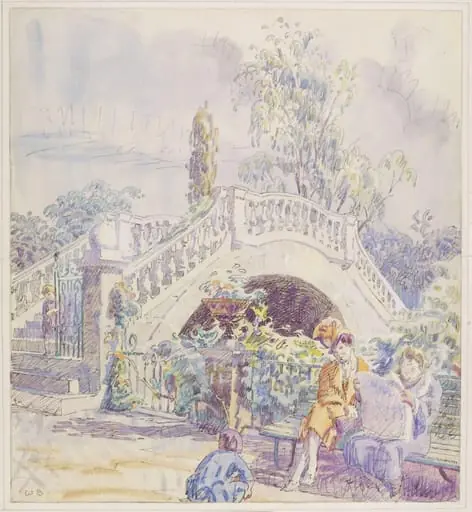
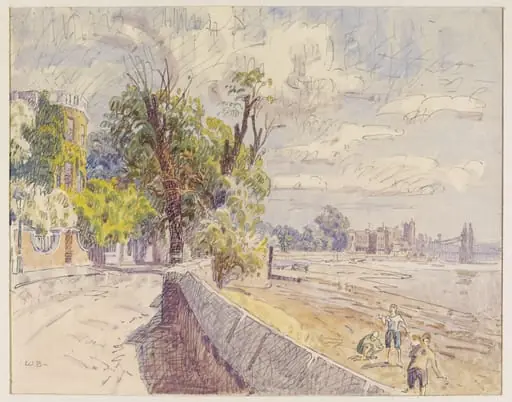
This artist painted watercolours around London in the 1940s. They captured quiet spots like The Gateway at Royal Naval College, Greenwich, The Garden at York House in Twickenham, and London Dock, Wapping. Each sheet…

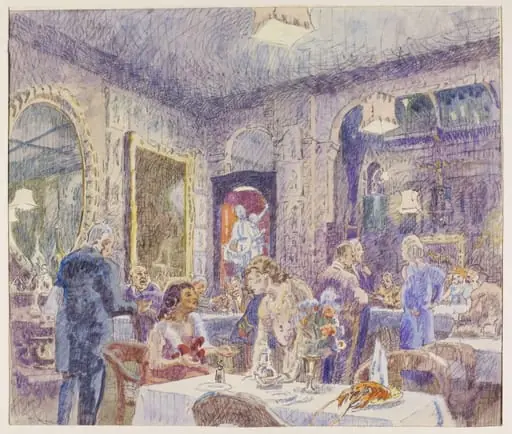 Rule's, 35 Maiden Lane, W.C.2.
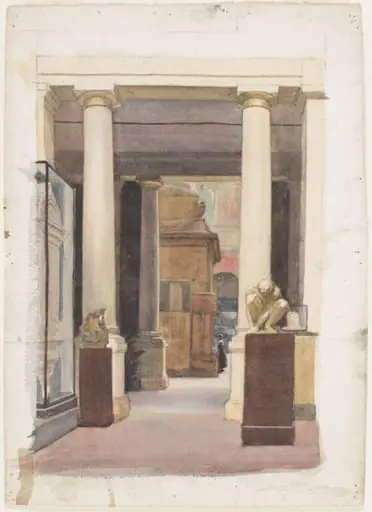 The entrance to the Cast Court containing Trajan's Column at the Victoria and Albert Museum
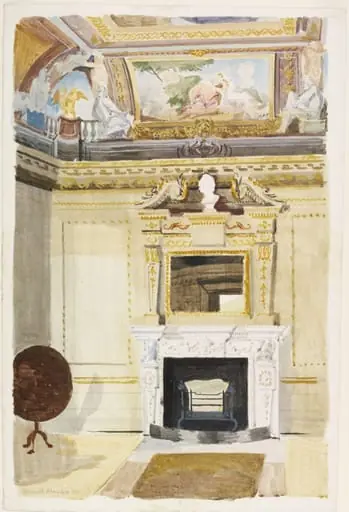 Interior of The Temple, Rievaulx Terrace, Yorkshire
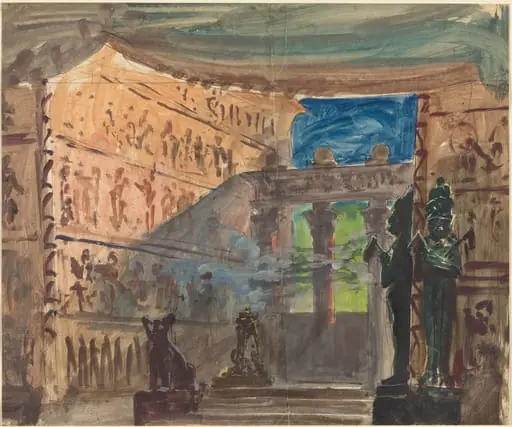 Interior of an Ancient Egyptian Temple
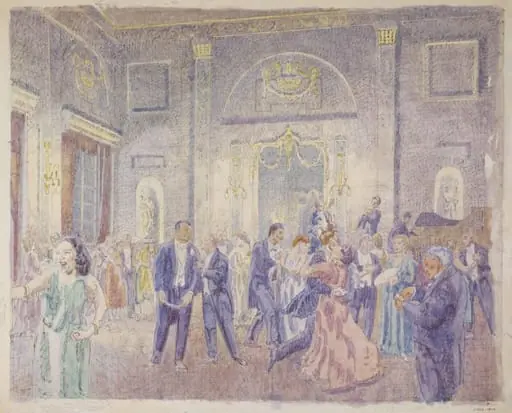 Ballroom at the Shire Hall, Chelmsford
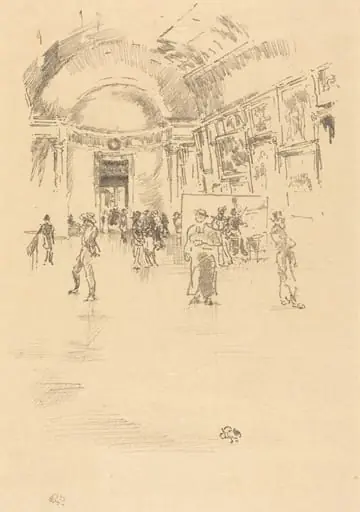 The Long Gallery, Louvre
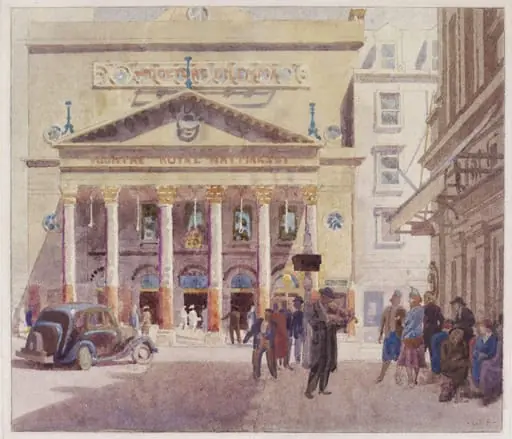 Porch of the Haymarket Theatre
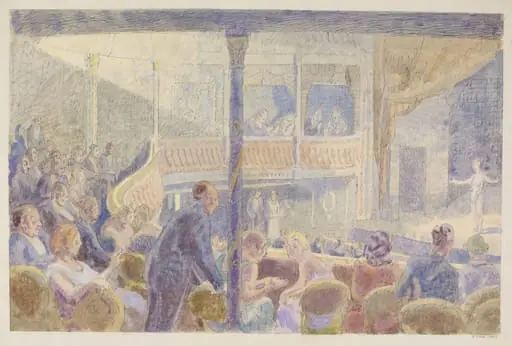 Interior of the Criterion Theatre
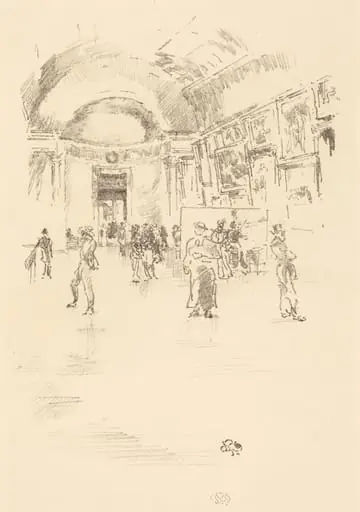 The Long Gallery, Louvre
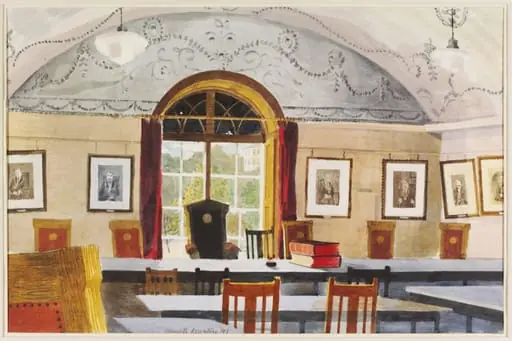 Council Chamber, Municipal Offices, Bangor, Caernarvonshire