Artwork
Bear Stung by Bees
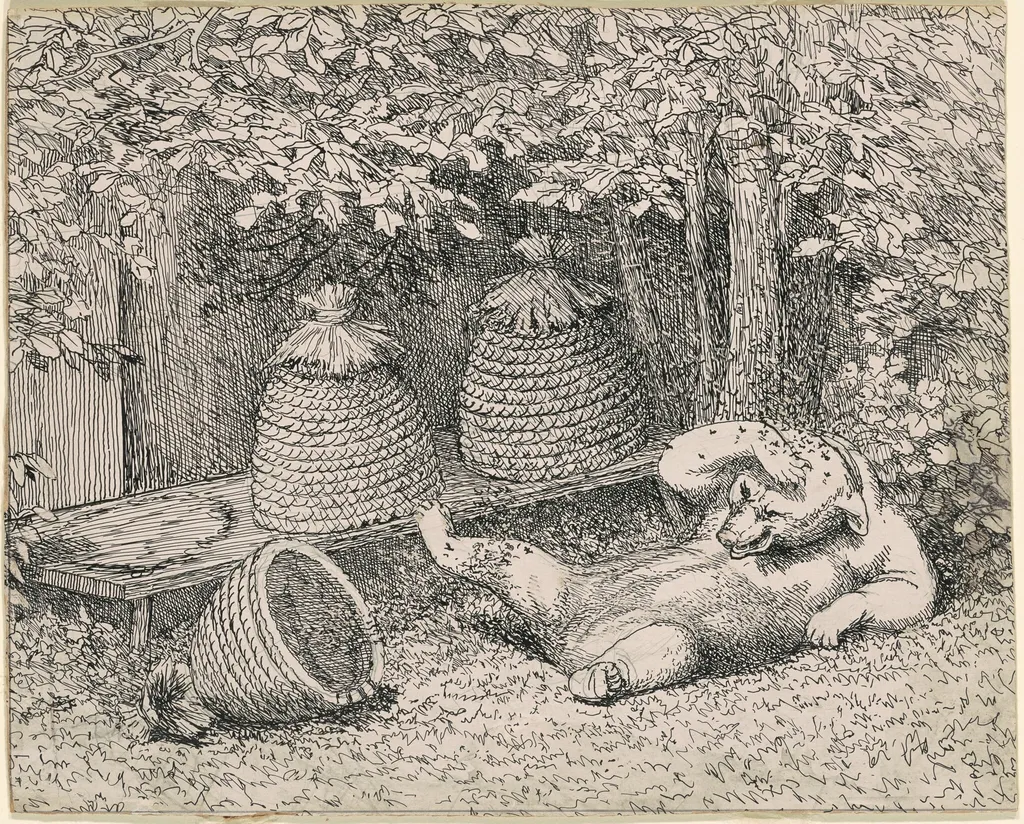
Bear Stung by Bees is an ink drawing by the Impressionist artist William Holbrook Beard. It dates from 1865 and is held in the collection of the National Gallery of Art.
About this work
Overview
Executed in pen and black ink over graphite on paperboard, the work belongs to a series of animal-themed drawings that explore anthropomorphic behavior.
Created in 1865, this ink drawing by William Holbrook Beard depicts a bear in apparent distress amid a swarm of bees. Executed in pen and black ink over graphite on paperboard, the work belongs to a series of animal-themed drawings that explore anthropomorphic behavior. Beard’s focus on wildlife in human-like scenarios reflects a broader 19th-century interest in using animals to comment on social and moral themes.
Subject & Meaning
The bear, reclining helplessly on its back, is surrounded by a chaotic cloud of bees, suggesting vulnerability and unintended consequence. The scene humorously inverts the natural order, casting the bear—a symbol of strength—as the victim of a tiny, relentless force. The presence of multiple hives implies human intervention, subtly critiquing the intrusion of civilization into the wild.
Technique & Style
Beard employs bold, fluid lines to define the bear’s form, contrasting with the rapid, staccato strokes used for the bees. Cross-hatching builds texture in the fur and bark, adding tactile depth without heavy shading. The composition is tightly packed, with the hive elevated on a wooden platform anchoring the scene. The ink’s precision captures motion and tension, enhancing the narrative immediacy.
History & Provenance
The drawing was produced during a period when Beard was actively exhibiting animal satires in New York. It likely served as a preparatory study or independent work for broader audiences, distinct from his larger oil paintings. While its early ownership is undocumented, it entered institutional collections in the 20th century, preserved as an example of American genre drawing.
Context
In mid-19th-century America, animal satire flourished in illustrated periodicals and popular prints. Beard’s work aligned with this trend, using humor to reflect human foibles through animal behavior. Unlike European traditions that idealized nature, his approach was grounded in observed realism, blending wit with a keen eye for natural detail.
Legacy
Beard’s drawings contributed to a uniquely American visual language that merged naturalism with satire. Though overshadowed by later movements, his work influenced illustrators and cartoonists who sought to convey narrative through expressive line and animal allegory. This piece remains a representative example of how 19th-century artists used the natural world to explore human themes.
Artist & collection
Artist
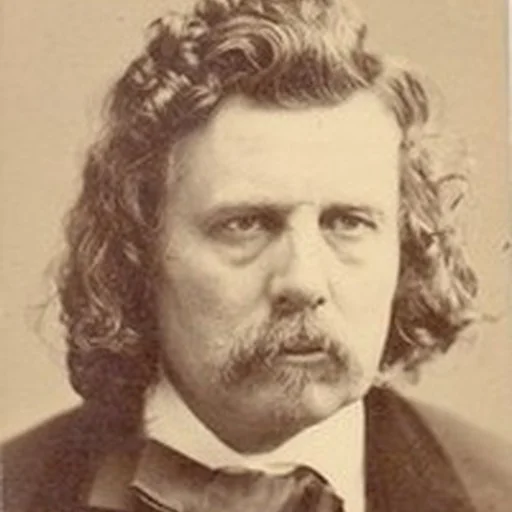
William Holbrook Beard (April 13, 1824 – February 20, 1900) was an American painter who is known best for his satirical paintings of beasts performing human-like activities.

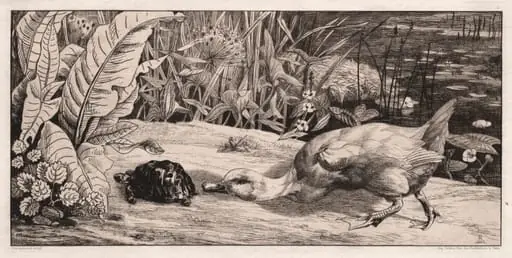 The Unknown
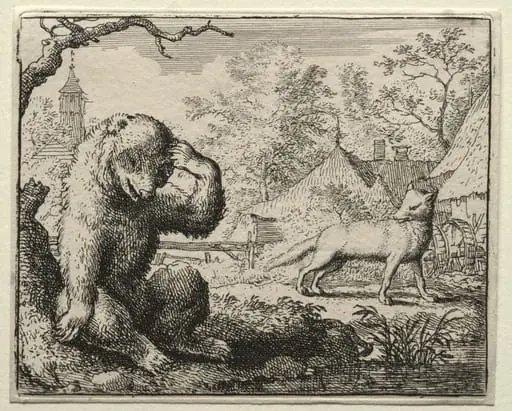 Reynard the Fox: Reynard Chides the Injured Bear
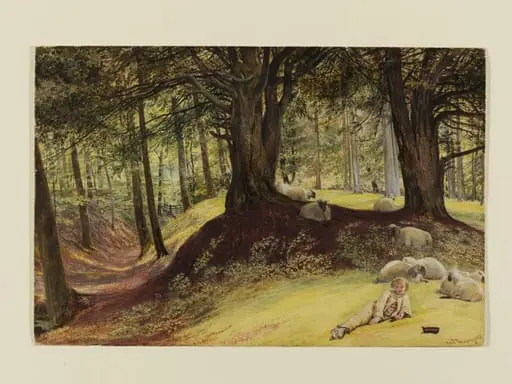 Parkhurst Woods, Abinger, Surrey
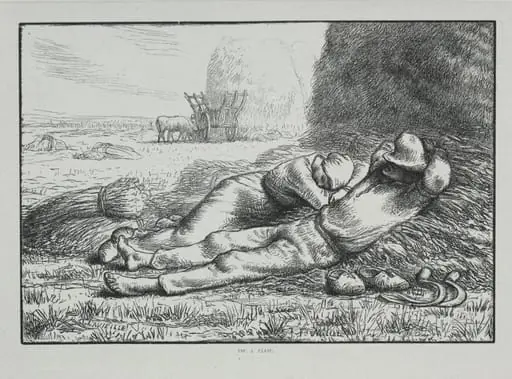 Four Hours of the Day: Noon
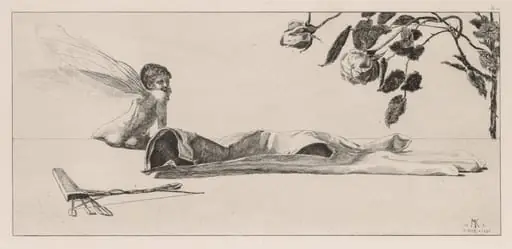 A Glove: Amor
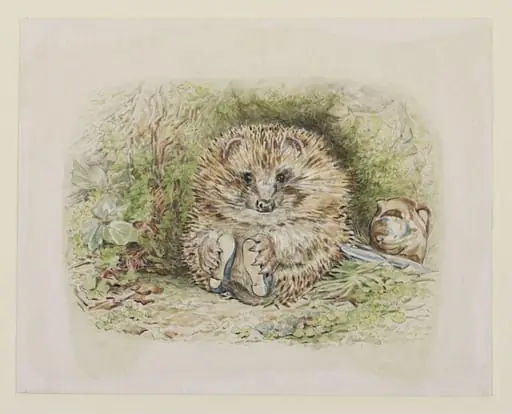 Old Mister Prickly Pin
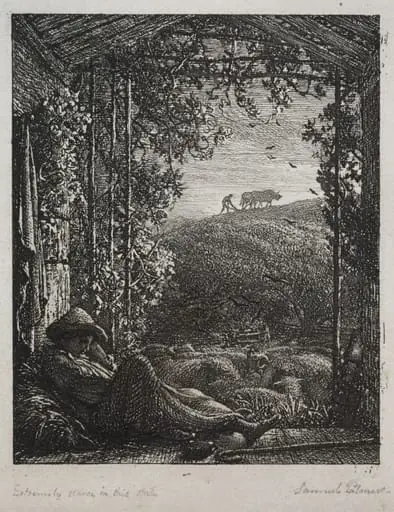 The Sleeping Shepherd
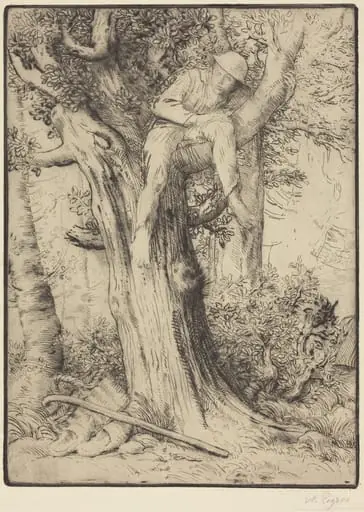 Landscape with a Boy in a Tree (Paysage avec un garcon grimpe sur un arbre, dite "Le denicheur d'oiseaux")
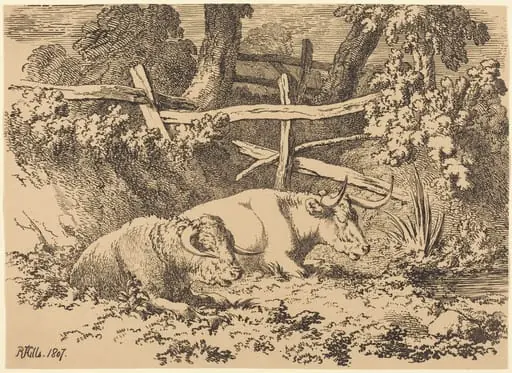 Cattle Resting
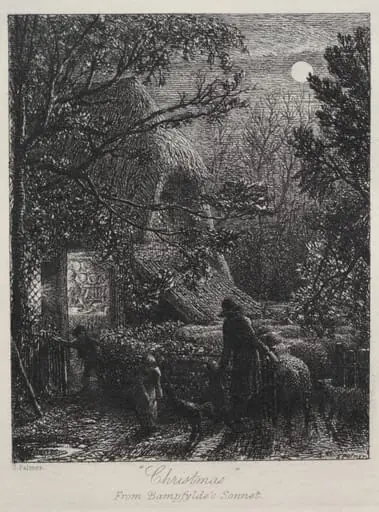 Christmas (Folding the Last Sheep)
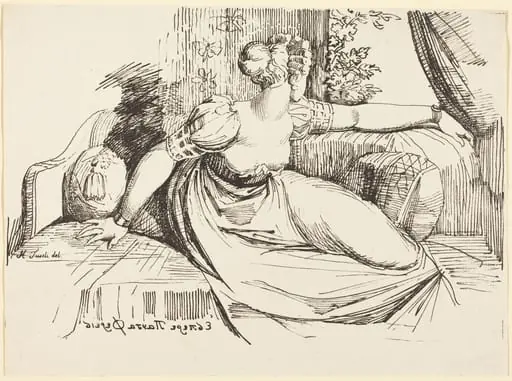 A Woman Sitting by the Window