Artwork
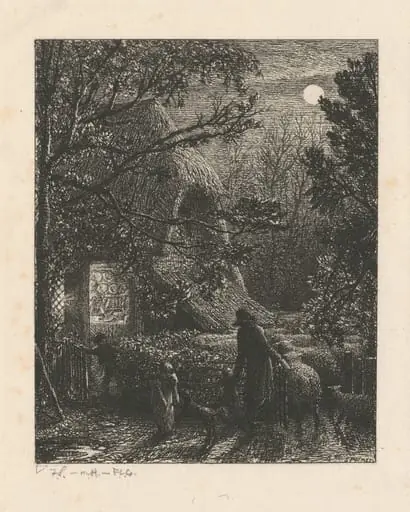
Christmas (Folding the Last Sheep)
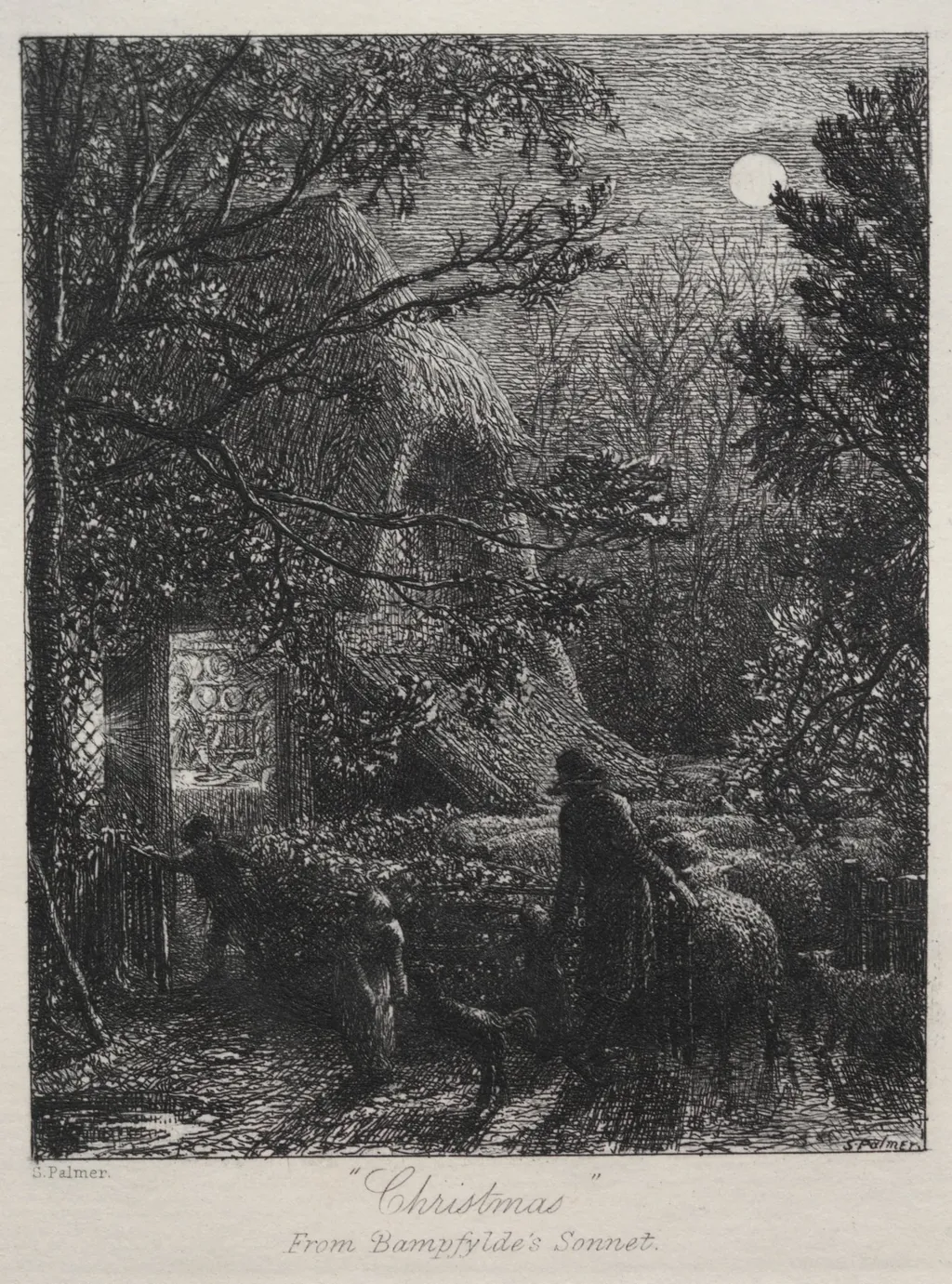
Christmas (Folding the Last Sheep) is a print by the Impressionist artist Samuel Palmer. It dates from 1850 and is held in the collection of the Cleveland Museum of Art.
About this work
Overview
Created in 1850, *Christmas (Folding the Last Sheep)* is a monochrome print by Samuel Palmer, a British artist associated with the Romantic movement.
Created in 1850, *Christmas (Folding the Last Sheep)* is a monochrome print by Samuel Palmer, a British artist associated with the Romantic movement. The work belongs to a series of intimate nocturnal scenes in which Palmer explored rural life through a lyrical, contemplative lens. Executed in etching and aquatint, it captures a quiet moment of rest, blending observed detail with an atmosphere of stillness and introspection.
Subject & Meaning
The image depicts a solitary figure seated by a window in a modest interior, illuminated by a soft glow from within. Outside, bare trees rise against a luminous moonlit sky, suggesting winter’s quietude. The title references a poem by Bampfylde, implying a narrative of closure or ritual—perhaps the end of a day’s labor or a symbolic act of gathering. The framed image on the wall adds a layer of domestic memory, deepening the sense of private contemplation.
Technique & Style
Palmer employed etching and aquatint to achieve subtle tonal gradations, creating a hushed, atmospheric effect. The composition relies on simplified forms and restrained detail, with light serving as both physical and emotional anchor. The contrast between the warm interior and the cool, expansive night enhances the sense of solitude. The work’s sketchlike quality suggests spontaneity, yet every line is deliberate, reflecting Palmer’s mastery of printmaking to evoke mood over narrative.
History & Provenance
The print was produced in 1850 during a period when Palmer was moving away from the mystical landscapes of his early years toward more subdued, domestic subjects. It entered the Cleveland Museum of Art’s collection in the 20th century, where it remains part of a broader holding of British prints from the Romantic era. Its preservation reflects its significance as an example of Palmer’s later, more introspective phase.
Context
Palmer’s work emerged in response to industrialization and the loss of rural idylls. While earlier pieces were infused with visionary symbolism, *Christmas (Folding the Last Sheep)* reflects a quieter, more personal spirituality tied to everyday moments. His engagement with poetry and religious sentiment informed this shift, aligning his art with broader 19th-century interests in domestic tranquility and nature’s quiet dignity.
Legacy
Though less widely known than his contemporaries, Palmer’s prints influenced later generations of British artists drawn to intimate, mood-driven imagery. His ability to convey emotional depth through minimal means helped redefine the potential of printmaking as a medium for poetic expression. *Christmas (Folding the Last Sheep)* endures as a quiet testament to his enduring focus on solitude, light, and the sacred in ordinary life.
Artist & collection
Artist
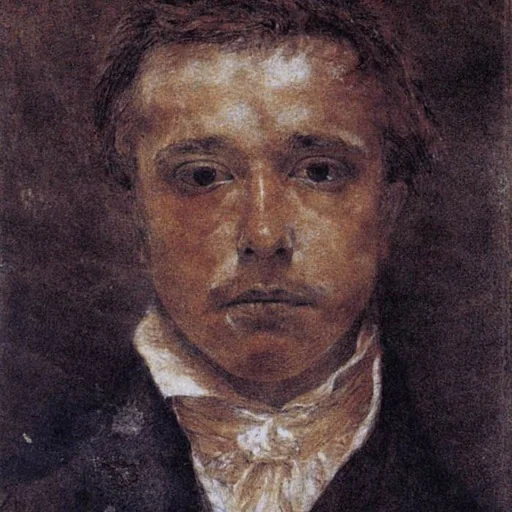
Samuel Palmer Hon.RE (Hon. Fellow of the Society of Painter-Etchers) (27 January 1805 – 24 May 1881) was a British landscape painter, etcher and printmaker. He was also a prolific writer. Palmer was a key figure in…

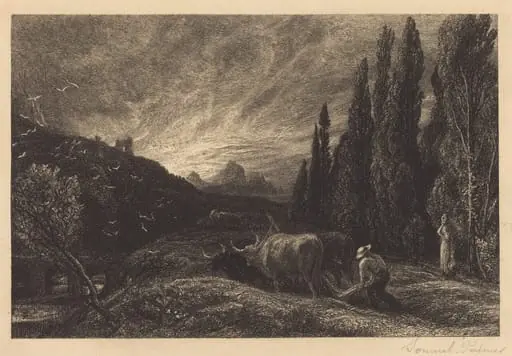
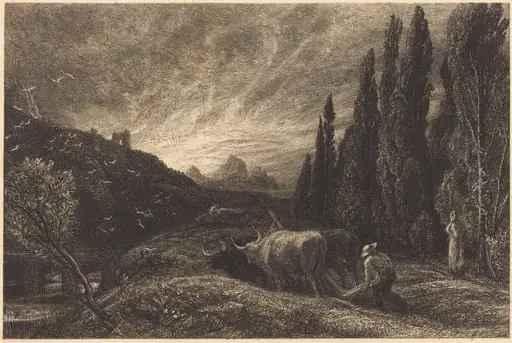
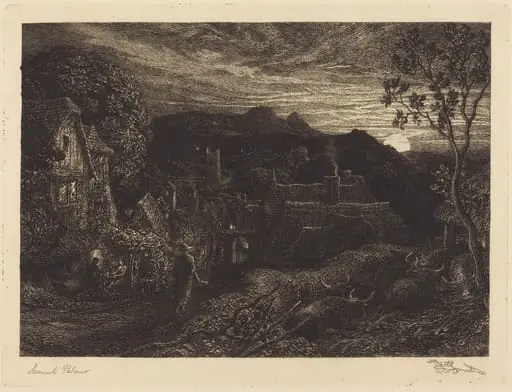
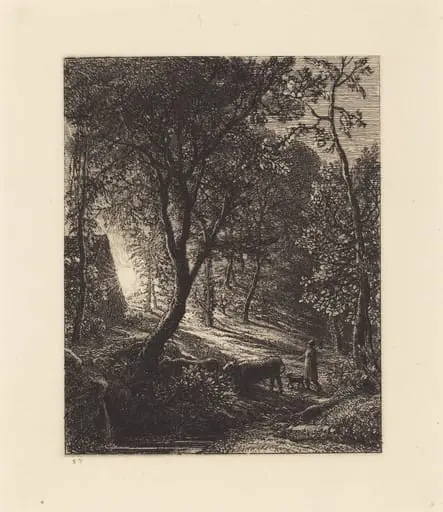
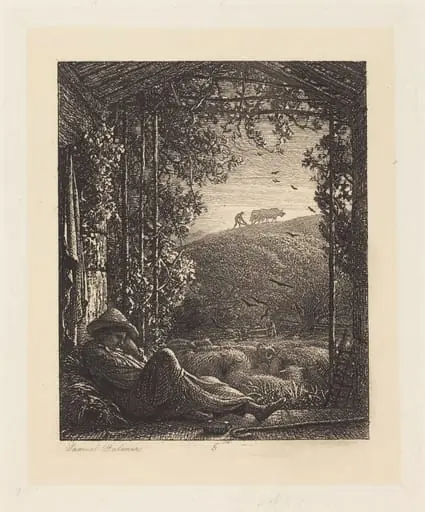
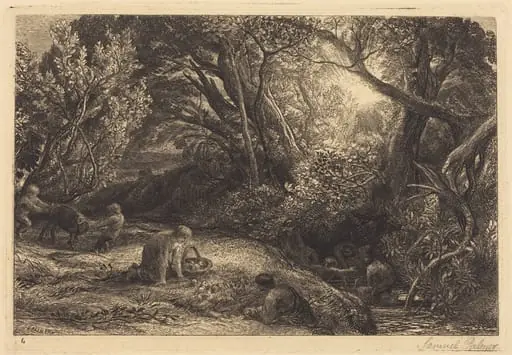
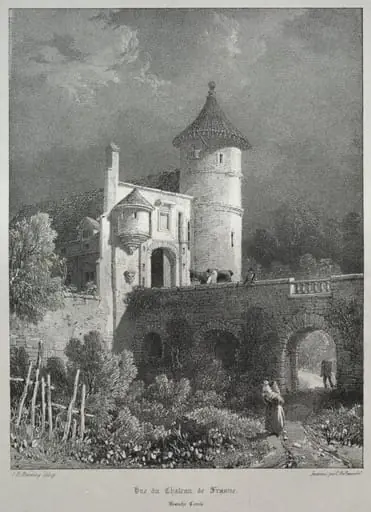 Voyages pittoresques et romantiques dans l'ancienne France. Franche-Comté: Vue du Château de Frasne
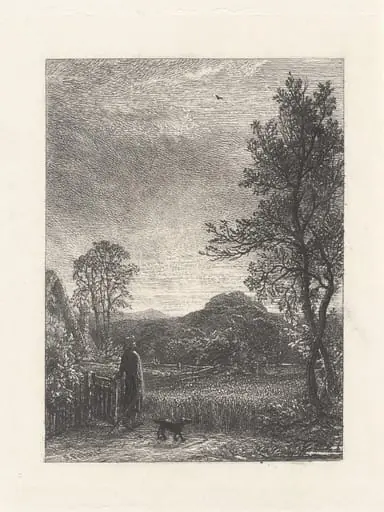 The Skylark
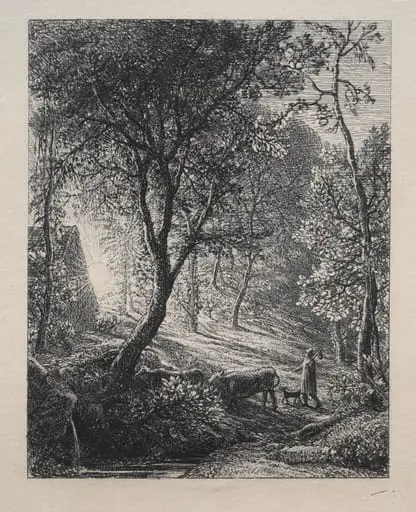 The Herdsman's Cottage
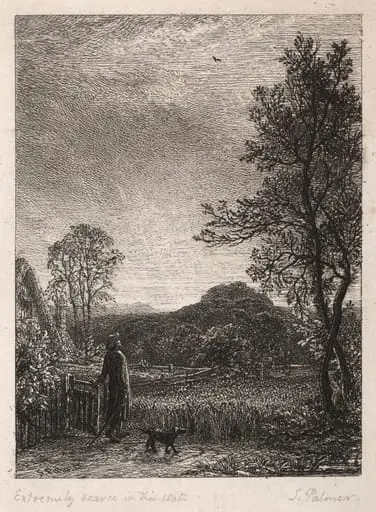 The Skylark
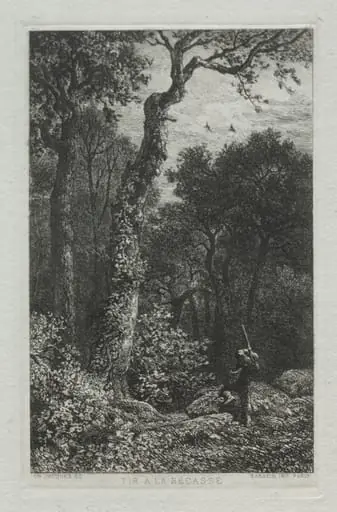 Shooting the Woodcock
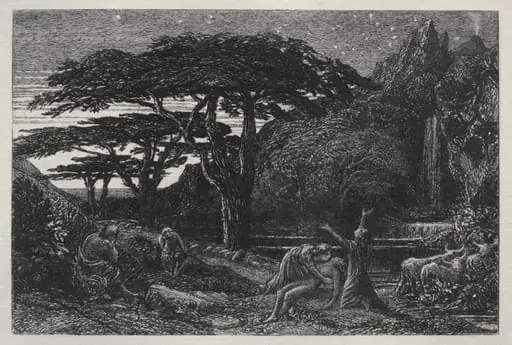 The Cypress Grove
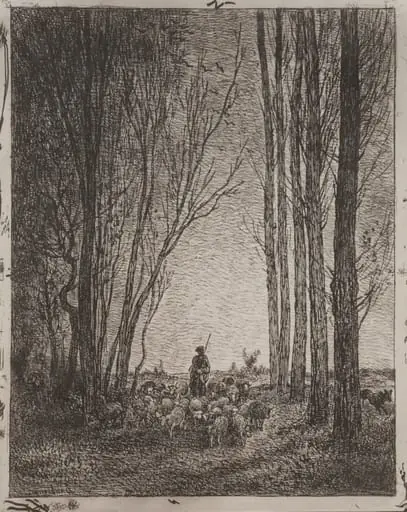 Gathering in the Flock
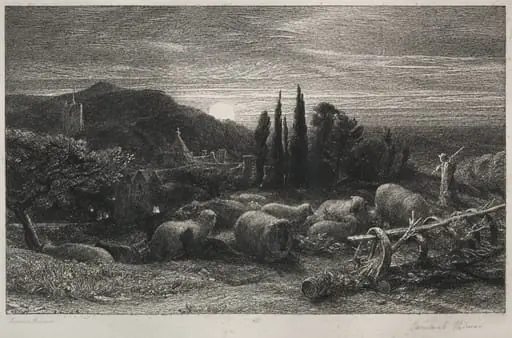 The Rising Moon
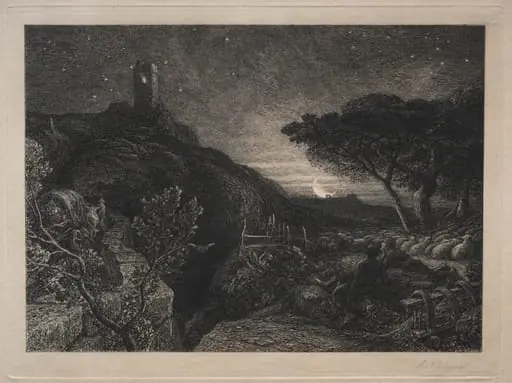 The Lonely Tower
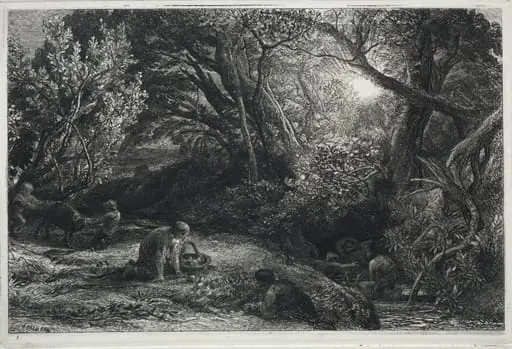 The Morning of Life
 The Sleeping Shepherd
 Christmas, or Folding the Last Sheep