Artwork
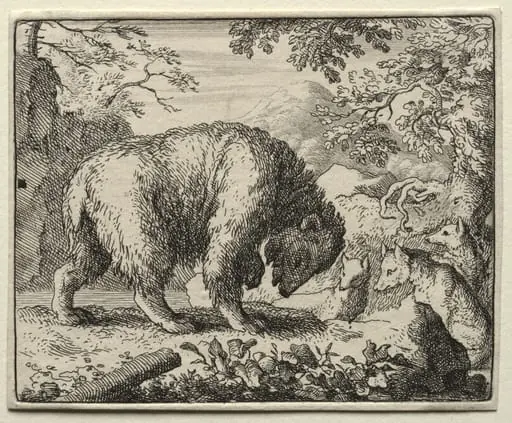
Reynard the Fox: Reynard Chides the Injured Bear
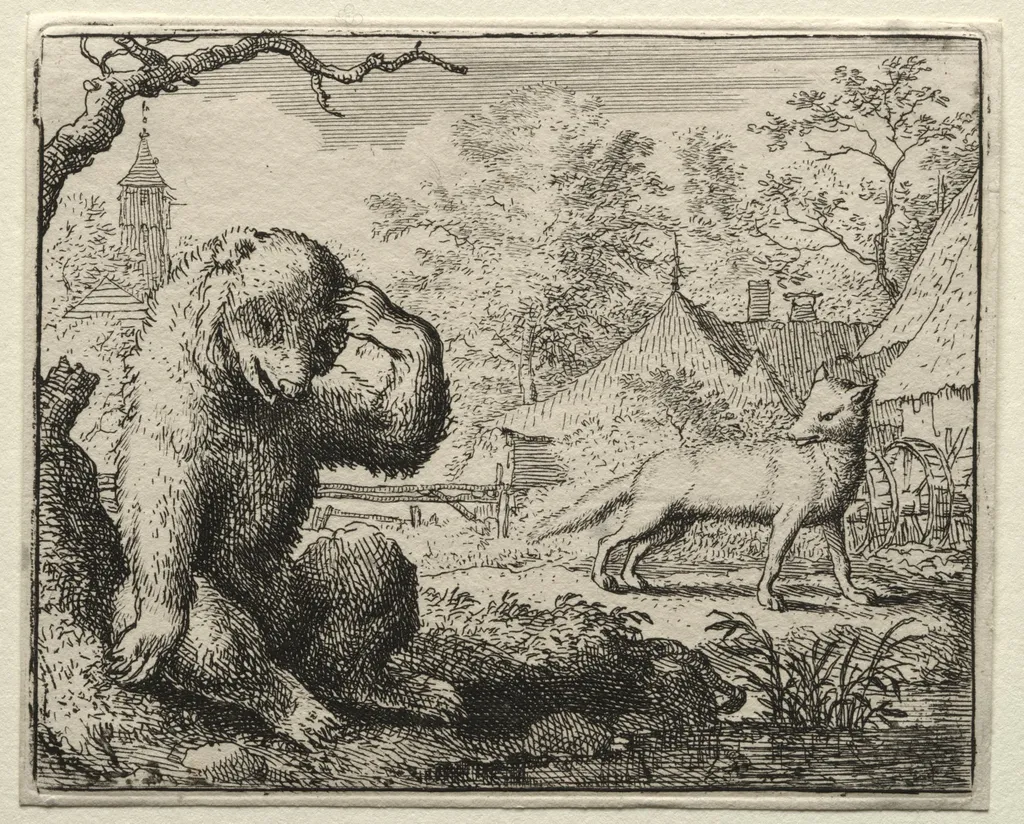
Reynard the Fox: Reynard Chides the Injured Bear is a print by the Baroque artist Allart van Everdingen. It dates from 1662 and is held in the collection of the Cleveland Museum of Art.
About this work
Overview
Van Everdingen’s mastery of printmaking techniques allowed for nuanced textures and atmospheric depth, distinguishing this work within his oeuvre.
Created in 1662 by Dutch artist Allart van Everdingen, this print is part of a series depicting scenes from the medieval Reynard the Fox fables. Executed in etching and mezzotint, it captures a moment of verbal confrontation between the fox and a wounded bear. Van Everdingen’s mastery of printmaking techniques allowed for nuanced textures and atmospheric depth, distinguishing this work within his oeuvre. The piece resides in the collection of The Cleveland Museum of Art.
Subject & Meaning
The scene illustrates a moment of moral irony: Reynard, the sly fox, admonishes the bear after the latter has been injured—likely by Reynard’s own doing. The fable critiques social hypocrisy and the abuse of power, common themes in medieval beast epics. The bear’s posture suggests vulnerability, while the fox’s upright stance conveys calculated superiority. The setting, with its distant village and waterwheel, grounds the allegory in everyday rural life.
Technique & Style
Van Everdingen employed etching and mezzotint to achieve fine gradations of tone and texture. The figures are rendered with expressive linework, while the background landscape is delicately etched to suggest depth without overwhelming the narrative. Light falls sharply on the central pair, enhancing their emotional tension. The style reflects Baroque sensibilities—dramatic contrasts, kinetic energy, and psychological nuance—adapted to the intimate scale of printmaking.
History & Provenance
The print was produced during Van Everdingen’s mature period, when he was actively engaged in illustrating literary and folk narratives. It entered The Cleveland Museum of Art’s collection in the 20th century, likely through a broader acquisition of Dutch graphic works. Its survival in good condition reflects its historical value as both an artistic and literary artifact from the Dutch Golden Age.
Context
Reynard the Fox tales circulated widely across Europe in manuscript and print form, often serving as satirical commentaries on human behavior through animal characters. In 17th-century the Netherlands, such stories retained cultural relevance, resonating with audiences familiar with moral allegory and social critique. Van Everdingen’s series contributed to a revival of interest in these medieval narratives through visual art.
Legacy
Van Everdingen’s Reynard series helped preserve and reinterpret a medieval literary tradition for early modern audiences. His prints influenced later illustrators of fables and contributed to the recognition of printmaking as a medium capable of complex storytelling. Though less known today than his landscape works, this series remains a significant example of narrative graphic art from the Dutch Golden Age.
Artist & collection
Artist
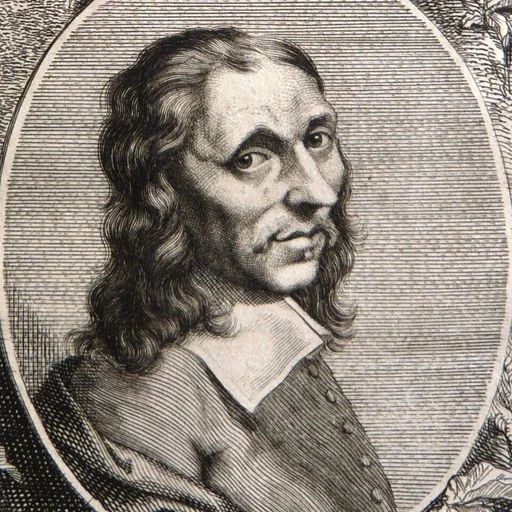
Allaert van Everdingen (Dutch pronunciation: ; bapt. 18 June 1621 – 8 November 1675 (buried)), was a Dutch Golden Age painter and printmaker in etching and mezzotint.


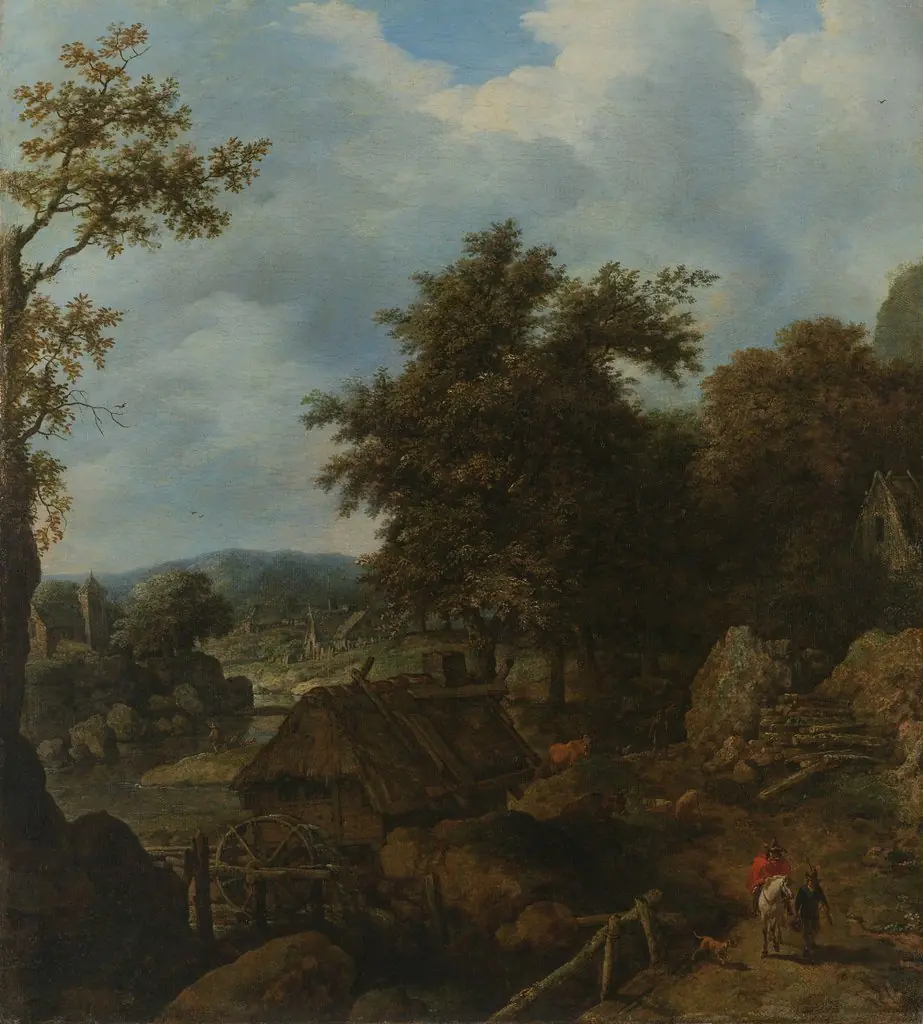
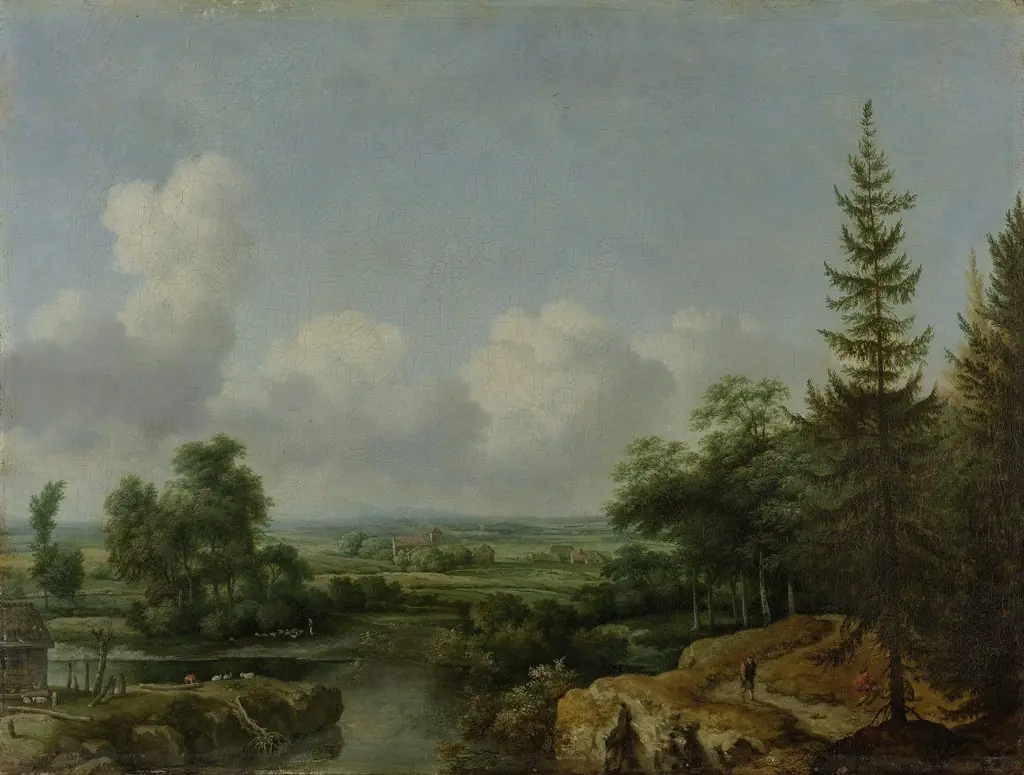
 Reynard the Fox: Reynard Promises Honey to the Bear
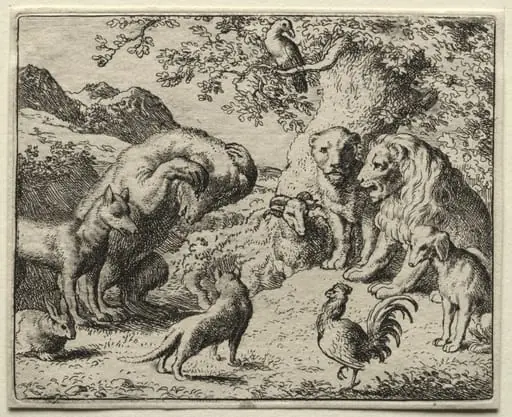 Reynard the Fox: The Complaint of the Bear
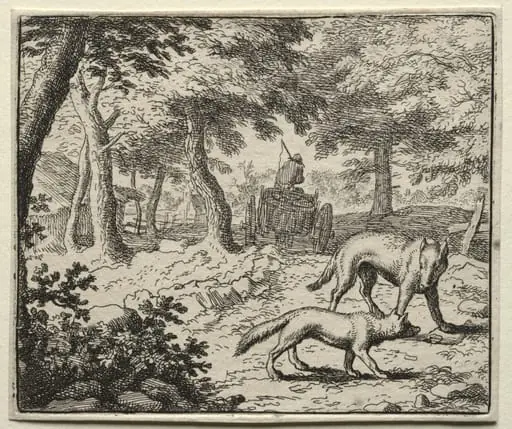 Reynard the Fox: The Badger's Defense of Reynard
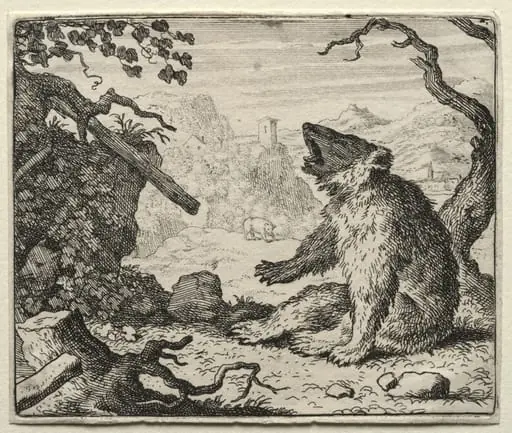 Reynard the Fox: The Bear Calls Reynard to Court
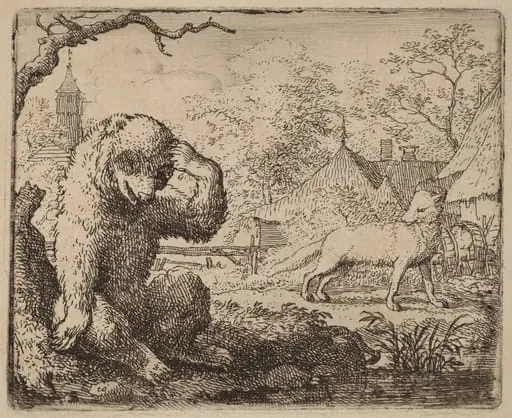 Reynard Mocks the Woeful Bear
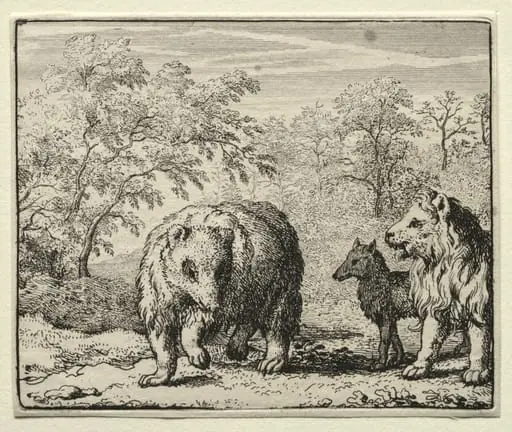 Reynard the Fox: The Freeing of the Wolf and the Bear
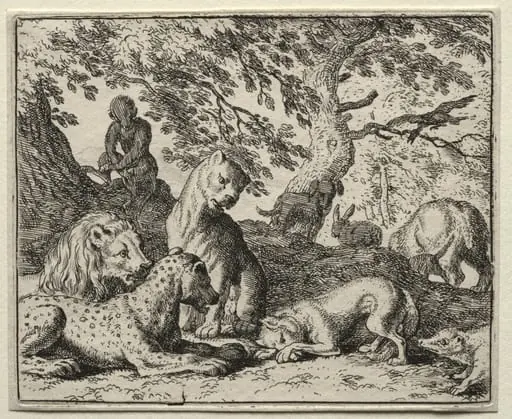 Reynard the Fox: Reynard Describes a False Plot Against the Lion