Artwork
Cotton sedge with white wildflowers
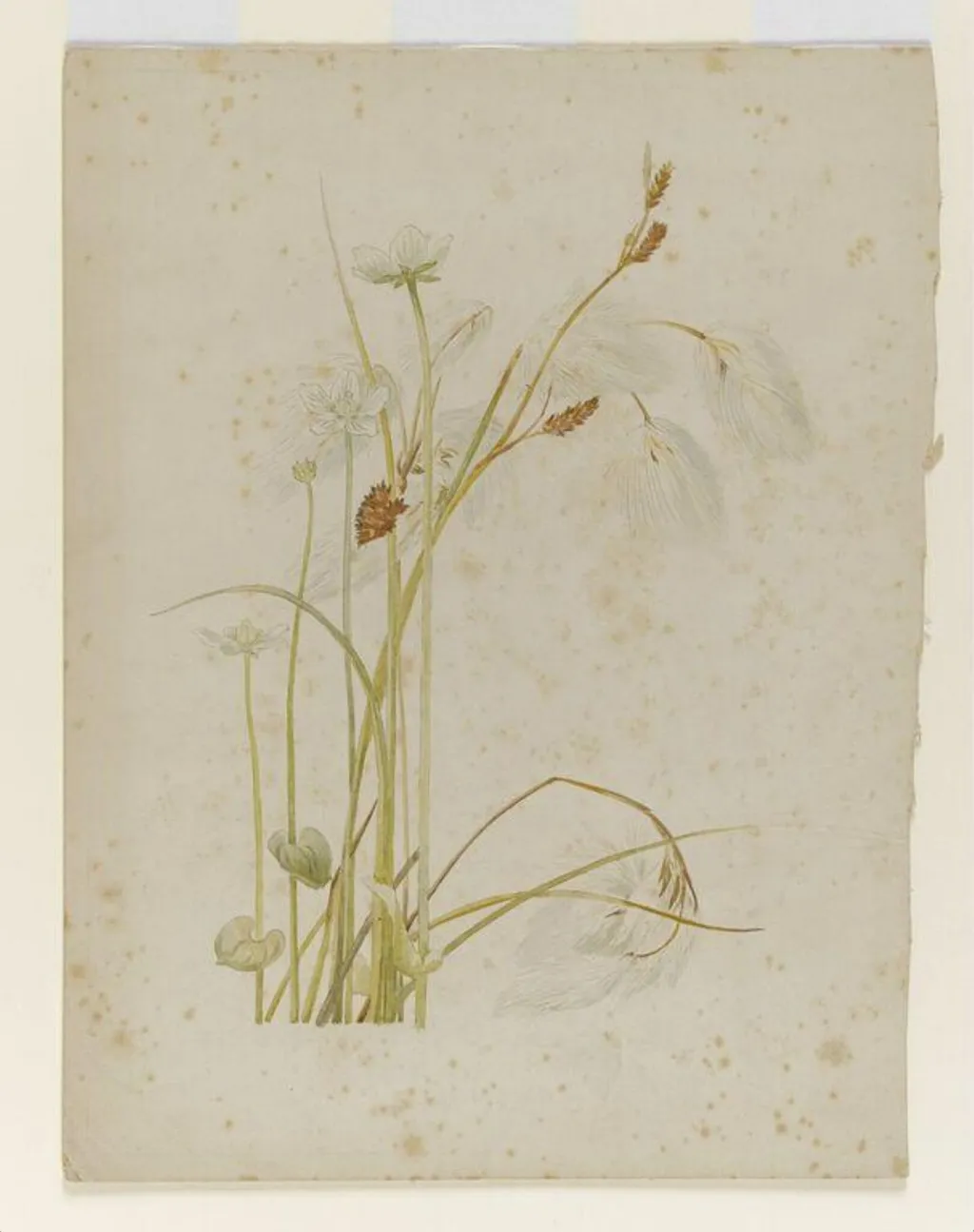
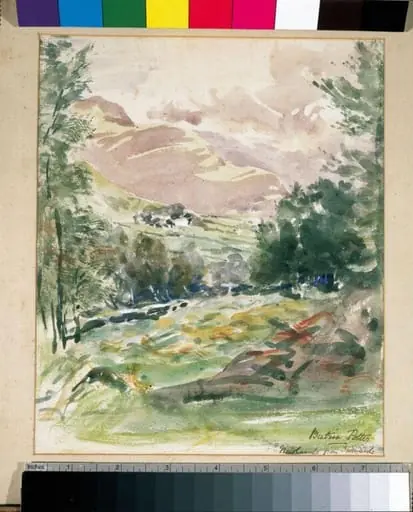
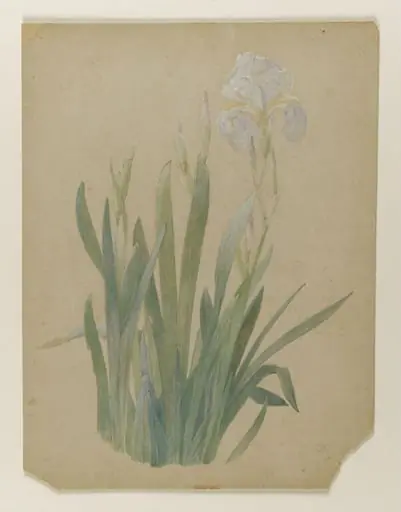
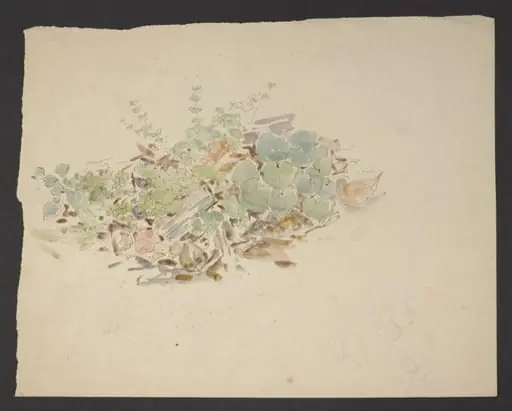
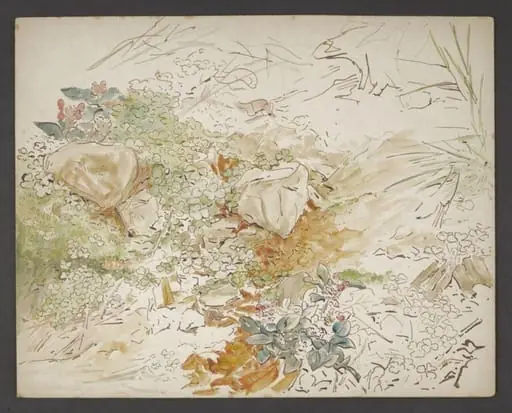
Cotton sedge with white wildflowers is a watercolor work on paper by Beatrix Potter. It dates from 1850 and is held in the collection of the Victoria and Albert Museum. This watercolour depicts cotton sedge alongside small white wildflowers, rendered with precise, quiet detail.
About this work
Beatrix Potter was known for her children's books and illustrations, including The Tale of Peter Rabbit.
Beatrix Potter created a watercolour piece called Cotton sedge with white wildflowers. It's a floral work from the late 19th century to early 20th century.
Beatrix Potter was known for her children's books and illustrations, including The Tale of Peter Rabbit. She spent time drawing pets and plants during her childhood and summer holidays.
You can learn more about her style and other works at the Victoria and Albert Museum.
Overview
This watercolour depicts cotton sedge alongside small white wildflowers, rendered with precise, quiet detail. Created by Beatrix Potter in the late 19th or early 20th century, it reflects her deep engagement with natural observation outside of her literary work. The piece belongs to a broader series of botanical studies she produced during her formative years, demonstrating her commitment to recording plant life with scientific accuracy.
Subject & Meaning
The painting focuses on common wetland flora—cotton sedge and unnamed white blossoms—chosen for their ecological presence rather than ornamental appeal. Potter’s selection suggests an interest in unassuming native species, reflecting her broader curiosity about Britain’s rural ecosystems. These studies were not decorative but served as records, grounding her later fictional landscapes in authentic botanical detail.
Technique & Style
Potter employed fine brushwork and layered watercolour washes to capture subtle variations in texture and light. Her technique shows influence from scientific illustration: clean outlines, muted tones, and careful attention to leaf structure and flower form. There is no embellishment; each stroke serves observation, revealing a disciplined approach shaped by her study of natural history specimens under magnification.
History & Provenance
Created during Potter’s youth, likely between the 1880s and 1900s, this work emerged from her personal collection of natural specimens and field sketches made during summer holidays in the Lake District and Scotland. Many such studies were preserved in her private albums and later donated to institutions, including the Victoria and Albert Museum, where they remain part of her archival legacy.
Context
At a time when women’s scientific pursuits were often marginalized, Potter pursued natural history with rigor, corresponding with mycologists and studying fungi at the Natural History Museum. Her botanical drawings were not merely preparatory for illustration but held independent value as contributions to ecological documentation, aligning her with amateur naturalists of the Victorian era.
Legacy
These early studies directly informed the botanical accuracy of her children’s books, lending credibility to the settings of Peter Rabbit and others. Though best known for fiction, her scientific drawings reveal a parallel career in natural observation. Today, they are valued not only as precursors to her literary work but as thoughtful records of late-Victorian rural flora.
Artist & collection
Artist
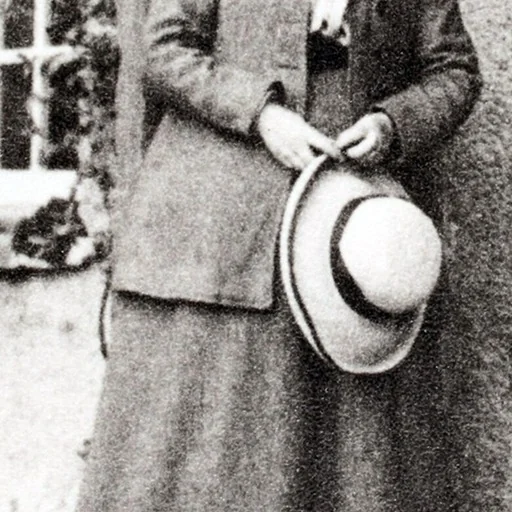
Helen Beatrix Heelis (née Potter; 28 July 1866 – 22 December 1943), usually known as Beatrix Potter ( BEE-ə-triks), was an English writer, illustrator, natural scientist, and conservationist.