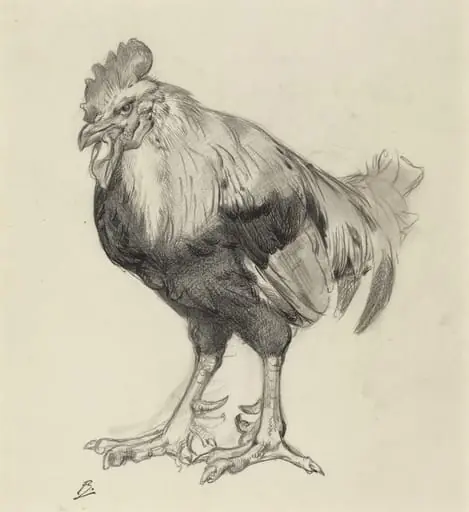
Artwork
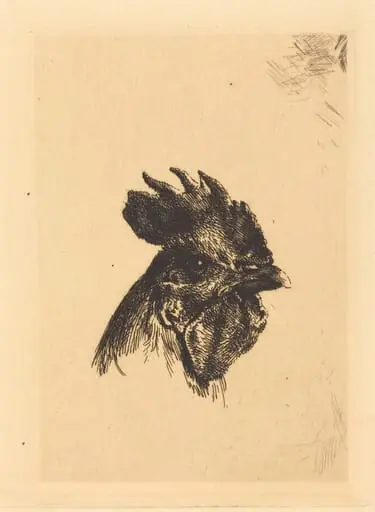
Head of a dead hen
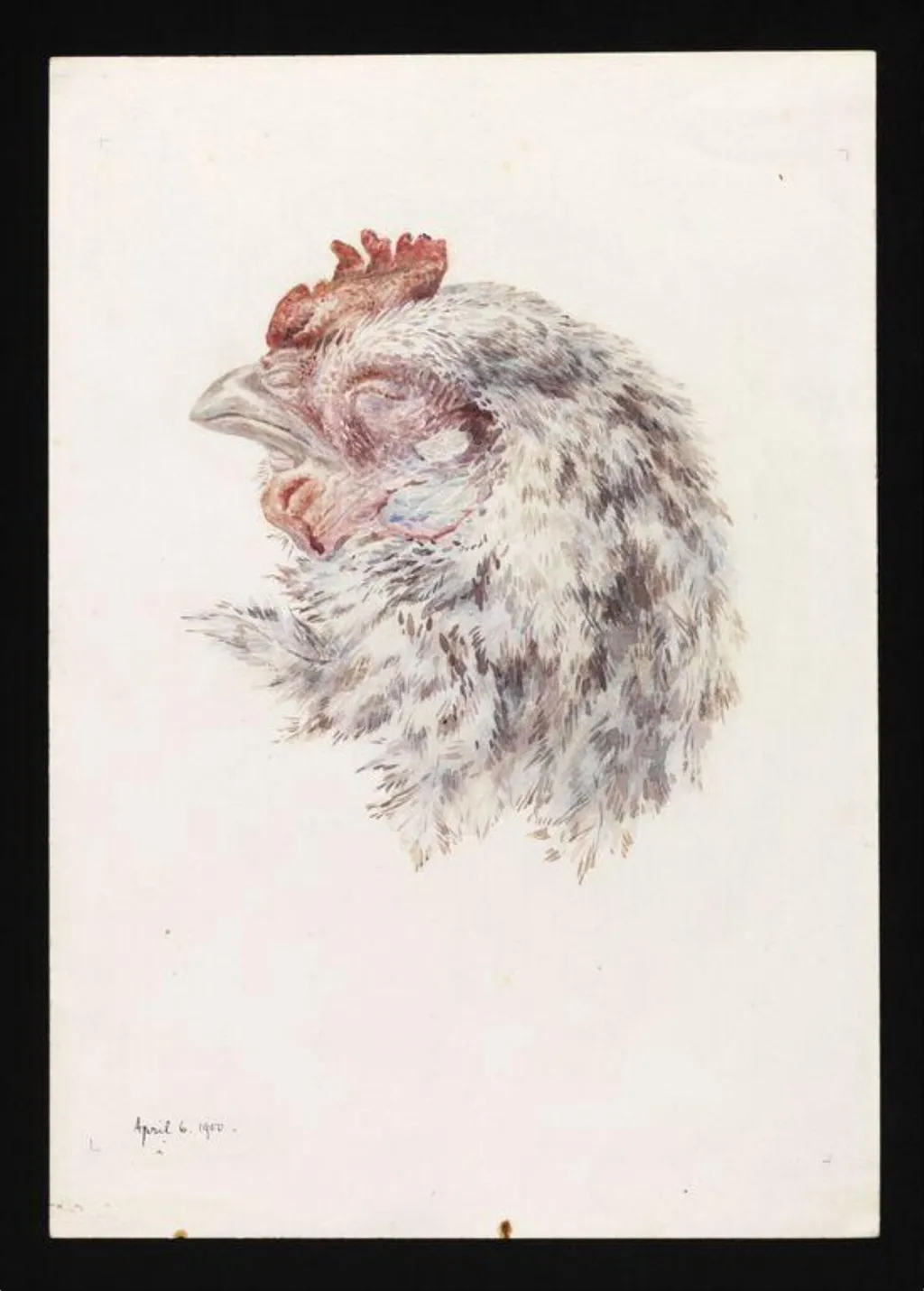
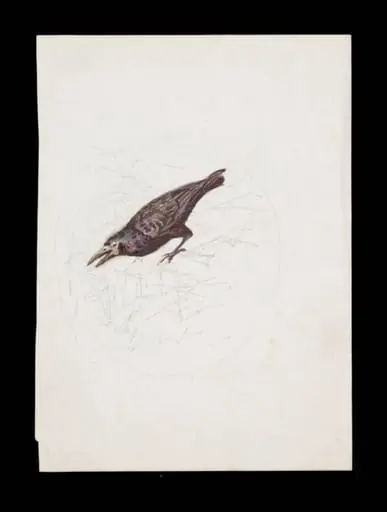
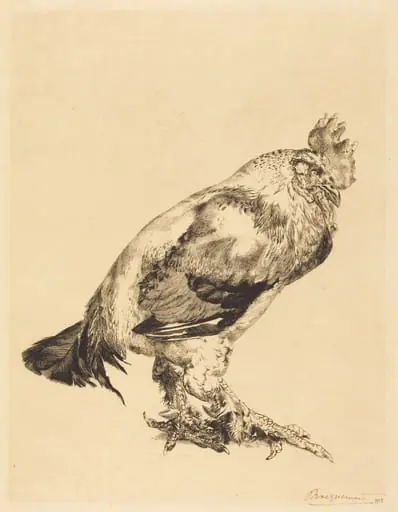
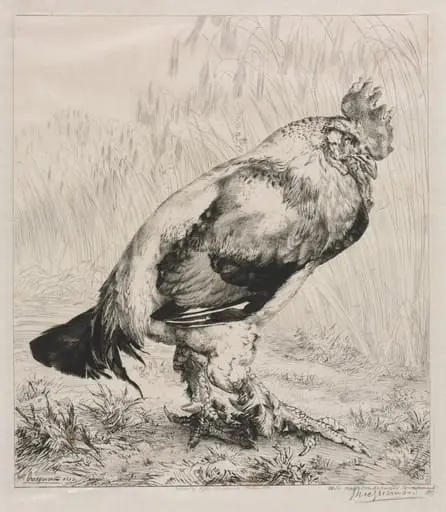
Head of a dead hen is a watercolor work on paper by the Post-Impressionist artist Beatrix Potter. It dates from 6 and is held in the collection of the Victoria and Albert Museum.
About this work
Overview
This watercolour depicts the head of a deceased hen, rendered with the precise observational style characteristic of Beatrice Potter’s naturalistic studies. The work exemplifies her practice of documenting animal forms with scientific accuracy, using watercolor to capture subtle textures and coloration.
Subject & Meaning
The subject is a lifelike representation of a hen’s head, presented without embellishment, reflecting Potter’s interest in the anatomical details of domestic birds. The study serves as a visual record rather than a narrative illustration, emphasizing observation over storytelling.
Technique & Style
Executed in watercolor, the piece employs fine brushwork and delicate washes to convey the soft plumage and the sheen of the beak. Potter’s use of magnification tools informed the rendering of minute features, resulting in a clear, almost taxonomic illustration.
History & Provenance
Created during Potter’s early artistic period, the study aligns with her broader body of work that includes sketches of pets and rural fauna. It likely originated from her personal collection of natural history studies, which she amassed while exploring museum specimens and field observations.
Context
Potter’s lifelong engagement with natural history, fostered by childhood drawing of household animals and later visits to the Natural History Museum, informed this work. The study reflects the Victorian‑era tradition of scientific illustration, bridging artistic skill and biological documentation.
Artist & collection
Artist
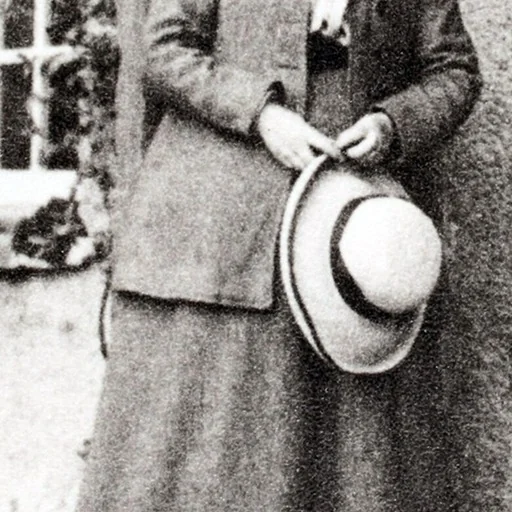
Helen Beatrix Heelis (née Potter; 28 July 1866 – 22 December 1943), usually known as Beatrix Potter ( BEE-ə-triks), was an English writer, illustrator, natural scientist, and conservationist.