Artwork
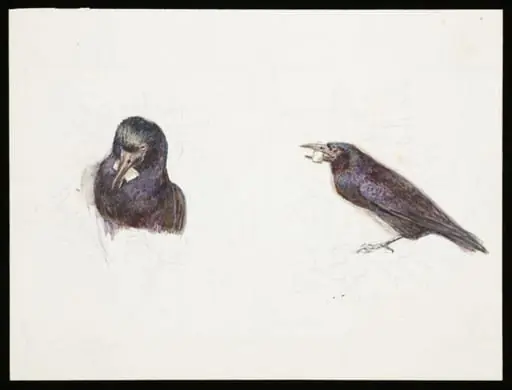
Study of a crow, with a faintly sketched background
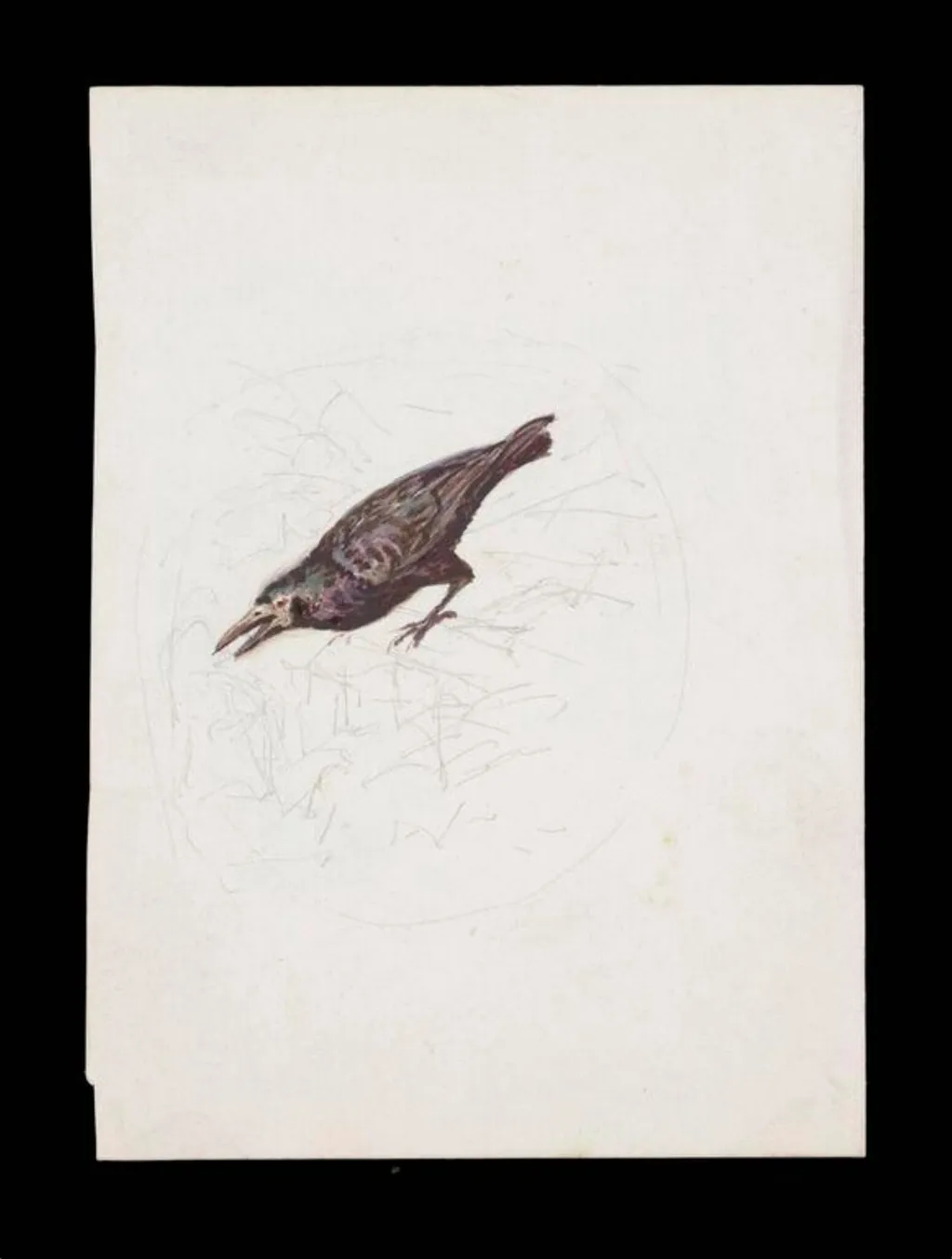
Study of a crow, with a faintly sketched background is a watercolor work on paper by Beatrix Potter. It dates from 1919 and is held in the collection of the Victoria and Albert Museum.
About this work
Beatrix Potter’s *Study of a crow, with a faintly sketched background* is a small watercolour from 1919. It shows the careful attention she gave to animal forms.
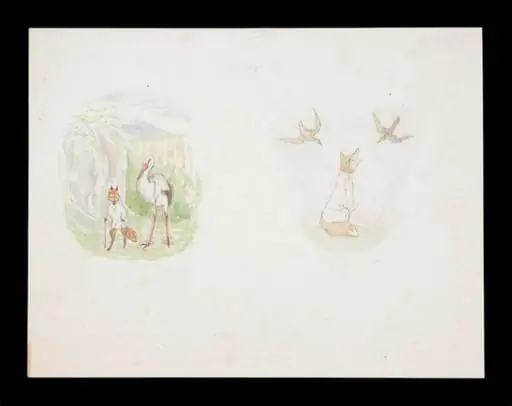
Before Peter Rabbit, she drew animals for Aesop’s fables. These early studies reveal her sharp eye for posture and detail. Potter often worked in quiet moments, not for fame.
Check out more Beatrix Potter.
Overview
This small watercolour, Study of a crow, with a faintly sketched background, was created by Beatrix Potter in 1919. It showcases her attention to detail in depicting animal forms.
Subject & Meaning
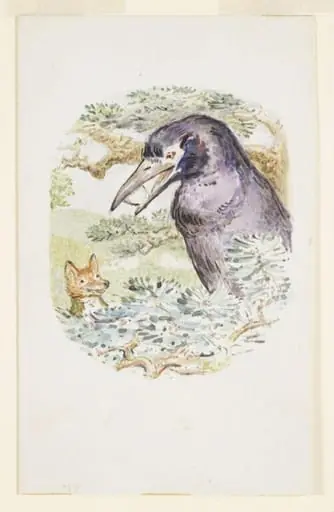
The painting is likely related to 'The Fox and the Crow', a fable by Aesop that Potter was considering illustrating around this time. The study may have been made as a preparatory work for this project, capturing the crow's natural behaviour and anatomy.
Technique & Style
The watercolour demonstrates Potter's skill in rendering animals with accuracy and attention to posture and detail, a skill honed through her earlier work illustrating Aesop's fables.
History & Provenance
Potter was developing ideas for a book based on Aesop's fables in 1919, including 'The Fox and the Crow', and had begun working on some illustrations. Although the book was not published, her studies from this period, like this watercolour, provide insight into her creative process.
Artist & collection
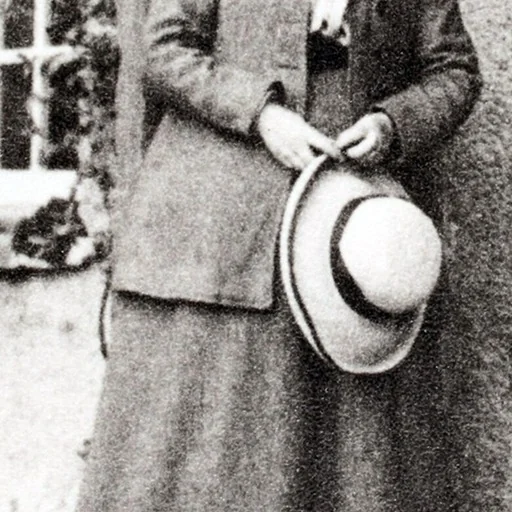
Artist
Helen Beatrix Heelis (née Potter; 28 July 1866 – 22 December 1943), usually known as Beatrix Potter ( BEE-ə-triks), was an English writer, illustrator, natural scientist, and conservationist.