Artwork
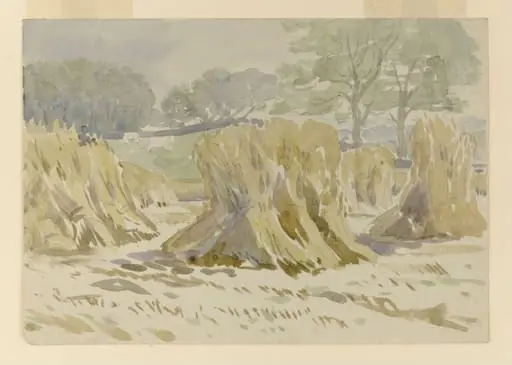
Sheaves of corn in a field, Sawrey
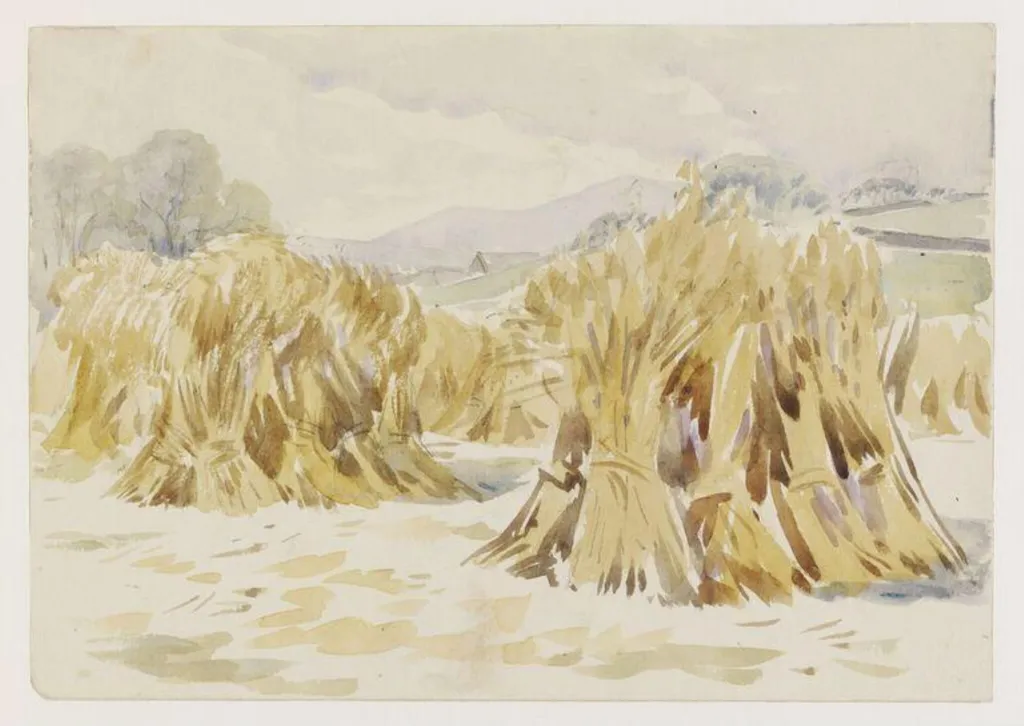
Sheaves of corn in a field, Sawrey is a watercolor work on paper by Beatrix Potter. It is held in the collection of the Victoria and Albert Museum.
About this work
Potter painted this watercolour early in the 1900s. She studied the Lake District countryside after buying her first farm in 1905. The study shows corn sheaves in a field—quiet, everyday farm work.
She kept Hill Top as a working farm. She added Castle Farm in 1909. After 1913, she focused on farming and conservation.
Look up the next step: technique: impasto
Overview
Painted in the early 1900s, this watercolour by Beatrix Potter captures a quiet moment of rural labor: stacked corn sheaves in a field near her property in the Lake District. Created after she acquired Hill Top Farm in 1905, the work reflects her deepening engagement with the land, shifting from illustration to direct observation of agricultural life.
Subject & Meaning
The painting depicts sheaves of grain arranged in a field, a common sight on working farms. Rather than idealizing the landscape, Potter records its functional beauty—humble, orderly, and shaped by daily toil. The absence of figures emphasizes the land itself as the subject, aligning with her growing commitment to rural livelihoods over narrative fiction.
Technique & Style
Executed in watercolour, the piece employs delicate washes and restrained detail to convey texture and light. Potter avoids dramatic contrast, favoring soft transitions that mirror the quiet rhythm of farm life. Her brushwork is precise yet unembellished, reflecting a documentary impulse rather than romanticized scenery.
History & Provenance
Created after Potter’s purchase of Hill Top in 1905, the watercolour belongs to a series of landscape studies she made while managing her farms. She later acquired Castle Farm in 1909 and, after marrying William Heelis in 1913, devoted herself fully to agriculture and land conservation, leaving behind her literary career’s peak years.
Context
At a time when many artists idealized the countryside, Potter focused on its practical realities. Her watercolours were not commissioned works but personal records, made alongside her farming duties. These studies formed part of a broader shift in her life—from children’s author to landowner and conservationist in the Lake District.
Legacy
Though best known for her stories, Potter’s landscape watercolours reveal a quieter, enduring contribution: a visual archive of early 20th-century Lakeland farming. Her attention to agricultural detail informed her later conservation efforts, helping preserve the region’s traditional landscapes from development.
Artist & collection
Artist
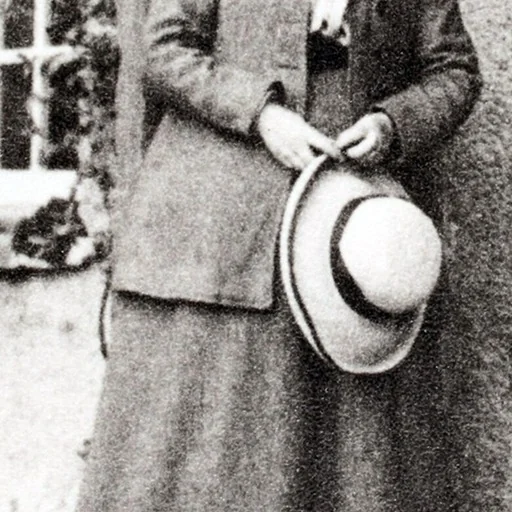
Helen Beatrix Heelis (née Potter; 28 July 1866 – 22 December 1943), usually known as Beatrix Potter ( BEE-ə-triks), was an English writer, illustrator, natural scientist, and conservationist.

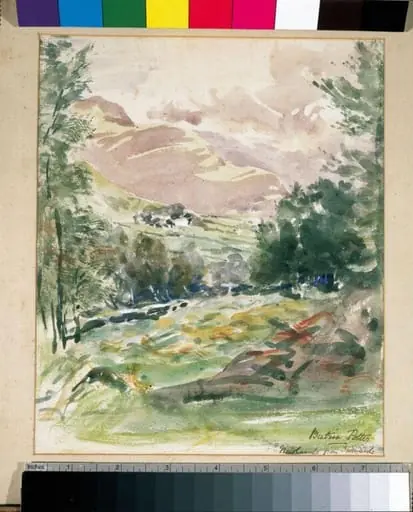
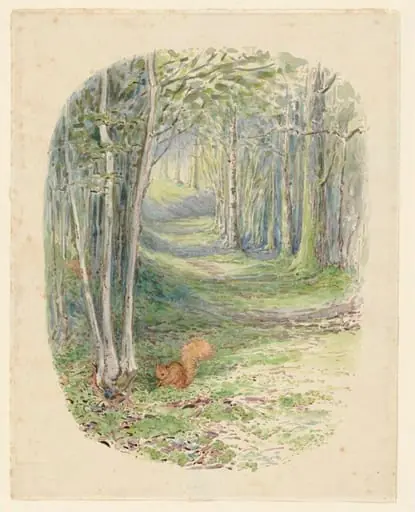
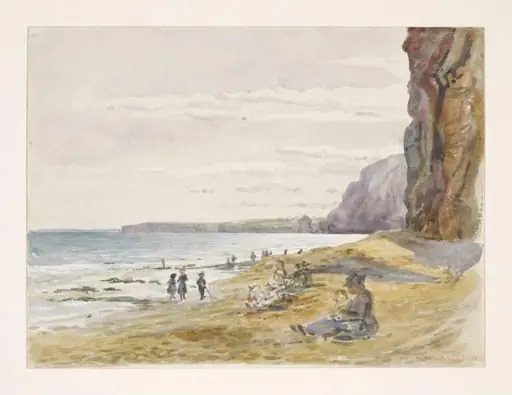
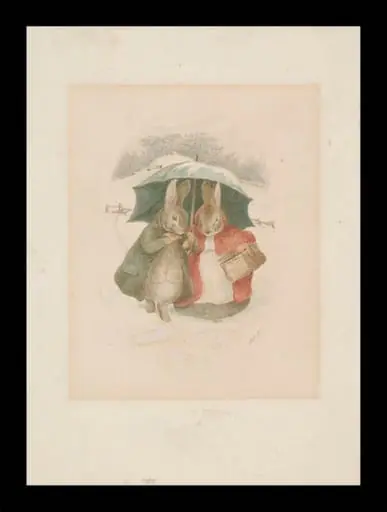
 Sheaves of corn, with trees in the distance
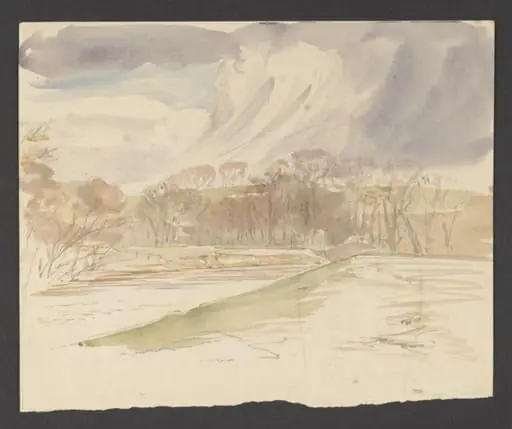 A lake and trees beneath a stormy sky
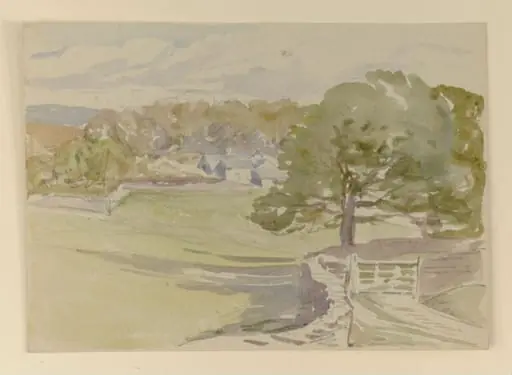 A lane with trees
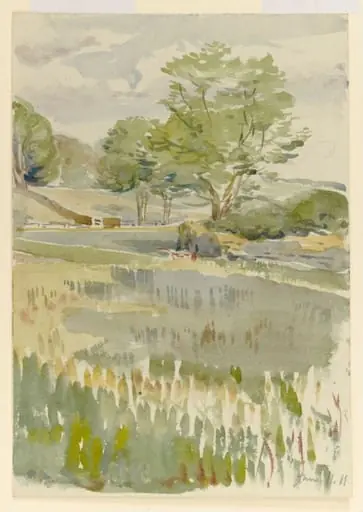 Untitled
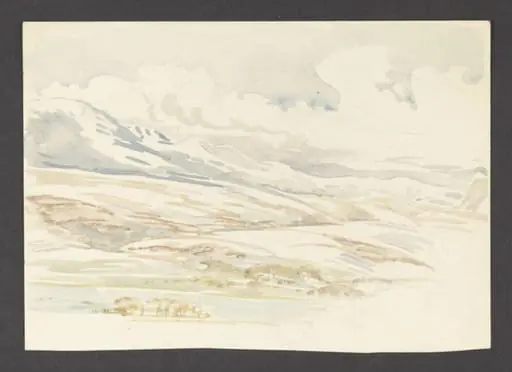 Landscape with hills under snow and a lake
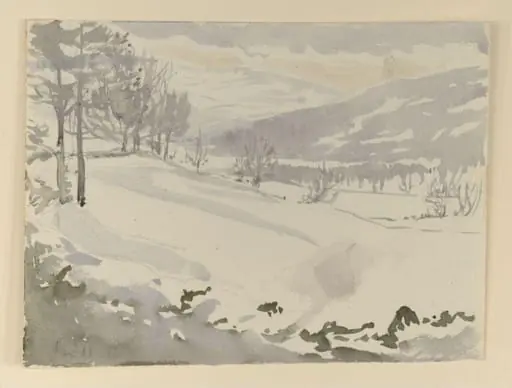 Mountains and fields in snow
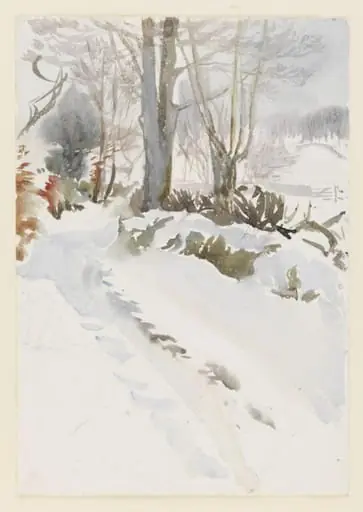 Cart track covered in snow, with fields beyond
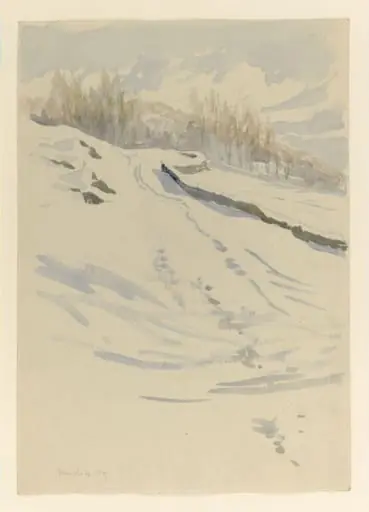 Snow scene with fields and a line of trees
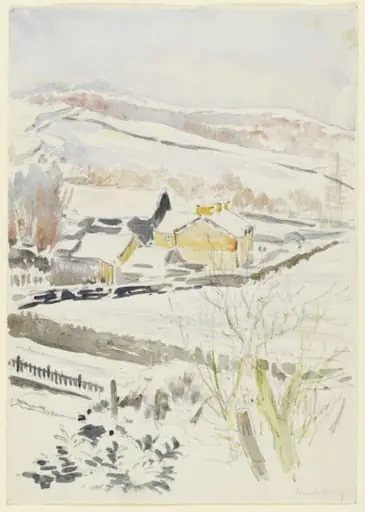 Snow scene showing a farm with outbuildings, and hillside beyond (near Sawrey)
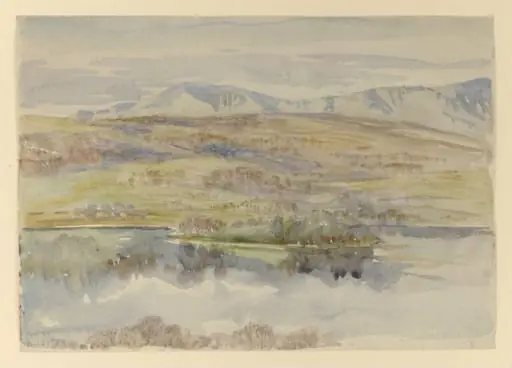 View across Esthwaite Water