Artwork
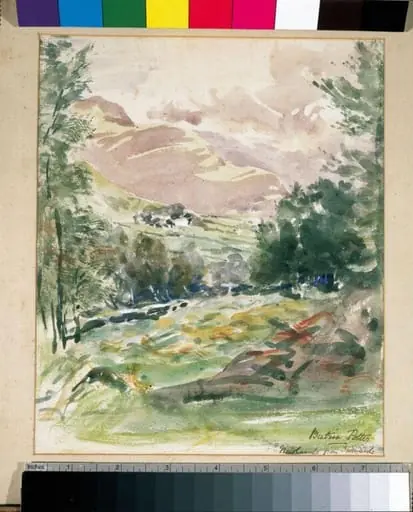
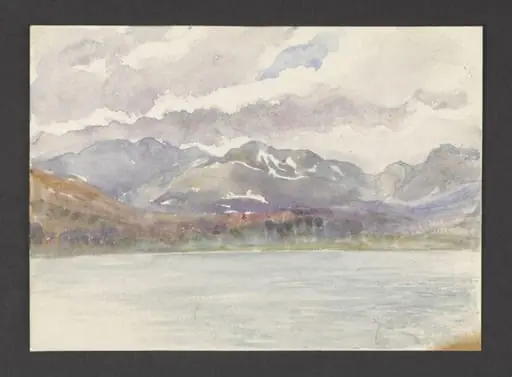
The Newlands Horseshoe of mountains seen from the Newlands valley
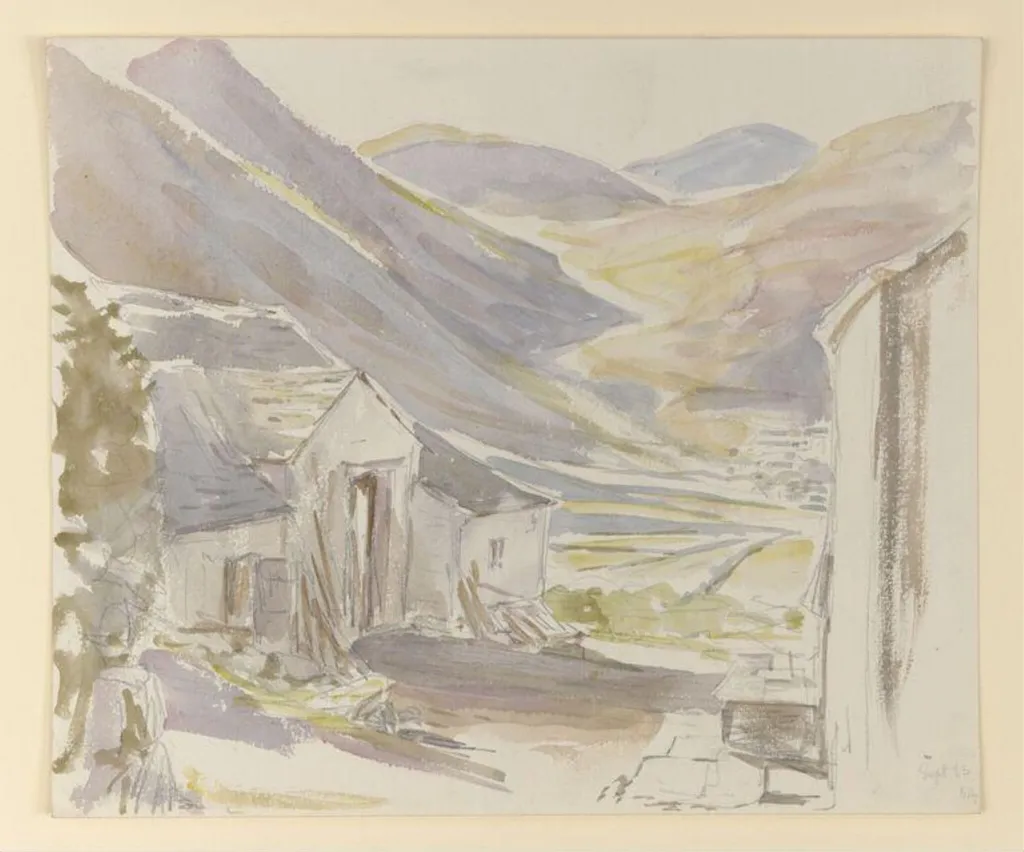
The Newlands Horseshoe of mountains seen from the Newlands valley is a watercolor work on paper by the Impressionist artist Beatrix Potter. It dates from 13 and is held in the collection of the Victoria and Albert Museum. This watercolour depicts the Newlands Horseshoe of mountains in the Lake District, viewed from the Newlands Valley.
About this work
Seen from the Newlands Valley, it’s dated 13th September 1904, when she stayed at Lingholm.
Beatrix Potter painted a quiet watercolour of the Newlands Horseshoe of mountains. Seen from the Newlands Valley, it’s dated 13th September 1904, when she stayed at Lingholm. The scene may have inspired backgrounds for her 1905 book The Tale of Mrs Tiggy-winkle.
She often turned walks in the Lake District into pictures and stories. This one feels calm, like a snapshot on paper.
Check out the Victoria and Albert Museum.
Overview
This watercolour depicts the Newlands Horseshoe of mountains in the Lake District, viewed from the Newlands Valley. Created on 13 September 1904, it is a serene representation of the landscape.
Subject & Meaning
The scene is likely linked to Beatrix Potter's work on 'The Tale of Mrs Tiggy-winkle', published in 1905. The valley is the book's setting, and one illustration appears to share a similar viewpoint, suggesting the watercolour may have been a study for the story's backgrounds.
History & Provenance
Beatrix Potter executed the watercolour while staying at Lingholm, near the Newlands Valley, on 13 September 1904.
Own this work as a print
Artist & collection
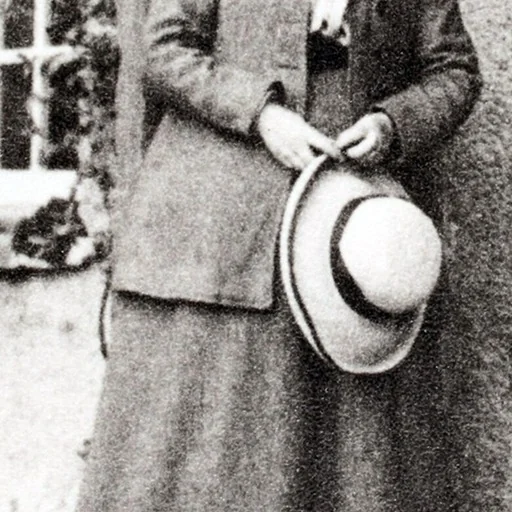
Artist
Helen Beatrix Heelis (née Potter; 28 July 1866 – 22 December 1943), usually known as Beatrix Potter ( BEE-ə-triks), was an English writer, illustrator, natural scientist, and conservationist.