Artwork
Guy Little Theatrical Photograph
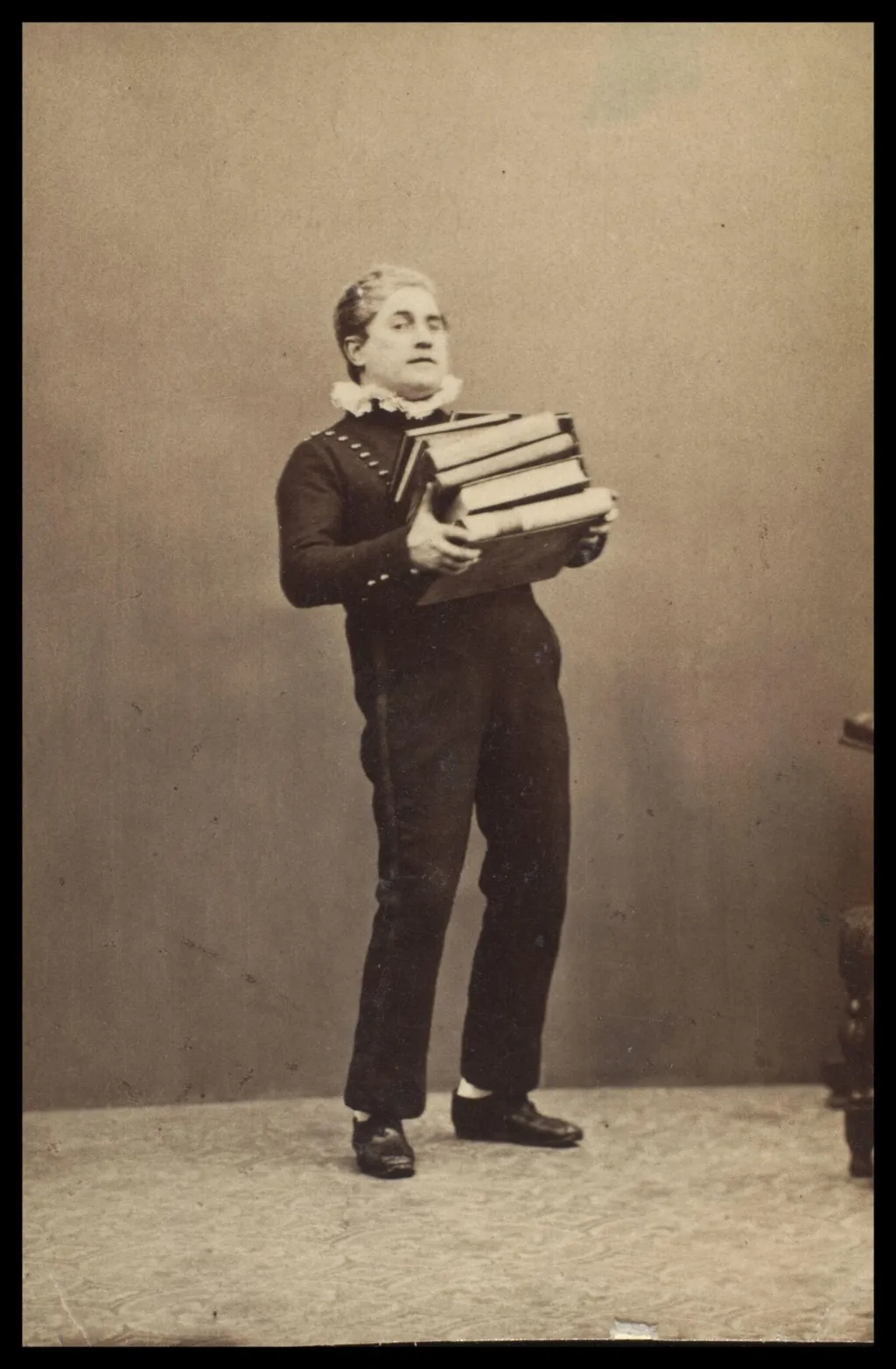
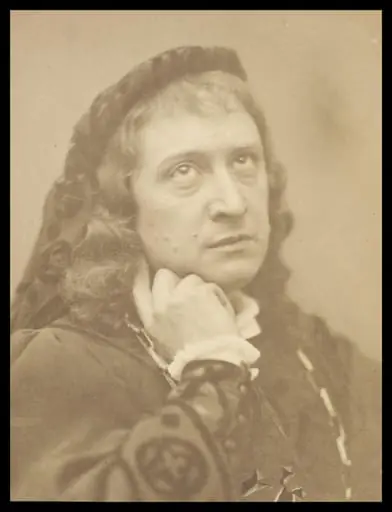
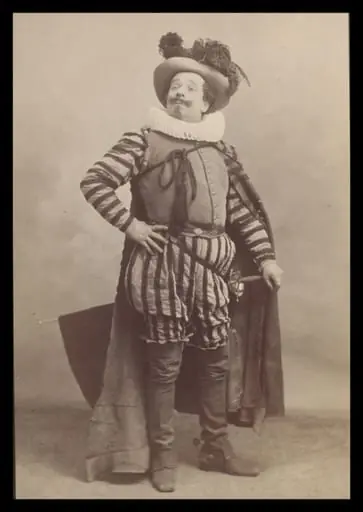
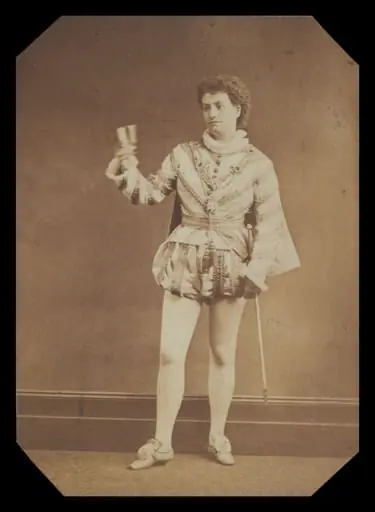
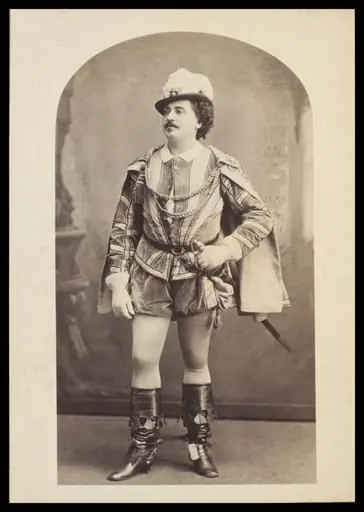
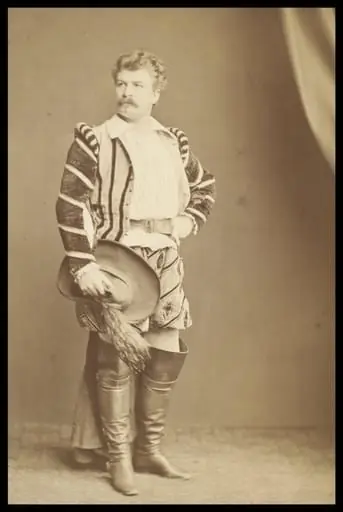
Guy Little Theatrical Photograph is a photographic photography by the Impressionist artist Adolphe Beau. It dates from 1892 and is held in the collection of the Victoria and Albert Museum. This photograph, taken in 1892, captures the actor Horace Wigan in a studio setting.
About this work
This is a photo from 1892 of actor Horace Wigan. It comes from the early days of photography when portrait photos were still new. People loved collecting these small pictures.
It shows how the new art form let regular folks own images of famous faces. These photos were printed on stiff cards and sold everywhere.
Check out the Victoria and Albert Museum.
Overview
Little later removed these prints from their original mounts and organized them into albums, which he bequeathed to the Victoria and Albert Museum.
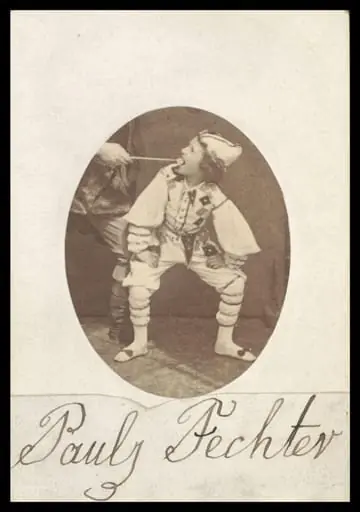
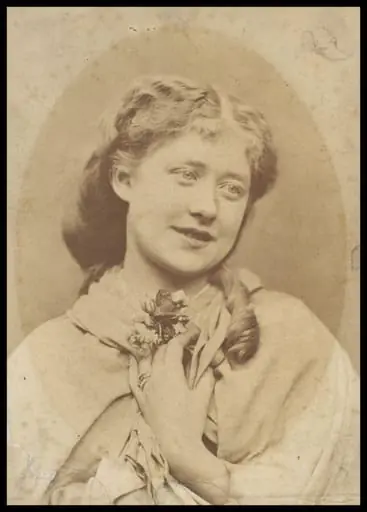
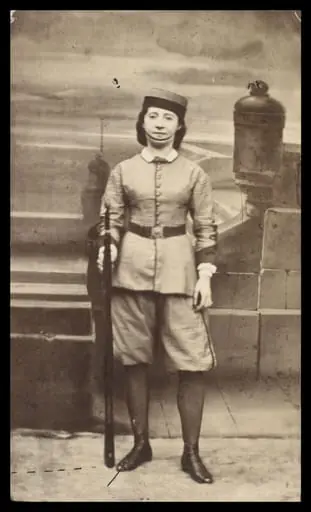
This photograph, taken in 1892, captures the actor Horace Wigan in a studio setting. It belongs to a collection of albumen prints mounted by Guy Tristram Little, a legal professional and avid collector of popular visual ephemera. The image was originally produced as a cabinet card—a larger, more durable format that succeeded the earlier carte de visite. Little later removed these prints from their original mounts and organized them into albums, which he bequeathed to the Victoria and Albert Museum.
Subject & Meaning
Horace Wigan, a well-known stage actor of the late 19th century, is depicted here in formal attire, likely reflecting his public persona rather than a specific role. The portrait served as a commercial keepsake, allowing audiences to possess a tangible connection to a performer they admired. Such images reinforced the growing cultural practice of celebrity worship, made accessible through mass-produced photography.
Technique & Style
The photograph is an albumen print on paper, adhered to a thick card backing, typical of late Victorian studio portraiture. The image was made from a glass negative, ensuring sharp detail and reproducibility. Lighting is even and controlled, with minimal shadowing, emphasizing the subject’s facial features and dignified posture. The photographer’s name, printed on the mount, signals professional production and brand recognition.
History & Provenance
The photograph was part of Guy Tristram Little’s personal collection of theatrical photographs, which he assembled over decades. Little, a solicitor and executor of Gabrielle Enthoven’s estate, inherited her extensive theatrical archive. He systematically remounted these images, preserving them in albums. Upon his death in 1953, the collection was donated to the V&A, forming a key part of its Theatre and Performance holdings.
Context
By the 1890s, cabinet cards had largely replaced cartes de visite as the preferred format for portrait photography, offering greater detail and durability. While earlier formats catered to mass collecting, cabinet cards appealed to a more refined market, often displayed in parlors. This image reflects the transition from novelty to established practice in photographic culture, where theater and visual media increasingly intersected in domestic life.
Legacy
Little’s collection, now held by the V&A, preserves a rare assemblage of theatrical portraiture from a period when photography was reshaping public engagement with performance. These images offer insight into how actors were marketed and remembered outside the stage. The archive remains a vital resource for scholars studying the material culture of 19th-century theater and the evolution of photographic media.
Artist & collection
Artist
Adolphe Beau spent his days behind a camera, capturing performers mid-gesture before they stepped offstage.