Artwork
Untitled
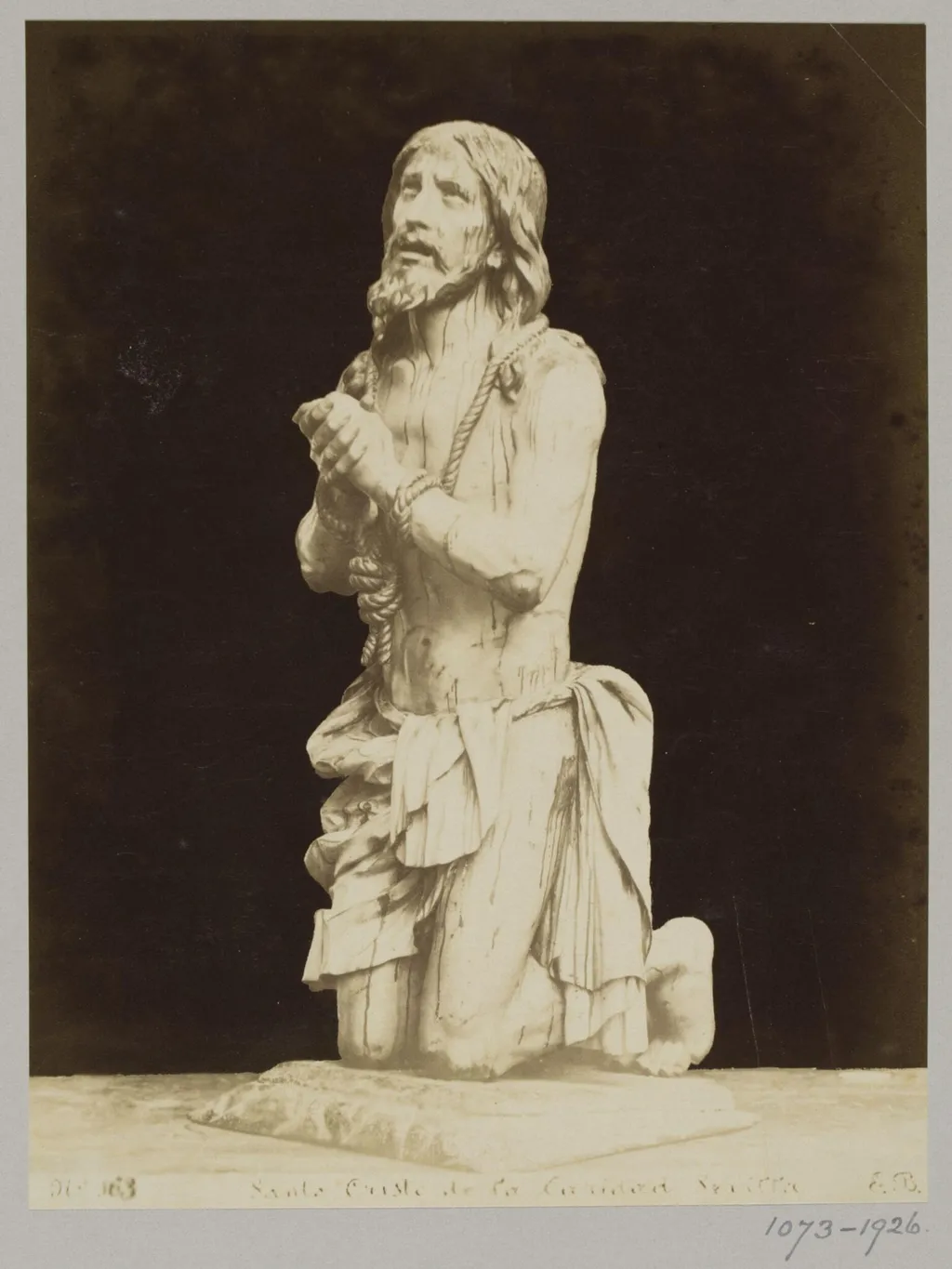
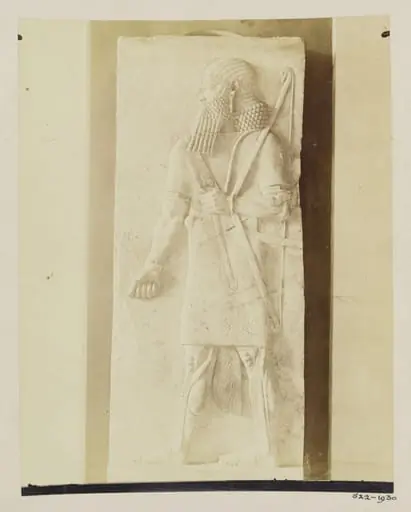
Untitled is a photographic photography by the Impressionist artist Emilio Beauchy Cano. It dates from 1881 and is held in the collection of the Victoria and Albert Museum.
About this work
The whole group ended up in the Victoria and Albert Museum after Sargent’s sisters donated it in 1925.
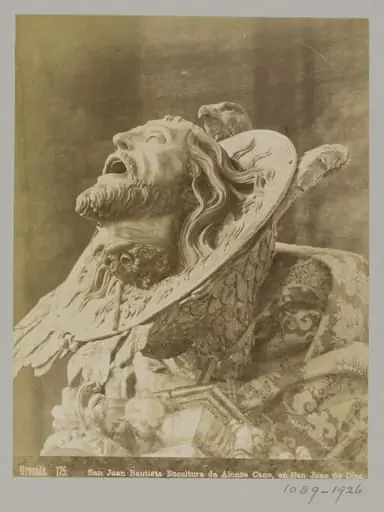
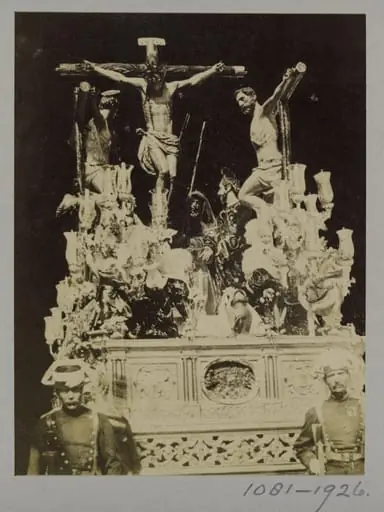
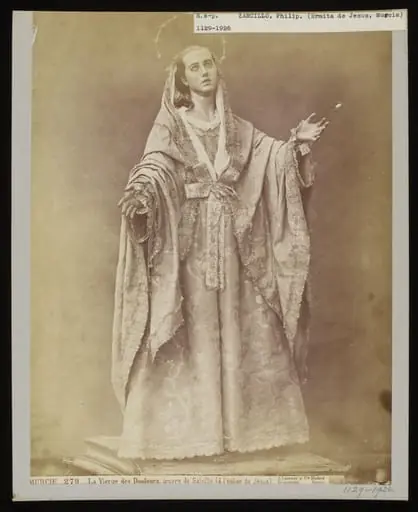
This is a photograph from a big set of 611 pictures once owned by John Singer Sargent. They show buildings, statues and art from many countries. Sargent collected them during his travels for his own research.
The photos mix Impressionism and Realism styles. Most are architecture and objects, not people. The whole group ended up in the Victoria and Albert Museum after Sargent’s sisters donated it in 1925.
Check out the Victoria and Albert Museum’s photo collection next.
Overview
The collection comprises 611 photographs once owned by John Singer Sargent, donated to the Victoria and Albert Museum in August 1925 by his sisters, Emily and Violet. These images formed part of a broader bequest that included a watercolor and a tapestry-covered chair. The photographs were not taken by Sargent himself but acquired during his travels as visual references, reflecting his engagement with global artistic traditions beyond his portraiture.
Subject & Meaning
The images primarily document architecture, sculpture, and decorative art from regions including Italy, Spain, Egypt, and India. Many focus on religious structures and historical monuments, suggesting their role in Sargent’s research for The Triumph of Religion mural cycle in Boston. The absence of human figures underscores their function as formal studies rather than documentary records, emphasizing structure, ornament, and spatial composition.
Technique & Style
The photographs exhibit a range of 19th-century photographic practices, with most likely produced by professional studios rather than Sargent. Their composition aligns with documentary conventions of the period: clear focus, balanced framing, and attention to architectural detail. Though stylistically diverse, they lack the tonal experimentation of fine-art photography, serving instead as systematic visual references for artistic study.
History & Provenance
Sargent assembled the collection over decades of travel, using the images to inform his mural work. After his death in 1925, his sisters donated the entire set to the V&A, following an earlier gift of a watercolor. The museum catalogued the photographs by geographic origin and assigned them to the Library Photograph Collection and Sculpture Department, recognizing their utility for scholarly and curatorial purposes.
Context
During the late 19th and early 20th centuries, artists frequently collected photographs as aids for large-scale projects. Sargent’s use of such imagery aligned with broader academic practices, where visual archives supported historical and cross-cultural research. His interest in Spanish ecclesiastical architecture, in particular, mirrored contemporary scholarly efforts to document and preserve heritage sites across Europe and the Mediterranean.
Legacy
The collection remains a resource for studying artistic research methods and the circulation of visual knowledge in the pre-digital era. Its classification by region and subject reflects early museum practices in organizing photographic archives for educational use. While not created by Sargent, the photographs offer insight into the visual stimuli that shaped one of the era’s most prominent painters.
Artist & collection
Artist
Emilio Beauchy Cano made photographs in late 19th-century Spain. In 1892 he recorded Madrid’s Gran Vía still under construction, its skeletal facades rising beside gas lamps and horse carts. His camera also captured…

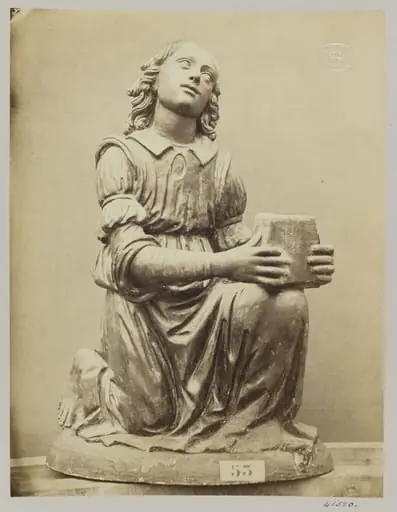 Figure of an angel on her knees in red terra cotta
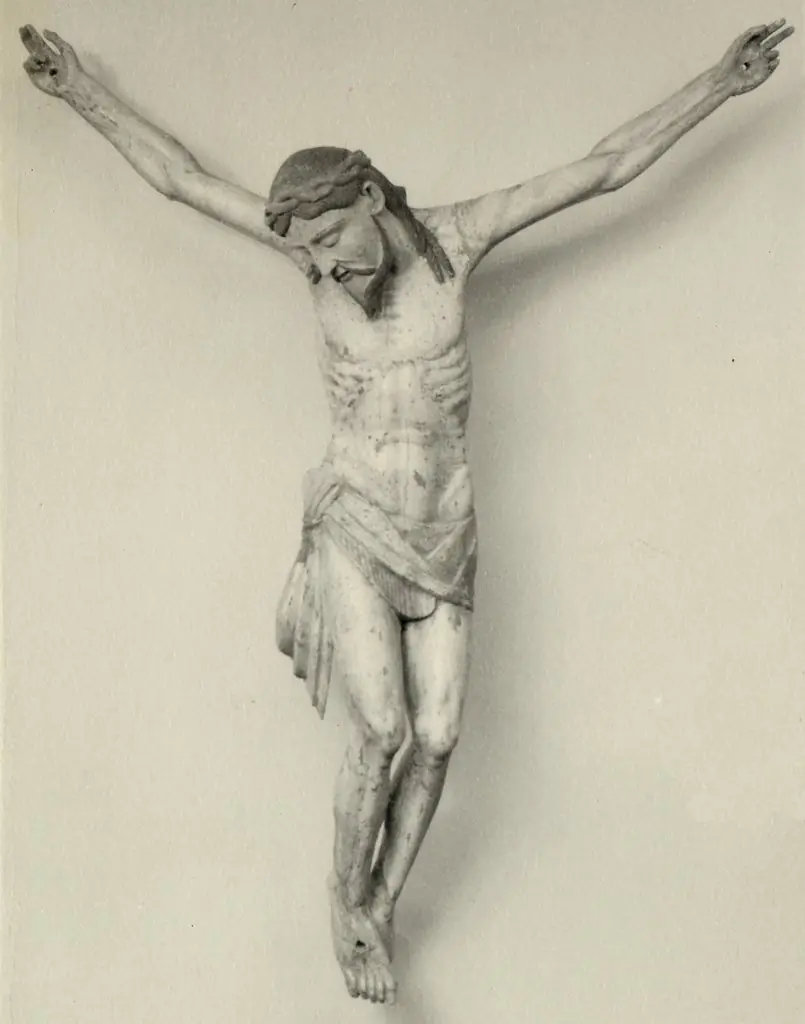 Christ
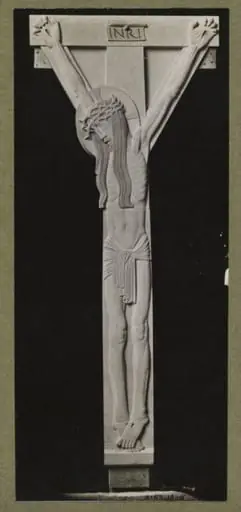 Untitled
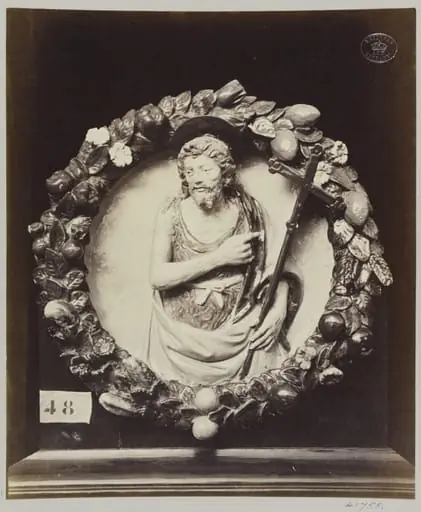 Enamelled earthenware bas-relief medallion of Saint John the Baptist
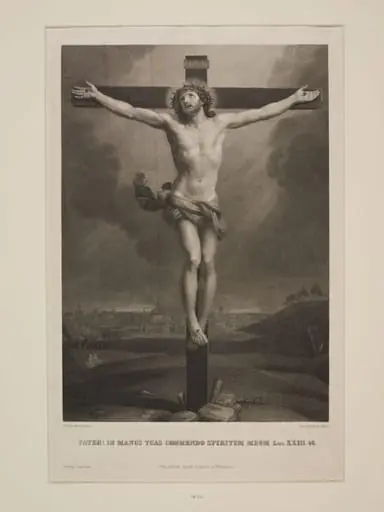 Christ on the Cross
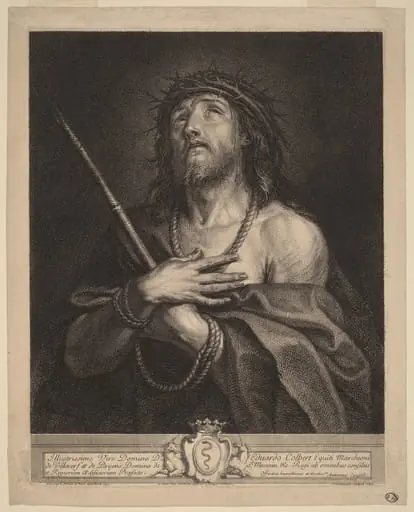 Christ as Man of Sorrows
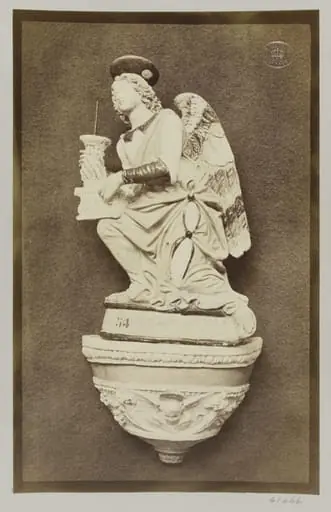 Figure of an Angel holding pricket candlestick by Luca della Robbia Ware
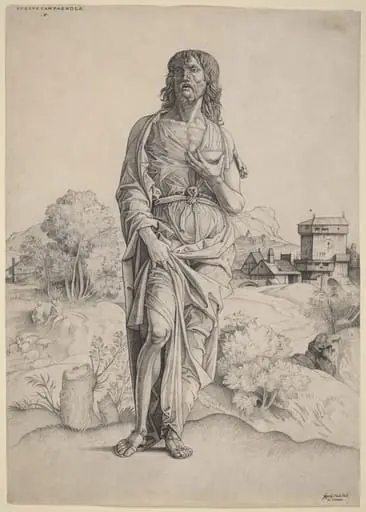 Saint John the Baptist
 Sculpture of Assyrian archer, 9th century B.C., Louvre, Paris