Artwork
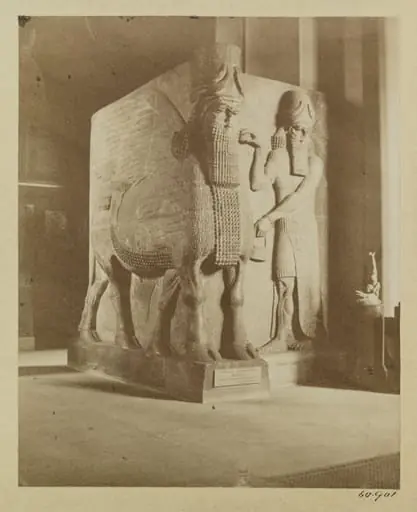
Sculpture of Assyrian archer, 9th century B.C., Louvre, Paris
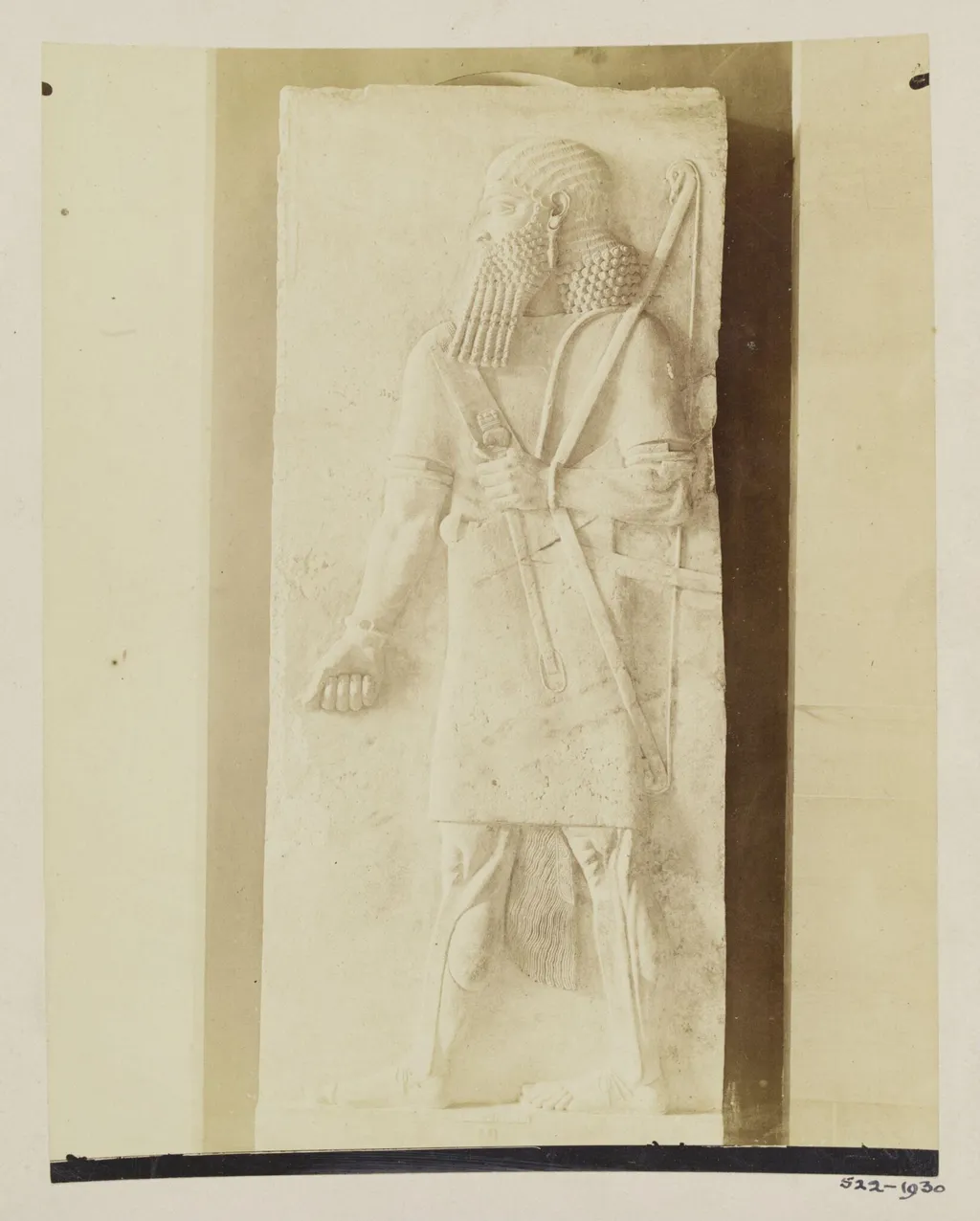
Sculpture of Assyrian archer, 9th century B.C., Louvre, Paris is a photographic photography by the Impressionist artist Unknown. It dates from 1884 and is held in the collection of the Victoria and Albert Museum. This photograph captures a 9th-century B.
About this work
This photo shows a sculpture of an Assyrian archer from the 9th century B.C.
The sculpture is interesting because it's very old and shows a lot of detail. It was also photographed in the 1800s, which is a long time after it was made.
You can learn more about photography techniques like this by looking into the technique of sfumato.
Overview
It originates from a larger collection of 611 images assembled by John Singer Sargent, donated to the Victoria and Albert Museum in 1925 by his sisters.
This photograph captures a 9th-century B.C. Assyrian archer sculpture now held at the Louvre. It originates from a larger collection of 611 images assembled by John Singer Sargent, donated to the Victoria and Albert Museum in 1925 by his sisters. The photograph was not taken by Sargent himself but likely acquired from a professional photographer during his travels. The collection was cataloged for scholarly use, with individual images sorted by geographic and thematic content.
Subject & Meaning
The sculpture depicts a standing Assyrian archer, likely from a palace relief in Nimrud or Nineveh, designed to convey imperial power and military precision. Clad in layered armor and holding a bow, the figure embodies the disciplined might of the Neo-Assyrian state. Its survival over millennia reflects the durability of Assyrian stone carving and its role in royal propaganda, intended to intimidate subjects and visitors alike.
Technique & Style
The photograph reproduces the sculpture’s carved surface with careful attention to texture and shadow, typical of 19th-century documentary photography. The lighting emphasizes the relief’s depth and fine details—musculature, garment folds, and weapon elements—without artistic embellishment. The image serves as a record rather than an interpretation, aligning with the era’s growing interest in systematic visual archiving of antiquities.
History & Provenance
The photograph entered the V&A’s collection in 1925 as part of Sargent’s personal archive, donated by his sisters following his death. Sargent, though an amateur photographer, collected images during his international travels, particularly while researching murals for the Boston Public Library. The V&A cataloged the photos for academic use, separating them by origin and subject, integrating them into the museum’s sculpture and photographic reference collections.
Context
In the 19th century, European institutions increasingly sought visual documentation of ancient Near Eastern art following archaeological excavations in Mesopotamia. Photographs like this one supported scholarly study and public education, helping to establish Assyrian art within the broader canon of Western art history. Sargent’s interest in such imagery was tied to his own mural project, which drew inspiration from religious and historical themes across cultures.
Legacy
The photograph remains part of a historically significant collection that illustrates the 19th-century convergence of art, archaeology, and photography. While the original sculpture is displayed in Paris, this image preserves its appearance as it was understood in the Victorian era. The V&A’s classification of the photo underscores its role as a tool for study, not merely aesthetic appreciation, influencing how ancient art was accessed and interpreted in academic settings.
Artist & collection

 Domestic Scene
 Giacomo and Cardinal Marco, investing Andrea, Abbot of San Zeno, with his Benefice
 The Nymph of Fontainebleau
 Portrait of a Woman
 Madonna and Child with Saints in the Enclosed Garden
 Venus and Minerva
 Family Group of Four on Sofa
 Wall painting from Room H of the Villa of P. Fannius Synistor at Boscoreale
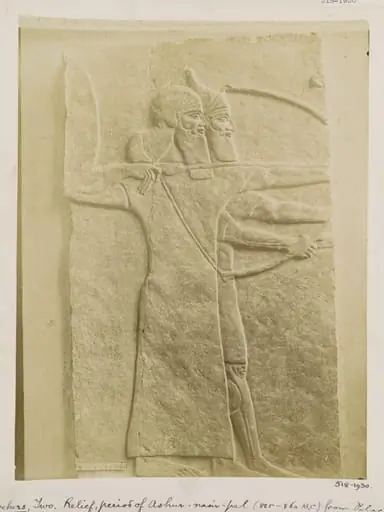 Relief depicting two Assyrian archers from the period of Ashur-Nasir-Pal II (885-860 B.C.) from the Palace of Nimrud. Louvre, Paris
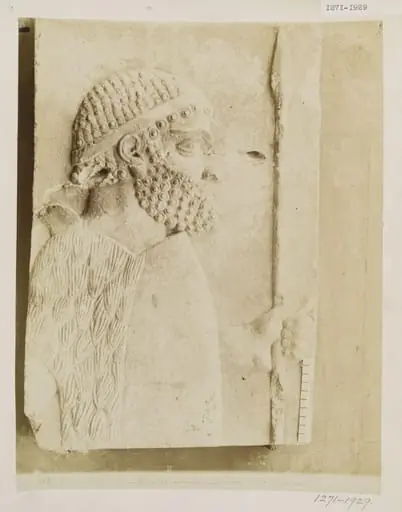 Bas-relief of a warrior, Louvre, Paris
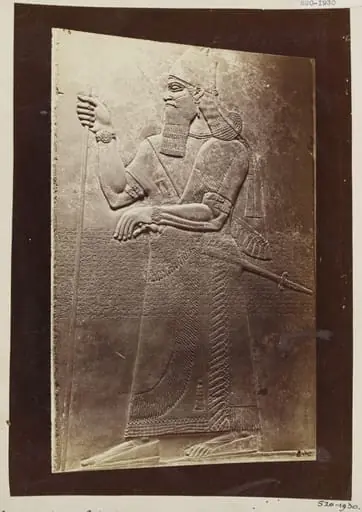 Relief depicting Assyring King Ashur-Nasir-Pal II (885-860 B.C.), Louvre, Paris
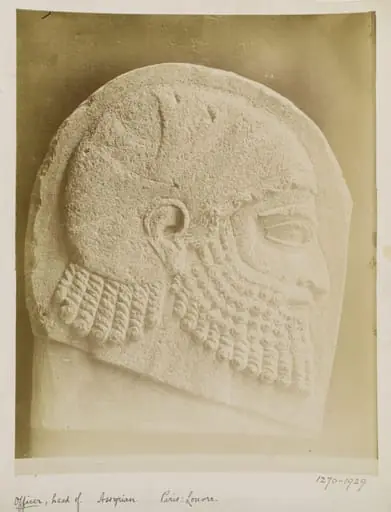 Relief of head of Assyrian officer. Paris: Louvre
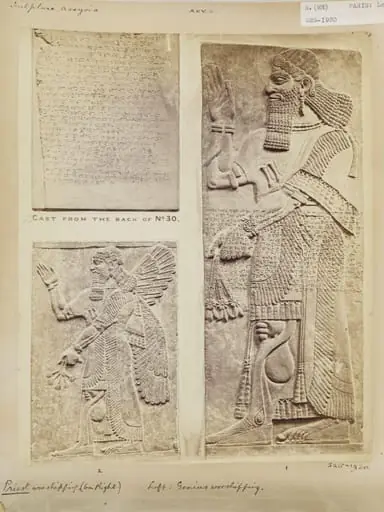 Assyrian sculpture, priest worshipping and genius worshipping, Paris: Louvre
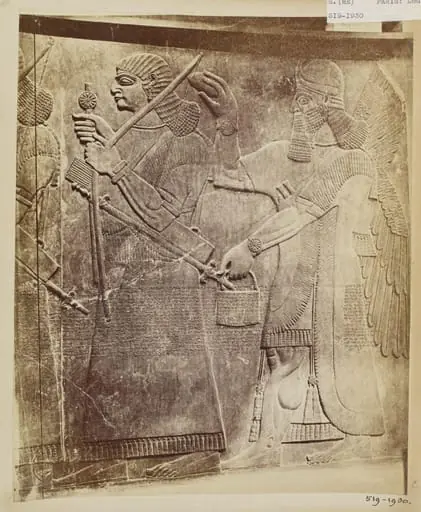 Sculpture depicting a royal Assyrian armsbearer with attendant genius from the period of Ashur-nasir-pal II (885-860 B.C.), Louvre, Paris
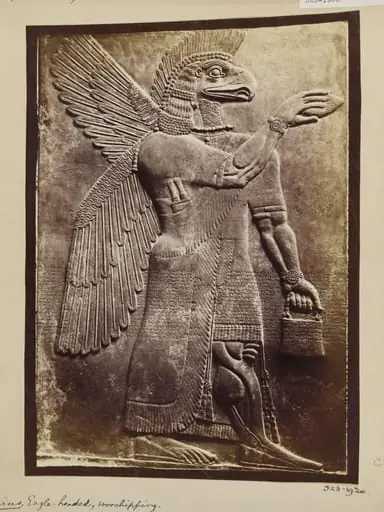 Assyrian sculpture of an eagle-headed genius, worshipping, Paris, Louvre
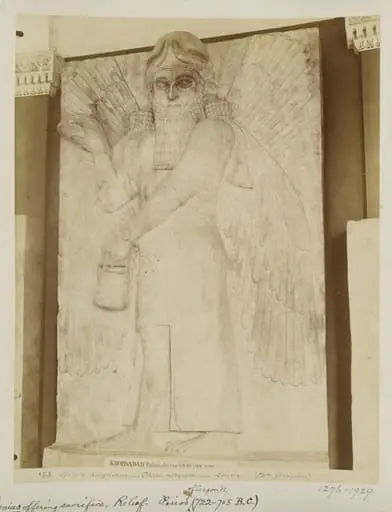 Relief of a genius offering sacrifice, period of Sargon II (722-705 B.C.) from Palace of Khorsabad. Paris: Louvre
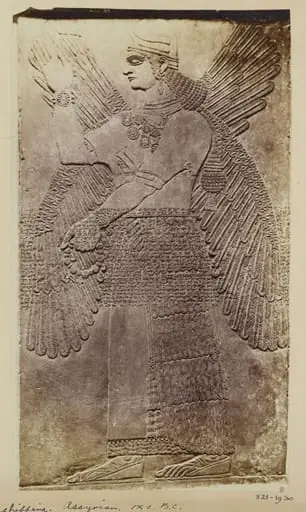 Assyrian sculpture of genius, worshipping, ninth century B.C., Louvre, Paris
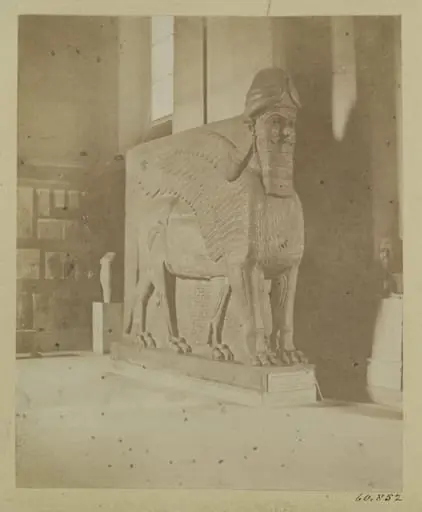 Assyrian sculpture of a lion winged. London: British Museum
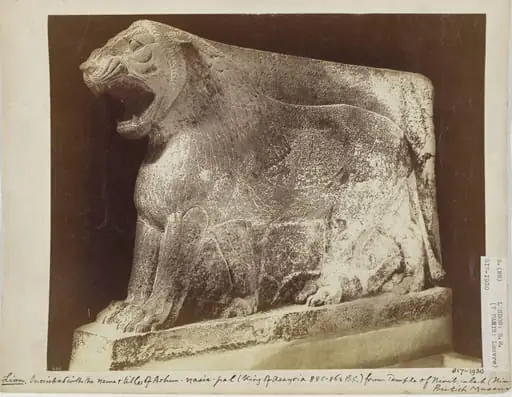 Assyrian sculpture of a lion inscribed with the name and titles of Ashur-nasir-pal (King of Assyria 885-860 B.C.) from the Temple of Nirib, Calah
 Assyrian sculpture of a winged bull, London, British Museum