Artwork
Saint John the Baptist
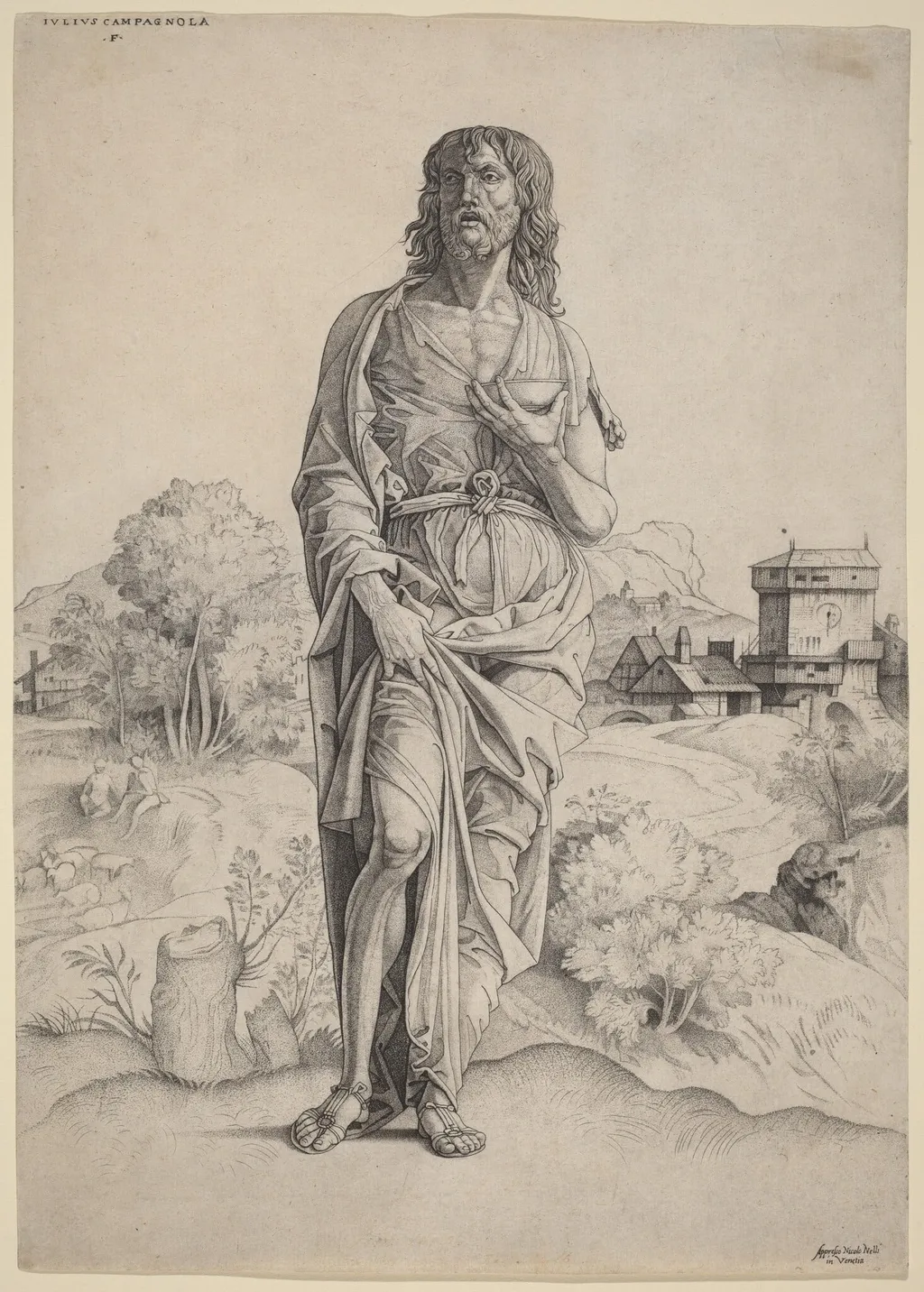
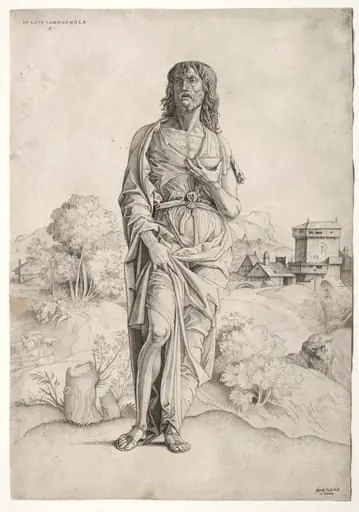
Saint John the Baptist is an ink print by the Renaissance artist Giulio Campagnola. It dates from 1505 and is held in the collection of the National Gallery of Art.
About this work
Overview
Saint John the Baptist is an engraving with stipple technique by Giulio Campagnola, an Italian artist active around 1505. The print combines Venetian Renaissance elements with innovative printmaking techniques.
Subject & Meaning
The work depicts the biblical figure of Saint John the Baptist in a landscape setting, dressed in a flowing robe and holding a cloth. The composition reflects Venetian Renaissance stylistic influences.
Technique & Style
Campagnola adapted the tonal depth of oil painting to engraving by pioneering stipple engraving, which uses tiny dots for smooth shading, alongside linear techniques like cross-hatching for added depth.
History & Provenance
Created in the early 16th century, the exact provenance of *Saint John the Baptist* is not detailed here, though its creation aligns with Campagnola's active period.
Context
Produced during the Venetian Renaissance, the piece draws from the artistic milieu of Giorgione and early Titian, blending these influences into a unique printmaking approach.
Legacy
Campagnola's innovations in stipple engraving significantly influenced the development of printmaking techniques in the field.
Artist & collection

Artist
Giulio Campagnola (Italian: ; c. 1482 – c. 1515) was an Italian engraver and painter, whose few, rare, prints translated the rich Venetian Renaissance style of oil paintings of Giorgione and the early Titian into the…


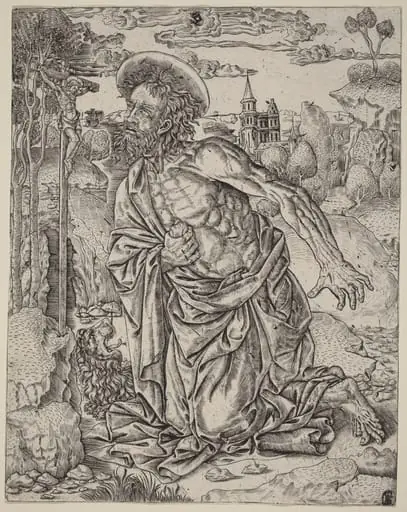 Saint Jerome in Penitence
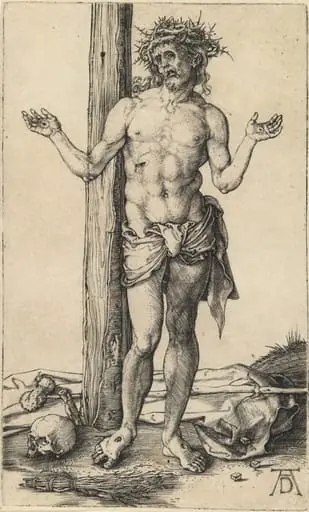 The Man of Sorrows with Arms Outstretched
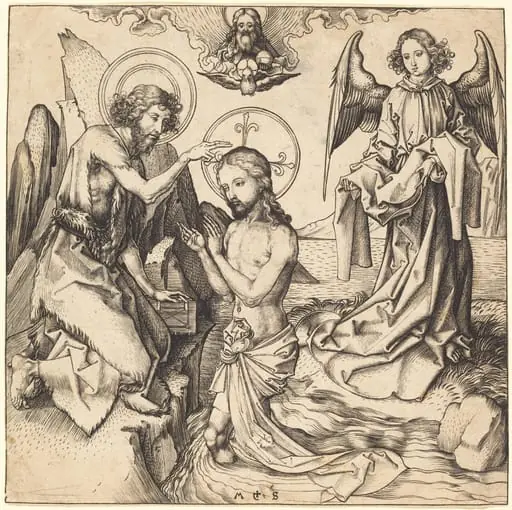 The Baptism of Christ
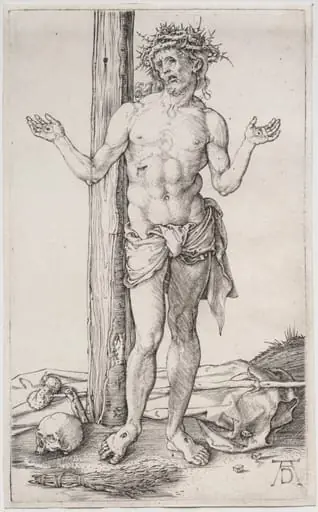 The Man of Sorrows Standing, with Hands Raised
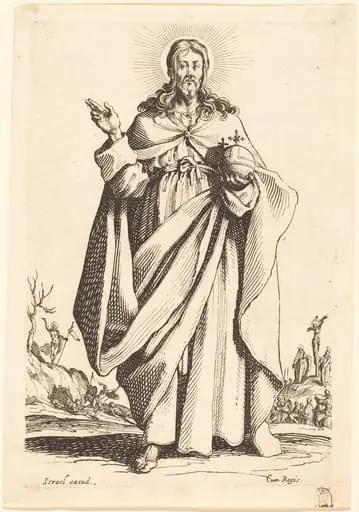 Christ
 Man of Sorrows by the Column
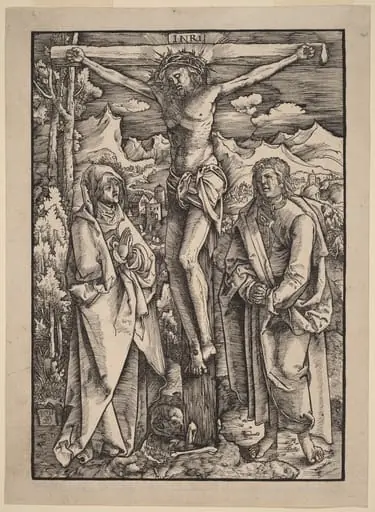 Christ on the Cross between the Virgin and Saint John
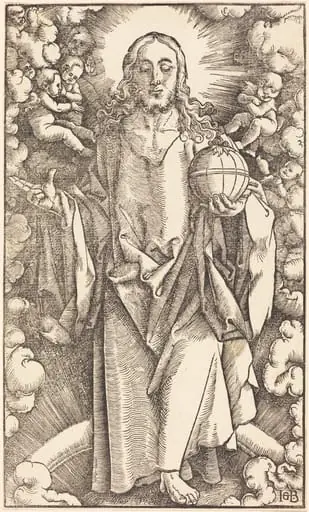 Christ
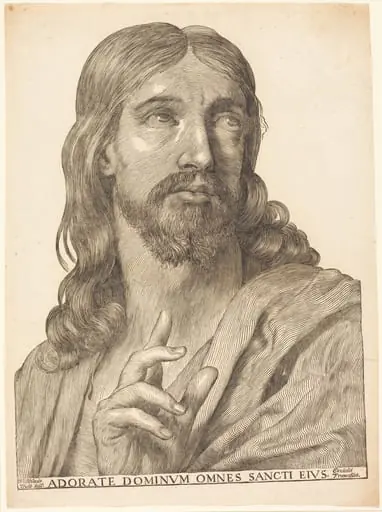 Christ in Half-Length
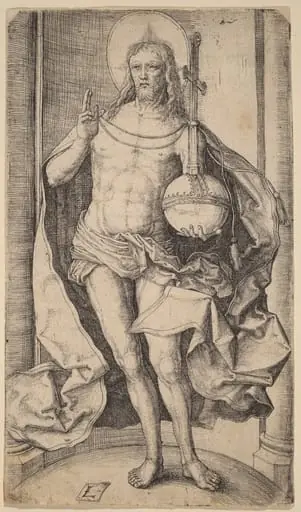 The Savior Standing with the Globe and Cross in His Left Hand
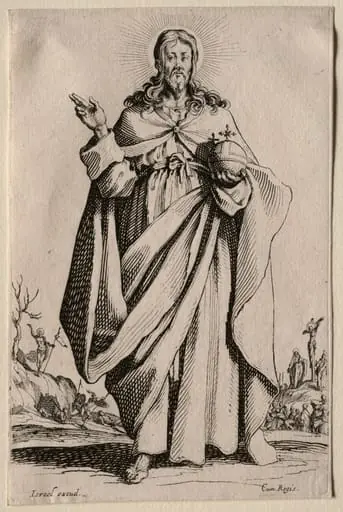 Salvatoris Beatae Mariae Virginis Sanctorum Apostolorum Icones