Artwork
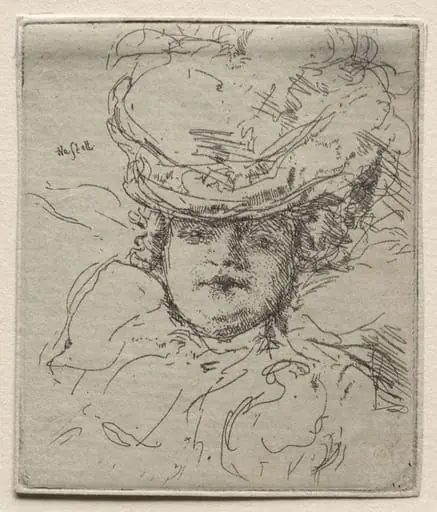
Bust of a Young Woman
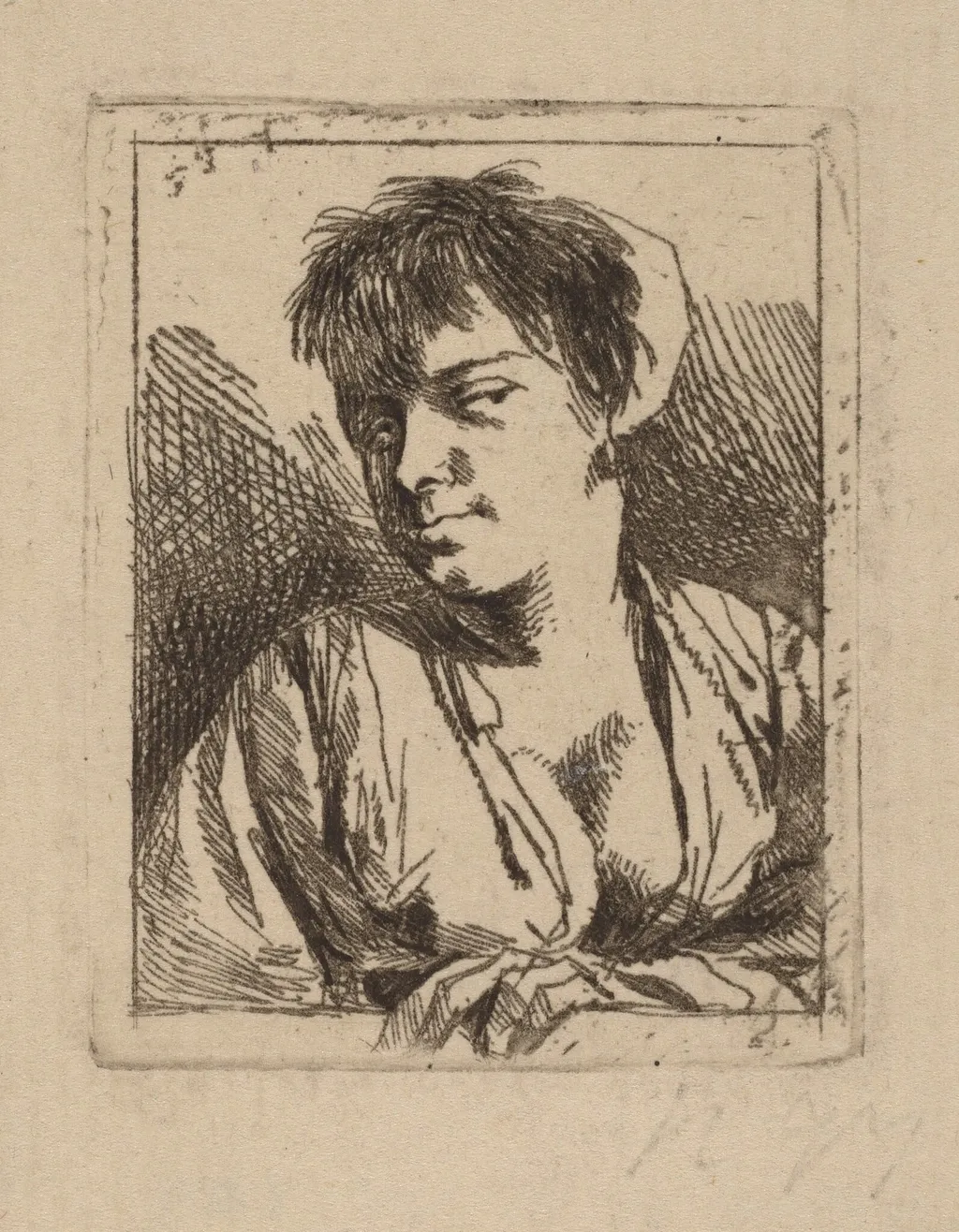
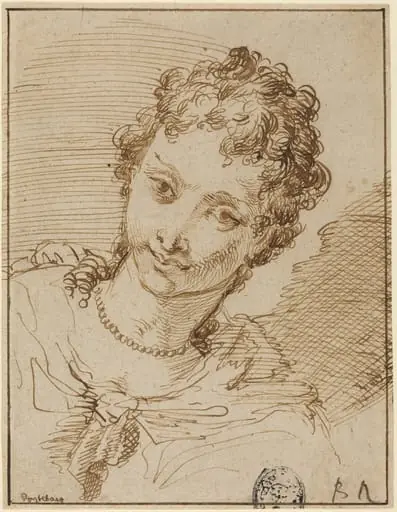
Bust of a Young Woman is an ink print by the Baroque artist Cornelis Pietersz Bega. It dates from 1648 and is held in the collection of the National Gallery of Art.
About this work
Overview
Cornelis Pietersz Bega, a Haarlem‑based artist of the Dutch Golden Age, produced an etching titled *Bust of a Young Woman* in 1648. The work belongs to his broader repertoire of genre scenes and figure studies, reflecting his focus on intimate, everyday subjects.
Subject & Meaning
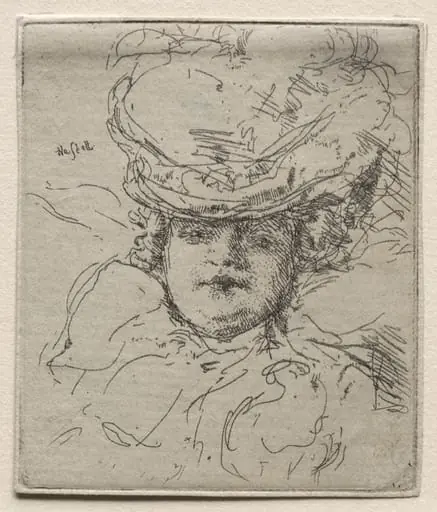
The image presents a young woman whose profile is turned slightly away from the viewer. Her hair is loosely gathered and appears somewhat disheveled, while a high collar obscures the neck, emphasizing the facial expression and the sense of a fleeting, informal moment.
Technique & Style
Executed with the etching process, Bega incised the design into a metal plate, allowing ink to settle in the carved lines. The resulting prints display bold, shadowy areas and a texture that feels spontaneous, with rough, scratch‑like strokes that convey immediacy rather than refined finish.
History & Provenance
Bega, a pupil of Adriaen van Ostade, worked primarily in Haarlem throughout his career. The *Bust of a Young Woman* is part of his early output, created shortly after his apprenticeship, and exemplifies his interest in solitary figures and domestic interiors.
Context
During the mid‑17th century, Dutch artists frequently explored genre subjects, capturing scenes of daily life with a focus on realism and detail. Bega’s etching aligns with this trend, offering a personal, almost candid glimpse into the appearance of a young woman, a motif common in contemporary prints.
Own this work as a print
Artist & collection
Artist
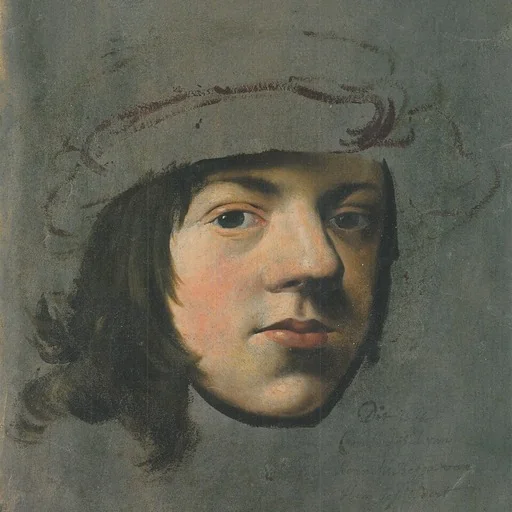
Cornelis Pietersz Bega, or Cornelis Pietersz Begijn (1631/32 – 27 August 1664) was a Dutch Golden Age painter and engraver.