Artwork
Child with Three Skulls
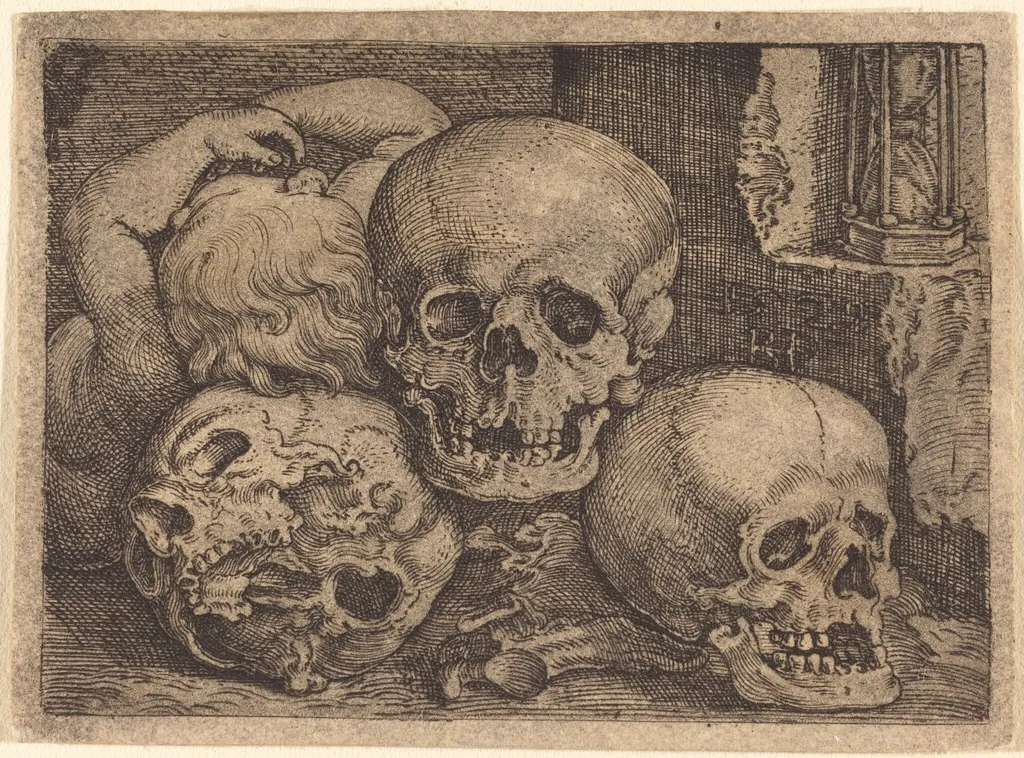
Child with Three Skulls is an ink print by the Renaissance artist Barthel Beham. It dates from 1529 and is held in the collection of the National Gallery of Art.
About this work
Check out another engraving by Barthel Beham at the National Gallery of Art in Washington.
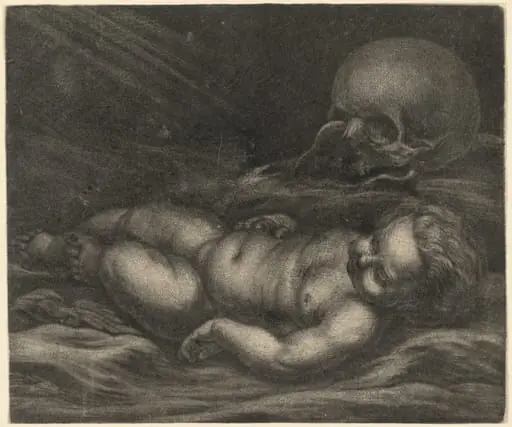
A boy holds three small skulls in his hands. He looks right at us, dead serious. The skulls are tiny but clear. His face is plain, no fancy clothes.
This is an engraving made in 1529. Engravings cut lines into metal. Ink fills the lines, then presses onto paper. Each print looks the same. That was new back then.
Check out another engraving by Barthel Beham at the National Gallery of Art in Washington.
Overview
Created in 1529 by Barthel Beham, this engraving depicts a young boy holding three small skulls. Rendered in fine linear detail, the image is one of many prints produced from a single metal plate, allowing for multiple identical impressions. The technique, relatively new in early 16th-century Germany, enabled wider distribution of images beyond painted originals.
Subject & Meaning
The boy, dressed plainly and gazing directly at the viewer, holds the skulls with quiet solemnity. No narrative context is provided, but the presence of the skulls suggests a meditation on mortality. The child’s unadorned appearance and serious expression invite contemplation rather than alarm, framing death as an intimate, unavoidable reality.
Technique & Style
The image is executed in fine-line engraving, where incised grooves in a copper plate hold ink for transfer to paper. Beham’s precision in rendering the skulls’ texture and the boy’s facial features demonstrates mastery of the medium. The composition is spare, with no background or ornamentation, focusing attention entirely on the figure and the objects he holds.
History & Provenance
The print was made during Beham’s active years in Nuremberg, a center for printmaking in the early Reformation era. While specific early ownership records are scarce, the work aligns with a broader trend of moralizing imagery produced for educated urban audiences. Examples of Beham’s engravings survive in major collections, including the National Gallery of Art in Washington.
Context
In the decades before the Protestant Reformation, images of death and transience gained currency among Northern European artists. This print reflects a cultural preoccupation with memento mori, though it avoids overt religious symbolism. Its simplicity and directness distinguish it from more elaborate vanitas scenes, suggesting a more personal or pedagogical intent.
Legacy
Beham’s engraving contributed to the growing accessibility of artistic themes through printmaking. Its unembellished style influenced later Northern European artists who favored psychological immediacy over decorative excess. Though not widely reproduced today, it remains a quiet example of how early prints conveyed complex ideas through minimal means.
Artist & collection
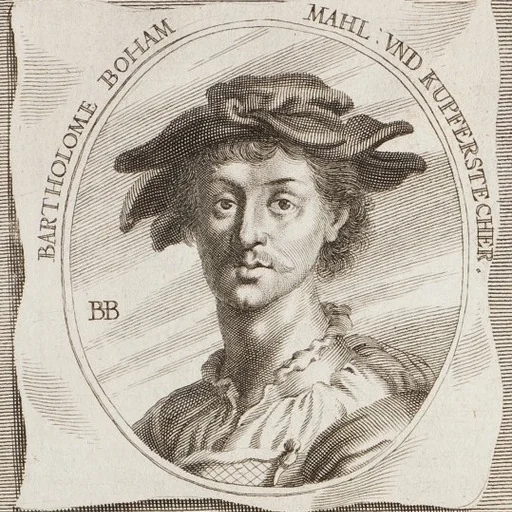

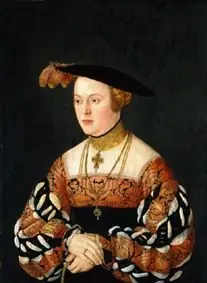 Portrait of Marie of Baden
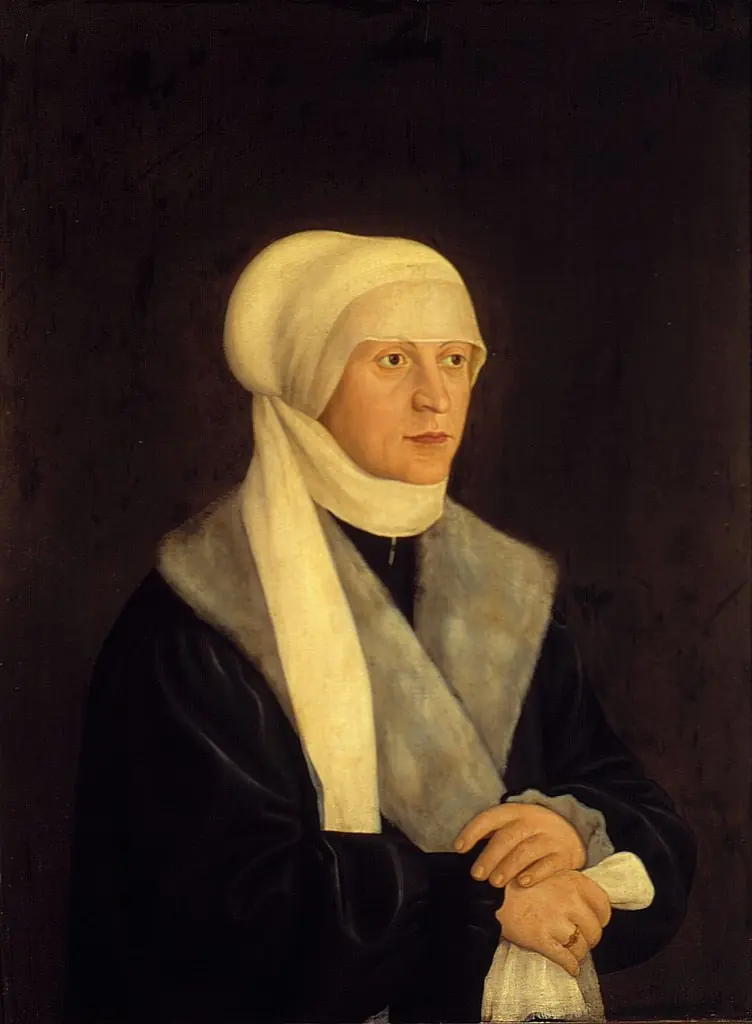 Portrait of Sabina of Bavaria
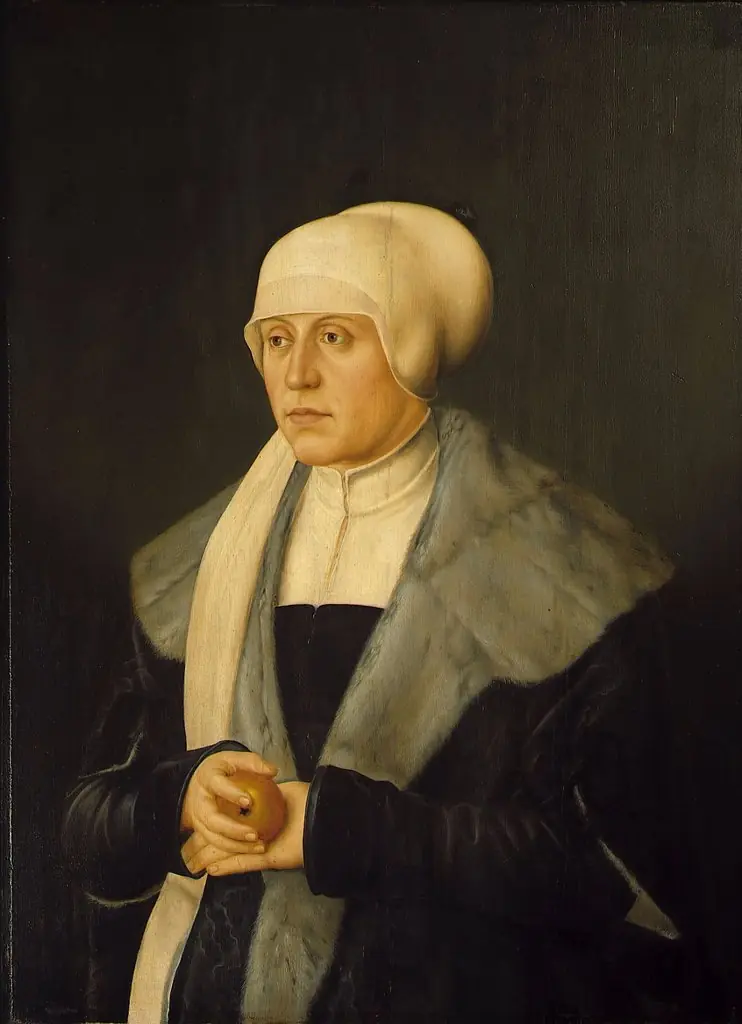 Kunigunde of Austria, wife of Duke Albrecht IV of Bavaria
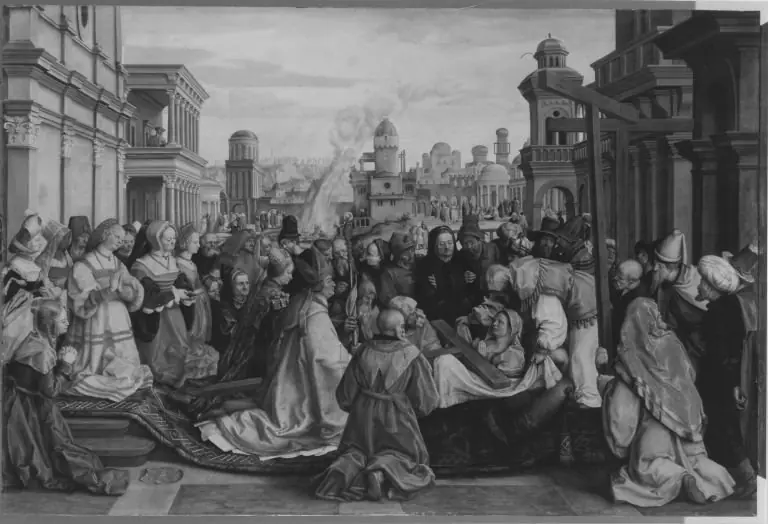 Historienzyklus: Kreuzauffindung der hl. Helena
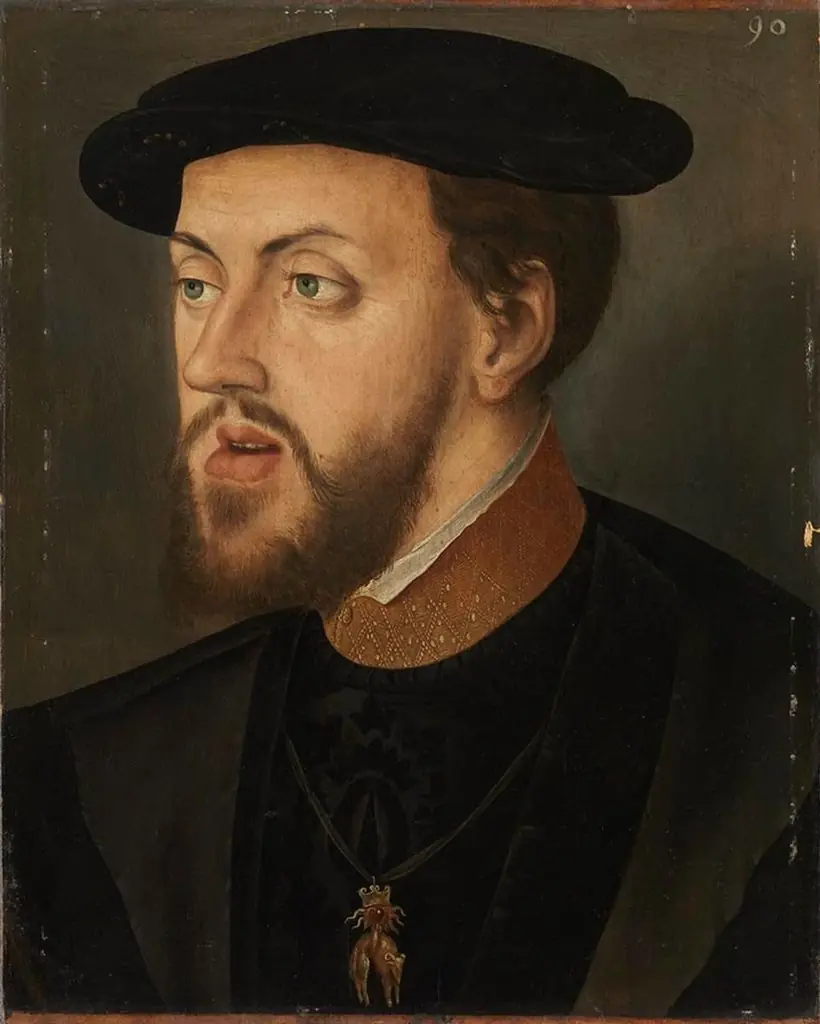 Emperor Charles V
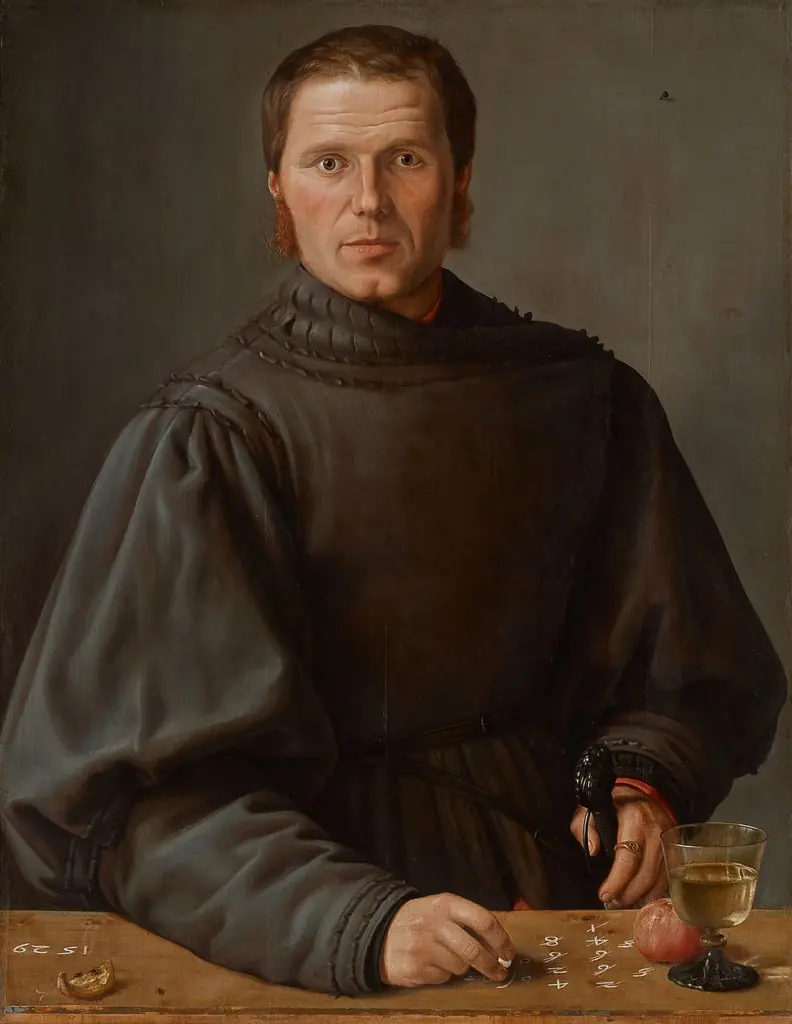 Portrait of a Man
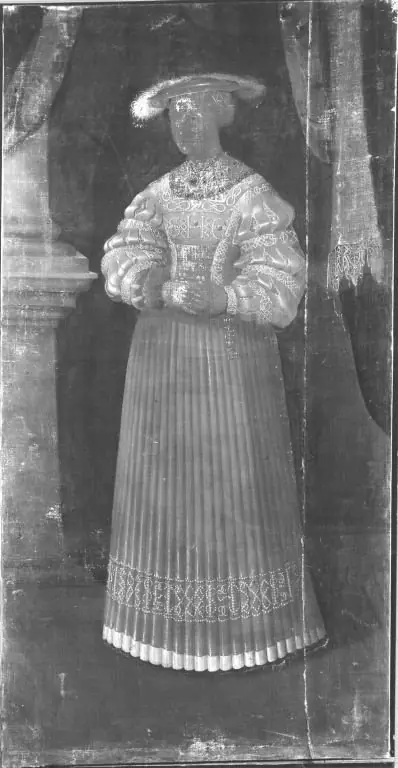 Susanna von Brandenburg, Gemahlin Ottheinrichs (Seitenverkehrte Kopie nach Inv.-Nr. 2450) (Kopie nach)
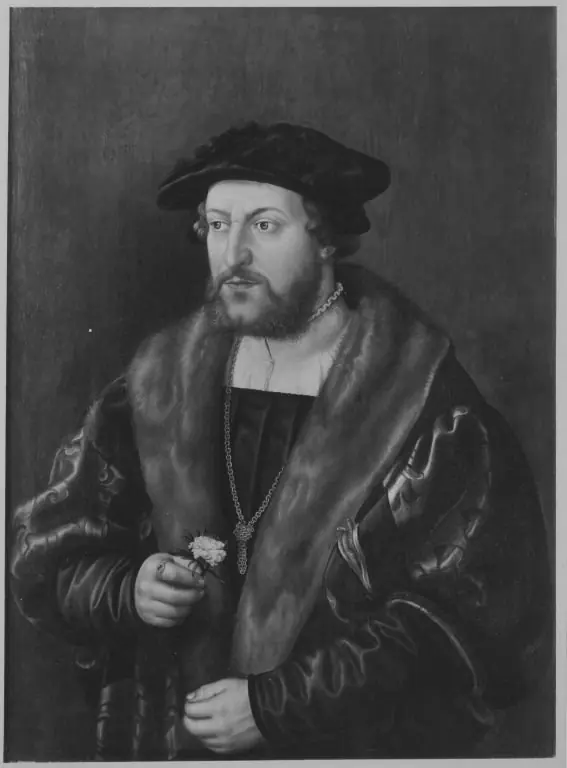 Portrait of Herzog Johann III, Paltzgraf bei Rhein (1488-1538)