Artwork
Memento Mori
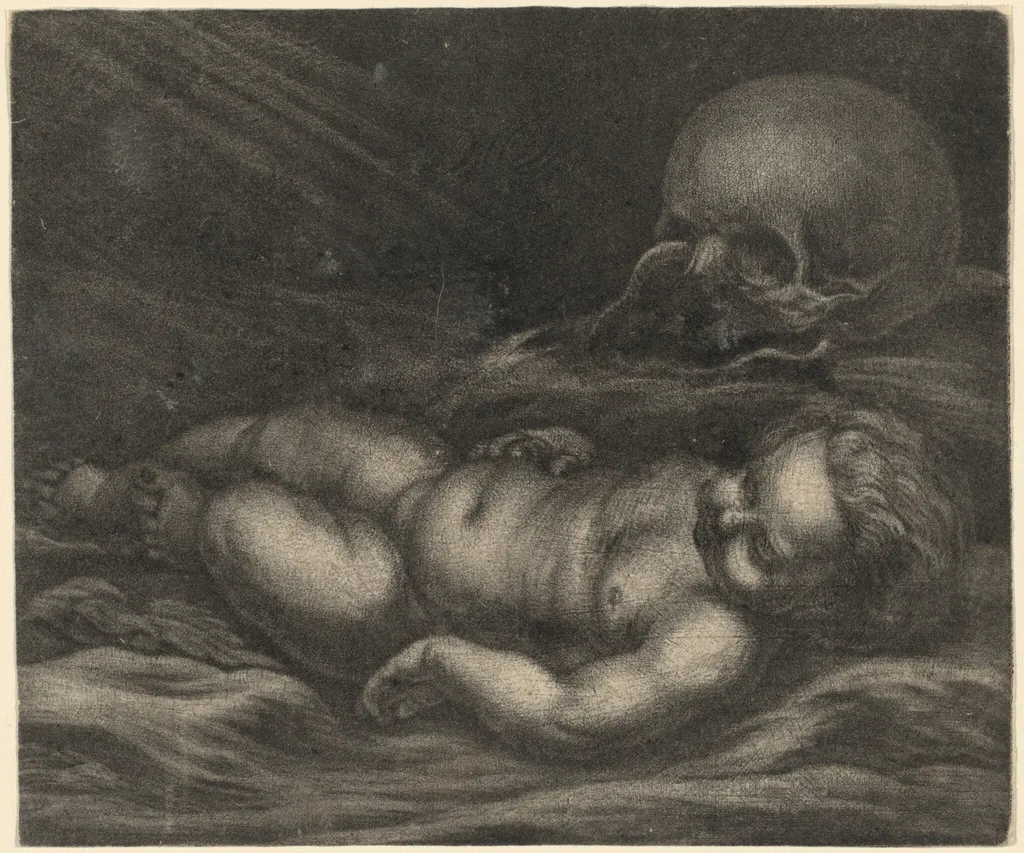
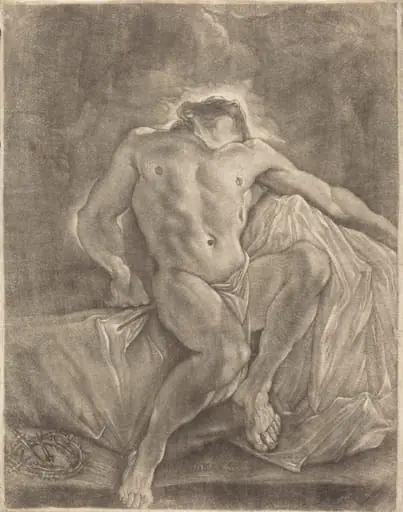
Memento Mori is an ink print by the Baroque artist Dutch 17th Century. It is held in the collection of the National Gallery of Art.
About this work
Overview
Memento Mori is a mezzotint print executed on laid paper. The image presents a cluster of reclining figures whose forms appear softened and rounded, as if melted into the surface. Set against a dark, coarse background, the figures emerge as lighter, almost ethereal shapes, creating a stark visual contrast within the composition.
Subject & Meaning
The work depicts several sleeping or inert bodies lying on the ground, evoking themes of mortality and transience suggested by the title. The muted, dream‑like posture of the figures, coupled with their ghostly illumination, invites contemplation of the fleeting nature of life and the inevitability of death.
Technique & Style
Created through the mezzotint process, the artist employed a rough, textured approach to model light and shadow. By roughening the plate and then smoothing selective areas, a rich chiaroscuro effect emerges, with luminous, almost spectral figures set against a deep, shadowy field. The resulting surface bears a tactile, scratchy quality that heightens the contrast.
History & Provenance
The print is known primarily by its title and medium; specific details about its date of creation, the artist’s identity, or its ownership history are not recorded in the available sources. Consequently, its provenance remains uncertain, and it is catalogued chiefly for its technical execution and thematic resonance.
Artist & collection

Artist
This Dutch artist made small, sharp engravings and etchings—mostly portraits and sea battles—printed from metal plates.

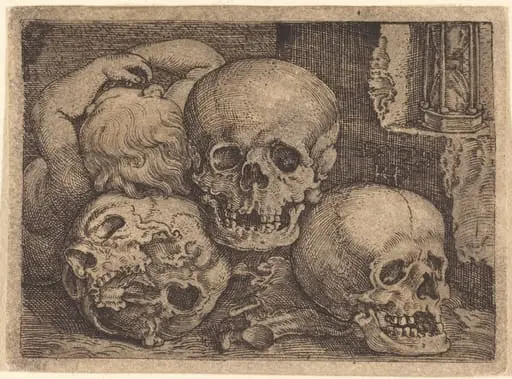 Child with Three Skulls
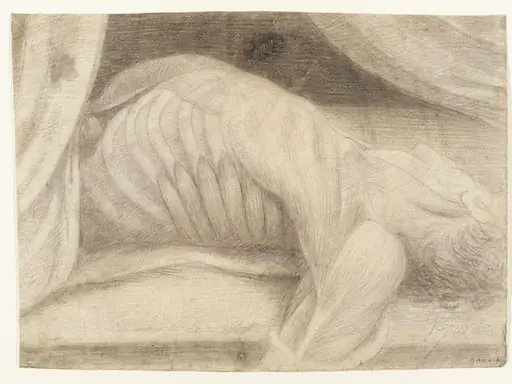 Half-length anatomical study of a man, drawn from a dissected corpse
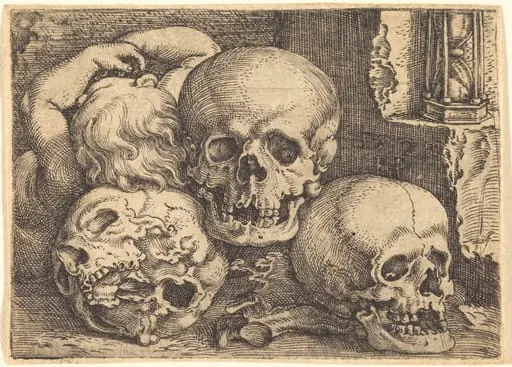 Child with Three Skulls
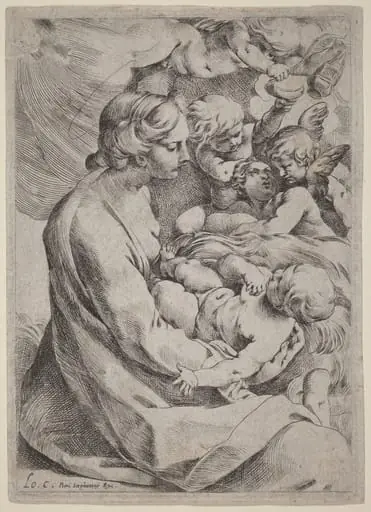 Madonna and Child with Angels
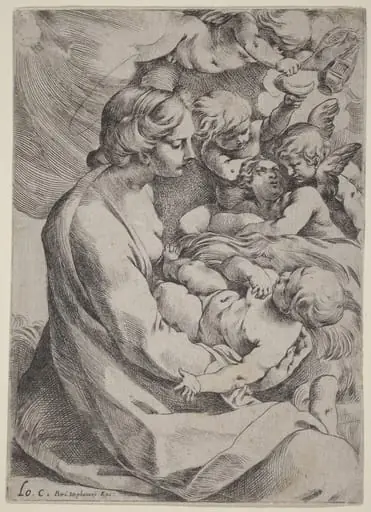 Madonna and Child with Angels
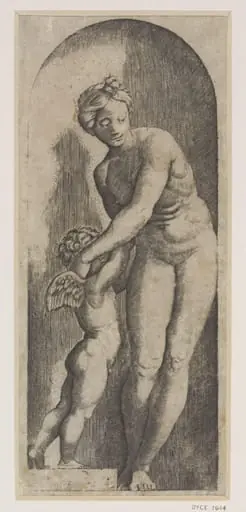 Untitled
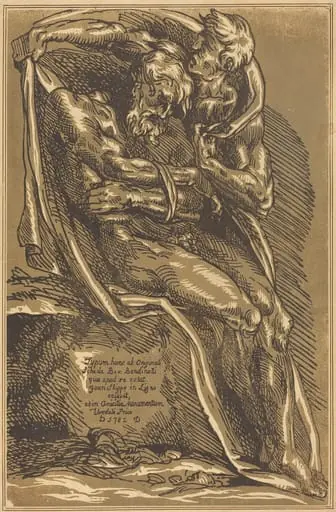 A Naked Man, Seated, with His Hands Tied
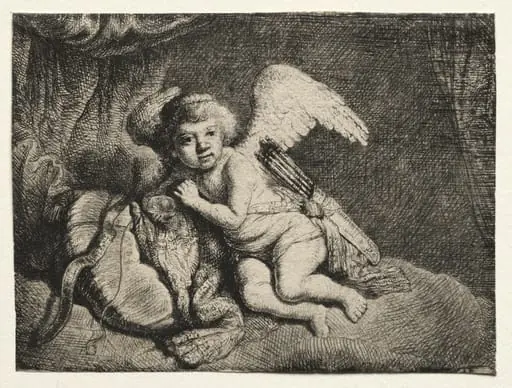 Cupid Resting
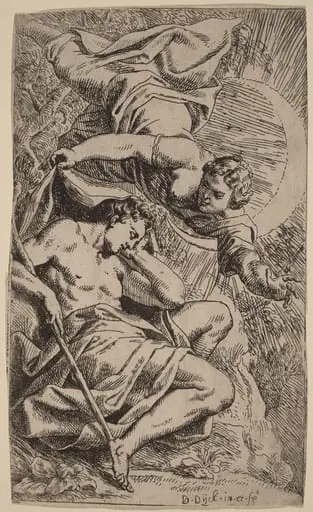 Diana and Endymion
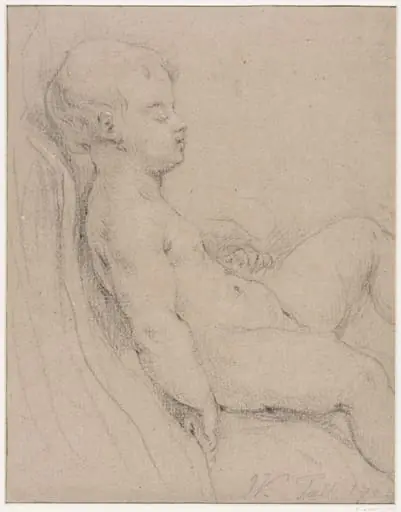 Nude boy seated ; profile
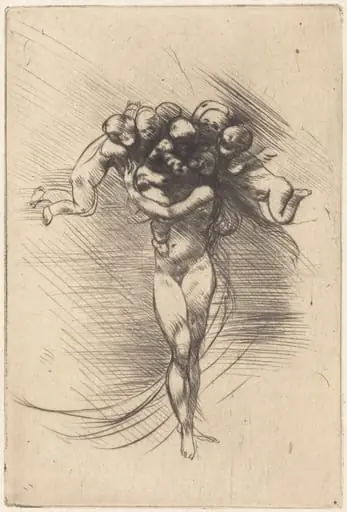 Allegory of Spring
 The Dead Body of Christ