Artwork
Skeletons, also known as Allegory of Death and Fame
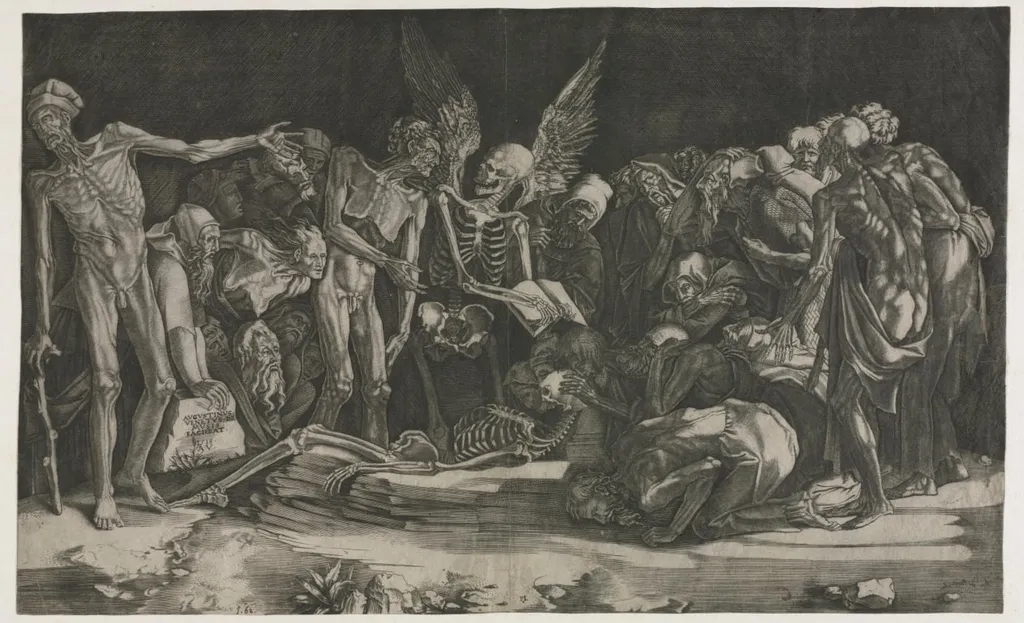
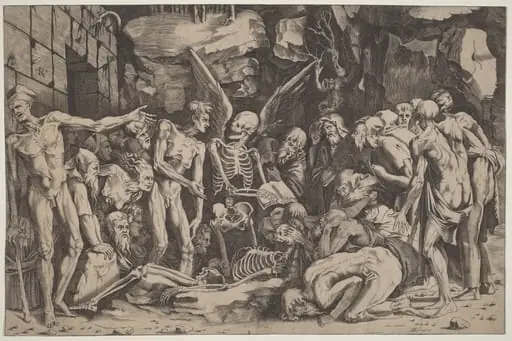
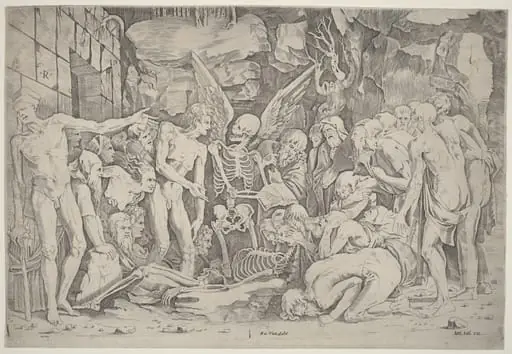
Skeletons, also known as Allegory of Death and Fame is a print by the Renaissance artist Agostino dei Musi. It dates from 1518 and is held in the collection of the Cleveland Museum of Art.
About this work
This painting shows a group of skeletons and living people around a central figure of winged Death.
The scene is crowded and detailed, with people debating the fate of the soul. A special figure on the left is a "marasmic" man, used by anatomists to study muscles.
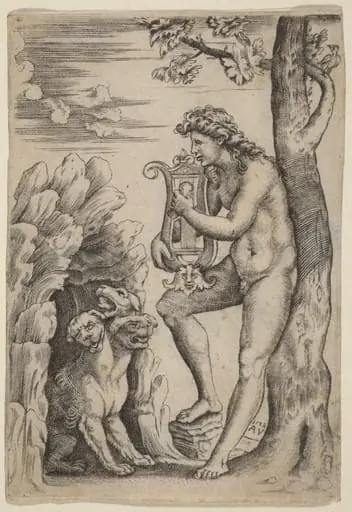
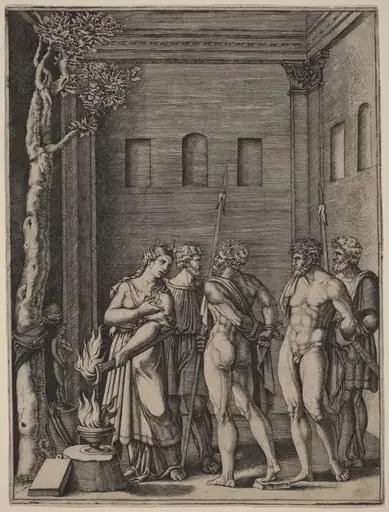
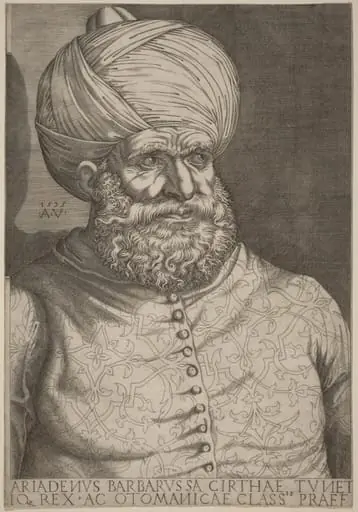
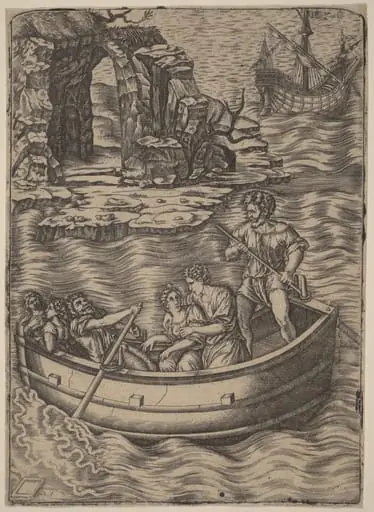
You can learn more about this style by looking at the work of another artist, Agostino Veneziano (Italian, 1490–1540).
Overview
The print, titled *Skeletons* and also known as *Allegory of Death and Fame*, presents a densely populated scene in which a winged figure of Death presides over a burial site. Around this central presence, both skeletal remains and living figures are arranged, engaged in a visual debate concerning the destiny of the soul after death.
Subject & Meaning
At the composition’s core, a winged Death hovers above an interred skeleton, while a variety of human forms—some alive, some reduced to bone—converse about mortality and fame. On the far left, a emaciated, sun‑dried body, referred to in contemporary anatomy as a “marasmic” man, is displayed for the study of musculature without skin, underscoring the work’s preoccupation with the physicality of death.
Technique & Style
The design was created by the Florentine painter Rosso Fiorentino, whose Mannerist sensibilities inform the dramatic arrangement and exaggerated gestures. The engraving was executed by Agostino Veneziano, a noted Italian printmaker of the early 16th century, whose precise line work renders the intricate anatomy of the figures and the delicate wings of Death.
History & Provenance
Rosso Fiorentino conceived the image as part of an intended anatomical treatise that never reached publication. The print therefore stands as the sole visual record of his planned project, circulating among scholars and collectors interested in the intersection of art and early modern anatomy.
Context
Created in the mid‑16th century, the work reflects contemporary fascination with human anatomy, spurred by advances in dissection and the rise of anatomical illustration. Its allegorical treatment of death aligns with broader Renaissance preoccupations with the transience of life and the quest for fame beyond the grave.
Artist & collection
Artist
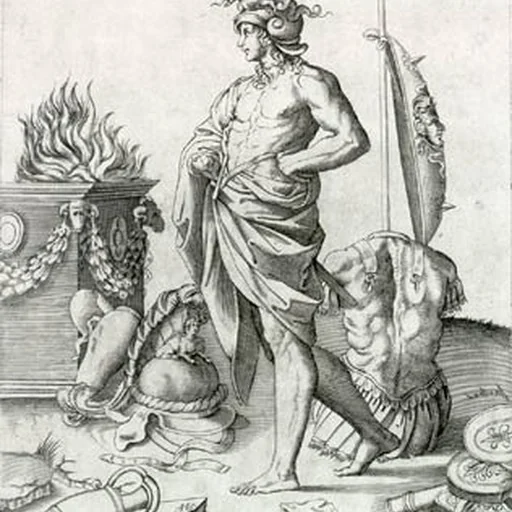
Agostino Veneziano ("Venetian Agostino"), whose real name was Agostino de' Musi (c. 1490 – c. 1540), was an important and prolific Italian engraver of the Renaissance.