Artwork
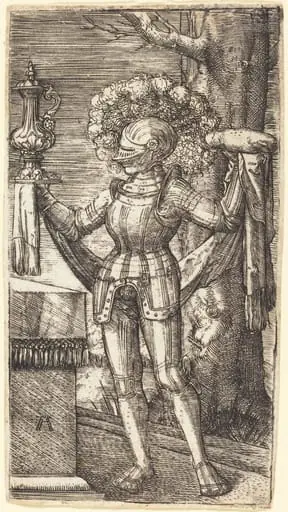
Foot Soldier in Front of a Tree
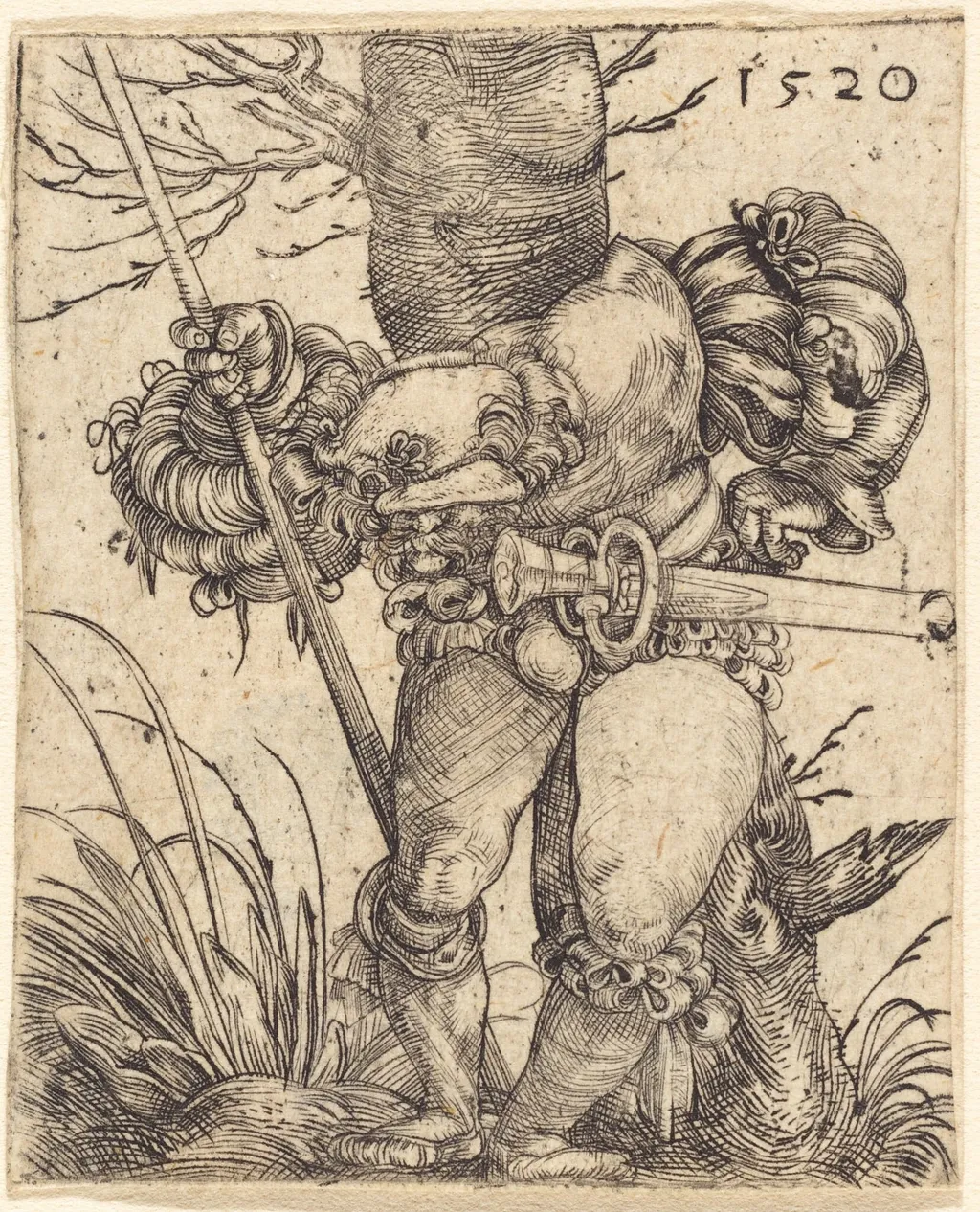
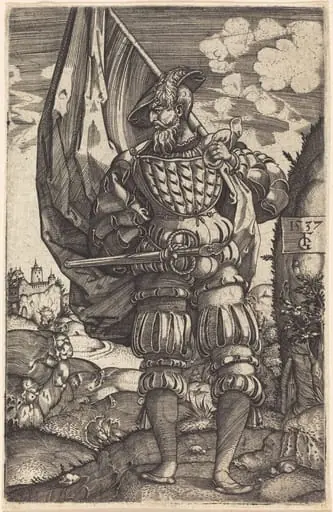
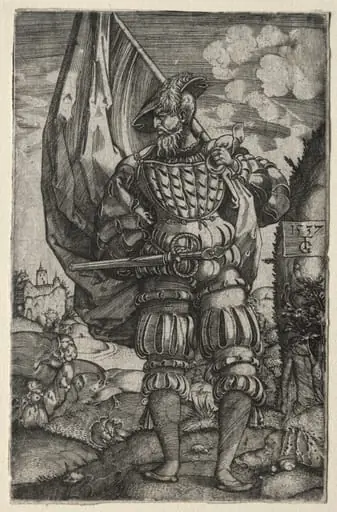
Foot Soldier in Front of a Tree is an ink print by the Renaissance artist Barthel Beham. It dates from 1520 and is held in the collection of the National Gallery of Art.
About this work
Overview
Created in 1520 by Barthel Beham, this engraving on laid paper depicts a solitary armored soldier beneath a tree. Rendered in monochrome, the image captures a moment of stillness rather than action. The soldier, helmet removed, stands with a sword in hand and one arm resting at his side. The composition emphasizes quiet contemplation, framed by the natural forms of the tree and uneven ground.
Subject & Meaning
Together, the elements convey a sense of isolation, hinting at the personal cost of military service in early 16th-century Europe.
The figure appears to be a mercenary or foot soldier, stripped of his helmet and momentarily at rest. His posture suggests exhaustion or reflection, possibly after battle. The tree, with its sturdy branches and sparse foliage, may symbolize endurance or the passage of time. Together, the elements convey a sense of isolation, hinting at the personal cost of military service in early 16th-century Europe.
Technique & Style
Beham employed fine, precise cross-hatching to model form and texture, particularly in the soldier’s armor and clothing. The method creates subtle gradations of light and shadow, lending volume to the metal and fabric. The tree’s bark and the rough ground are rendered with dense, directional lines, enhancing tactile realism. The overall style reflects Northern Renaissance attention to detail and material fidelity.
History & Provenance
The print originates from Beham’s early career in Nuremberg, a center of printmaking during the Reformation. It was likely produced for a broad audience, as engravings were affordable and widely circulated. No definitive early ownership records survive, but similar works by Beham appear in European collections from the 16th century onward, suggesting steady dissemination.
Context
In the early 1520s, Germany was marked by social unrest and military conflict, including the Peasants' War. Soldiers like the one depicted were often hired mercenaries, neither noble nor fully integrated into society. Beham’s focus on an ordinary soldier, rather than a hero or noble, reflects a growing interest in everyday life and the human condition amid political turmoil.
Legacy
This engraving exemplifies Beham’s skill in translating human presence into intimate, detailed imagery. While not widely known today, it contributed to the broader tradition of Northern European printmaking that valued psychological nuance and technical precision. Its quiet realism influenced later artists who sought to portray soldiers not as symbols, but as individuals.
Artist & collection

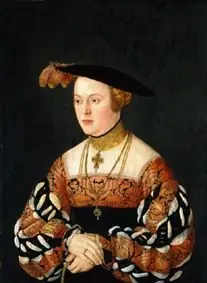 Portrait of Marie of Baden
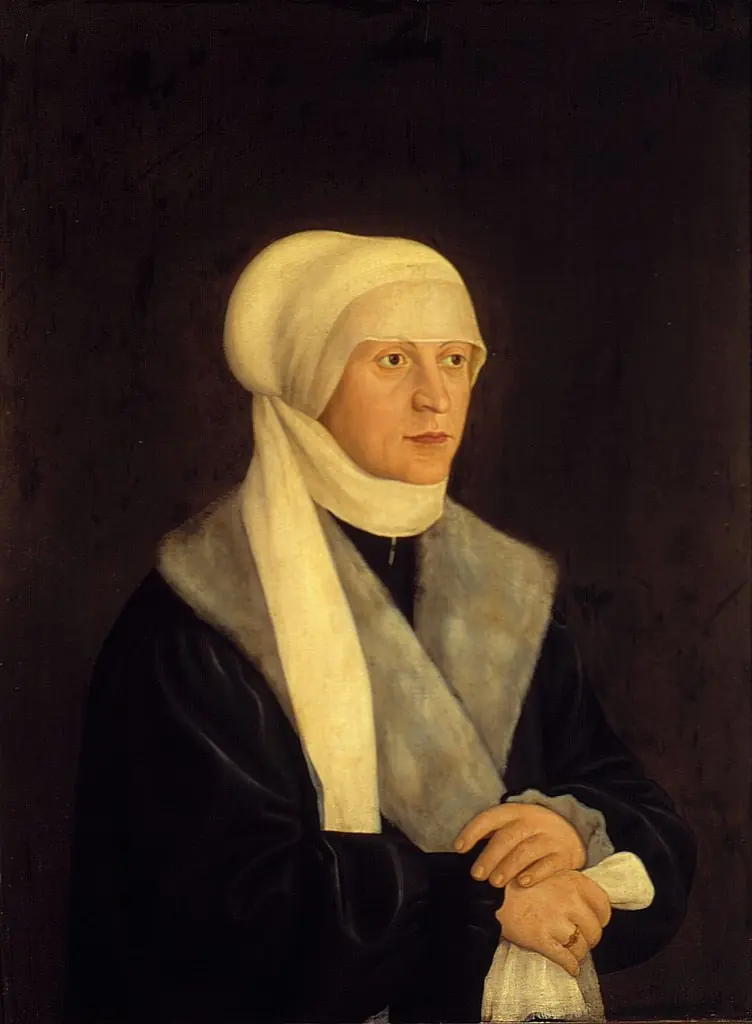 Portrait of Sabina of Bavaria
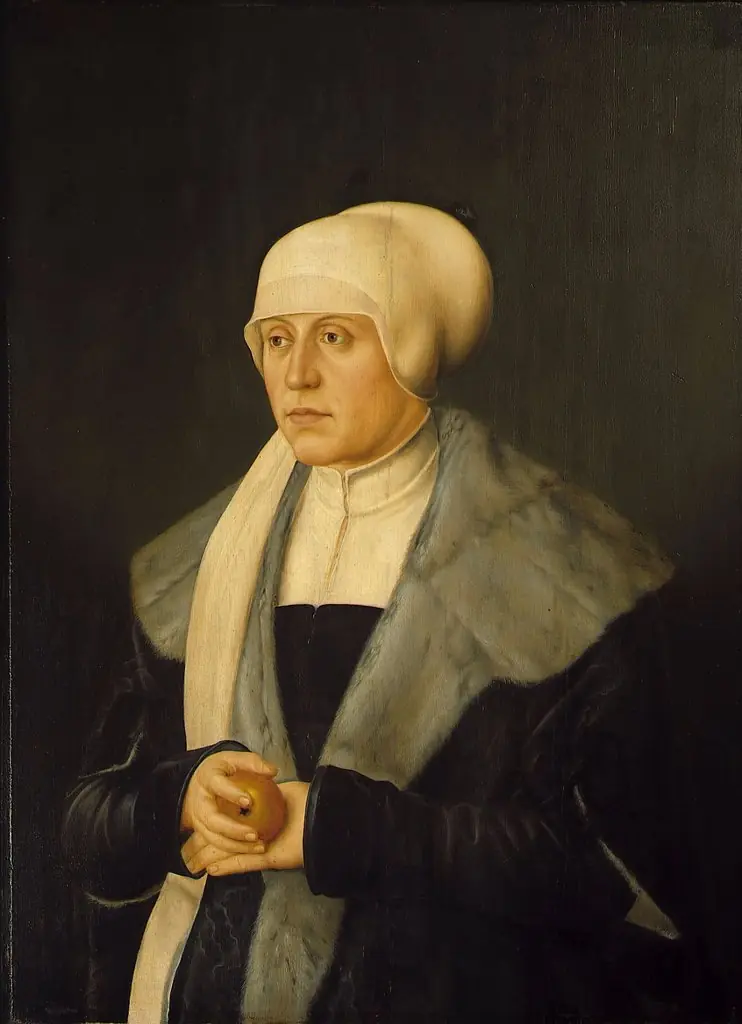 Kunigunde of Austria, wife of Duke Albrecht IV of Bavaria
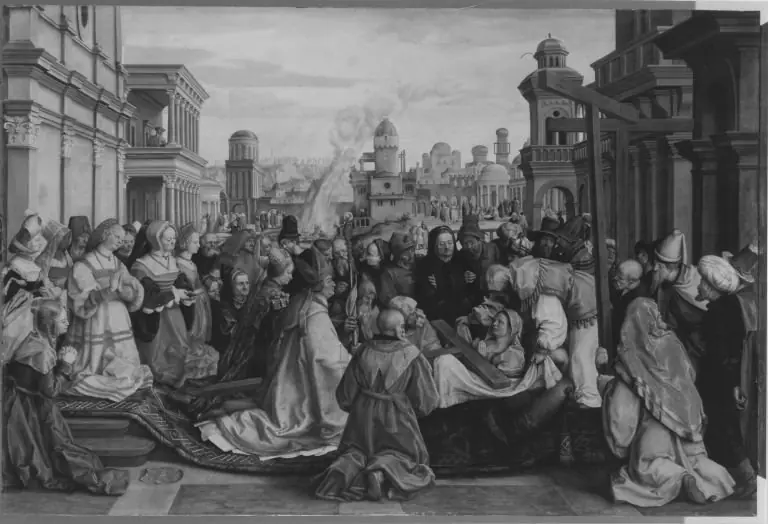 Historienzyklus: Kreuzauffindung der hl. Helena
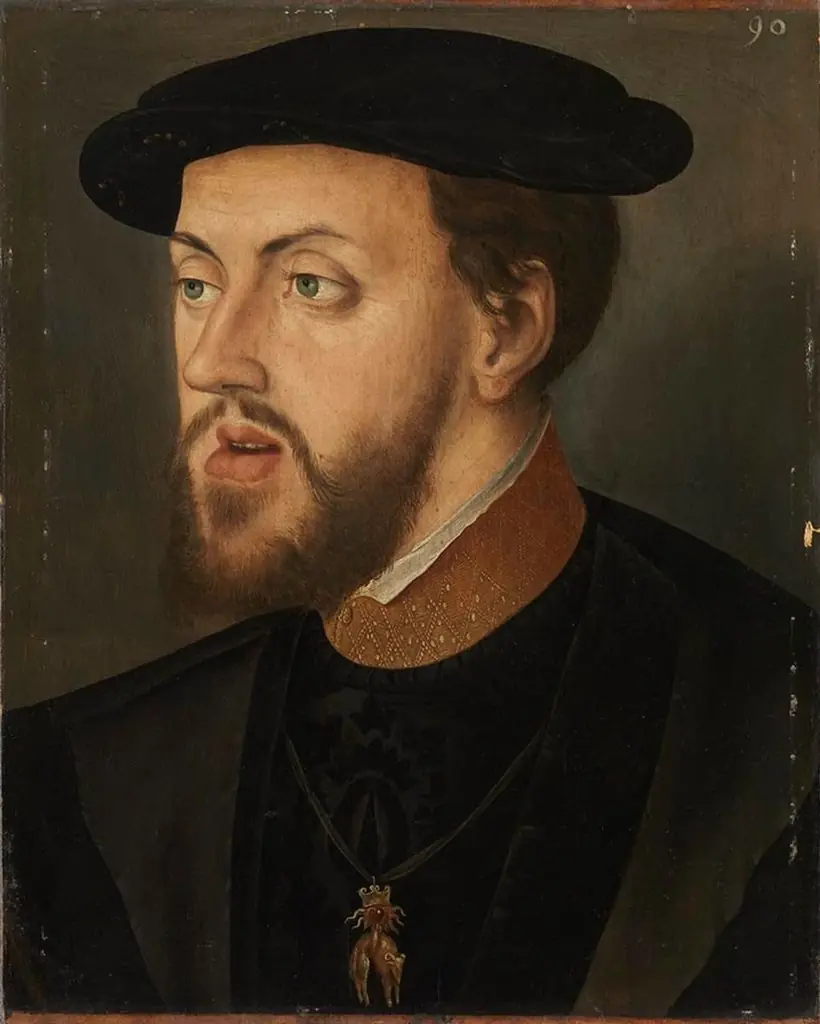 Emperor Charles V
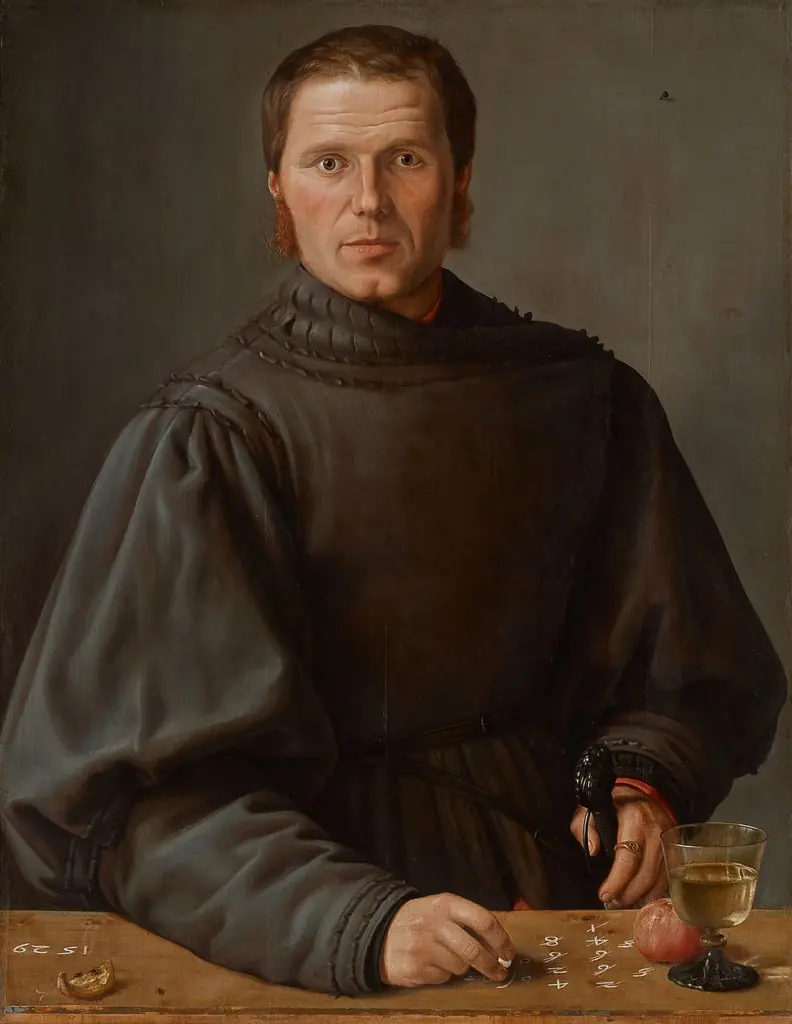 Portrait of a Man
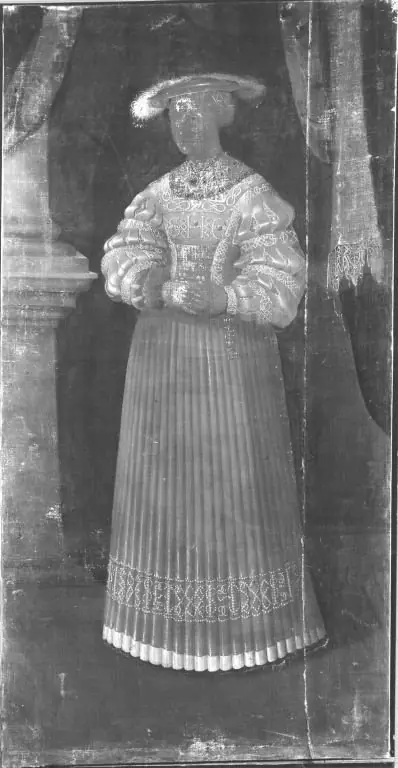 Susanna von Brandenburg, Gemahlin Ottheinrichs (Seitenverkehrte Kopie nach Inv.-Nr. 2450) (Kopie nach)
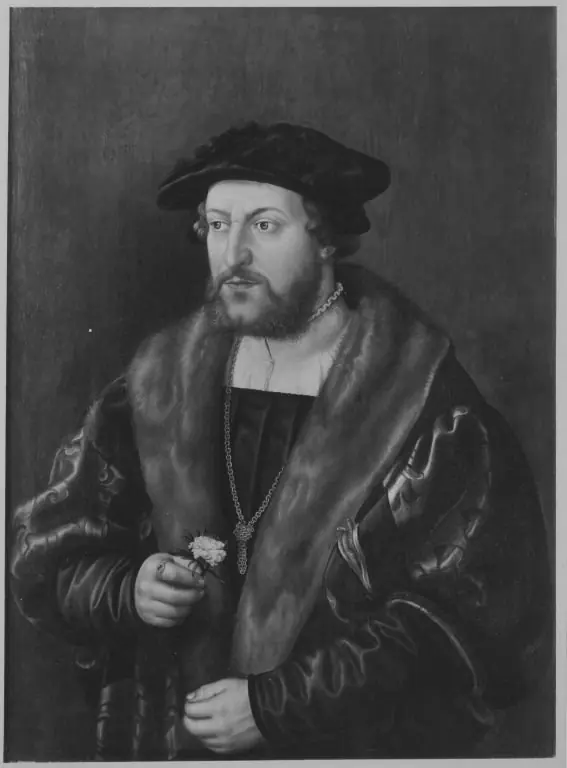 Portrait of Herzog Johann III, Paltzgraf bei Rhein (1488-1538)