Artwork
King Ferdinand I
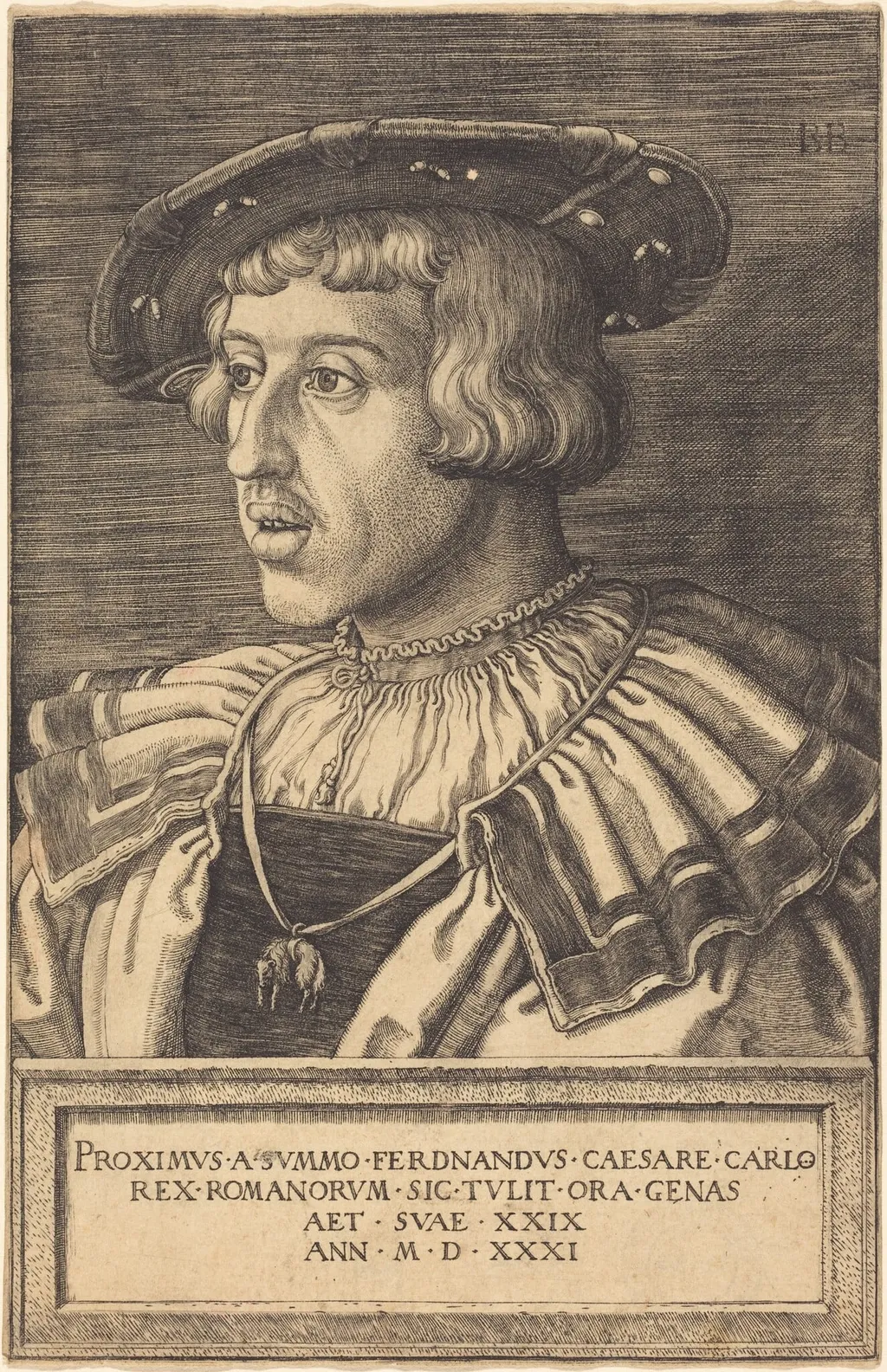
King Ferdinand I is an ink print by the Renaissance artist Barthel Beham. It dates from 1531 and is held in the collection of the National Gallery of Art.
About this work
Overview
Barthel Beham’s 1531 engraving titled *King Ferdinand I* presents a solitary male figure rendered in fine line work on laid paper.
Barthel Beham’s 1531 engraving titled *King Ferdinand I* presents a solitary male figure rendered in fine line work on laid paper. The composition isolates the sitter against a deep, unadorned background, emphasizing the facial expression and attire. The portrait’s dimensions and medium place it within the early‑sixteenth‑century print tradition, where engravings served both as artworks and as means of disseminating the likenesses of notable individuals.
Subject & Meaning
The figure is depicted with a solemn demeanor, short wavy hair, and a turned head that gazes toward the left. He wears a hat and a ruffled collar typical of high‑status dress in the period, suggesting the sitter is a monarch or a person of comparable rank, likely Ferdinand I, Holy Roman Emperor, whose image would have been of political relevance across Europe.
Technique & Style
Beham employs a dense cross‑hatching technique to model the contours of the face, hair, and garments, creating a nuanced play of light and shadow. The engraving’s line work achieves texture in the fabric and depth in the facial features, reflecting the Northern Renaissance’s interest in precise detail and the emerging capabilities of printmaking to convey complex visual information.
History & Provenance
Created in 1531, the print emerges from the German workshop of Barthel Beham, a member of the so‑called “Little Masters” known for small, highly finished engravings. While the original ownership trail is not fully documented, copies of the work circulated among collectors of courtly portraiture in the sixteenth century, contributing to the visual record of Ferdinand I’s reign.
Artist & collection

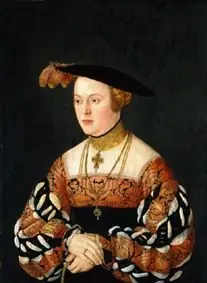 Portrait of Marie of Baden
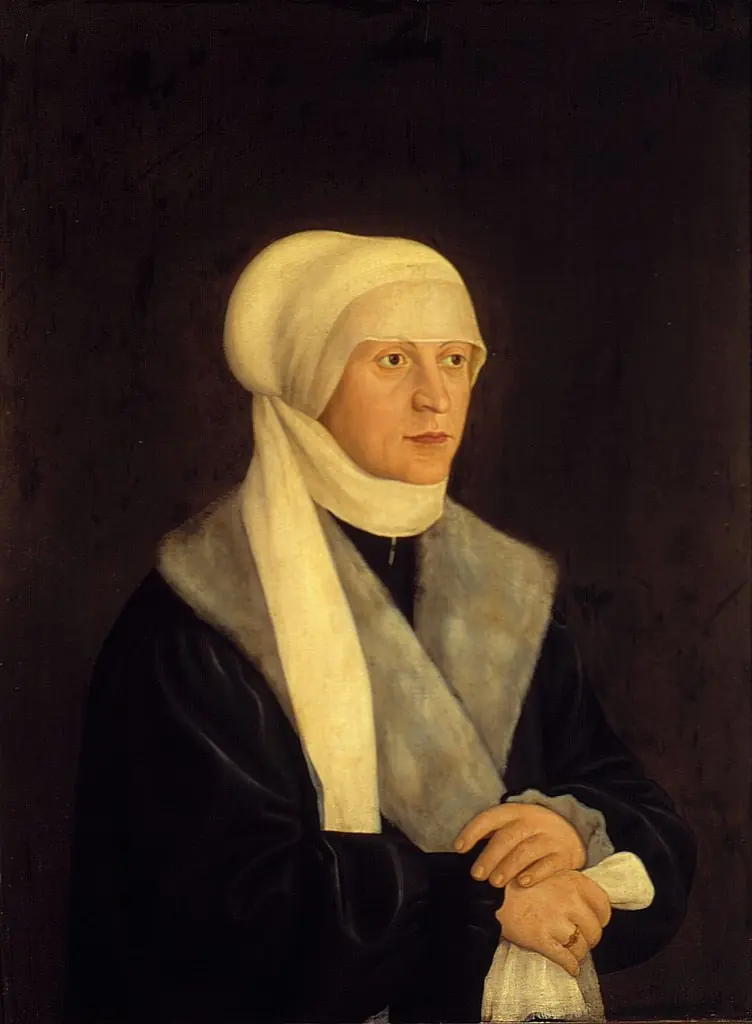 Portrait of Sabina of Bavaria
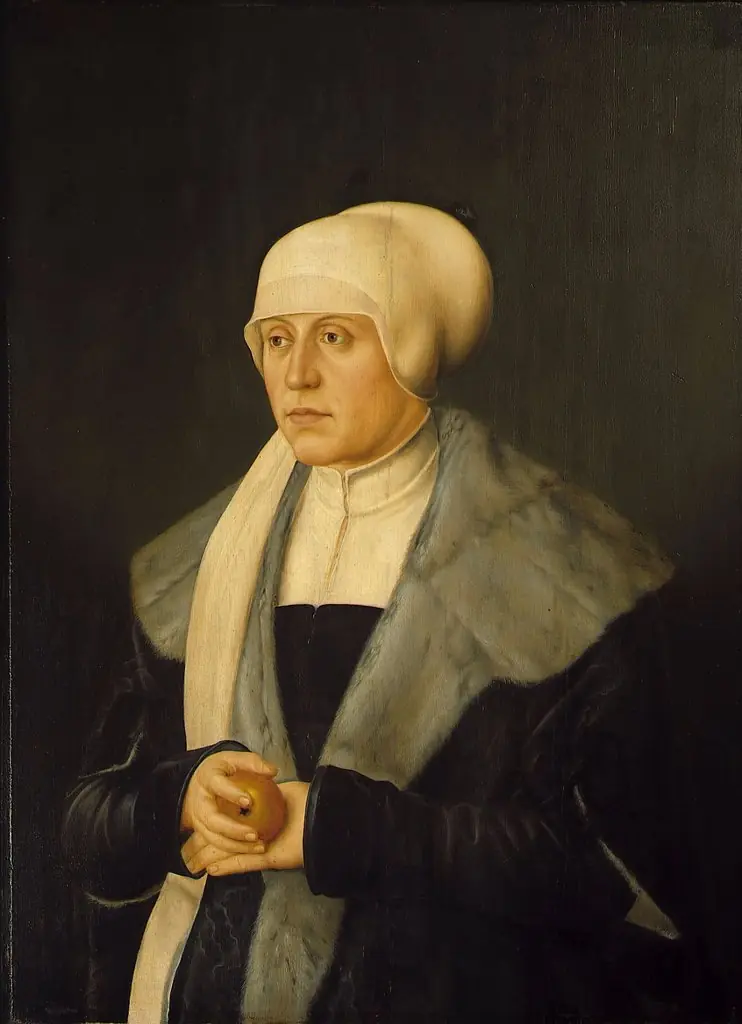 Kunigunde of Austria, wife of Duke Albrecht IV of Bavaria
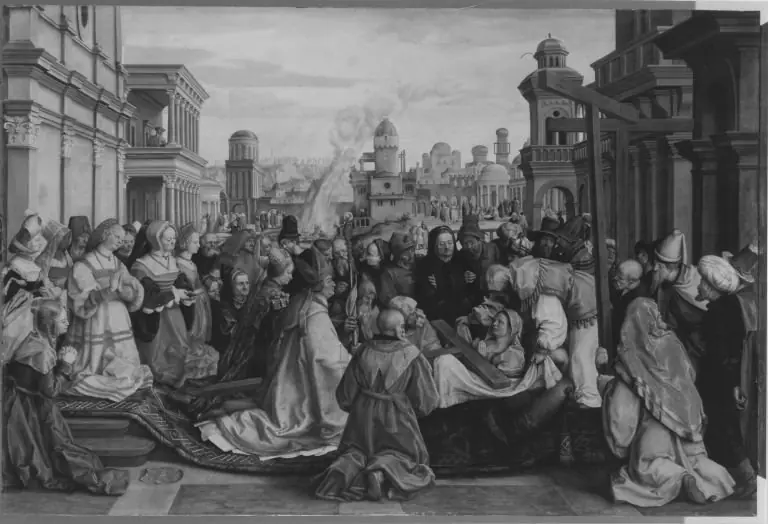 Historienzyklus: Kreuzauffindung der hl. Helena
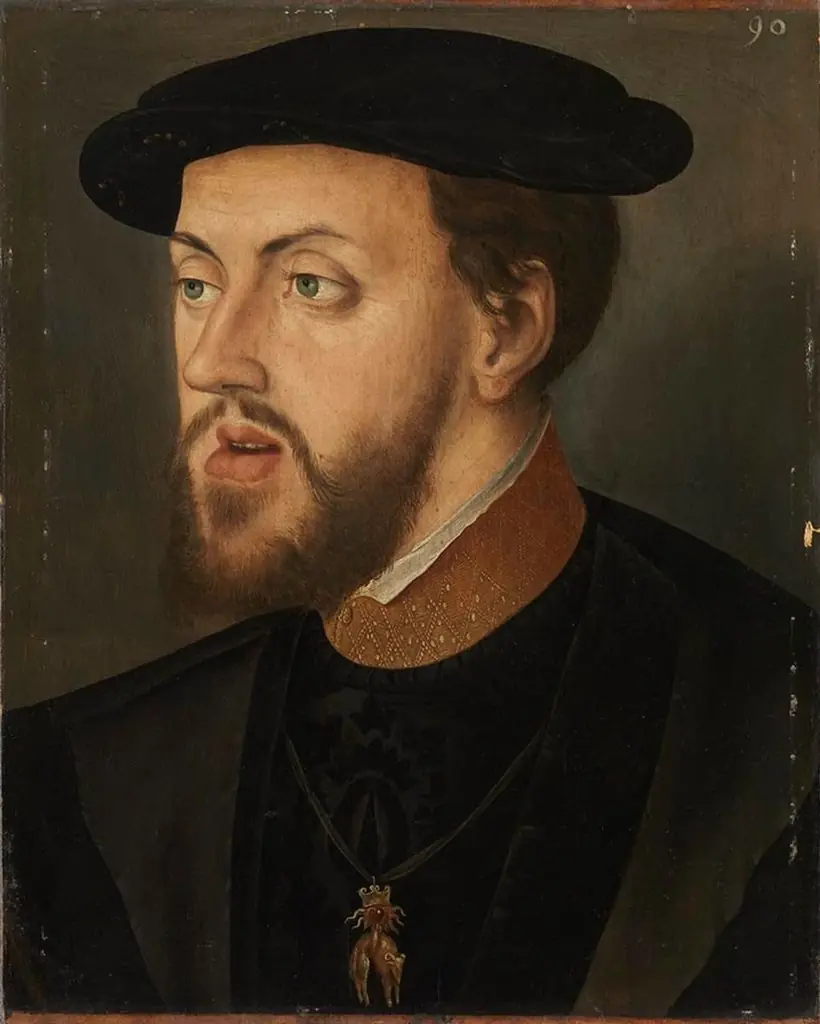 Emperor Charles V
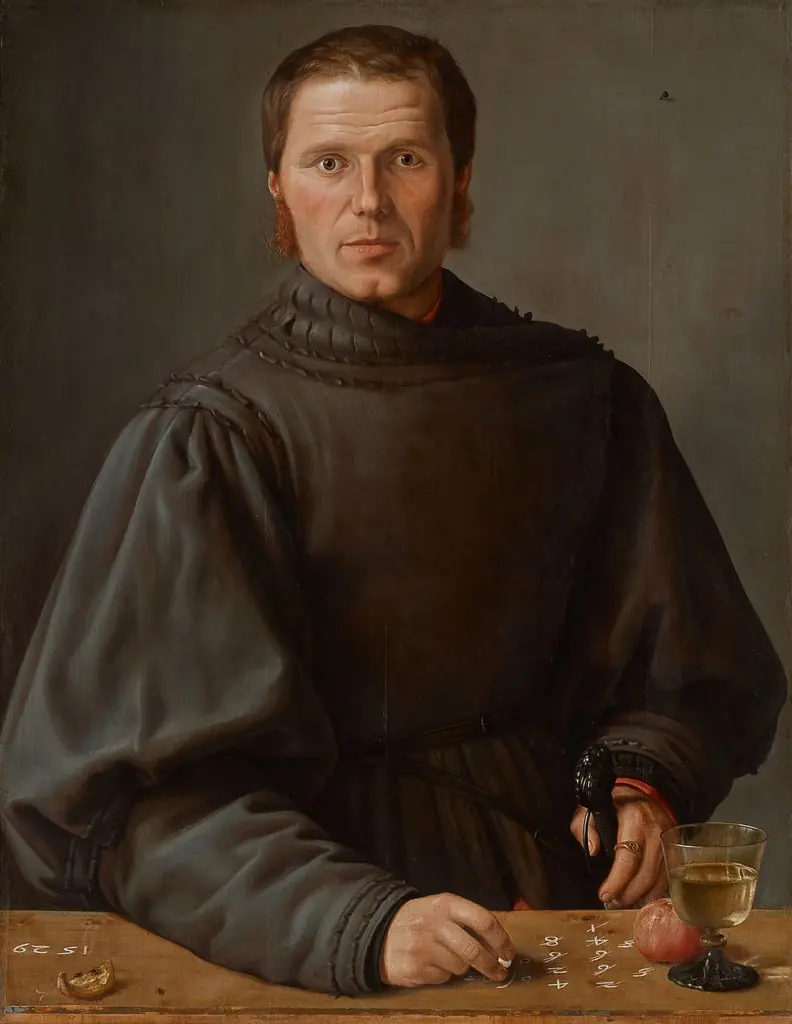 Portrait of a Man
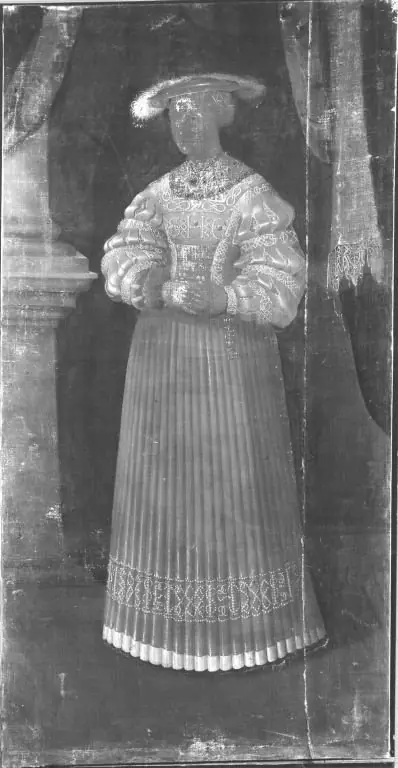 Susanna von Brandenburg, Gemahlin Ottheinrichs (Seitenverkehrte Kopie nach Inv.-Nr. 2450) (Kopie nach)
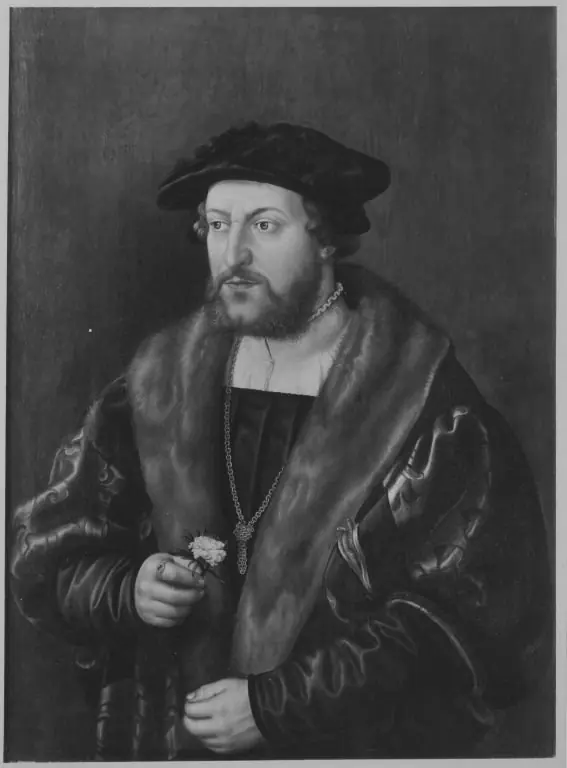 Portrait of Herzog Johann III, Paltzgraf bei Rhein (1488-1538)